Sedum Lucidum Obesum (Sedum Lucidum ‘obesum’)
Sedum Lucidum Obesum, also known as Sedum Lucidum ‘obesum’, is a fascinating and versatile plant that is prized by gardeners and plant enthusiasts for its.
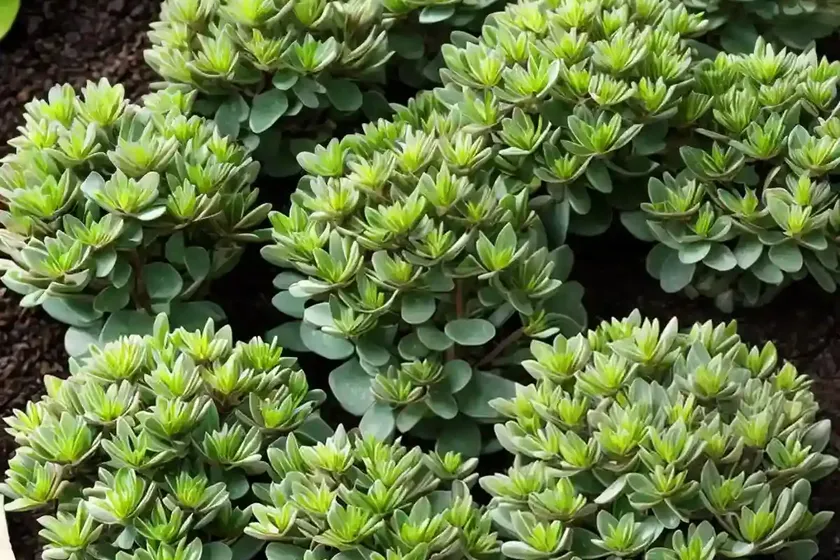
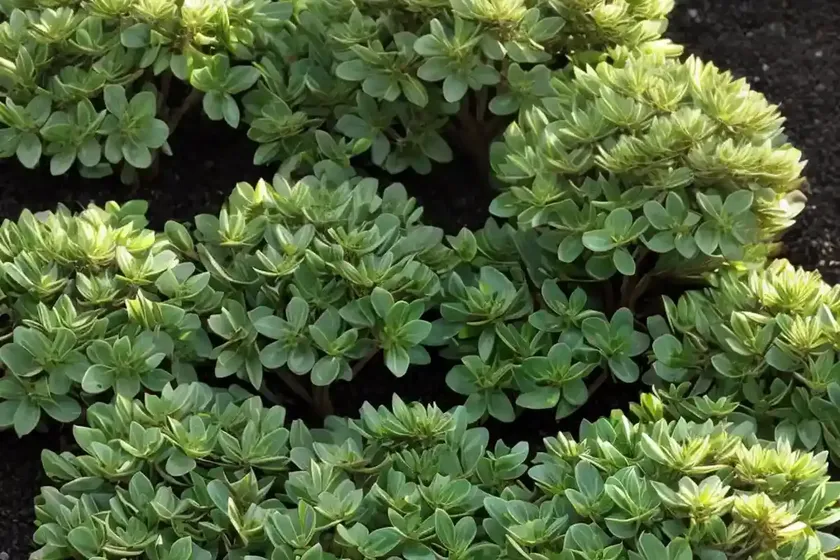
Sedum Lucidum Obesum, also known as Sedum Lucidum ‘obesum’, is a fascinating and versatile plant that is prized by gardeners and plant enthusiasts for its unique characteristics, low maintenance requirements, and wide range of uses. This plant care guide will delve into the various aspects of caring for Sedum Lucidum Obesum, including its cultural requirements, propagation methods, maintenance, common pests and diseases, and much more. Whether you are a seasoned gardener or a beginner looking to cultivate this intriguing succulent, this comprehensive guide will provide you with all the essential information to help you nurture and appreciate the beauty of Sedum Lucidum Obesum.
What is Sedum Lucidum Obesum?
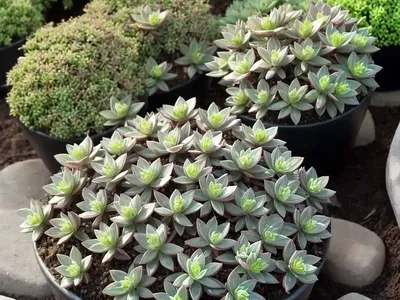
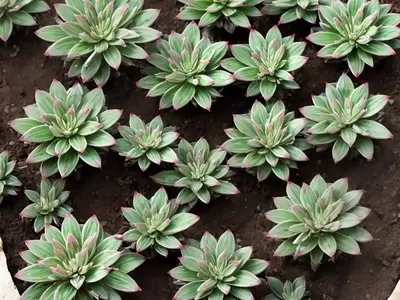
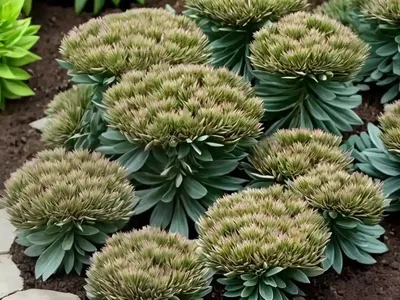
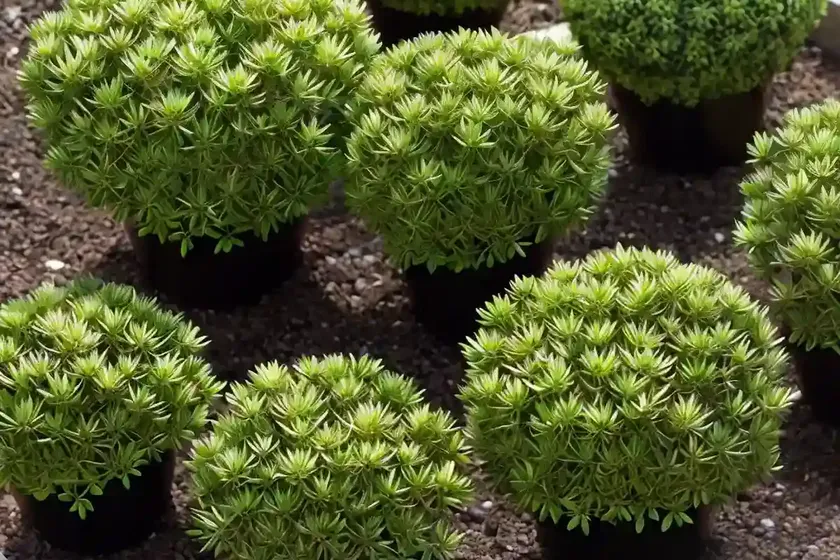
Sedum Lucidum Obesum, scientifically known as Sedum Lucidum ‘obesum’, belongs to the family Crassulaceae and is a member of the expansive Sedum genus, which encompasses numerous species of succulent plants. This particular variety is characterized by its fleshy, glossy green leaves and its ability to thrive in various environmental conditions, making it a popular choice for both indoor and outdoor cultivation. Its compact and clustering growth habit, along with its charming appearance, makes it a sought-after addition to rock gardens, containers, and even vertical gardening arrangements.
Key Takeaways – Sedum Lucidum Obesum (Sedum Lucidum ‘obesum’)
Before we delve into the specifics of caring for Sedum Lucidum Obesum, let’s highlight some key takeaways about this intriguing plant:
- Thrives in both indoor and outdoor settings.
- Low maintenance and drought-tolerant.
- Offers versatility in landscaping, including rock gardens, containers, and vertical gardening.
- Attracts pollinators, making it a valuable addition to wildlife-friendly gardens.
- Resilient and adaptable, capable of surviving in harsh environmental conditions.
Now that we have gained a brief insight into the remarkable qualities of Sedum Lucidum Obesum, let’s explore the essential aspects of cultivating and nurturing this captivating succulent.
Culture
Understanding the cultural requirements of Sedum Lucidum Obesum is crucial for ensuring its optimal growth and overall health. By providing the right environmental conditions, you can encourage the succulent to thrive and exhibit its characteristic beauty.
Uses
Sedum Lucidum Obesum offers a multitude of uses in landscaping and gardening, owing to its resilience, ornamental appeal, and adaptability. Some common uses of this plant include:
-
Rock gardens: The compact growth habit and visually appealing foliage of Sedum Lucidum Obesum make it an excellent choice for rock gardens, where it can contribute to a vibrant and low-maintenance display.
-
Containers: Whether placed on a sunny balcony or a well-lit indoor space, Sedum Lucidum Obesum is well-suited for container gardening, adding a touch of greenery and elegance to any setting.
-
Vertical gardening: The trailing nature of some varieties of Sedum Lucidum Obesum makes it suitable for vertical gardening arrangements, where it can gracefully cascade down walls or containers, adding a dynamic and striking visual element.
-
Ground cover: With its spreading growth habit, Sedum Lucidum Obesum can serve as an effective ground cover, filling in bare patches with its lush foliage while also providing a vibrant splash of color when in bloom.
-
Wildlife gardens: The nectar-rich flowers of Sedum Lucidum Obesum attract pollinators such as bees and butterflies, making it a valuable addition to wildlife-friendly gardens and contributing to the overall biodiversity of the landscape.
The versatility of Sedum Lucidum Obesum in various landscaping applications demonstrates its value as a multifaceted and attractive plant.
Water
Sedum Lucidum Obesum is renowned for its drought tolerance, a characteristic that is reflected in its minimal water requirements. Proper watering practices are essential for preventing issues such as root rot and promoting healthy growth.
-
When to water: During the active growing season, which typically spans spring to fall, water the plant when the top inch of the soil feels dry to the touch. In cooler months or winter, reduce watering frequency to prevent waterlogged conditions.
-
Watering technique: Use a targeted approach to watering, aiming to moisten the soil around the roots without drenching the entire plant. Allow excess water to drain freely from the pot to prevent water accumulation.
-
Container considerations: Ensure that containers have adequate drainage holes to prevent water from stagnating around the roots. Well-draining potting mix can further aid in maintaining appropriate soil moisture levels.
By adhering to a balanced watering regimen and monitoring the plant’s response, you can effectively sustain the vigor and vitality of Sedum Lucidum Obesum.
Sunlight
As a succulent with origins in regions characterized by ample sunlight, Sedum Lucidum Obesum thrives in bright and sunny conditions. Providing suitable sunlight exposure is integral to promoting robust growth and vibrant foliage.
-
Sunlight requirements: Position Sedum Lucidum Obesum in a location that receives at least 6 hours of direct sunlight per day. Indoors, place the plant near a south-facing window to ensure it receives sufficient light.
-
Outdoor considerations: While appreciating full sun exposure, ensure that the plant is shielded from intense midday sun in warmer climates to prevent leaf scorch and sunburn.
-
Adaptable nature: Sedum Lucidum Obesum exhibits remarkable adaptability and can tolerate partial shade, although prolonged low light conditions may lead to leggy growth and reduced vibrancy.
By prioritizing adequate sunlight provision, you can witness the development of lush, colorful foliage and sturdy growth in your Sedum Lucidum Obesum.
Fertilizer
Maintaining balanced nutrition is essential for supporting the growth and resilience of Sedum Lucidum Obesum. Although the plant has modest fertilizer requirements, providing appropriate nourishment facilitates optimal performance.
-
Fertilizing schedule: Apply a balanced, water-soluble fertilizer formulated for succulents and cacti at half-strength once a month during the active growing season. Refrain from fertilizing during the plant’s dormant phase in winter.
-
Organic alternatives: Incorporating organic amendments such as compost or well-decomposed manure into the soil during the growing season can enhance soil fertility and contribute to the long-term health of Sedum Lucidum Obesum.
-
Diligent application: Avoid excessive fertilizer application, as this can lead to salt accumulation in the soil and potentially cause harm to the plant. Moderation and restraint are key when fertilizing succulents.
Balancing the nutritional needs of Sedum Lucidum Obesum through judicious fertilization practices can ensure robust growth and an impressive visual display.
Soil
The choice of an appropriate growing medium is pivotal in facilitating healthy root development and overall plant vitality in Sedum Lucidum Obesum. A well-draining and nutrient-rich soil composition can significantly contribute to the flourishing of this succulent.
-
Soil characteristics: Select a well-draining potting mix with a light and sandy texture, ideally formulated for succulents and cacti. Prepared mixes or homemade blends incorporating components such as perlite, coarse sand, and organic matter can offer suitable drainage and aeration.
-
pH considerations: Aim for a slightly acidic to neutral soil pH ranging between 6.0 to 7.0. This pH range facilitates optimal nutrient availability and uptake for Sedum Lucidum Obesum.
-
Container options: For potted plants, choose containers with drainage holes and fill them with the recommended succulent potting mix to ensure sufficient aeration and moisture management.
By prioritizing soil quality and drainage, you can establish an environment conducive to the robust growth and well-being of Sedum Lucidum Obesum.
Pruning
Pruning plays a valuable role in maintaining the compact growth habit and attractive appearance of Sedum Lucidum Obesum. By implementing appropriate pruning techniques, you can encourage bushy growth and rejuvenate the plant as needed.
-
Pruning frequency: Periodically inspect the plant for leggy or unruly growth, and trim back excessively long stems to encourage branching and denser foliage.
-
Seasonal pruning: Conduct more extensive pruning in early spring to remove any damaged, diseased, or overgrown portions of the plant. This practice helps stimulate new growth and promotes a tidy appearance for the growing season.
-
Pruning tools: Utilize sharp, clean pruning shears to make precise cuts and minimize the risk of introducing diseases or causing undue stress to the plant.
-
Propagation through pruning: The trimmed portions of Sedum Lucidum Obesum can serve as propagation material. Simply allow the cuttings to callus for a few days before planting them in a suitable rooting medium to initiate new plants.
By incorporating regular pruning into your maintenance routine, you can enhance the aesthetics and vigor of Sedum Lucidum Obesum while also obtaining propagation material for expanding your succulent collection.
Propagation
Expanding your collection of Sedum Lucidum Obesum or sharing this captivating plant with fellow enthusiasts can be achieved through straightforward propagation methods. Whether through vegetative propagation or seed germination, initiating new plants from existing specimens can be a rewarding endeavor.
Propagation Methods:
-
Leaf cuttings: Select healthy, mature leaves and carefully detach them from the parent plant. Allow the cut ends to callus for a few days before inserting them into a well-draining propagation medium. Over time, new roots and shoots will develop, leading to the formation of new plants.
-
Stem cuttings: Trim healthy portions of stems, ensuring that each cutting has at least a few leaf nodes. After permitting the cut ends to callus, place the cuttings in a suitable rooting medium, where they will gradually establish roots and grow into independent plants.
-
Division: For clustered or offset-forming varieties of Sedum Lucidum Obesum, separating the offsets or divisions can yield new individual plants. Gently detach the offsets from the main plant and plant them separately, providing ample warmth and moisture for successful establishment.
-
Seed germination: While less commonly employed than vegetative methods, seed germination offers an opportunity to propagate unique varieties and explore the genetic diversity within Sedum Lucidum Obesum. Sow the seeds in a well-prepared, fine-textured seed-starting mix and maintain consistent moisture and warmth for successful germination.
By embracing the art of propagation, you can expand your succulent collection and share the enduring beauty of Sedum Lucidum Obesum with others, fostering a sense of camaraderie and appreciation within the plant community.
Container Popularity
The adaptability and ornamental appeal of Sedum Lucidum Obesum make it a popular choice for container gardening enthusiasts. Cultivating this versatile succulent in containers offers numerous advantages, particularly for those with limited garden space or an inclination towards indoor gardening.
Container Considerations:
-
Container selection: Choose containers with adequate drainage holes and a size that accommodates the growth habit of the specific Sedum Lucidum Obesum variety. Terracotta, ceramic, or plastic pots are suitable options for cultivating succulents.
-
Indoor cultivation: Position the potted plant near a south-facing window or another bright location within the home to fulfill its sunlight requirements. Containers allow for the flexibility of relocating the plant as needed to optimize its growing conditions.
-
Outdoor display: Container-grown Sedum Lucidum Obesum can be showcased on patios, balconies, or outdoor living spaces, contributing to the visual appeal of the surroundings while also offering ease of maintenance and care.
-
Elevated gardening: Harness the versatility of Sedum Lucidum Obesum in vertical gardening arrangements, where it can drape gracefully over the edges of containers or trail down trellises, adding a dynamic and aesthetic dimension to the setting.
Utilizing containers to showcase Sedum Lucidum Obesum epitomizes the plant’s adaptability and charm, expanding its appeal to a diverse audience of gardening enthusiasts.
Common Diseases
Sedum Lucidum Obesum is generally resilient and resistant to many common plant diseases. However, certain environmental stressors or inadequate cultural practices can predispose the plant to specific conditions that may compromise its health. By familiarizing yourself with potential diseases and their preventive measures, you can safeguard the well-being of Sedum Lucidum Obesum.
Disease Diagnosis
-
Root rot: Overwatering or soil that retains excess moisture can lead to root rot in Sedum Lucidum Obesum, manifesting as softened, discolored roots and wilting foliage. To address this issue, reduce watering frequency and ensure proper soil drainage to mitigate the risk of root rot.
-
Powdery mildew: Humid and poorly ventilated conditions can promote the development of powdery mildew on the foliage of Sedum Lucidum Obesum, presenting as a white, powdery coating. Improve air circulation and maintain optimal spacing between plants to minimize the incidence of powdery mildew.
-
Fungal diseases: Prolonged periods of high humidity or wet foliage can predispose the plant to various fungal diseases, including leaf spot and stem rot. Implementing proper watering practices and providing adequate ventilation can help deter the onset of fungal infections.
By vigilantly monitoring the plant for symptoms of diseases and promptly addressing any issues through appropriate corrective actions, you can uphold the robust health of Sedum Lucidum Obesum and foster its enduring vitality.
Common Pests
Although remarkably resilient, Sedum Lucidum Obesum can occasionally encounter pest infestations that compromise its appearance and vigor. While the incidence of pests is typically minimal, preemptive measures can effectively deter infestations and mitigate their impact on the plant.
Pest Management:
-
Aphids: These small, sap-feeding insects may target the tender new growth of Sedum Lucidum Obesum, causing distortion and discoloration of the leaves. Regularly inspect the plant and employ techniques such as gentle spraying with water or the application of horticultural oil to deter and manage aphid populations.
-
Mealybugs: Mealybugs are characterized by their cottony, waxy appearance and can cluster on the stems and leaf undersides of Sedum Lucidum Obesum. Prune and discard heavily infested portions, and consider the targeted application of insecticidal soap or neem oil to mitigate mealybug populations.
-
Spider mites: Infestations by spider mites may result in stippled or bronzed foliage, indicating their presence on Sedum Lucidum Obesum. Increase humidity levels and employ botanical insecticidal sprays to discourage spider mite activity and safeguard the plant’s health.
By remaining vigilant and promptly addressing pest concerns through proactive interventions and integrated pest management techniques, you can uphold the pristine appearance and resilience of Sedum Lucidum Obesum.
Botanist’s Tips
Enrich your experience in cultivating Sedum Lucidum Obesum by incorporating these valuable insights and recommendations from seasoned botanists and gardening experts:
-
Environmentally conscious practices: Embrace sustainable gardening methods such as water conservation, organic fertilization, and wildlife-friendly landscaping to harmonize the cultivation of Sedum Lucidum Obesum with ecological principles.
-
Observational learning: Regularly observe and interact with your plants to gain a deeper understanding of their growth patterns, responses to environmental stimuli, and unique physiological adaptations. This experiential approach fosters a profound connection with nature and the plant kingdom.
-
Community engagement: Participate in plant swaps, garden clubs, or online forums to exchange knowledge, share experiences, and connect with fellow enthusiasts who appreciate the beauty and diversity of Sedum Lucidum Obesum and other plants.
-
Cultivation experimentation: Explore innovative cultivation techniques, such as hydroponics, aeroponics, or specialized propagation methods, to broaden your horticultural horizons and gain insights into the adaptability of Sedum Lucidum Obesum.
By embracing the wisdom and expertise of botanists, you can elevate your gardening endeavors and develop a profound appreciation for the captivating allure of Sedum Lucidum Obesum.
Fun Facts
Delve into the fascinating realm of Sedum Lucidum Obesum with these intriguing and captivating fun facts that showcase the unique qualities and enriching experiences associated with this remarkable succulent:
-
Xerophytic adaptations: Sedum Lucidum Obesum possesses xerophytic traits, including water-storing succulence and modified leaf structures, enabling it to thrive in arid and semiarid environments with minimal water availability.
-
Biophilic appeal: The visually appealing foliage and nectar-rich flowers of Sedum Lucidum Obesum contribute to its biophilic charm, enticing humans and pollinators alike and fostering a sense of connectedness with nature.
-
Winter interest: In colder climates, the foliage of Sedum Lucidum Obesum undergoes striking color transformations in response to temperature changes, infusing the winter landscape with vibrant hues of red, purple, and bronze.
-
Drought-tolerant landscaping: Utilize the resilience of Sedum Lucidum Obesum in drought-tolerant landscaping schemes, where it can thrive with minimal irrigation and embellish the surroundings with its alluring presence.
-
Cultural significance: In various cultures, Sedum Lucidum Obesum may hold symbolic value, representing traits such as resilience, adaptability, and the enduring beauty of nature amidst challenging circumstances.
Embark on a journey of discovery and appreciation as you uncover the multifaceted appeal and intrinsic charm of Sedum Lucidum Obesum through these captivating fun facts.
Links to External Resources
Expand your knowledge and further explore the world of Sedum Lucidum Obesum by engaging with trusted external resources, including informative articles, expert recommendations, and community platforms dedicated to succulent cultivation and plant care:
-
The Sedum Society: Access a wealth of information and resources focused on the cultivation, conservation, and appreciation of various Sedum species, including Sedum Lucidum Obesum.
-
Botanical Gardens and Arboreta: Visit botanical gardens and arboreta in your region or virtually to encounter diverse succulent collections and gain inspiration for incorporating Sedum Lucidum Obesum into your landscape.
-
Online Gardening Forums: Join online forums and gardening communities to engage in discussions about Sedum Lucidum Obesum and exchange insights, experiences, and cultivation tips with fellow plant enthusiasts.
-
Horticultural Publications: Access horticultural publications and magazines, such as those offered by the Royal Horticultural Society, to delve into articles and features focused on succulent gardening and plant care.
By tapping into these valuable external resources, you can augment your understanding of Sedum Lucidum Obesum and enrich your journey as a dedicated plant enthusiast.
Conclusion
Sedum Lucidum Obesum, with its alluring attributes and exceptional adaptability, stands as a captivating example of the diverse and enchanting world of succulent plants. With its low maintenance requirements, versatile uses, and ornamental appeal, this remarkable succulent has gained widespread admiration and continues to enthrall gardening enthusiasts and nature lovers alike. By integrating the insights and recommendations provided in this comprehensive plant care guide, you have the opportunity to cultivate