Buddhist Pine (Podacarpus Macrophyllus)
Plants have always captivated the minds and hearts of individuals throughout history. Their presence not only adds aesthetic appeal to our surroundings but.
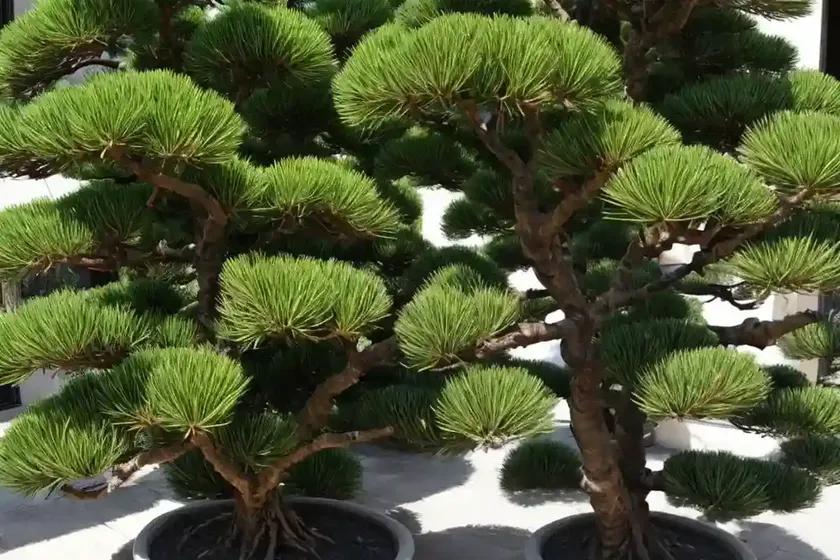
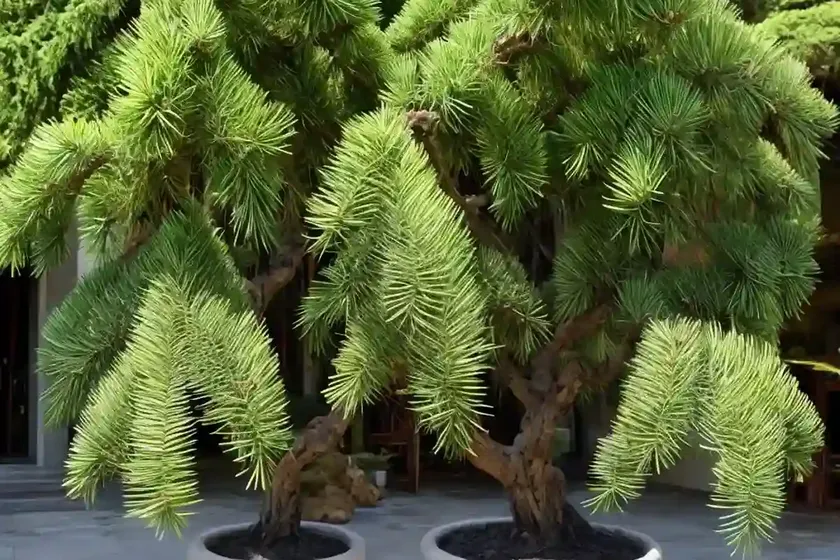
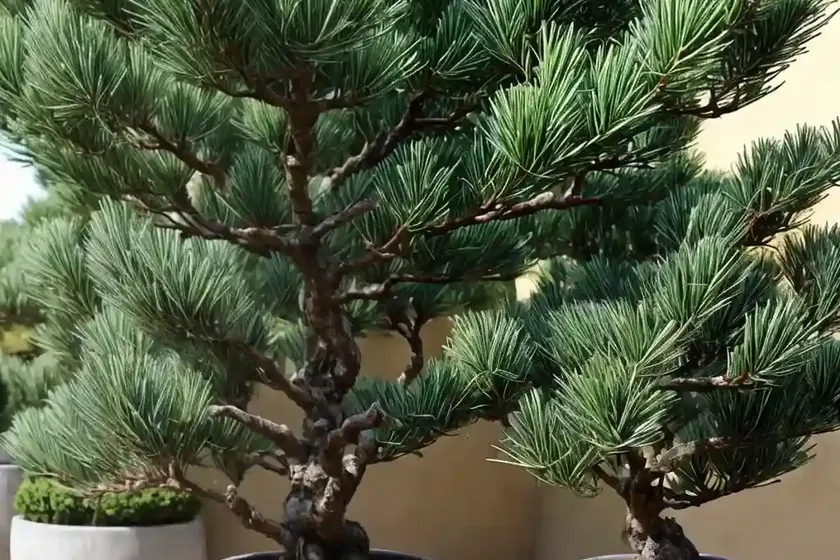
Plants have always captivated the minds and hearts of individuals throughout history. Their presence not only adds aesthetic appeal to our surroundings but also plays a crucial role in providing numerous environmental and health benefits. One such fascinating plant that has garnered attention across the globe is the Buddhist Pine, scientifically known as Podacarpus Macrophyllus. This evergreen conifer is cherished for its ornamental value, cultural significance, and versatility in both indoor and outdoor settings.
In this comprehensive guide, we will delve into the captivating world of the Buddhist Pine, exploring its key characteristics, optimal care tips, cultural uses, propagation methods, common diseases, and much more. Whether you are an avid gardener, a plant enthusiast, or someone seeking to incorporate this magnificent plant into your living spaces, this guide aims to equip you with valuable insights and knowledge.
So, without further ado, let’s embark on an enlightening journey into the realm of the Buddhist Pine.
What is the Buddhist Pine (Podacarpus Macrophyllus)?
The Buddhist Pine, or Podacarpus Macrophyllus, is a species of coniferous evergreen tree belonging to the Podocarpaceae family. It is indigenous to several regions across Asia, including China, Japan, and Vietnam. This distinctive plant is characterized by its dense, glossy foliage, which adorns its gracefully drooping branches, creating an exquisite visual spectacle. The name “Buddhist Pine” is attributed to the fact that in East Asia, this revered plant has been historically planted near temples and sacred sites, signifying endurance, longevity, and purity.
Key Characteristics of Buddhist Pine (Podacarpus Macrophyllus)
Before diving into the diverse aspects of caring for the Buddhist Pine, it is essential to understand its fundamental characteristics. Below are the key characteristics of Podacarpus Macrophyllus:
- Scientific Name: Podacarpus Macrophyllus
- Plant Type: Evergreen coniferous tree
- Foliage: Glossy, leathery, dark green leaves arranged spirally, or in clusters
- Growth Habit: Upright and symmetrical when young, becoming more irregular with age
- Mature Height: Can attain a height of 20-40 feet (6-12 meters) under optimal conditions
- Flowers and Fruits: Insignificant flowers, followed by small, fleshy, olive-like fruits
- Cultural Significance: Highly revered in Buddhist and Asian cultures for its symbolic and spiritual significance
Now that we have familiarized ourselves with the fundamental attributes of the Buddhist Pine, let’s delve into the various aspects of its care and cultivation.
Cultivation and Care of Buddhist Pine (Podacarpus Macrophyllus)
The successful cultivation of the Buddhist Pine relies on providing it with the ideal growing conditions, including adequate sunlight, water, soil, and regular maintenance. Understanding and implementing these essential care practices is vital for fostering healthy growth and ensuring the plant thrives in its environment. In the subsequent sections, we will explore in detail the various facets of tending to Podacarpus Macrophyllus, covering aspects such as watering, sunlight requirements, optimal soil conditions, pruning techniques, propagation methods, and more.
1. Sunlight Requirements for Buddhist Pine
Buddhist Pine (Podacarpus Macrophyllus) exhibits a preference for partial to full sunlight, making it well-suited for outdoor cultivation in locations that receive adequate sunlight. When grown indoors, it should be placed near a bright, sunlit window that allows for sufficient exposure to natural light. Ensuring that the plant receives the right amount of sunlight is crucial for promoting healthy growth and maintaining its vibrant foliage.
Sunlight Requirements Summary
- Outdoor Cultivation: Partial to full sunlight
- Indoor Cultivation: Bright, sunlit environment near a window
2. Watering Schedule for Buddhist Pine
Proper watering is fundamental for the well-being of any plant, and the Buddhist Pine is no exception. While it is important to maintain a consistent watering schedule, it is equally crucial to not overwater the plant, which can lead to root rot and other moisture-related issues. Understanding the ideal watering frequency and adjusting it according to seasonal variations is imperative for nurturing a thriving Podacarpus Macrophyllus.
Watering Schedule Summary
- Frequency: Regular, moderate watering when the top inch of soil feels dry
- Seasonal Variations: Adjust watering frequency based on the plant’s moisture needs during different seasons
3. Soil Requirements for Buddhist Pine
The soil composition can significantly impact the growth and health of the Buddhist Pine. It thrives in well-draining, slightly acidic to neutral soil with good fertility. Choosing the right soil type and providing appropriate amendments can create an environment conducive to the optimal development of Podacarpus Macrophyllus.
Soil Requirements Summary
- Type: Well-draining, slightly acidic to neutral soil
- Amendments: Incorporate organic matter for improved fertility and drainage
4. Fertilization for Buddhist Pine
Supplemental fertilization can be beneficial for enhancing the growth and vigor of Buddhist Pine (Podacarpus Macrophyllus). Applying a balanced, slow-release fertilizer formulated for acid-loving plants during the growing season can provide the necessary nutrients for robust growth and vibrant foliage.
Fertilization Summary
- Type: Balanced, slow-release fertilizer for acid-loving plants
- Application: During the growing season as per the manufacturer’s recommendations
5. Pruning Techniques for Buddhist Pine
Pruning is an essential aspect of maintaining the desired shape and size of the Buddhist Pine, especially when cultivated as a hedge or ornamental topiary. Additionally, periodic pruning helps remove damaged or diseased branches, promotes airflow within the canopy, and encourages new growth. Implementing proper pruning techniques is critical for the overall aesthetic appeal and health of Podacarpus Macrophyllus.
Pruning Techniques Summary
- Timing: Perform pruning during the dormant season or early spring
- Objectives: Shaping, removing dead/diseased branches, promoting new growth
6. Propagation Methods for Buddhist Pine
For those interested in propagating the Buddhist Pine, learning about the various propagation methods is essential. While it can be propagated from seeds, the more common and reliable methods include stem cuttings and air layering. Understanding the propagation techniques and choosing the most suitable method can contribute to successful propagation and the expansion of Podacarpus Macrophyllus in your garden or indoor setting.
Propagation Methods Summary
- Common Methods: Stem cuttings, air layering
- Timing: Optimal propagation time during the growing season
We are only at the beginning of our journey to unravel the nuances of nurturing the captivating Buddhist Pine (Podacarpus Macrophyllus). In the subsequent sections, we will explore the cultural uses of this revered plant, its popularity in container gardening, common diseases, and pest management strategies, among other vital aspects. Stay tuned as we navigate through the depths of knowledge surrounding this remarkable plant.
Cultural Uses of the Buddhist Pine (Podacarpus Macrophyllus)
The Buddhist Pine holds a significant place in various cultures, owing to its symbolic, spiritual, and ornamental value. Its association with longevity, endurance, and purity has led to its widespread use in traditional practices, celebrations, and landscaping. Understanding the cultural significance and uses of Podacarpus Macrophyllus can foster a deeper appreciation for its presence in gardens, temples, and urban landscapes.
Buddhist and Asian Culture
In Buddhist and East Asian traditions, the Buddhist Pine is revered for its symbolic representation of steadfastness, resilience, and longevity. It is often planted near temples, monasteries, and sacred sites, serving as a tangible embodiment of spiritual principles. The presence of Podacarpus Macrophyllus in these settings reflects its role as a powerful cultural symbol that transcends mere ornamental use.
Ornamental Landscaping
Beyond its cultural significance, the Buddhist Pine is cherished for its exquisite ornamental qualities. Its dense, dark green foliage, graceful growth habit, and adaptability make it a favored choice for landscaping in both traditional and contemporary settings. From ornamental hedges to topiary forms, the versatility of Podacarpus Macrophyllus lends itself to diverse landscaping applications, adding a touch of elegance to gardens, parks, and urban spaces.
Symbolism and Representation
The enduring symbolism associated with Buddhist Pine (Podacarpus Macrophyllus) extends to themes of resilience, hope, and continuity, making it a popular choice for commemorating significant events, expressing cultural identity, and celebrating personal milestones. The plant’s presence in ceremonial displays, seasonal ornamentation, and cultural festivities underscores its role as a potent symbol of natural beauty and timeless significance.
Buddhist Pine (Podacarpus Macrophyllus) in Container Gardening
The adaptability and compact nature of the Buddhist Pine make it well-suited for container gardening, offering an array of creative possibilities for enhancing indoor and outdoor spaces. Cultivating Podacarpus Macrophyllus in containers allows for greater flexibility in placement, urban gardening, and ornamental arrangements, making it an attractive choice for plant enthusiasts and urban dwellers alike.
Container Cultivation Techniques
When cultivating the Buddhist Pine in containers, it is essential to consider factors such as soil selection, container size, and placement to ensure optimal growth and health. Choosing the right container, providing adequate soil amendments, and employing proper maintenance practices are crucial for nurturing a thriving Podacarpus Macrophyllus in a contained environment.
Container Selection:
- Size: Choose a container that provides ample room for root development and stability
- Drainage: Ensure the container has adequate drainage holes to prevent waterlogging
Soil and Amendments:
- Composition: Use well-draining potting mix formulated for evergreen plants
- Fertility: Incorporate organic matter to improve soil fertility and structure
Placement and Maintenance:
- Sunlight: Position the container in a location that receives sufficient sunlight
- Watering: Maintain a consistent watering schedule and monitor soil moisture levels
- Repotting: Periodically repot the plant to refresh the soil and accommodate root growth
Popularity of Buddhist Pine in Container Gardening
The appeal of cultivating the Buddhist Pine in containers lies in its adaptability, aesthetic charm, and suitability for various indoor and outdoor environments. Its versatility in container gardening extends to applications such as balcony gardens, patio displays, and interior décor, making Podacarpus Macrophyllus a favored choice for individuals seeking to integrate natural elements into their living spaces.
Botanist’s Tips for Container Cultivation
To ensure successful container cultivation of the Buddhist Pine, it is important to heed the following tips and recommendations:
- Watering: Maintain consistent soil moisture without overwatering
- Sunlight: Provide adequate sunlight exposure for vigorous growth and foliage development
- Pruning: Regularly prune to maintain shape and control growth in a limited container space
- Fertilization: Apply a balanced, slow-release fertilizer during the growing season as per the plant’s needs
Ornamental Applications and Creative Designs
Cultivating Buddhist Pine (Podacarpus Macrophyllus) in containers offers a canvas for artistic and ornamental expression. From sculptural topiaries to minimalist arrangements, the plant’s adaptability and aesthetic appeal make it an ideal choice for creating captivating designs and focal points in both indoor and outdoor settings. Whether as a standalone specimen or as part of a larger composition, the versatility of Podacarpus Macrophyllus in containers allows for boundless creativity in ornamental horticulture.
We have only scratched the surface of the myriad possibilities and techniques associated with growing the alluring Buddhist Pine (Podacarpus Macrophyllus) in container settings. As we venture further, we will uncover essential insights into the diagnosis and treatment of common diseases, pest management strategies, and fascinating fun facts about this revered plant. Stay tuned for an enriching exploration of the captivating world of the Buddhist Pine.


