Gardenia (Gardenia Jasminoides)
Gardenia (Gardenia jasminoides) is a beloved and popular plant known for its mesmerizing fragrance, lustrous foliage, and delicate, creamy-white flowers..
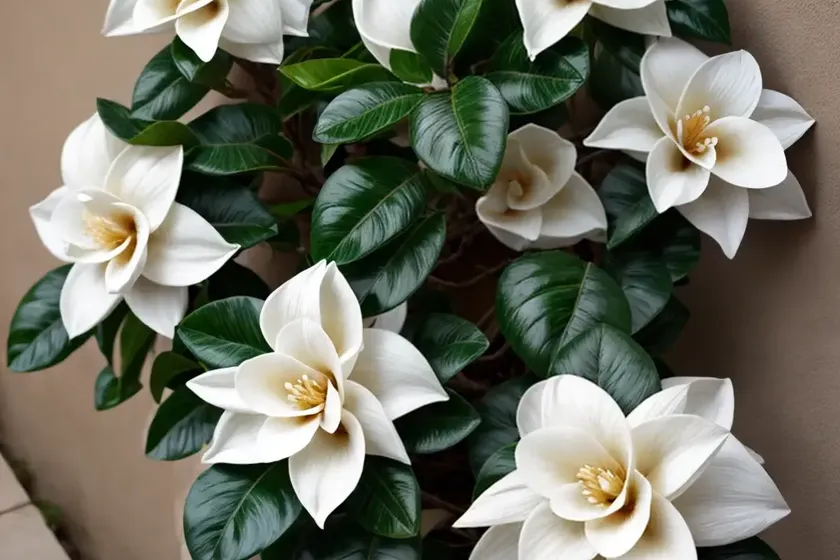
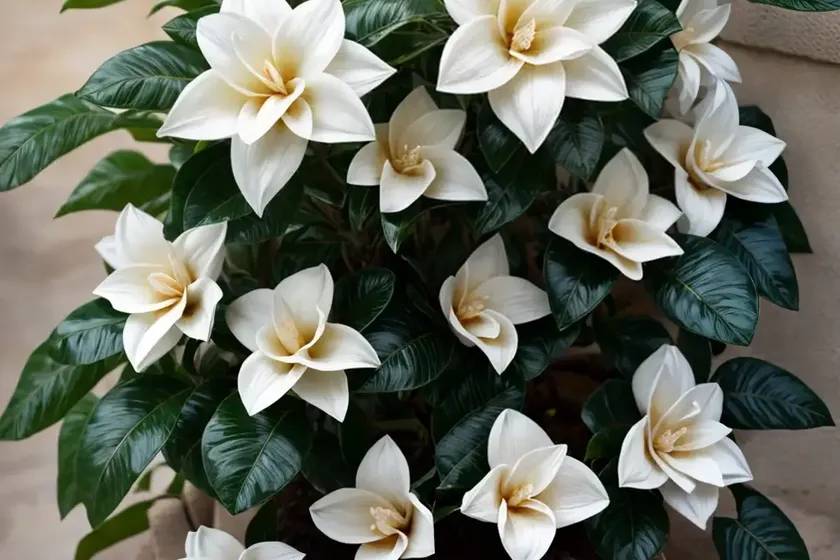
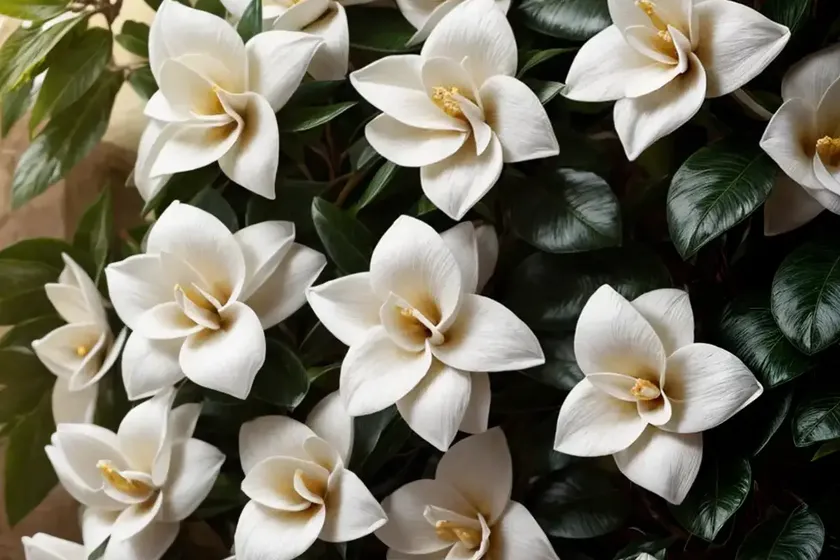
Gardenia (Gardenia jasminoides) is a beloved and popular plant known for its mesmerizing fragrance, lustrous foliage, and delicate, creamy-white flowers. As a plant enthusiast or someone looking to enhance their green thumb, understanding the intricate details of caring for this beautiful plant can be a rewarding and enriching experience.
In this comprehensive guide, we will delve into the fascinating world of Gardenia jasminoides, exploring its characteristics, cultivation tips, common uses, and maintenance practices. From understanding the ideal growing conditions to learning about potential diseases and remedies, this guide aims to equip you with the knowledge and insights needed to cultivate thriving, vibrant Gardenia plants. So, let’s embark on this botanical journey and unlock the secrets of Gardenia care and cultivation.
What is Gardenia (Gardenia jasminoides)?
Gardenia jasminoides, commonly known as Gardenia, Cape Jasmine, or Common Gardenia, is a flowering evergreen shrub belonging to the family Rubiaceae. Originating from Asia, Gardenia is prized for its enchanting, fragrant blooms and glossy, dark green foliage. This plant is renowned for its ornamental value, often adorning gardens, landscapes, and indoor spaces with its captivating beauty and alluring scent.
Key Takeaways – Gardenia (Gardenia jasminoides)
Before delving into the specific aspects of Gardenia care and cultivation, let’s highlight some key takeaways about this remarkable plant:
- Scientific Name: Gardenia jasminoides
- Common Names: Gardenia, Cape Jasmine, Common Gardenia
- Plant Type: Flowering evergreen shrub
- Notable Features: Fragrant, creamy-white flowers, glossy green leaves
- Uses: Ornamental, fragrance, indoor and outdoor landscaping
- Cultural Significance: Symbolism in various cultures, including weddings and traditional healing practices
Now that we have an overview of Gardenia jasminoides, let’s explore the essential aspects of its cultivation and care.
Culture
Water
Proper watering is crucial for the health and vitality of Gardenia plants. These plants thrive in consistently moist, well-drained soil. However, it’s important to avoid overwatering, as excessive moisture can lead to root rot and other complications.
- Established Plants: Water deeply once or twice a week, allowing the soil to dry slightly between waterings.
- Potted Gardenias: Check the soil moisture regularly and water when the top inch of the soil feels dry to the touch.
Sunlight
Gardenias prefer bright, indirect light or partial shade. In their natural habitats, they thrive under the dappled shade of trees. When growing Gardenias indoors, placing them near east or north-facing windows can provide the ideal light conditions.
- Indoor Gardenias: Ensure they receive adequate sunlight, but avoid exposing them to direct, intense sunlight, especially during the hottest part of the day.
For outdoor gardenias, a semi-shaded location with protection from harsh afternoon sun is optimal.
Fertilizer
Proper fertilization is essential for promoting lush foliage and bountiful blooms in Gardenia plants. Using a balanced, acidic fertilizer formulated for acid-loving plants is recommended. A fertilizer with a higher nitrogen content can support healthy leaf growth, while a balanced NPK (nitrogen, phosphorus, potassium) ratio will aid in robust flower production.
- Fertilizing Schedule: Feed gardenias every 4-6 weeks during the growing season, typically from spring to early fall.
- Avoid Over-Fertilizing: While regular feeding is beneficial, over-fertilizing can lead to salt build-up and nutrient imbalances. Follow the recommended dosage and application instructions on the fertilizer label.
Soil
Gardenias thrive in well-draining, acidic soil with a pH range of 5.0 to 6.0. Amending the soil with organic matter such as peat moss, compost, or pine bark can improve its texture and acidity.
- Soil Composition: Optimal soil for Gardenias should be loamy and rich in organic matter, promoting both moisture retention and adequate drainage.
Pruning
Proper pruning is essential for maintaining the shape, health, and vigor of Gardenia plants. Pruning can also encourage branching and promote better air circulation within the canopy, reducing the risk of disease.
- Timing: Prune Gardenias in late spring or early summer after the blooming period to avoid removing potential flower buds.
- Pruning Techniques: Remove dead or diseased branches, shape the plant as desired, and selectively prune to encourage new growth.
When pruning, use clean, sharp pruning shears to make precise cuts without causing unnecessary damage to the plant.
Propagation
While Gardenias can be propagated from seed, this method is relatively slow and unpredictable. Instead, gardeners often use vegetative propagation techniques such as stem cuttings to create new plants with the exact traits of the parent plant.
- Propagation from Cuttings: Take 4-6 inch stem cuttings from healthy, non-flowering shoots, and remove the lower leaves.
- Rooting Medium: Place the cuttings in a well-draining rooting medium such as a mix of peat and perlite, and provide bottom heat to encourage root development.
- Moisture and Humidity: Maintain consistent moisture and high humidity around the cuttings during the rooting process.
With proper care and attention, Gardenia cuttings can develop strong root systems and grow into mature, flowering plants.
Container Popularity
Gardenias are prized for their suitability as container plants, allowing enthusiasts to bring their captivating beauty and fragrance to patios, balconies, and indoor spaces.
- Container Considerations: Choose a sizeable container with drainage holes to accommodate the robust root system of Gardenia plants.
- Potting Mix: Use an acidic, well-draining potting mix designed for acid-loving plants.
Container-grown Gardenias provide the flexibility to control soil conditions, light exposure, and temperature, making them a versatile choice for various settings.
Common Diseases
Despite their allure, Gardenia plants are susceptible to certain diseases and pests. Understanding common ailments and their prevention can help maintain the health and vitality of these ornamental shrubs.
Disease Diagnosis
Some prevalent diseases that can affect Gardenias include:
- Root Rot: Caused by overly moist or waterlogged soil, leading to the decay of the root system.
- Leaf Spot: Characterized by the development of dark, circular lesions on the leaves, often caused by fungal pathogens in humid conditions.
- Powdery Mildew: A fungal infection manifesting as powdery, white patches on the leaves, stems, and buds.
Timely diagnosis and appropriate intervention can mitigate the impact of these diseases and prevent their spread. Proper cultural practices, such as adequate watering and air circulation, are key in disease prevention.
Common Pests
Several pests can pose a threat to Gardenia plants, compromising their health and aesthetic appeal. Vigilance and proactive measures are essential for pest management and prevention.
Gardenia Plant Pests
- Aphids: Small, sap-sucking insects that can distort new growth and excrete honeydew, leading to sooty mold development.
- Scale Insects: Armored or soft-bodied insects that attach to the stems and leaves, draining the plant’s vital juices.
- Whiteflies: Tiny, white insects that congregate on the undersides of leaves, causing yellowing and weakening of the plant.
Natural predators, such as ladybugs and lacewings, can help control certain pest populations. Additionally, non-toxic treatments like insecticidal soaps and neem oil can provide effective pest management solutions.
Botanist’s Tips
As a plant scientist with a passion for Gardenias, here are some expert tips to help you cultivate thriving and flourishing Gardenia plants:
- Maintain Adequate Moisture: Balanced soil moisture is essential for Gardenias. Avoid both drought stress and overwatering to promote healthy growth.
- Monitor Indoor Conditions: For indoor Gardenias, closely monitor temperature, humidity, and light levels to create an environment that mimics their natural habitat.
- Prune with Precision: When pruning Gardenias, aim for clean, angled cuts to facilitate healing and minimize the risk of disease entry.
- Integrated Pest Management: Embrace holistic pest management approaches, combining natural controls, cultural practices, and targeted treatments for pest control.
- Embrace Patience: Cultivating thriving Gardenias requires patience and attentiveness. Observe and respond to the needs of your plants as they grow and develop.
Fun Facts
Let’s unravel some intriguing and captivating facts about Gardenia (Gardenia jasminoides) that showcase the enchanting allure of this distinctive plant:
- Fragrance Significance: Gardenia’s intoxicating fragrance has long been revered in traditional healing practices and aromatherapy for its calming and stress-relieving properties.
- Symbolic Meaning: In cultures around the world, Gardenias are often associated with purity, love, and refinement, making them cherished blooms for wedding bouquets and symbolic gifts.
- Artistic Inspiration: The exquisite beauty and timeless elegance of Gardenias have inspired artists, poets, and writers, featuring prominently in art, literature, and cultural symbolism.
Links to External Resources
For additional insights and information on Gardenia care, cultivation, and botanical significance, explore the following external resources:
- The American Horticultural Society: Growing Gardenias
- Royal Horticultural Society: Gardenia Care Guide
- University of Florida IFAS Extension: Gardenia Plant Care
Conclusion
Gardenia (Gardenia jasminoides) stands as a captivating and cherished addition to any garden, landscape, or indoor setting. With its lush foliage, enchanting blooms, and rich historical and cultural significance, the Gardenia plant offers a delightful combination of ornamental beauty and sensory allure.
By understanding the nuanced requirements of Gardenia care and cultivation, enthusiasts and gardeners can cultivate thriving, resilient Gardenia plants that grace their surroundings with their timeless elegance and intoxicating fragrance. Whether you’re embarking on your gardening journey or seeking to expand your botanical horizons, the captivating world of Gardenia jasminoides invites you to immerse yourself in its enchanting charm and discover the joy of cultivating these remarkable plants.


