Gardenia Jasminoides Celestial Star (Cape Jasmine)
Gardenia jasminoides Celestial Star, commonly known as Cape Jasmine, is an exquisitely fragrant and visually appealing plant. Its glossy, dark green.
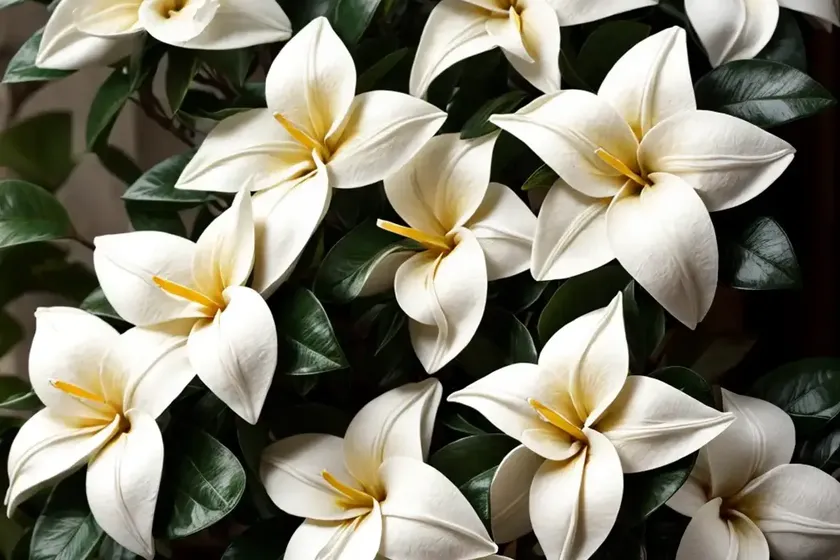
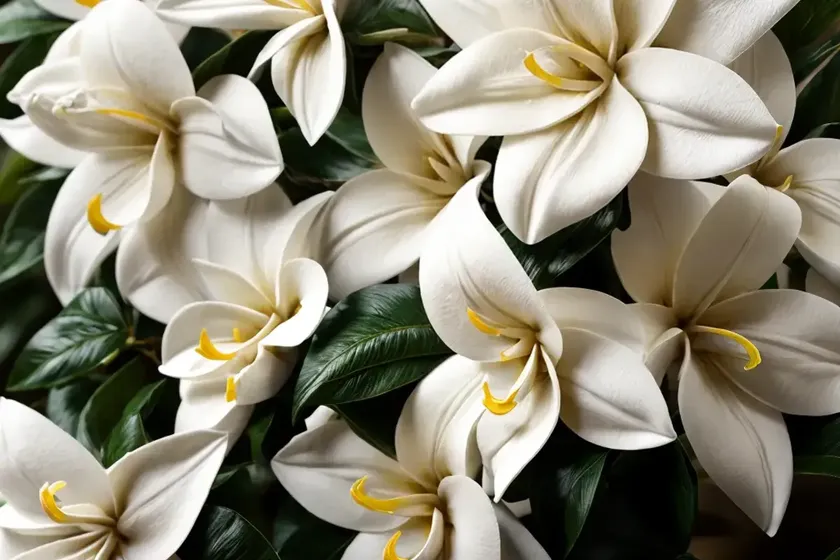
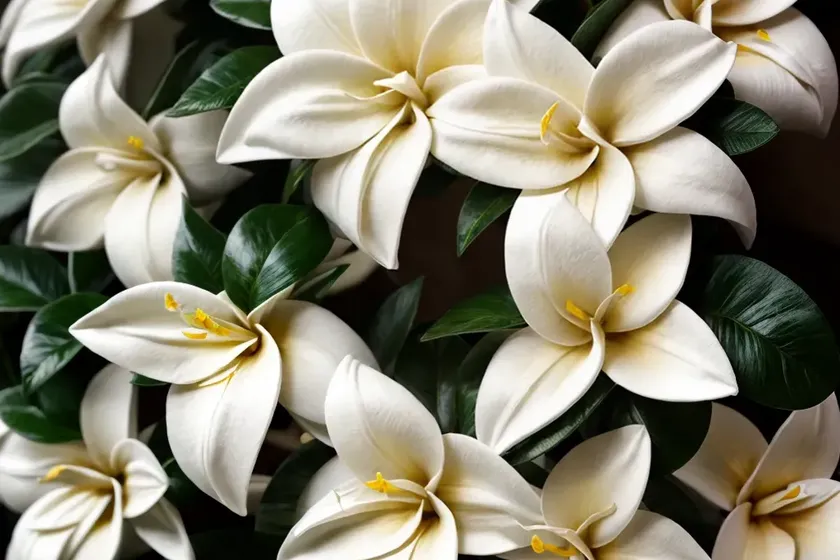
Gardenia jasminoides Celestial Star, commonly known as Cape Jasmine, is an exquisitely fragrant and visually appealing plant. Its glossy, dark green foliage and creamy-white, waxy, and highly aromatic blooms make it a cherished addition to gardens and indoor spaces. This comprehensive guide will delve into the intricacies of Gardenia jasminoides Celestial Star care, providing detailed insights on aspects such as culture, uses, water requirements, sunlight preferences, fertilizer needs, soil considerations, pruning techniques, propagation methods, container gardening, common diseases, pest management, fun facts, and much more.
What is Gardenia jasminoides Celestial Star (Cape Jasmine)?
Gardenia jasminoides, commonly referred to as Cape Jasmine, is a species of flowering plant in the family Rubiaceae. The ‘Celestial Star’ variety is particularly renowned for its compact growth habit, making it suitable for container planting and small gardens. Its enchanting flowers exude a captivating fragrance, adding a touch of elegance to the surroundings. The glossy foliage further enhances its ornamental appeal, making it a desirable choice for both indoor and outdoor cultivation.
Key Takeaways
Before delving into the specifics of Gardenia jasminoides Celestial Star care, let’s outline the key takeaways for easy reference:
- Culture: Understanding the cultural requirements of Cape Jasmine is crucial for its optimal growth and blooming.
- Uses: Explore the versatile uses of Gardenia jasminoides Celestial Star, ranging from ornamental purposes to aromatherapy.
- Water: Proper watering is essential to maintain the health and vigor of Cape Jasmine plants.
- Sunlight: Adequate sunlight is pivotal for the growth and flowering of Gardenia jasminoides Celestial Star.
- Fertilizer: Selecting appropriate fertilizers and understanding the fertilization schedule is essential for nourishing Cape Jasmine plants.
- Soil: The right soil composition plays a significant role in the overall health and development of Gardenia jasminoides Celestial Star.
- Pruning: Mastering the art of pruning ensures the maintenance of a desirable shape and encourages prolific flowering.
- Propagation: Knowing various propagation techniques facilitates the expansion of Cape Jasmine plant collection.
- Container Popularity: Cape Jasmine’s suitability for container gardening makes it an ideal choice for compact spaces.
- Common Diseases: Identifying and addressing common diseases is instrumental in preserving the vigor of Gardenia jasminoides Celestial Star.
- Common Pests: Vigilant pest management is crucial for protecting Cape Jasmine plants from potential infestations.
- Botanist’s Tips: Benefit from expert tips and tricks for successful Gardenia jasminoides Celestial Star cultivation.
- Fun Facts: Uncover intriguing and lesser-known facts about Cape Jasmine, enriching your understanding of this captivating plant.
Now, let’s delve into each of these aspects in detail to gain a comprehensive understanding of Gardenia jasminoides Celestial Star care.
Culture
Understanding the cultural requirements of Gardenia jasminoides Celestial Star is key to fostering its overall health and promoting abundant blooming. Consider the following cultural nuances for optimal Cape Jasmine cultivation:
- Temperature: Cape Jasmine thrives in average room temperatures ranging from 65°F to 70°F (18°C to 21°C) during the day and slightly cooler temperatures at night. Avoid exposing the plant to sudden temperature fluctuations.
- Humidity: Maintaining a humid environment is essential for the well-being of Gardenia jasminoides Celestial Star. Consider using a humidifier or placing the plant on a pebble tray filled with water to elevate humidity levels.
- Air Circulation: Ensure adequate air circulation around the plant while avoiding drafts, particularly during the winter months.
- Pruning: Regular pruning not only shapes the plant but also encourages new growth and flowering. Pruning should ideally be conducted after the blooming period to prevent disruption of the next season’s flower buds.
- Fertilization: Employ a balanced fertilizer formulated specifically for acid-loving plants. Refrain from over-fertilizing, as it can lead to salt accumulation in the soil, adversely affecting the plant’s health.
By adhering to these cultural practices, you can create an environment conducive to the flourishing of Gardenia jasminoides Celestial Star.
Uses
Gardenia jasminoides Celestial Star holds diverse uses, extending beyond its ornamental and aesthetic appeal. Consider the following applications of Cape Jasmine:
- Ornamental Purposes: With its captivating flowers and glossy foliage, Cape Jasmine serves as a stunning ornamental addition to gardens, patios, and indoor spaces.
- Aromatherapy: The intensely fragrant blooms of Gardenia jasminoides Celestial Star are often utilized in aromatherapy and the production of scented oils and perfumes.
- Decorative Crafts: The fresh or dried blooms of Cape Jasmine can be incorporated into decorative crafts, including floral arrangements and wreaths, adding a touch of natural elegance to home decor.
Explore these diverse uses to harness the full potential of Gardenia jasminoides Celestial Star.
Water
A crucial aspect of Cape Jasmine care revolves around maintaining appropriate moisture levels to ensure the plant’s vigor and blooming. Consider the following watering tips to optimize the health of Gardenia jasminoides Celestial Star:
- Consistent Moisture: Cape Jasmine plants thrive in consistently moist but not waterlogged soil. Allow the soil to dry slightly between watering intervals to prevent waterlogging, which can lead to root rot.
- Avoid Overhead Watering: Minimize overhead watering, as wet foliage can make the plant susceptible to fungal diseases. Instead, focus on watering the soil around the plant’s base to deliver moisture directly to the roots.
- Water Quality: Employ lukewarm or room temperature water to avoid shocking the plant. Additionally, consider using distilled or rainwater to circumvent potential salt accumulation in the soil from tap water.
By adhering to these watering guidelines, you can ensure the optimal moisture levels required for the flourishing of Gardenia jasminoides Celestial Star.
Sunlight
Proper exposure to sunlight is pivotal for the growth and flowering of Gardenia jasminoides Celestial Star. Understanding the sunlight requirements of Cape Jasmine aids in providing the ideal growing conditions. Consider the following sunlight preferences:
- Bright, Indirect Light: Cape Jasmine thrives in bright, indirect light. Position the plant near a south- or west-facing window to provide it with the ample brightness it requires, while shielding it from direct sunlight to prevent leaf burn.
- Limited Exposure to Direct Sunlight: While Gardenia jasminoides Celestial Star necessitates bright light, excessive exposure to direct sunlight can scorch the foliage. Employ sheer curtains or blinds to filter intense sunlight if necessary.
By catering to these sunlight preferences, you can optimize the growing conditions for Gardenia jasminoides Celestial Star.
Fertilizer
Selecting the appropriate fertilizers and devising a suitable fertilization schedule are crucial components of Cape Jasmine care. Consider the following fertilizer recommendations and fertilization guidelines for Gardenia jasminoides Celestial Star:
- Acid-Loving Plant Fertilizer: Utilize a balanced, acid-loving plant fertilizer with a formula specifically designed for plants such as azaleas, camellias, and rhododendrons. This specialized fertilizer caters to the unique nutritional requirements of Gardenia jasminoides Celestial Star.
- Frequency: Fertilize Cape Jasmine during the active growing season, typically from spring to early autumn. Refrain from fertilizing during the dormant winter months.
- Dilution: Dilute the fertilizer to half the strength recommended on the label to prevent over-fertilization, which can harm the plant’s delicate roots.
Adhering to these fertilizer recommendations and guidelines ensures the provision of essential nutrients for the robust growth and blooming of Gardenia jasminoides Celestial Star.
Soil
The soil composition plays a pivotal role in the overall health and development of Gardenia jasminoides Celestial Star. Understanding the best soil for Cape Jasmine facilitates the provision of an optimal growing medium. Consider the following soil considerations for Cape Jasmine:
- Acidic Soil: Cape Jasmine thrives in well-draining, acidic soil with a pH ranging from 5.0 to 6.0. Implement measures to enhance soil acidity if necessary, such as incorporating peat moss or using acidic fertilizers.
- Organic Matter: Enrich the soil with organic matter, such as compost or well-decomposed pine bark, to bolster its moisture-retention capacity and nutrient content.
- Soil Structure: Employ a loose, well-aerated soil structure to facilitate optimal root growth and prevent waterlogging, which can lead to root rot.
By tailoring the soil composition to cater to the unique preferences of Gardenia jasminoides Celestial Star, you can create an ideal growing environment for the plant.
Pruning
Mastering the art of pruning is essential for maintaining the desired shape and promoting prolific blooming in Gardenia jasminoides Celestial Star. Consider the following pruning techniques and guidelines for Cape Jasmine:
- Post-Blooming Pruning: To prevent interference with the next season’s flower buds, conduct pruning immediately after the blooming period.
- Selective Pruning: Employ selective pruning to remove spent blooms and shape the plant, focusing on cutting back to just above a leaf node to encourage prolific branching and new growth.
- Sanitization: Utilize clean, sharp pruning shears to make precise cuts, minimizing the risk of introducing pathogens to the plant.
By embracing these pruning techniques, you can nurture a well-shaped and abundant-blooming Gardenia jasminoides Celestial Star.
Propagation
Understanding various propagation methods facilitates the expansion of Gardenia jasminoides Celestial Star plant collection. Consider the following propagation techniques for Cape Jasmine:
- Stem Cuttings: Propagate Cape Jasmine from semi-hardwood stem cuttings taken during the active growing season. Ensure the cuttings are approximately 3 to 4 inches long and exhibit healthy growth.
- Rooting Medium: Place the stem cuttings in a well-draining rooting medium, such as a mix of perlite and peat, and maintain consistent moisture levels to encourage root development.
- Environmental Conditions: Provide a warm, humid environment to support the successful rooting of stem cuttings, potentially utilizing a propagation dome or misting to elevate humidity levels.
By embracing these propagation methods, you can multiply Gardenia jasminoides Celestial Star plants to expand your collection or share them with fellow gardening enthusiasts.
Container Popularity
Cape Jasmine’s suitability for container gardening makes it an ideal choice for compact spaces, patios, and indoor cultivation. Consider the following insights regarding Cape Jasmine container gardening:
- Selecting a Container: Opt for a well-draining container with ample drainage holes to prevent waterlogging. Choose a container that allows for at least 2 to 3 inches of space around the plant’s root ball to accommodate root growth.
- Potting Mix: Utilize an acidic potting mix specifically formulated for acid-loving plants, or create a custom mix by blending regular potting soil with peat moss and pine bark.
- Placement: Position the container in a location that receives bright, indirect light, shielding the plant from intense direct sunlight to prevent leaf burn.
By embracing Cape Jasmine container gardening, you can incorporate the captivating beauty and fragrance of Gardenia jasminoides Celestial Star into diverse indoor and outdoor settings.
Common Diseases
Identifying and addressing common diseases is instrumental in preserving the vigor and health of Gardenia jasminoides Celestial Star. Consider the following common diseases and potential disease management strategies for Cape Jasmine:
- Leaf Spot: Characterized by the appearance of brown or black spots on the foliage, leaf spot can be managed by enhancing air circulation, avoiding overhead watering, and removing affected leaves to prevent the spread of the disease.
- Root Rot: Often caused by overwatering and waterlogging, root rot can be mitigated by adjusting the watering regimen to maintain slightly moist but not waterlogged soil. Additionally, consider repotting the plant in well-draining soil to improve root health.
Vigilance and prompt intervention are pivotal in combating common diseases and preserving the vitality of Gardenia jasminoides Celestial Star.
Disease Diagnosis
Accurate diagnosis of diseases affecting Gardenia jasminoides Celestial Star is essential for implementing targeted remedial measures. Consider the following diagnostic indicators for common Cape Jasmine diseases:
- Leaf Afflictions: Carefully observe the foliage for the presence of spots, discoloration, or abnormal patterns, potentially indicating diseases such as leaf spot or fungal infections.
- Root Health: Gently inspect the roots for signs of mushiness, foul odors, or discoloration, which may signal the onset of root rot due to overwatering.
By closely monitoring the plant and deciphering potential disease indicators, you can swiftly diagnose and address issues to preserve the health of Gardenia jasminoides Celestial Star.
Common Pests
Vigilant pest management is crucial for safeguarding Gardenia jasminoides Celestial Star against potential infestations. Consider the following common pests and potential pest control strategies for Cape Jasmine:
- Aphids: Carrying out regular inspections and employing insecticidal soaps or horticultural oils can effectively mitigate aphid infestations, preventing damage to the plant.
- Mealybugs: Thoroughly inspect the plant for the presence of mealybugs, particularly in concealed locations such as leaf axils and shoot tips, and implement targeted control measures utilizing insecticidal treatments.
By remaining attentive and implementing timely interventions, you can protect Gardenia jasminoides Celestial Star from detrimental pest infestations.
Botanist’s Tips
Benefit from expert tips and insights to enhance your approach to successful Cape Jasmine cultivation. Consider the following botanist’s tips for effectively caring for Gardenia jasminoides Celestial Star:
- Temperature Moderation: Avoid exposing Cape Jasmine to abrupt temperature fluctuations, particularly during the winter months, to prevent stress and potential damage to the plant.
- Humidity Management: Implement measures to elevate humidity levels, such as employing a humidifier or utilizing a pebble tray filled with water, to create an optimal environment for Gardenia jasminoides Celestial Star.
By integrating these botanist’s tips into your Cape Jasmine care regimen, you can optimize the plant’s growing conditions and ensure its continued health and vitality.
Fun Facts
Uncover intriguing and lesser-known facts about Gardenia jasminoides Celestial Star, enriching your understanding of this captivating plant. Consider the following fun facts about Cape Jasmine:
- Symbolism: Cape Jasmine is often associated with love, purity, and eternal beauty, making it a popular choice for wedding bouquets and ceremonial decorations.
- Medicinal Uses: In traditional medicine, certain parts of Gardenia jasminoides are utilized for their potential medicinal properties, exhibiting anti-inflammatory and antioxidant attributes.
By immersing yourself in these fun facts, you can deepen your appreciation for the captivating allure and diverse attributes of Gardenia jasminoides Celestial Star.
Links to External Resources
To further enrich your knowledge and facilitate successful Cape Jasmine cultivation, consider exploring the following external resources:
- Royal Horticultural Society – Gardenia jasminoides Plant Care
- University of Florida IFAS Extension – Gardenia jasminoides Growing Guide
- Mississippi State University Extension – Growing Gardenias in Mississippi
By leveraging these external resources, you can access a wealth of information and expert guidance to enhance your Cape Jasmine care practices.
In conclusion, Gardenia jasminoides Celestial Star, or Cape Jasmine, exemplifies a captivating fusion of ornamental beauty and aromatic allure. By delving into the comprehensive insights presented in this guide, encompassing aspects such as culture, water requirements, sunlight preferences, soil considerations, pruning techniques, propagation methods, container gardening, common diseases, pest management, fun facts, and external resources, you can embark on a journey of nurturing and celebrating the enchanting charisma of Gardenia jasminoides Celestial Star with confidence.
Let the captivating fragrance and visual splendor of Cape Jasmine enrich your horticultural pursuits and infuse your surroundings with natural elegance and aromatic bliss.


