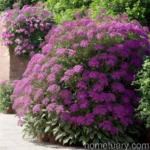
Garden Verbena (Verbena x hybrida): Cultivation, Care, and Uses
Garden verbena (Verbena x hybrida) is a popular perennial flowering plant known for its beautiful and long-lasting blooms. With a variety of flower colors and its ability to attract pollinators, this plant is a favorite among gardeners and landscaping enthusiasts. In this comprehensive guide, we will explore the cultivation, care, and various uses of garden verbena, as well as its benefits and interesting facts.
What is Garden Verbena (Verbena x hybrida)?
Garden verbena, scientifically known as Verbena x hybrida, is a hybrid plant that belongs to the family Verbenaceae. It is a cross between South American species such as Verbena canadensis and Verbena peruviana. This hybridization has resulted in a versatile and adaptable plant that is widely cultivated for its ornamental value and various applications in gardens, landscapes, and even in herbal medicine.
Key Takeaways – Garden Verbena (Verbena x hybrida)
Before we delve into the details of cultivation and care, let’s overview the key takeaways about garden verbena:
- Botanical Name: Verbena x hybrida
- Family: Verbenaceae
- Common Names: Garden Verbena, Vervain
- Growth Habit: Perennial
- Flower Colors: Various, including red, pink, purple, blue, and white
- Uses: Ornamental purposes, attracting pollinators, herbal remedies
Now, let’s explore the essential aspects of cultivating and caring for garden verbena to ensure its optimal growth and blooming.
Cultivation
When it comes to cultivating garden verbena, understanding its requirements for water, sunlight, fertilizer, soil, and pruning is crucial for its overall health and vigor. Let’s explore each of these aspects in detail.
Water
Proper watering is essential for the healthy growth and blooming of garden verbena. The plant prefers moderately moist soil, and it’s essential to maintain a balance to prevent waterlogging, which can lead to root rot. Adequate drainage is crucial to ensure that the roots do not sit in water, especially in areas with high rainfall.
Watering Tips for Garden Verbena:
– Water the plant when the top inch of the soil feels dry to the touch.
– In hot and dry climates, garden verbena may require more frequent watering to prevent dehydration.
– Water the plants in the morning to allow the foliage to dry during the day, reducing the risk of fungal diseases.
Sunlight
Garden verbena thrives in full sunlight, making it an excellent choice for sunny garden spots or containers on sunny patios. Adequate sunlight is crucial for robust growth and profuse blooming of this plant.
Sunlight Requirements:
– Plant garden verbena in a location that receives at least 6-8 hours of direct sunlight daily.
– Ensure that the plant is not shaded by taller neighboring plants, structures, or trees that may obstruct sunlight.
Fertilizer
Feeding garden verbena with a balanced fertilizer can promote healthy growth and abundant flowering. Applying fertilizer at the right time and in the correct dosage is essential to avoid overfeeding or nutrient deficiencies.
Fertilizing Tips:
– Use a balanced, water-soluble fertilizer with equal NPK (nitrogen, phosphorus, potassium) ratios.
– Feed the plant monthly during the growing season, following the instructions on the fertilizer label.
– Avoid fertilizing garden verbena during winter or when it is not actively growing.
Soil
Well-draining and nutrient-rich soil is crucial for the successful cultivation of garden verbena. The plant prefers slightly acidic to neutral soil with good aeration.
Ideal Soil Conditions:
– Plant garden verbena in loamy or sandy soil with good drainage to prevent waterlogging.
– Consider amending the soil with organic matter, such as compost, to improve its fertility and texture.
Pruning
Regular pruning is beneficial for maintaining the compact growth and promoting continuous blooming of garden verbena. Removing spent flowers and pruning leggy growth can help the plant look tidy and encourage new blooms.
Pruning Guidelines:
– Deadhead the faded flowers regularly to stimulate the production of new blooms.
– Trim back the plant in early spring to remove any winter damage and encourage fresh growth.
– Use sharp and clean pruning shears to avoid damaging the plant while pruning.
Propagation
Garden verbena can be propagated through both seeds and cuttings. Understanding the propagation methods can enable gardeners to expand their plant collection or share garden verbena with fellow enthusiasts.
Propagation Methods:
– Seeds: Collect seeds from mature flower heads and sow them in well-prepared soil in spring after the last frost. Keep the soil consistently moist until the seeds germinate.
– Cuttings: Take 4-6 inch stem cuttings from the healthy, actively growing plant. Remove the lower leaves and plant the cuttings in a well-draining rooting medium. Provide bottom heat and maintain high humidity to encourage successful rooting.
Container Popularity
Garden verbena is especially popular in container gardening due to its compact growth habit and colorful blooms, making it a versatile choice for various container designs and gardening spaces. This plant is well-suited for hanging baskets, window boxes, and mixed container plantings.
Container Common Diseases
While garden verbena is generally resistant to many diseases, certain conditions or cultural practices may lead to the development of issues such as powdery mildew, leaf spot, or root rot.
Common Diseases in Containers:
1. Powdery Mildew: This fungal disease appears as a white, powdery growth on the leaves, often caused by poor air circulation and high humidity.
2. Leaf Spot: Circular spots with dark margins can develop on the leaves due to fungal infections, leading to leaf yellowing and dropping.
3. Root Rot: Overwatering and poorly drained soil can lead to root rot, causing the plant to wilt and show signs of decline.
Disease Diagnosis
Diagnosing diseases in garden verbena is crucial for implementing targeted control measures to prevent the spread of infections and restore the plant’s health and vitality.
Diagnosis Steps:
– Visual Inspection: Examine the plant for unusual spots, discoloration, or growth on the leaves, stems, and flowers.
– Symptom Analysis: Identify the specific symptoms, such as wilting, yellowing, or deformation, to narrow down the possible causes.
– Laboratory Tests: In severe cases, consult with a plant pathologist or diagnostic lab to determine the exact pathogens affecting the plant.
Common Pests
Garden verbena is relatively resistant to pests, but certain insects like aphids, spider mites, and whiteflies may occasionally affect the plant, especially in stressed or crowded growing conditions.
Common Pests to Watch For:
1. Aphids: These small, soft-bodied insects can cluster on the new growth, causing distortion and stunted growth of the plant.
2. Spider Mites: Infestations can result in stippled, discolored foliage and fine webbing on the undersides of the leaves.
3. Whiteflies: These tiny, white insects can feed on the plant sap, leading to reduced vigor and potential virus transmission.
Botanist’s Tips
To ensure the successful cultivation and care of garden verbena, consider the following expert tips and recommendations:
- Plant garden verbena in well-draining soil and avoid overwatering to prevent root-related issues.
- Deadhead the faded flowers regularly to promote prolonged blooming and maintain the plant’s appearance.
- Monitor the plant regularly for pests and diseases, and take prompt action to control any issues to prevent damage and spread.
Fun Facts
Discover some interesting and lesser-known facts about garden verbena:
- Garden verbena is often used in traditional herbal medicine for its soothing properties and potential medicinal applications.
- Some varieties of garden verbena are renowned for their intense fragrance, attracting pollinators and garden enthusiasts alike.
- Due to its low maintenance and versatility, garden verbena is a popular choice for landscaping in both residential and commercial settings.
Now that we’ve explored the essential aspects of cultivating and caring for garden verbena, let’s delve into the various uses and applications of this versatile plant.
In the next section, we will explore the various uses of garden verbena, including its applications in herbal remedies, attracting pollinators, and its potential in container gardening and landscaping.
Stay tuned for the continuation of the blog post on garden verbena (Verbena x hybrida) and its diverse uses.
References
- Royal Horticultural Society. (n.d.). Verbena. https://www.rhs.org.uk/plants/popular/verbena
- University of Florida IFAS Extension. (2021). Verbena x hybrida. https://gardeningsolutions.ifas.ufl.edu/plants/ornamentals/verbena.html