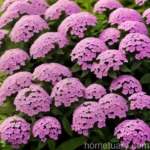
The Tall Verbena (Verbena bonariensis ‘Buenos Aires’): A Comprehensive Guide
Tall verbena, scientifically known as Verbena bonariensis ‘Buenos Aires,’ is a captivating perennial plant that adds elegance and charm to any garden setting. Characterized by its tall, slender stems and clusters of vibrant purple flowers, this plant is a favorite among gardeners and landscapers for its versatility and aesthetic appeal. In this comprehensive guide, we will delve into the cultivation, uses, maintenance, and unique characteristics of the tall verbena, providing valuable insights for both seasoned and aspiring garden enthusiasts.
What is Plant Tall Verbena (Verbena bonariensis ‘Buenos Aires’)?
Tall verbena, also known as purpletop vervain or Brazilian vervain, is a species of flowering plant in the verbena family, native to South America. It is a herbaceous perennial known for its long, wiry stems that rise above the foliage, topped with clusters of small, fragrant flowers. The ‘Buenos Aires’ cultivar is particularly renowned for its improved traits, making it a popular choice for ornamental use in gardens, landscapes, and floral arrangements.
Key Takeaways – Tall Verbena (Verbena bonariensis ‘Buenos Aires’)
Before we delve into the intricate details of growing and caring for tall verbena, let’s outline the key takeaways that will guide our exploration of this enchanting plant:
- Scientific Name: Verbena bonariensis ‘Buenos Aires’
- Common Names: Tall verbena, purpletop vervain, Brazilian vervain
- Plant Type: Herbaceous perennial
- Flower Color: Purple
- Sun Exposure: Full sun to partial shade
- Watering Needs: Moderate
- Soil Requirements: Well-drained, fertile soil
- Mature Height: 3-6 feet
- Hardiness Zone: 7-11
Now, let’s embark on a journey to uncover the intricacies of growing and caring for this captivating plant, from its cultural requirements to its uses in various garden settings.
Culture of Tall Verbena (Verbena bonariensis ‘Buenos Aires’)
Cultivating tall verbena is a rewarding endeavor, provided that the plant’s specific cultural requirements are met. From soil conditions to pruning techniques, understanding the ideal culture for this perennial will ensure its healthy growth and abundant flowering.
Uses
Tall verbena holds a special place in both ornamental and functional garden designs, offering a myriad of uses that cater to different gardening preferences and landscaping styles.
Ornamental Uses
- Flower Borders: The tall, slender stems and vibrant purple flowers make tall verbena a stunning addition to flower borders and cottage-style gardens.
- Wildflower Meadows: In naturalistic garden settings, tall verbena can contribute to the charm of wildflower meadows and prairie landscapes, attracting pollinators and adding a touch of wilderness.
- Cut Flower Arrangements: The long, graceful stems of tall verbena make it an excellent choice for cut flower arrangements, providing an airy, delicate addition to bouquets and floral displays.
- Butterfly Gardens: The nectar-rich flowers of tall verbena attract butterflies, making it a valuable asset in butterfly gardens and nature-friendly landscapes.
Functional Uses
- Erosion Control: With its extensive root system and ability to thrive in various soil types, tall verbena can be utilized for erosion control in slopes and embankments.
- Pollinator Support: As a pollinator-friendly plant, tall verbena plays a crucial role in supporting the local ecosystem by providing a food source for bees, butterflies, and other beneficial insects.
- Companion Planting: The vertical nature of tall verbena makes it an ideal companion plant for shorter, bushier species, offering a vertical accent to mixed plantings and perennial borders.
Water
Proper watering is essential for the healthy growth and flowering of tall verbena. While the plant is relatively drought-tolerant once established, consistent moisture is crucial, especially during the establishment phase and prolonged periods of dryness.
- Establishment Phase: During the first growing season, regular watering is necessary to help the plant develop a strong, robust root system. Aim to keep the soil consistently moist but not waterlogged to support healthy establishment.
- Mature Plants: Once established, tall verbena is tolerant of dry conditions. However, in the absence of rainfall, provide supplemental water to the plant, especially during extended periods of drought.
- Watering Techniques: Water at the base of the plant to avoid wetting the foliage, as this can lead to fungal diseases. Utilize a soaker hose or drip irrigation system for efficient and targeted watering.
In regions with hot, arid climates, or particularly dry soil, be attentive to the moisture needs of tall verbena, ensuring that it receives adequate hydration to support its growth and flowering.
Sunlight
Tall verbena thrives in sunny locations, where it can bask in ample sunlight and showcase its ornamental features to full effect. The following guidelines will help you optimize the plant’s sun exposure for robust growth and prolific flowering.
- Full Sun: Ideally, plant tall verbena in a location that receives at least 6-8 hours of direct sunlight per day. In warmer regions, light afternoon shade can be beneficial to protect the plant from excessive heat and sunscald.
- Site Selection: Choose a planting site with ample sunlight and good air circulation to promote healthy growth and reduce the risk of fungal diseases.
- Indoor Cultivation: For indoor cultivation, place tall verbena in a bright, sunny window or under grow lights to ensure it receives sufficient light for optimal development.
By prioritizing sunlight and choosing suitable planting locations, you can create an environment that encourages the vigorous growth and abundant flowering of tall verbena throughout the growing season.
Fertilizer
Proper fertilization plays a vital role in promoting the health and vigor of tall verbena, supporting its lush foliage and prolific flowering. When applied strategically, fertilizers can help address nutrient deficiencies and enhance the overall aesthetic appeal of the plant.
- Timing: Apply a balanced, all-purpose fertilizer in early spring, just as new growth begins to emerge. This initial feeding will provide the plant with essential nutrients to fuel its growth and flowering.
- Frequency: For established plants, consider applying a slow-release fertilizer or organic compost in late spring or early summer to sustain the plant’s nutritional needs throughout the growing season.
- Application Method: Spread the fertilizer evenly around the base of the plant, ensuring that it does not come into direct contact with the stems or foliage to prevent burning or damage.
When selecting a fertilizer for tall verbena, opt for a formulation with balanced NPK (nitrogen, phosphorus, and potassium) ratios, as well as trace minerals, to support the plant’s overall health and vitality.
Soil
The soil composition and quality profoundly impact the growth and development of tall verbena, influencing its ability to thrive and produce an abundance of flowers. By understanding the soil requirements of this perennial, you can create an optimal growing environment that supports its long-term vigor.
- Well-Drained Soil: Tall verbena thrives in well-drained soil, as it is sensitive to waterlogged conditions and stagnant moisture. Ensure that the planting site allows excess water to drain freely, preventing the risk of root rot and fungal diseases.
- Fertile Soil: Choose a location with fertile, nutrient-rich soil to provide tall verbena with essential nutrients for healthy growth and robust flowering. Incorporate organic matter such as compost or well-rotted manure to enrich the soil and enhance its fertility.
- Soil pH: Tall verbena prefers slightly acidic to neutral soil pH, ranging from 6.0 to 7.0. Conduct a soil test to assess the pH level, and amend the soil as needed to create an ideal growing environment for the plant.
Prior to planting, prepare the soil by cultivating it to a depth of 12-18 inches, loosening any compacted areas, and incorporating organic amendments to improve its structure and fertility.
Pruning
Pruning is an essential aspect of tall verbena care, allowing you to maintain the plant’s shape, encourage branching, and promote continuous flowering. By implementing proper pruning techniques, you can enhance the aesthetics and longevity of this perennial, ensuring its optimal performance in the garden.
- Deadheading: Regularly remove faded flowers by deadheading, which not only keeps the plant looking tidy but also encourages the production of new blooms.
- Height Management: If the plant becomes excessively tall or leggy, consider pinching back the stem tips to promote branching and create a more compact, bushy form.
- Fall Cleanup: In late fall or early winter, cut back the stems of tall verbena to ground level, removing the spent foliage to prevent the accumulation of debris and minimize the risk of overwintering pests and diseases.
Pruning is best performed with clean, sharp pruners or scissors, allowing for precise cuts that minimize damage to the plant and facilitate efficient regrowth in the following growing season.
Propagation
Tall verbena can be propagated through several methods, including seed sowing and division. Each propagation technique offers unique advantages and is suited to different circumstances, enabling gardeners to expand their plantings and share the beauty of tall verbena with others.
Seed Sowing
Propagation of tall verbena from seeds is a straightforward and cost-effective method that allows for the production of a large number of new plants. Follow these steps to successfully propagate tall verbena from seeds:
- Seed Collection: Collect mature seeds from healthy, established plants by gathering the dried seed heads as they begin to split open, revealing the tiny seeds inside.
- Seed Starting: Start the seeds indoors in late winter or early spring, sowing them in seed trays or small pots filled with seed starting mix.
- Germination: Keep the seed trays in a warm, bright location, maintaining consistent moisture to support the germination of the seeds. Expect germination to occur within 7-21 days, depending on the environmental conditions.
Division
Propagation through division is particularly beneficial for rejuvenating overgrown clumps of tall verbena or expanding an existing planting. This method enables gardeners to create new, healthy plants from mature specimens, ensuring the continued propagation of this captivating perennial.
- Spring Division: In early spring, when new growth emerges, carefully dig up the clumps of tall verbena, ensuring that each division contains a healthy portion of roots and aboveground growth.
- Division Process: Use a sharp, clean shovel or garden knife to divide the clumps into smaller sections, each with their own set of roots and stems.
- Transplanting: Plant the divisions in prepared soil, ensuring that they are positioned at the same depth as the original plants and water thoroughly to encourage establishment.
By employing these propagation techniques, you can expand your collection of tall verbena and create new plantings that adorn your garden with their graceful presence and vibrant flowers.
Container Popularity
Tall verbena’s suitability for container cultivation makes it a popular choice among gardeners seeking to add vertical interest and stunning floral displays to their outdoor spaces. Whether grown in large pots, decorative planters, or hanging baskets, tall verbena thrives in container settings, providing a portable and visually striking addition to patios, balconies, and outdoor living areas.
Container Selection: Choose spacious containers with adequate drainage holes to accommodate the plant’s root system and support healthy growth. Decorative, lightweight pots made from materials such as terracotta, resin, or ceramic can enhance the visual appeal of tall verbena in container settings.
Soil Mix: Select a well-draining potting mix formulated for outdoor plants, or create a custom blend using a combination of peat moss, perlite, and compost to ensure proper aeration and moisture retention.
Maintenance: Regularly monitor the moisture levels of the soil, watering as needed to provide the plant with adequate hydration. Apply a balanced, water-soluble fertilizer every 4-6 weeks during the growing season to support the plant’s nutritional needs.
Overwintering: In regions with cold winters, tall verbena containers can be moved to a sheltered location or insulated to protect the plant from freezing temperatures and excessive moisture.
The versatility of tall verbena as a container plant opens up creative possibilities for gardeners, allowing them to showcase its beauty in various outdoor settings and experiment with different design concepts.
Common Diseases
Despite its resilience, tall verbena is susceptible to certain diseases that can impact its overall health and flowering performance. By familiarizing yourself with these common diseases and their management strategies, you can take proactive measures to safeguard the long-term well-being of the plant.
Disease Diagnosis
- Powdery Mildew: Powdery mildew appears as a white, powdery coating on the leaves, often accompanied by distorted growth and reduced vigor. It thrives in humid, crowded conditions and can be managed through proper spacing, adequate air circulation, and fungicidal treatments.
- Botrytis Blight: Also known as gray mold, botrytis blight manifests as grayish-brown patches on the foliage, accompanied by wilting and decay. Preventive measures such as avoiding overhead watering and promoting good air circulation can reduce the risk of botrytis blight.
- Root Rot: Excessive moisture, especially in poorly-drained soil, can lead to root rot, causing the plant to exhibit signs of wilting, yellowing leaves, and stunted growth. To prevent root rot, ensure that the soil is well-drained, and adjust watering practices to maintain optimal soil moisture levels.
Common Pests
In addition to diseases, tall verbena may encounter various pests that can compromise its health and aesthetic appeal. Identifying these common pests and implementing effective pest control measures is essential for preserving the plant’s vitality and flowering capacity.
Botanist’s Tips
- Aphids: These small, soft-bodied insects feed on the sap of the plant, leading to distorted growth and the development of sticky honeydew. Control aphids by utilizing insecticidal soap or neem oil and promoting the presence of natural predators such as ladybugs and lacewings.
- Spider Mites: Spider mites can cause stippling, yellowing, and webbing on the foliage of tall verbena, particularly under hot, dry conditions. Apply a miticide to manage spider mite infestations and incorporate measures to increase humidity and deter their proliferation.
Implementing a proactive approach to disease prevention and pest management is crucial for maintaining the overall health and vitality of tall verbena, ensuring that it thrives and flourishes in the garden environment.
Fun Facts
As we unravel the allure of tall verbena and explore its unique attributes, consider the following fun facts that shed light on the fascinating qualities of this captivating perennial:
- Attracts Butterflies: Tall verbena is a magnet for butterflies, drawing these colorful insects with its nectar-rich flowers and providing a valuable food source for both adult butterflies and their caterpillars.
- Pollinator-Friendly: Beyond butterflies, tall verbena appeals to an array of pollinators, including bees, hummingbirds, and other beneficial insects, contributing to the ecological diversity and resilience of garden ecosystems.
- Long Bloom Period: With its extended flowering season, tall verbena offers a lasting display of colorful blooms, enriching the garden with its vibrant hues from mid-summer through fall.
- Versatile Landscape Use: The vertical stature and ethereal appearance of tall verbena make it a versatile choice for a range of landscape settings, from formal garden borders to informal meadow plantings.
- Low Maintenance: Once established, tall verbena is relatively low maintenance, requiring minimal intervention and providing a reliable source of beauty and charm in the garden.
These fun facts illuminate the multifaceted appeal of tall verbena, underscoring its significance as an ornamental plant that captivates the senses and enriches the natural environment.
Links to External Resources
For further exploration of tall verbena and its diverse facets, consider accessing the following external resources that offer valuable insights, expert advice, and practical tips for cultivating the plant:
- Royal Horticultural Society – Verbena bonariensis
- University of Florida IFAS Extension – Verbena bonariensis for the Florida-Friendly Landscape
- Missouri Botanical Garden – Verbena bonariensis
- North Carolina State University Extension – Perennials: Verbena bonariensis
- Colorado State University Extension – Plant Talk Colorado: Verbena bonariensis
These resources offer a wealth of information and expertise on tall verbena, empowering gardeners with the knowledge and guidance needed to cultivate and appreciate this enchanting perennial.
In conclusion, the tall verbena (Verbena bonariensis ‘Buenos Aires’) stands as a testament to the allure and versatility of perennial plants, capturing the hearts of gardeners with its slender form, lively blossoms, and ecological significance. Whether incorporated into formal landscapes, mixed plantings, or potted arrangements, this captivating plant enriches outdoor spaces with its enduring beauty and wildlife-friendly attributes. By embracing its cultural requirements, harnessing its ornamental potential, and recognizing its ecological contributions, garden enthusiasts can cultivate a vibrant haven that celebrates the enchanting charms of tall verbena.
As we continue to appreciate the natural world and the treasures it bestows upon us, let us cherish the splendor of tall verbena and partake in the timeless dance of life that unfolds within its graceful silhouette and colorful blooms.
Keywords: Verbena bonariensis ‘Buenos Aires’, Tall verbena plant, Growing tall verbena, Buenos Aires tall verbena, Verbena bonariensis care, Tall verbena varieties, Perennial tall verbena, Verbena bonariensis ‘Buenos Aires’ care, Verbena bonariensis companion plants, Verbena bonariensis plant profile, Verbena bonariensis ‘Buenos Aires’ height, Verbena bonariensis ‘Buenos Aires’ characteristics, Tall verbena flowers, Verbena bonariensis ‘Buenos Aires’ growth habit, Verbena bonariensis ‘Buenos Aires’ propagation, Verbena bonariensis ‘Buenos Aires’ pruning, Tall verbena in the garden, Verbena bonariensis ‘Buenos Aires’ landscape uses, Verbena bonariensis ‘Buenos Aires’ seeds, Verbena bonariensis ‘Buenos Aires’ hardiness, Tall verbena in containers, Verbena bonariensis ‘Buenos Aires’ planting tips, Verbena bonariensis ‘Buenos Aires’ maintenance, Verbena bonariensis ‘Buenos Aires’ color, Tall verbena drought tolerance, Verbena bonariensis ‘Buenos Aires’ soil requirements, Verbena bonariensis ‘Buenos Aires’ sun exposure, Tall verbena pruning techniques, Verbena bonariensis ‘Buenos Aires’ water needs, Verbena bonariensis ‘Buenos Aires’ fragrance,