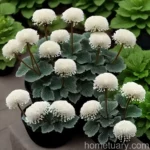
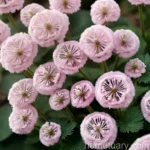
The Enchanting Foam Flower (Tiarella ‘Heronswood Mist’)
As a plant scientist, I am constantly amazed by the diversity and beauty of the plant kingdom. Today, I am excited to delve into the captivating world of the foam flower, specifically focusing on the Tiarella ‘Heronswood Mist’ variety. This enchanting perennial plant has gained popularity among gardeners and landscaping enthusiasts for its delicate foam-like flowers and its ability to thrive in shaded areas. In this comprehensive guide, we will explore the culture, uses, care tips, propagation, and much more about the foam flower, Tiarella ‘Heronswood Mist.’
What is the Foam Flower (Tiarella ‘Heronswood Mist’)?
The foam flower, scientifically known as Tiarella ‘Heronswood Mist,’ is a charming perennial plant that is native to North America. This plant is a member of the Saxifragaceae family and is renowned for its intricate, foam-like flower clusters that adorn its graceful foliage. The foliage itself is often variegated, featuring shades of green with intricate patterns that add to its allure. The ‘Heronswood Mist’ variety, in particular, is cherished for its distinctive and attractive foliage, making it a sought-after choice for shaded garden settings.
Key Takeaways – Foam Flower (Tiarella ‘Heronswood Mist’)
Before we delve into the specific care and cultivation aspects of the foam flower, let’s highlight key takeaways that will guide our exploration of this enchanting plant.
- Plant Name: Foam Flower (Tiarella ‘Heronswood Mist’)
- Common Names: Foam flower, Tiarella ‘Heronswood Mist’
- Family: Saxifragaceae
- Type: Perennial
- Preferred Growing Conditions: Shaded areas, moist and well-drained soil
- Distinctive Features: Delicate foam-like flowers, variegated foliage
- Uses: Groundcover, woodland gardens, borders, containers
- Popularity: Increasing among gardeners and landscaping enthusiasts
- Special Characteristics: Low maintenance, attractive to pollinators
Now that we have an overview of the foam flower, let’s embark on a journey to explore its culture, uses, care requirements, and much more.
Culture
The culture of the foam flower, Tiarella ‘Heronswood Mist,’ encompasses various aspects of its growth and development, including its preferred growing conditions, water and sunlight requirements, soil needs, and propagation methods.
Uses
Landscaping
The foam flower is a versatile plant that offers numerous landscaping possibilities due to its distinctive features and adaptability to different settings. Some of the key uses of the foam flower include:
-
Groundcover: The low-growing and spreading nature of the foam flower makes it an excellent choice for groundcover in shaded areas. Its delicate foliage and dainty flowers create a captivating carpet-like effect, enhancing the visual appeal of the landscape.
-
Woodland Gardens: Due to its preference for shaded environments, the foam flower thrives in woodland garden settings. It can be strategically planted alongside other shade-loving plants to create enchanting naturalistic displays.
-
Borders: The delicate and airy appearance of the foam flower’s blooms makes it an ideal candidate for border plantings. It adds a touch of elegance and softness to garden borders, complementing other perennial plants and shrubs.
Container Gardening
In addition to its uses in traditional garden settings, the foam flower can also be cultivated in containers, offering a delightful way to bring its beauty to patios, balconies, and other outdoor spaces. Its compact growth habit and appealing foliage make it well-suited for container arrangements, adding a graceful touch to any setting.
Water
Proper watering is essential for the health and vigor of the foam flower. While it prefers moist soil, it is important to avoid waterlogged conditions, as excessive moisture can lead to root rot and other issues. When establishing newly planted foam flowers, regular watering is crucial to ensure that the roots become established in the soil.
Watering Guidelines
-
Established Plants: Once the foam flower is established, it generally requires moderate watering, especially during periods of dry weather. It is important to monitor the soil moisture and provide additional water if the top inch of the soil feels dry to the touch.
-
Container-Grown Plants: In container gardening, it is essential to monitor the moisture levels of the soil, as containers can dry out more quickly than garden beds. Water thoroughly when the top inch of the soil in the container begins to dry out, and ensure that excess water can drain freely from the container.
Sunlight
The foam flower is renowned for its adaptability to shaded areas and its preference for dappled sunlight or partial shade. In fact, it thrives in locations where direct sunlight is limited, making it an ideal choice for gardens with filtered light and areas beneath trees or larger shrubs.
Sunlight Recommendations
-
Shade Tolerance: The foam flower is well-suited for shaded environments, particularly in regions that experience intense sunlight or high temperatures. It can also tolerate some morning sun, especially in cooler climates, as long as it receives adequate shade during the hottest part of the day.
-
Avoiding Harsh Sun: In locations with intense sunlight, it is important to shield the foam flower from prolonged exposure to harsh sun, as this can lead to leaf scorch and diminished flower production. Providing it with protection from the intense midday sun is essential for its well-being.
Fertilizer
Proper fertilization plays a crucial role in supporting the growth, blooming, and overall health of the foam flower. While it is not an excessively heavy feeder, providing balanced nutrition can enhance its performance and contribute to the development of lush foliage and abundant flowers.
Fertilizer Application
-
Timing: Fertilize the foam flower in early spring, just as new growth begins to emerge. This early application provides essential nutrients to support the plant’s growth and flowering during the upcoming season.
-
Type of Fertilizer: A balanced, slow-release fertilizer formulated for flowering perennials can be applied around the base of the plants, following the manufacturer’s recommendations for application rates. Alternatively, a diluted, balanced liquid fertilizer can be used to provide nutrients during the growing season.
-
Frequency: For established foam flowers, a single application of slow-release granular fertilizer in spring may be sufficient. However, for container-grown plants or those grown in nutrient-poor soil, a second application in midsummer can help sustain healthy growth and flowering.
Soil
The soil requirements of the foam flower revolve around the need for moist, well-drained soil with a rich organic content. The plant thrives in soil that retains moisture without becoming waterlogged, creating an optimal environment for its root development and overall vitality.
Soil Composition
-
Moisture Retention: The foam flower benefits from soil that has good moisture retention capabilities, as this ensures that the roots remain hydrated without being subjected to constant wetness. Amending the soil with organic matter such as compost or well-rotted manure can improve its moisture-holding capacity.
-
Drainage: While moisture retention is important, adequate drainage is equally essential to prevent waterlogged conditions that can harm the plant. Incorporating organic material into the soil can also enhance its drainage properties, creating a balanced environment for the foam flower.
Pruning
Pruning plays a significant role in maintaining the health, form, and blooming potential of the foam flower. Proper pruning techniques can also help prevent the plant from becoming too dense and encourage the development of new growth and flowers.
Pruning Guidelines
-
Deadheading: Removing spent flowers promptly can encourage the production of new blooms and prevent the plant from directing its energy into seed production. This practice can prolong the flowering period and contribute to a neater appearance.
-
Thinning: Periodic thinning of the foliage and stems can help improve air circulation around the plant, reducing the risk of fungal diseases and promoting overall health. When necessary, selectively remove older or crowded stems to allow for new growth and maintain an open, balanced habit.
Propagation
The propagation of the foam flower, Tiarella ‘Heronswood Mist,’ offers an opportunity to multiply cherished plants and expand their presence in the garden.
Propagation Methods
-
Division: One of the most common methods of propagating the foam flower is through division. As the plant matures, it develops clumps of rhizomes that can be divided and replanted to create new specimens. This division is typically carried out in early spring or fall.
-
Seed Propagation: Propagating the foam flower from seeds is another possibility, though it requires patience and may result in some variability in the resulting plants. Collecting and sowing seeds in a controlled environment can yield new foam flower seedlings for future plantings.
Container Popularity
The foam flower has gained popularity as a container plant, offering a versatile and captivating option for container gardening enthusiasts. Its airy blooms and attractive foliage make it a delightful addition to patio containers, hanging baskets, and other decorative plantings.
Advantages of Container Cultivation
-
Versatility: Cultivating the foam flower in containers allows for creative combinations and arrangements, adding ornamental value to outdoor spaces.
-
Space Utilization: In smaller gardens or urban settings, container gardening provides an opportunity to enjoy the beauty of the foam flower in a compact and controlled manner.
-
Mobility: Container-grown foam flowers can be moved to different locations, allowing for flexible design options and seasonal adjustments.
Common Diseases and Pest Management
Despite its overall resilience, the foam flower is susceptible to certain diseases and pest issues that merit attention for its care and maintenance.
Common Diseases
-
Powdery Mildew: In conditions of high humidity and poor air circulation, the foam flower may be susceptible to powdery mildew, which manifests as a powdery white coating on the leaves and stems. Pruning for improved air circulation and the application of fungicidal treatments can help manage this issue.
-
Leaf Spot: Fungal leaf spot diseases can affect the foliage of the foam flower, causing dark, circular spots and potential leaf yellowing or browning. Removing affected plant material and promoting good sanitation can help manage this problem.
Disease Diagnosis
Identification of Symptoms
-
Visual Symptoms: Monitoring the foliage and stems for unusual discoloration, spots, or powdery coatings can provide early indications of potential disease issues.
-
Growth Abnormalities: Stunted growth, wilting, and other changes in the plant’s vigor can also serve as indicators of underlying diseases.
Treatment and Management
-
Cultural Practices: Promoting good air circulation, maintaining proper watering practices, and providing adequate spacing between plants can help prevent the onset of certain diseases.
-
Fungicidal Treatments: When necessary, the application of fungicidal sprays or treatments recommended for the specific diseases can aid in controlling and managing the spread of fungal issues.
Common Pests
-
Aphids: These small, sap-sucking insects can congregate on the tender new growth of the foam flower, causing distortion of the leaves and potential damage to the plant. Natural predators, such as ladybugs, can assist in managing aphid populations.
-
Spider Mites: Spider mites are tiny arachnids that can infest the foliage of the foam flower, leading to stippling and discoloration of the leaves. Insecticidal soaps or horticultural oils can be used to control spider mite infestations.
Botanist’s Tips
As a plant scientist who appreciates the intricate beauty of plants, I am delighted to offer some key tips for cultivating and enjoying the foam flower, Tiarella ‘Heronswood Mist.’
Botanist’s Recommendations
-
Shaded Environments: When selecting a location for planting the foam flower, prioritize shaded or partially shaded areas to provide the optimal conditions for its growth and flowering.
-
Mulching: Applying a layer of organic mulch around the base of the foam flower can help conserve soil moisture, suppress weed growth, and create a beneficial microclimate for the plant.
-
Naturalistic Pairings: Consider companion planting with other shade-loving perennials and ferns to create enchanting combinations that enhance the woodland garden aesthetic.
-
Seasonal Monitoring: Regularly monitor the foam flower for any signs of pests, diseases, or cultural issues, and address them promptly to maintain the plant’s vigor and appeal.
Fun Facts
Uncovering intriguing and captivating aspects of plants adds to the joy of gardening and appreciating the natural world. Here are some fun facts about the foam flower, Tiarella ‘Heronswood Mist.’
- The genus name “Tiarella” is derived from the Latin word “tiara,” referring to the distinctive shape of the plant’s stigmas, which are said to resemble small tiaras.
- In addition to its captivating flowers and foliage, the foam flower is known for its ability to attract pollinators, including bees and butterflies, to the garden, contributing to the local ecosystem.
- The “Heronswood Mist” variety is celebrated for its delicate, mist-like patterns on the foliage, which create an ethereal and enchanting appearance in shaded garden settings.
Links to External Resources
To further expand your knowledge and appreciation of the foam flower, Tiarella ‘Heronswood Mist,’ I recommend exploring the following external resources:
- The Royal Horticultural Society (RHS): Tiarella spp.
- University of Maryland Extension: Foamflower (Tiarella cordifolia)
- Missouri Botanical Garden: Tiarella ‘Heronswood Mist’
I hope this comprehensive guide has provided valuable insights into the captivating world of the foam flower, Tiarella ‘Heronswood Mist.’ Whether you are a seasoned gardener or an enthusiastic beginner, integrating the beauty and grace of this enchanting plant into your outdoor spaces can bring joy and inspiration for years to come.
Happy gardening!
By: [Your Name]
Date: [Date]