Garden Phlox (Phlox paniculata ‘Little Boy’): A Comprehensive Guide
As a plant scientist, I’m thrilled to delve into the captivating world of garden phlox, specifically the enchanting Phlox paniculata ‘Little Boy’. This article is designed to provide an in-depth understanding of this beautiful plant, covering various aspects such as its culture, uses, maintenance, diseases, pests, and much more. By the end of this comprehensive guide, you’ll have all the knowledge needed to successfully grow and care for garden phlox in your own green space.
What is Plant: Garden Phlox (Phlox paniculata ‘Little Boy’)?
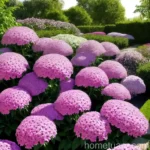
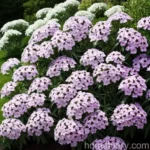
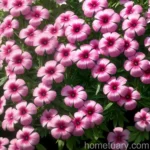
Garden phlox, scientifically known as Phlox paniculata, is a perennial flowering plant that belongs to the Polemoniaceae family. The ‘Little Boy’ variety is a charming cultivar known for its compact size and captivating clusters of fragrant flowers. This vibrant plant is a favorite among gardeners and landscapers for its delightful blooms and versatility in garden designs.
Key Takeaways – Garden Phlox (Phlox paniculata ‘Little Boy’)
Before we dive into the intricate details of garden phlox, let’s quickly overview the key takeaways that will be explored in this comprehensive guide:
- Culture
- Uses
- Water
- Sunlight
- Fertilizer
- Soil
- Pruning
- Propagation
- Container Popularity
- Common Diseases
- Disease Diagnosis
- Common Pests
- Botanist’s Tips
- Fun Facts
- Links to External Resources
Now, let’s embark on a journey to uncover the enchanting world of garden phlox and unravel the secrets to nurturing this beloved plant.
Culture
Phlox Paniculata Little Boy: An Overview
Garden phlox, including the ‘Little Boy’ variety, thrives in the culture of gardens, landscapes, and containers. Known for its longevity, this perennial plant offers an abundance of colorful blooms and a pleasant fragrance. When integrated into outdoor spaces, garden phlox serves as a magnet for pollinators like butterflies and hummingbirds, further enhancing the ecological diversity of the area.
Growing Garden Phlox
Cultivating garden phlox, especially the ‘Little Boy’ variety, is a rewarding experience for gardening enthusiasts. To ensure successful growth, consider the following essential aspects:
– Soil: Well-draining, fertile soil is crucial for garden phlox. A slightly acidic to neutral pH level (6.0-7.0) is ideal for optimal growth. Incorporating organic matter into the soil can enhance its fertility and texture, providing a nurturing environment for the plant’s roots.
– Sunlight: Garden phlox flourishes in full sun to partial shade. Select a planting location that receives at least 6-8 hours of sunlight per day for profuse blooming and robust growth.
– Watering: Adequate moisture is vital for the well-being of garden phlox. While the plant prefers consistently moist soil, it’s essential to avoid waterlogging, which can lead to root rot. During hot and dry periods, regular watering is essential to support the plant’s hydration needs.
– Spacing: When planting garden phlox, ensure proper spacing to allow for adequate air circulation and prevent overcrowding, which can create favorable conditions for diseases.
Garden Phlox Planting Tips
Here are some essential planting tips for garden phlox, including the ‘Little Boy’ variety:
– Timing: Plant garden phlox in the spring, after the last frost date, to provide ample time for the roots to establish before the arrival of extreme summer conditions.
– Depth: When transplanting or directly sowing garden phlox seeds, ensure that they are planted at the appropriate depth. For transplants, the root ball should be at ground level, while seeds should be sown at a shallow depth and lightly covered with soil.
Maintenance Tips
Maintaining garden phlox, including the ‘Little Boy’ variety, involves regular care and attention to ensure its health and vitality:
– Deadheading: Removing spent blooms promotes continuous flowering and prevents the plant from expending energy on seed production. Deadheading also enhances the overall appearance of the plant.
– Fertilization: Applying a balanced fertilizer in early spring can provide the necessary nutrients for robust growth and prolific blooming. Additionally, a light application of fertilizer in midsummer can support the plant’s nutritional requirements.
Water
Little Boy Phlox Water Requirements
Understanding the water needs of garden phlox, particularly the ‘Little Boy’ variety, is essential for maintaining optimal moisture levels. Here are some key considerations:
– Consistent Moisture: Garden phlox thrives in consistently moist soil. Regular watering, especially during dry spells, is crucial to support the plant’s hydration needs and prevent stress.
– Mulching: Applying a layer of organic mulch around the base of the plant helps conserve soil moisture, regulates temperature, and minimizes weed growth. Mulching also contributes to the overall health of the plant and reduces water loss through evaporation.
Garden Phlox Watering Schedule
Establishing a reliable watering schedule is essential for meeting the moisture needs of garden phlox. Consider the following guidelines:
– Frequency: Water garden phlox deeply and thoroughly when the top inch of the soil feels dry to the touch. During periods of drought or intense heat, more frequent watering may be necessary to maintain adequate moisture levels.
– Morning Watering: Watering in the morning allows the foliage to dry quickly, reducing the risk of fungal diseases that thrive in damp conditions. Avoid overhead watering to minimize leaf wetness, especially late in the day.
Drought Tolerance
While garden phlox appreciates consistent moisture, the ‘Little Boy’ variety demonstrates moderate drought tolerance once established. Despite its resilience, it’s essential to monitor the plant during dry spells and provide supplemental watering as needed to prevent excessive stress and dehydration.
Sunlight
Garden Phlox Sunlight Needs
Sunlight plays a pivotal role in the growth and development of garden phlox, including the ‘Little Boy’ variety. Consider the following factors related to sunlight requirements:
– Full Sun to Partial Shade: Garden phlox thrives in locations that receive full sun to partial shade. Aim to provide the plant with at least 6-8 hours of direct sunlight each day for robust growth and profuse flowering.
– Shade Tolerance: While garden phlox prefers ample sunlight, it can tolerate partial shade, especially in regions with intense afternoon sun or high temperatures. However, prolonged shade may lead to reduced flowering and sparse growth.
Fertilizer
Fertilizing Garden Phlox
Proper fertilization is essential for nourishing garden phlox and promoting healthy growth and abundant blooms. Consider the following recommendations for fertilizing garden phlox, including the ‘Little Boy’ variety:
– Balanced Fertilizer: Use a balanced, slow-release fertilizer with equal NPK (nitrogen, phosphorus, and potassium) content to provide the necessary nutrients without encouraging excessive foliage at the expense of blooms.
– Application Timing: Apply fertilizer in early spring as new growth emerges. A second application in midsummer, following the first wave of flowering, can support the plant’s nutritional needs for sustained blooming throughout the season.
Soil
Best Soil for Garden Phlox
Selecting the right soil is crucial for the successful cultivation of garden phlox, particularly the ‘Little Boy’ variety. Here are some key considerations for soil quality and composition:
– Well-Draining Soil: Garden phlox thrives in well-draining soil that prevents waterlogging and root rot. Amending heavy clay soils with organic matter, such as compost or peat moss, can enhance drainage and create an optimal growing environment.
– pH Level: Aim for a slightly acidic to neutral soil pH, ideally in the range of 6.0-7.0, to support the plant’s nutrient uptake and overall health. Soil pH testing kits are useful for determining the acidity or alkalinity of the soil and making necessary adjustments.
Pruning
Pruning Garden Phlox
Pruning is an essential aspect of garden phlox maintenance, contributing to the plant’s health, appearance, and flowering capacity. Consider the following pruning techniques for garden phlox, including the ‘Little Boy’ variety:
– Deadheading: Removing spent blooms and seed heads encourages continuous flowering and prevents the plant from allocating energy to seed production. Deadheading also improves the overall aesthetic appeal of the plant.
– Cutting Back: In late winter or early spring, cut back the previous year’s growth to promote vigorous new growth and enhance the plant’s shape. Prune the stems to a height of a few inches above the soil level, removing any dead or diseased portions.
Propagation
Propagating Garden Phlox
Propagating garden phlox, often sought after for its captivating blooms and resilience, allows for the expansion of its presence in the garden or landscape. Consider the following methods of propagation for garden phlox, including the ‘Little Boy’ variety:
– Division: Divide mature garden phlox plants in early spring or late summer to create new, healthy specimens. Carefully lift the plant from the ground, and use a sharp tool to divide the root ball into sections. Each section should contain viable roots and shoots for successful propagation.
Container Popularity
Garden Phlox in Containers
The versatility and aesthetic appeal of garden phlox, particularly the ‘Little Boy’ variety, make it an excellent candidate for container gardening. Here are some key considerations for growing garden phlox in containers:
– Container Selection: Choose well-draining containers with adequate drainage holes to prevent waterlogging and promote healthy root growth. Consider the size of the mature plant when selecting a container, allowing ample space for root development.
– Potting Mix: Use a high-quality potting mix that provides optimal aeration, moisture retention, and nutrient availability. Consider incorporating perlite or vermiculite to enhance soil structure and drainage.
– Watering: Container-grown garden phlox may require more frequent watering than plants in the ground, as containers tend to dry out more quickly. Monitor soil moisture levels regularly and adjust the watering frequency as needed to maintain consistent moisture.
Common Diseases
Disease Resistance
The ‘Little Boy’ variety of garden phlox exhibits a degree of resistance to certain diseases, contributing to its overall vigor and longevity. Understanding the potential disease challenges and implementing preventive measures are crucial for maintaining the plant’s health. Some common diseases that affect garden phlox include:
– Powdery Mildew: This fungal disease often appears as a powdery white coating on the leaves, stems, and blooms. Adequate air circulation, proper spacing, and resistant cultivars can help mitigate powdery mildew.
– Leaf Spot: Leaf spot diseases manifest as dark lesions on the foliage, potentially leading to premature leaf drop and reduced overall plant vigor. Implementing cultural practices to minimize leaf wetness and applying fungicidal treatments when necessary can help manage leaf spot diseases.
Disease Prevention
Preventive measures are essential for averting common diseases that may affect garden phlox, particularly the ‘Little Boy’ variety. Consider the following strategies to promote disease resistance and overall plant health:
– Cultural Practices: Implement good cultural practices, such as proper spacing, adequate air circulation, and watering methods that minimize leaf wetness, to create an environment less conducive to disease development.
– Resistant Cultivars: Selecting disease-resistant cultivars, such as the ‘Little Boy’ variety, can significantly reduce the plant’s susceptibility to certain pathogens. Research and choose varieties known for their resistance to prevalent diseases in your region.
Common Pests
Pest Control for Garden Phlox
While garden phlox, including the ‘Little Boy’ variety, demonstrates resilience against many pests, it may still encounter occasional pest challenges. Understanding common pests and implementing effective control measures is crucial for maintaining the plant’s overall health. Some common pests that may target garden phlox include:
– Spider Mites: These tiny arachnids can cause stippling, webbing, and overall decline in plant health. Regularly inspect the foliage for signs of spider mite activity, and consider using insecticidal soaps or horticultural oils to manage infestations.
Botanist’s Tips
Little Boy Phlox Maintenance
To ensure the optimal health and longevity of garden phlox, especially the ‘Little Boy’ variety, consider the following botanist’s tips:
– Adequate Air Circulation: Promote good air circulation around the plant through proper spacing and strategic placement to minimize the risk of fungal diseases, such as powdery mildew.
– Regular Monitoring: Keep a watchful eye on the plant for signs of pests, diseases, or cultural issues. Early detection and intervention can prevent minor problems from escalating into more significant challenges.
Fun Facts
Little Boy Phlox In Mixed Borders
The ‘Little Boy’ variety of garden phlox adds a delightful touch to mixed borders, perennial beds, and cottage gardens. Its vibrant blooms and compact growth habit make it a versatile and charming addition to diverse planting schemes.
Little Boy Phlox Fragrance
The fragrant blooms of the ‘Little Boy’ variety entice pollinators while also offering a delightful scent to garden visitors. The alluring fragrance adds an extra dimension to the sensory experience of the garden and makes the plant a cherished presence in outdoor spaces.
Links to External Resources
For further exploration of garden phlox and the ‘Little Boy’ variety, I recommend the following external resources:
– Royal Horticultural Society (RHS) – Growing Phlox
– University of Maryland Extension – Powdery Mildew of Ornamentals
– Missouri Botanical Garden – Plant Finder: Phlox paniculata ‘Little Boy’
In conclusion, garden phlox, exemplified by the captivating Phlox paniculata ‘Little Boy’ variety, offers an array of delightful attributes and versatile applications in garden settings. From its lush blooms and fragrant allure to its resilience and adaptability, this perennial plant stands out as a beloved choice for floral enthusiasts and landscapers alike. By embracing the cultural practices, maintenance techniques, and disease management strategies outlined in this comprehensive guide, you can cultivate thriving garden phlox displays that enchant and inspire all who encounter them.
Remember, the joy of nurturing garden phlox goes beyond the act of cultivation; it extends to the enrichment of outdoor spaces and the creation of vibrant, pollinator-friendly ecosystems. With its captivating blooms and enduring charm, the ‘Little Boy’ variety of garden phlox is a true gem in the floral tapestry of nature.
I hope this comprehensive guide has provided valuable insights into the world of garden phlox, inspiring you to embark on a journey of growth and discovery with this remarkable plant. Happy gardening!