Garden Phlox (Phlox Paniculata F. Alba)
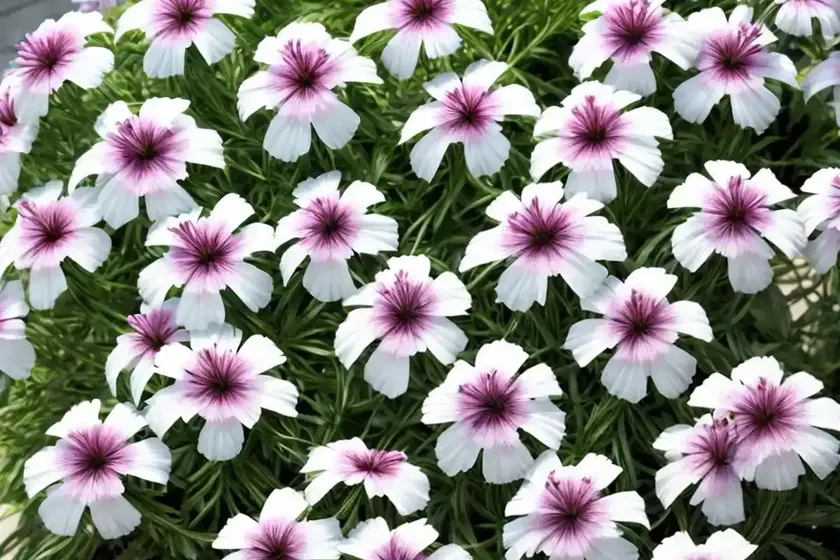
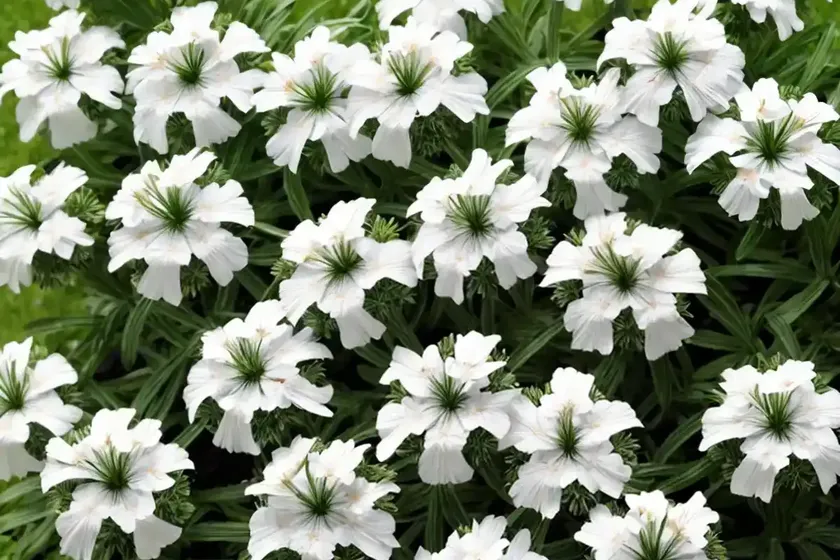
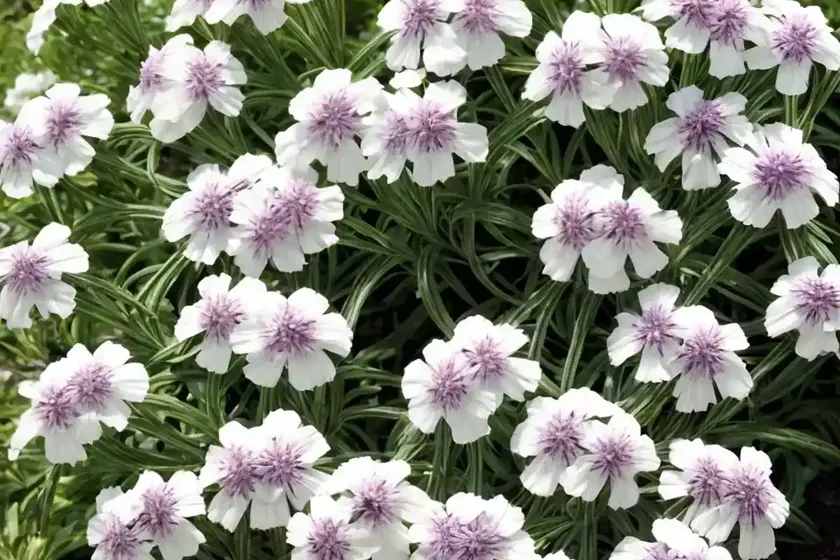
Garden phlox (Phlox paniculata f. alba) is a stunning perennial plant that captivates gardeners with its delicate, white blossoms and elegant aesthetic.
Introduction
Garden phlox (Phlox paniculata f. alba) is a stunning perennial plant that captivates gardeners with its delicate, white blossoms and elegant aesthetic appeal. As a plant scientist with a passion for cultivating and studying diverse plant species, I find garden phlox to be a fascinating subject of exploration. In this comprehensive guide, we will delve into the intricate details of garden phlox, covering its cultivation, uses, care requirements, and much more. Whether you are an experienced gardener or a novice enthusiast, this article aims to equip you with the knowledge and insights needed to successfully cultivate and appreciate the beauty of garden phlox.
What is Garden Phlox (Phlox paniculata f. alba)?
Garden phlox, scientifically known as Phlox paniculata f. alba, is a perennial flowering plant renowned for its clusters of delicate white blooms. Belonging to the Polemoniaceae family, garden phlox is native to North America and is cherished for its ornamental value in garden landscapes. This plant typically thrives in temperate regions and is celebrated for its captivating floral display during the summer months.
Key Takeaways – Garden Phlox (Phlox paniculata f. alba)
Before we embark on a detailed exploration of the cultivation and care of garden phlox, let’s overview the key takeaways related to this remarkable plant.
- Plant Name: Garden Phlox (Phlox paniculata f. alba)
- Other Common Names: Perennial White Phlox, White Garden Phlox
- Scientific Classification:
- Kingdom: Plantae
- Order: Ericales
- Family: Polemoniaceae
- Genus: Phlox
- Species: Paniculata
- Variety: Alba
- Key Characteristics: Delicate white blossoms, perennial nature, ornamental appeal
- Cultivation: Thrives in temperate regions, suitable for garden landscapes
- Blooming Season: Summer
- Optimal Growing Conditions: Well-drained soil, ample sunlight, regular watering
- Uses: Ornamental gardening, landscaping, attracting pollinators
- Challenges: Susceptible to certain diseases and pests
- Maintenance: Requires periodic pruning and fertilization
By understanding these key takeaways, you will gain a foundational understanding of garden phlox, paving the way for a more in-depth exploration of its cultivation and care.
Cultivation of Garden Phlox
Cultivating garden phlox involves understanding its specific requirements in terms of water, sunlight, soil, fertilizer, and other critical factors. Let’s explore each of these elements in detail to ensure the optimal growth and flourishing of garden phlox in your garden or landscape.
Water
Proper watering is essential for the health and vitality of garden phlox. Here are some key considerations regarding the water requirements of this plant:
-
Regular Moisture: Garden phlox thrives in well-drained but consistently moist soil. It is important to avoid waterlogged conditions, as excessive moisture can lead to root rot and other issues. Therefore, maintaining a balanced moisture level is crucial for the optimal growth of garden phlox.
-
Watering Frequency: During the growing season, it is recommended to water garden phlox regularly, especially during dry spells or prolonged periods of heat. However, it is equally important to ensure that the soil is not overly saturated, as this can adversely impact the plant’s health.
-
Avoiding Overhead Watering: When irrigating garden phlox, it is advisable to water the base of the plant rather than using overhead irrigation. This approach helps prevent the development of diseases, particularly fungal infections, which can be exacerbated by excess moisture on the foliage.
Sunlight
Sunlight is a crucial determinant of garden phlox’s growth and blooming potential. Providing the right amount of sunlight ensures that the plant thrives and produces an abundance of beautiful blooms. Here’s what you need to know about sunlight requirements for garden phlox:
-
Full Sun to Partial Shade: Garden phlox generally prefers full sun, which equates to at least 6 hours of direct sunlight per day. In regions with intense heat, partial shade during the hottest part of the day can benefit the plant, preventing excessive stress and sunburn.
-
Balancing Sun and Shade: While garden phlox appreciates sunlight, it is important to strike a balance, especially in warmer climates. By providing partial shade or filtered sunlight, you can protect the plant from the harsh effects of intense sun exposure.
Fertilizer
Appropriate fertilization is instrumental in promoting robust growth and prolific flowering in garden phlox. Understanding the right fertilization approach can significantly enhance the plant’s health and ornamental appeal. Consider the following fertilization guidelines for garden phlox:
-
Balanced Fertilizer: Utilize a balanced, slow-release fertilizer designed for flowering perennials. This type of fertilizer provides essential nutrients gradually, supporting sustained growth and blooming.
-
Application Timing: Apply fertilizer in early spring, just as new growth emerges. This timing allows the plant to benefit from the nutrients as it enters the active growth phase and prepares for the blooming season.
-
Avoiding Excessive Fertilization: While fertilization is important, it is crucial to avoid overfeeding garden phlox. Excessive fertilizer application can lead to an imbalance of nutrients and may result in issues such as excessive foliage growth at the expense of blooms.
Soil
The quality and composition of the soil play a pivotal role in the overall health and vitality of garden phlox. By understanding the soil requirements of this plant, you can create an environment that fosters optimal growth and flourishing. Here’s what you need to know about the soil preferences of garden phlox:
-
Well-Drained Soil: Garden phlox thrives in well-drained soil that retains moisture without becoming waterlogged. Adequate drainage is essential for preventing issues such as root rot and waterlogging, which can be detrimental to the plant’s health.
-
pH Level: Garden phlox prefers slightly acidic to neutral soil, with a pH range of approximately 6.0 to 7.0. Conduct a soil test to determine the pH level, and consider amending the soil if necessary to create the ideal growing environment for garden phlox.
-
Organic Matter: Incorporating organic matter, such as compost or well-rotted manure, into the soil can enhance its fertility and structure. Organic amendments contribute to improved soil texture and nutrient availability, benefiting the overall health of garden phlox.
Pruning
Pruning is a key aspect of garden phlox maintenance, as it promotes air circulation, controls plant growth, and encourages prolific blooming. By adhering to proper pruning practices, you can optimize the plant’s appearance and health. Consider the following guidelines for pruning garden phlox:
-
Deadheading: Regularly remove faded blossoms to prevent the formation of seeds and encourage the plant to produce new flowers. Deadheading also enhances the plant’s aesthetic appeal by preventing the development of spent blooms.
-
Cutting Back: In late fall or early spring, consider cutting back the stems of garden phlox to a height of 3-4 inches above the soil level. This practice helps rejuvenate the plant, stimulates new growth, and contributes to a more compact and vigorous habit.
-
Thinning Out: Periodically thin out overcrowded stems and foliage to improve air circulation and reduce the risk of diseases such as powdery mildew. Removing excess growth allows the plant to allocate resources more effectively, resulting in healthier and more robust development.
Propagation of Garden Phlox
Propagation allows you to expand your garden phlox collection and share this beautiful plant with fellow gardening enthusiasts. Understanding the various propagation methods empowers you to propagate garden phlox effectively. Explore the following propagation techniques for garden phlox:
Division
Division is a common method of propagating garden phlox and involves separating the plant into smaller sections, each with its own root system. Here’s how to propagate garden phlox through division:
-
Timing: Division is typically performed in early spring or early fall, when the plant is actively growing and the weather is mild. This timing allows the divided sections to establish themselves before the onset of extreme heat or cold.
-
Process: Start by digging up the mature garden phlox plant, being careful to unearth the root system intact. Using a sharp, clean knife or garden spade, divide the plant into smaller sections, ensuring that each division has healthy roots and several growing shoots.
-
Replanting: Plant the divided sections in prepared soil, ensuring that they are positioned at the same depth as they were originally growing. Water the newly planted divisions thoroughly, and provide appropriate care to support their establishment and growth.
Stem Cuttings
Propagating garden phlox using stem cuttings is an effective method to create new plants with desirable characteristics. Follow these steps to propagate garden phlox from stem cuttings:
-
Cutting Preparation: Select healthy, non-flowering stems for the cuttings. Using a sharp, sterile knife, take 4-6 inch long cuttings, ensuring that each cutting has several leaf nodes.
-
Rooting Medium: Plant the cuttings in a well-draining rooting medium, such as a mixture of perlite and peat moss. This provides a suitable environment for the cuttings to develop roots.
-
Rooting Hormone (Optional): Applying a rooting hormone to the cut ends of the stem cuttings can enhance the rooting process, increasing the likelihood of successful propagation.
-
Rooting Environment: Place the potted cuttings in a warm, bright location with indirect sunlight. Maintain consistent moisture in the rooting medium to support the development of new roots.
By following these propagation methods, you can expand your garden phlox collection and propagate this beautiful plant to enrich your garden or share with fellow gardening enthusiasts.
Container Gardening with Garden Phlox
Garden phlox is well-suited for container gardening, offering an opportunity to showcase its elegant blooms on patios, balconies, and other outdoor spaces. When cultivating garden phlox in containers, certain considerations regarding container selection, soil, and maintenance are essential to ensure the plant’s thriving. Let’s explore the key aspects of container gardening with garden phlox:
Container Selection
Choosing the right container is crucial for the successful cultivation of garden phlox. Consider the following factors when selecting a container for garden phlox:
-
Size: Opt for a spacious container that accommodates the root system of garden phlox and allows for adequate growth. A container with a diameter of at least 18 inches provides ample space for the plant to thrive.
-
Drainage: Ensure that the container has proper drainage holes to prevent waterlogging and maintain optimal soil moisture levels. Adequate drainage is essential to prevent issues related to excess water in the container.
-
Material: Select a durable, weather-resistant container that complements the aesthetic of garden phlox. Materials such as terracotta, fiberglass, or resin are suitable choices for container gardening.
Soil and Potting Mix
Choosing the right soil and potting mix is vital for the health and growth of garden phlox in containers. Consider the following soil considerations for container gardening with garden phlox:
-
Well-Drained Soil: Utilize a well-drained, high-quality potting mix designed for flowering perennials. An optimal potting mix provides the right balance of aeration, moisture retention, and nutrient availability for garden phlox.
-
Amendments: Consider amending the potting mix with organic matter, such as compost or peat moss, to enhance its structure and fertility. Well-amended soil supports the overall health and vitality of garden phlox in containers.
Maintenance
Container gardening with garden phlox requires regular maintenance to ensure the plant’s well-being and ornamental appeal. Follow these maintenance tips for cultivating garden phlox in containers:
-
Watering: Monitor the moisture levels in the container and water the plant as needed to maintain consistent soil moisture. Adequate watering is crucial, especially during hot and dry periods, to support the plant’s growth and blooming.
-
Fertilization: Apply a balanced, slow-release fertilizer to the container-grown garden phlox to provide essential nutrients for sustained growth and flowering. Follow the recommended fertilization guidelines to promote the plant’s health and ornamental appeal.
-
Deadheading: Remove faded blossoms from the garden phlox in containers to encourage the production of new flowers and maintain the plant’s aesthetic appeal. Deadheading also prevents the formation of seeds, redirecting the plant’s energy towards new growth.
By understanding the requirements and nuances of container gardening with garden phlox, you can create a stunning display of this elegant plant in outdoor spaces, enhancing the beauty of your garden or landscape.
Popularity of Garden Phlox
Garden phlox enjoys significant popularity among gardening enthusiasts and landscaping professionals due to its exquisite beauty, versatility, and suitability for various garden settings. Let’s explore the factors contributing to the widespread popularity of garden phlox:
-
Ornamental Value: Garden phlox is highly prized for its ornamental value, characterized by its delicate white blooms and elegant, upright habit. It serves as a captivating focal point in garden beds, borders, and mixed perennial plantings, adding charm and visual interest to the landscape.
-
Floral Diversity: The availability of various cultivars and varieties of garden phlox, including different flower colors and sizes, contributes to its popularity and versatility in garden design. From white-flowered varieties to vibrant pink and lavender blooms, garden phlox offers a diverse range of options for gardeners.
-
Long Blooming Season: Garden phlox is renowned for its extended blooming season, adorning the garden with profuse blossoms throughout the summer months. The plant’s ability to provide continuous floral displays enhances its appeal and makes it a sought-after addition to garden landscapes.
-
Wildlife Attractant: As an added benefit, garden phlox is known to attract butterflies, hummingbirds, and other pollinators, enriching the garden ecosystem and fostering biodiversity. This quality further enhances the plant’s desirability among environmentally conscious gardeners.
-
Adaptability: Garden phlox’s adaptability to various growing conditions and its relative ease of cultivation make it accessible to a wide range of gardeners, including beginners and experienced enthusiasts. Its resilience and capacity to thrive in diverse settings contribute to its popularity and widespread cultivation.
By encompassing these qualities, garden phlox has established itself as a beloved and favored plant in the realm of ornamental gardening, captivating the hearts of gardeners with its timeless beauty and allure.
Common Diseases of Garden Phlox
Despite its ornamental appeal and resilience, garden phlox is susceptible to certain diseases that can affect its health and vigor. Understanding these common diseases and their management is crucial for maintaining the well-being of garden phlox. Let’s delve into the typical diseases that may impact garden phlox:
Powdery Mildew (Erysiphe cichoracearum)
Powdery mildew is a prevalent fungal disease that can affect garden phlox, manifesting as a powdery white or grayish coating on the foliage and stems. This disease thrives in humid environments and can lead to the deterioration of plant health if left unaddressed.
- Management: To manage powdery mildew, ensure adequate air circulation around the plant, and avoid overhead watering to reduce moisture on the foliage. Fungicidal treatments or biofungicides can be applied to control powdery mildew if the infection is severe.
Botrytis Blight (Botrytis cinerea)
Botrytis blight, also known as gray mold, is a fungal disease that affects various ornamental plants, including garden phlox. It often appears as brown spots on the foliage, accompanied by a fuzzy gray mold that develops on infected plant parts.
- Management: Prune and remove infected plant material to prevent the spread of botrytis blight. Ensure proper air circulation and reduce humidity around the plant to inhibit the development of this disease. Fungicidal treatments can aid in managing botrytis blight if necessary.
Root Rot (Various Pathogens)
Root rot can afflict garden phlox, leading to symptoms such as wilting, yellowing foliage, and stunted growth. This condition is often caused by soil-borne pathogens that thrive in waterlogged or poorly drained soil.
- Management: To manage root rot, address the underlying soil drainage issues to improve the aeration and moisture balance around the plant’s root system. Adjust irrigation practices to prevent waterlogging, and consider applying beneficial soil amendments or biocontrol products to suppress root rot pathogens.
By recognizing these common diseases and implementing appropriate management strategies, you can effectively safeguard your garden phlox from the detrimental effects of fungal infections and other disease issues.
Common Pests Affecting Garden Phlox
The vibrant allure of garden phlox may attract certain pests that pose a threat to its health and vitality. Familiarizing yourself with these common pests and adopting preventive measures can help protect garden phlox from infestations. Let’s explore the pests that commonly affect garden phlox:
Spider Mites (Tetranychus spp.)
Spider mites are tiny arachnids that feed on plant sap and can cause stippling, discoloration, and webbing on the foliage of garden phlox. These pests thrive in hot, dry conditions and can multiply rapidly, leading to severe infestations.
- Prevention and Control: Introduce predatory mites, such as Phytoseiulus persimilis, to the garden to feed on and control spider mite populations. Regularly misting the foliage of garden phlox can create a less favorable environment for spider mites, mitigating their impact.
Aphids (Aphidoidea spp.)
Aphids are small, soft-bodied insects that congregate on the tender new growth of garden phlox, where they suck sap from the plant and excrete honeydew. Their presence can lead to distorted growth, yellowing leaves, and sooty mold development.
- Prevention and Control: Encourage natural predators of aphids, such as ladybugs and lacewings, to establish a presence in the garden. Additionally, employing insecticidal soaps or neem oil can help manage aphid infestations while minimizing harm to beneficial insects.
Whiteflies (Aleyrodidae spp.)
Whiteflies are minute insects covered in a powdery white wax, and they typically congregate on the undersides of garden phlox leaves. They feed on the plant sap and can cause wilting, yellowing, and the transmission of viral diseases.
- Prevention and Control: Introduce natural predators, such as Encarsia formosa, to control whitefly populations. Using yellow sticky traps can help monitor and reduce whitefly numbers, particularly in greenhouse or enclosed garden settings.
By being vigilant and employing proactive pest management strategies, you can protect your garden phlox from the potential damage caused by spider mites, aphids, whiteflies, and other common pests.
Botanist’s Tips for Growing Garden Phlox
As a plant scientist with a deep appreciation for garden phlox, I am delighted to share expert tips and recommendations for growing this exquisite plant. These insights are designed to enhance your understanding and success in cultivating garden phlox. Consider the following botanist’s tips for growing garden phlox:
-
Selecting Varieties: When choosing garden phlox varieties, consider factors such as bloom color, plant height, and disease resistance to select cultivars that align with your preferences and garden conditions.
-
Mulching: Apply a layer of organic mulch around garden


