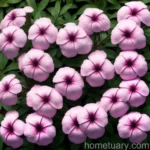
Garden Phlox (Phlox paniculata ‘Grenadine Dream’): A Comprehensive Guide to Cultivation and Care
As a dedicated plant scientist, I have come to appreciate the diversity and beauty that the world of plants has to offer. One such captivating plant is the garden phlox, scientifically known as Phlox paniculata ‘Grenadine Dream.’ This stunning perennial has taken the gardening world by storm with its vibrant blooms and ease of care. In this comprehensive guide, I will delve into the intricacies of cultivating and caring for the garden phlox, offering valuable insights and expert tips for its successful growth and maintenance.
What is Garden Phlox (Phlox paniculata ‘Grenadine Dream’)?
Phlox paniculata ‘Grenadine Dream’ is a charming and versatile perennial plant that belongs to the Polemoniaceae family. This cultivar is a member of the larger Phlox paniculata species, which is native to North America. It is highly valued for its clusters of fragrant, showy flowers and its ability to attract pollinators, making it a favorite in many garden landscapes.
Key Takeaways – Garden Phlox (Phlox paniculata ‘Grenadine Dream’)
- Scientific Name: Phlox paniculata ‘Grenadine Dream’
- Plant Type: Perennial
- Hardiness Zones: 4-8
- Mature Height: 24-36 inches
- Mature Spread: 18-24 inches
- Bloom Time: Summer to early fall
- Bloom Color: Shades of pink and lavender
- Foliage: Green, lance-shaped
- Sunlight: Full sun to partial shade
- Soil: Well-draining, fertile soil
- Watering: Regular watering
- Uses: Borders, containers, cutting gardens, pollinator gardens
Now, let’s explore the various aspects of the cultivation and care of Phlox paniculata ‘Grenadine Dream’ to ensure that it thrives in your garden.
Culture
Uses
Phlox paniculata ‘Grenadine Dream’ can be utilized in numerous ways to enhance the visual appeal of your garden and contribute to the overall ecosystem. Some common uses include:
-
Borders: The plant’s compact, bushy habit and beautiful flowers make it an excellent choice for border plantings, adding a splash of color to the garden landscape.
-
Containers: Due to its moderate size, garden phlox can be grown in containers and placed on patios, balconies, or anywhere a pop of color is desired.
-
Cutting Gardens: The long, sturdy stems of Phlox paniculata ‘Grenadine Dream’ make it an ideal candidate for cut flower arrangements, bringing its delightful fragrance indoors.
-
Pollinator Gardens: The nectar-rich blooms of garden phlox attract a variety of pollinators, including butterflies, bees, and hummingbirds, making it a valuable addition to pollinator-friendly gardens.
Water
Proper watering is crucial for the health and vigor of Phlox paniculata ‘Grenadine Dream.’ While the plant is relatively tolerant of varying moisture levels, consistent watering is essential, especially during the growing season and periods of drought. As a general guideline:
-
Young Plants: Newly planted garden phlox should be watered regularly to help establish strong root systems. Water deeply to ensure adequate moisture penetration into the soil.
-
Established Plants: Once established, garden phlox should be watered during dry spells or when the soil feels dry to the touch. Avoid overwatering, as excessive moisture can lead to root rot and other issues.
Sunlight
Phlox paniculata ‘Grenadine Dream’ thrives in a sunny location, although it can also tolerate partial shade. When it comes to sun exposure:
-
Full Sun: Planting garden phlox in a location that receives at least 6-8 hours of direct sunlight promotes robust growth and abundant flowering.
-
Partial Shade: In warmer climates, providing some afternoon shade can help protect the plant from extreme heat and prolong the longevity of the blooms.
Fertilizer
Maintaining healthy nutrient levels in the soil is essential for the optimal growth and flowering of Phlox paniculata ‘Grenadine Dream.’ Here are some fertilizer recommendations:
-
Timing: Apply a balanced, slow-release fertilizer in early spring as new growth emerges. A second application can be made in midsummer to support continued flowering.
-
Application Method: Sprinkle the fertilizer evenly around the base of the plant, then water thoroughly to allow the nutrients to reach the root zone.
-
Avoid Excess Nitrogen: Excessive nitrogen can promote lush foliage at the expense of flowers. Use a fertilizer with a balanced N-P-K ratio to encourage overall plant health and flower production.
Soil
Garden phlox prefers well-draining, fertile soil with a slightly acidic to neutral pH. The following soil characteristics are conducive to its growth:
-
Drainage: Ensure that the soil has good drainage to prevent waterlogging, which can lead to root rot. Amending heavy clay soils with organic matter can improve drainage.
-
Fertility: Incorporating organic compost or aged manure into the soil before planting provides essential nutrients and enhances soil structure.
-
pH Level: Aim for a slightly acidic to neutral pH range of 6.5-7.0 for optimal nutrient uptake and overall plant health.
Pruning
Pruning plays a significant role in maintaining the shape, vigor, and flowering performance of Phlox paniculata ‘Grenadine Dream.’ Proper pruning techniques can help prolong the floral display and prevent issues such as powdery mildew. Here are some key pruning considerations:
-
Deadheading: Removing spent blooms promotes continuous flowering and prevents the development of seed heads, redirecting the plant’s energy into new growth and blooms.
-
Thinning: As garden phlox grows, it may become crowded, leading to decreased air circulation and increased susceptibility to diseases. Thinning out older stems and spent foliage can alleviate these issues.
-
Late-Summer Cutback: In late summer or early fall, a light trim can encourage a fresh flush of growth and blooms, extending the seasonal interest of the plant.
Propagation
Phlox paniculata ‘Grenadine Dream’ can be propagated through several methods, including division, stem cuttings, and seed sowing. Each propagation technique offers its own advantages and challenges, allowing gardeners to choose the method that best suits their preferences and resources.
Division
Dividing established clumps of garden phlox is a popular and effective propagation method. Here’s a basic guide to dividing Phlox paniculata ‘Grenadine Dream’:
-
Timing: Spring or early fall is the best time to divide garden phlox, as the plants are actively growing and the weather conditions are favorable.
-
Preparation: Water the plant thoroughly a day or two before dividing to ensure that the soil is adequately moist.
-
Process: Carefully dig up the entire clump of garden phlox and use a sharp, clean knife or garden spade to separate the clump into smaller sections, each containing healthy shoots and roots.
-
Replanting: Plant the divided sections in prepared soil, water them well, and provide appropriate care to support their establishment and growth.
Stem Cuttings
Taking stem cuttings is a reliable method for propagating specific cultivars, ensuring that the new plants retain the desired traits of the parent plant. Here’s an overview of propagating Phlox paniculata ‘Grenadine Dream’ from stem cuttings:
-
Selection: Choose healthy, non-flowering stems for the cuttings. Each cutting should be 4-6 inches long and taken from the tip of a stem.
-
Preparation: Remove the lower leaves from the cuttings, leaving a few leaves at the tip. Dip the cut ends in rooting hormone to encourage root development.
-
Planting: Insert the cuttings into a well-draining rooting medium, such as perlite or a mix of peat and perlite. Maintain adequate moisture and humidity to support root formation.
-
Transplanting: Once the cuttings have formed roots, carefully transplant them into individual pots and provide ongoing care as they acclimate to their new environment.
Seed Sowing
Growing Phlox paniculata ‘Grenadine Dream’ from seeds offers the opportunity to explore the genetic diversity of the plant and potentially discover unique variations. Here’s a brief guide to starting garden phlox from seeds:
-
Timing: Start seeds indoors 8-10 weeks before the last expected frost date to give the young plants a head start on the growing season.
-
Seed Preparation: If using fresh seeds, a period of stratification—exposing the seeds to cold, moist conditions—may help improve germination rates.
-
Sowing Depth: Sow the seeds on the surface of a moist seed-starting mix, then lightly press them into the medium to ensure good seed-to-soil contact.
-
Germination Conditions: Maintain a consistent temperature of around 65-70°F and provide adequate moisture to support germination. Once the seedlings have developed true leaves, they can be transplanted into individual containers or the garden.
Container Popularity
The versatility and compact nature of Phlox paniculata ‘Grenadine Dream’ make it well-suited for container gardening. Whether displayed on a patio, balcony, or alongside other potted plants, garden phlox adds a touch of elegance and color to outdoor spaces. When growing garden phlox in containers, consider the following tips:
-
Container Size: Choose a container that accommodates the mature size of the plant, providing ample space for the roots to develop.
-
Soil Mix: Use a high-quality, well-draining potting mix to ensure proper aeration and moisture retention. Adding perlite or coarse sand can improve drainage.
-
Watering: Containers may require more frequent watering, especially during hot, dry periods. Monitor the soil moisture regularly and adjust your watering schedule as needed.
-
Sunlight: Position the container in a location that receives adequate sunlight, as garden phlox generally thrives in full sun to partial shade.
-
Fertilization: Apply a balanced, water-soluble fertilizer at the recommended rate to provide essential nutrients for sustained growth and flowering.
Common Diseases
Phlox paniculata ‘Grenadine Dream’ is generally resilient, but it can be susceptible to certain diseases that affect its overall health and appearance. Identifying and addressing these issues promptly is crucial to maintaining the vitality of the plant.
Disease Diagnosis
-
Powdery Mildew: One of the most common diseases affecting garden phlox, powdery mildew manifests as a powdery, white coating on the leaves, stems, and flowers. It thrives in warm, dry environments and can hinder plant growth and flowering.
-
Botrytis Blight: Also known as gray mold, this fungal disease causes brown lesions on the foliage and flowers, often leading to the collapse of affected plant parts. It thrives in cool, moist conditions and can be particularly problematic during periods of high humidity.
-
Root Rots: Excessive moisture and poor drainage can contribute to the development of root rot diseases, leading to wilting, yellowing foliage, and ultimately, the decline of the plant.
Common Pests
While garden phlox is relatively resistant to pest infestations, some common pests may occasionally pose a threat to its well-being, including:
-
Spider Mites: These tiny arachnids can cause stippling and discoloration on the leaves, often leading to diminished plant vigor and overall health.
-
Aphids: Aphids can cluster on the tender new growth of garden phlox, feeding on the sap and potentially transmitting viral diseases in the process.
-
Thrips: Thrips are slender, winged insects that can cause distorted growth and silvering of the plant tissues, impacting the ornamental value of garden phlox.
Botanist’s Tips
To ensure the successful cultivation of Phlox paniculata ‘Grenadine Dream,’ here are some valuable tips and recommendations from a seasoned botanist:
-
Good Air Circulation: Providing adequate spacing between plants and avoiding overcrowding can enhance air circulation, mitigating the risk of fungal diseases such as powdery mildew.
-
Site Selection: Choose a planting location that receives ample sunlight and has well-draining soil to create an optimal growing environment for garden phlox.
-
Watering Practices: Water the plant at the base to avoid wetting the foliage, which can contribute to the development of fungal diseases. Water in the morning to allow foliage to dry off quickly.
-
Mulching Benefits: Apply a 2-3 inch layer of organic mulch around the base of the plant to conserve soil moisture, suppress weeds, and moderate soil temperature.
-
Regular Monitoring: Keep a close eye on your garden phlox for any signs of pests, diseases, or environmental stress, intervening promptly to address any issues that arise.
Fun Facts
To deepen your appreciation for Phlox paniculata ‘Grenadine Dream,’ here are some interesting and enlightening facts about this enchanting plant:
-
Fragrance: The blooms of garden phlox emit a delightful, sweet fragrance, attracting not only pollinators but also humans eager to savor their alluring scent.
-
Native Habitat: While Phlox paniculata ‘Grenadine Dream’ is a cultivated variety, its wild counterparts are found in woodland edges, meadows, and other open habitats across North America.
-
Longevity: With proper care, garden phlox can live for many years, rewarding gardeners with beautiful blooms and reliable performance throughout the growing season.
Links to External Resources
- Phlox paniculata ‘Grenadine Dream’ care
- Growing garden phlox ‘Grenadine Dream’
- How to cultivate Phlox paniculata ‘Grenadine Dream’
- Garden phlox varieties
- Tips for planting garden phlox
- Pruning Phlox paniculata ‘Grenadine Dream’
- Garden phlox ‘Grenadine Dream’ characteristics
- Common pests and diseases of Phlox paniculata ‘Grenadine Dream’
- Best companion plants for garden phlox ‘Grenadine Dream’
-
Sunlight requirements for Phlox paniculata ‘Grenadine Dream’
- Soil preferences for growing Phlox paniculata ‘Grenadine Dream’
- Propagation of garden phlox ‘Grenadine Dream’
- Ideal climate for Phlox paniculata ‘Grenadine Dream’
- How to divide garden phlox ‘Grenadine Dream’
- Container gardening with Phlox paniculata ‘Grenadine Dream’
- Benefits of growing garden phlox ‘Grenadine Dream’