Garden Phlox (Phlox paniculata ‘Eden’s Crush’): A Comprehensive Guide
Introduction
Garden phlox, scientifically known as Phlox paniculata ‘Eden’s Crush’, is a stunning perennial plant that belongs to the Polemoniaceae family. This species is highly admired for its striking, fragrant flowers that range in color from pure white to vibrant pinks and purples. It is a popular choice among gardeners due to its ease of care and its ability to attract pollinators such as butterflies and hummingbirds. In this comprehensive guide, we will delve into the various aspects of cultivating and caring for garden phlox, and explore its uses, ideal growing conditions, maintenance requirements, propagation methods, common diseases and pests, as well as some fun and intriguing facts about this delightful plant.
What is Plant: Garden Phlox (Phlox paniculata ‘Eden’s Crush’)?
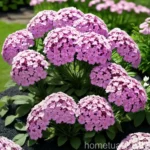
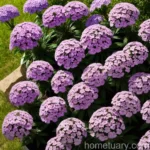
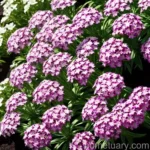
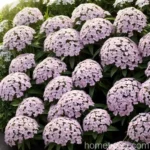
Garden phlox, or Phlox paniculata ‘Eden’s Crush’, is a species of flowering plant that is native to North America. It is characterized by its compact, bushy growth habit and its beautiful, fragrant flowers that bloom in clusters atop sturdy, upright stems. The blooms of ‘Eden’s Crush’ are known for their unique deep pink color with a bright red eye, adding vibrant splashes of color to garden beds, borders, and landscaping.
Key Takeaways – Garden Phlox (Phlox paniculata ‘Eden’s Crush’)
Let’s begin by summarizing the key takeaways for garden phlox care:
- Culture
- Perennial plant
- Deciduous
- Bushy growth habit
-
Fragrant flowers
-
Uses
- Ornamental purposes
-
Attracts pollinators
-
Water
- Moderate water requirements
-
Regular watering, especially during hot and dry periods
-
Sunlight
- Full to partial sunlight
-
Preferably 6-8 hours of direct sunlight per day
-
Fertilizer
- Balanced, slow-release fertilizer
-
Application in early spring and midsummer
-
Soil
- Well-draining, fertile soil
-
Neutral to slightly acidic pH
-
Pruning
- Regular deadheading
-
Spring cutting for rejuvenation
-
Propagation
- Division
-
Stem cuttings
-
Container Popularity
- Suitable for container gardening
-
Provides color and fragrance
-
Common Diseases
- Powdery mildew
- Leaf spot
-
Disease Diagnosis
- Observe symptoms and signs
- Laboratory testing
-
Common Pests
- Spider mites
- Aphids
-
Botanist’s Tips
- Provide adequate air circulation
- Avoid overhead watering
-
Fun Facts
- Native to North America
- Attracts butterflies and hummingbirds
-
Links to External Resources
Cultivation and Care
Water
Garden phlox generally prefers regular watering to maintain moist, but not waterlogged, soil. Adequate moisture is essential for healthy growth and prolific flowering, especially during dry spells. However, it is important to avoid overwatering, as this can lead to root rot and other moisture-related issues.
Sunlight
Garden phlox thrives in full to partial sunlight. It is recommended to provide the plant with at least 6-8 hours of direct sunlight per day to ensure optimal growth and abundant flowering. In regions with scorching summer temperatures, some light afternoon shade can be beneficial to prevent the flowers from wilting.
Fertilizer
When it comes to fertilization, garden phlox responds well to a balanced, slow-release fertilizer. It is advisable to apply the fertilizer in early spring as new growth emerges, and once again in midsummer to support continuous growth and blooming throughout the season.
Soil
In terms of soil requirements, garden phlox prefers well-draining, fertile soil with a neutral to slightly acidic pH. Amending the soil with organic matter such as compost or well-rotted manure can enhance its texture and fertility, providing an ideal growing medium for the plant.
Pruning
Pruning plays a crucial role in maintaining the health and appearance of garden phlox. Regular deadheading, which involves the removal of spent flowers, encourages the plant to produce new blooms and prevents self-seeding. Additionally, an annual spring cutting back – typically around early to mid-spring – helps to rejuvenate the plant by stimulating fresh growth from the base.
Propagation
Garden phlox can be propagated through division and stem cuttings, both of which are effective methods for creating new plants. Division is usually carried out in early spring or fall when the plant is dormant, while stem cuttings are best taken during the active growing season to ensure successful rooting.
Container Popularity
Due to its compact growth habit and attractive flowers, garden phlox is well-suited for container gardening, where it can serve as a focal point or contribute to mixed plantings. Growing ‘Eden’s Crush’ in a container allows for greater flexibility in terms of placement and can bring its vibrant colors and delightful fragrance closer to outdoor living spaces.
Common Diseases and Pests
Diseases
Garden phlox is susceptible to certain common diseases, including powdery mildew and leaf spot. Powdery mildew appears as a white, powdery coating on the leaves and stems, while leaf spot manifests as dark spots or lesions on the foliage. Proper cultural practices, such as ensuring good air circulation and avoiding overhead watering, can help prevent these diseases.
Disease Diagnosis
Diagnosing diseases in garden phlox involves careful observation of symptoms and signs, including changes in leaf color, texture, and overall plant health. In some cases, laboratory testing may be necessary to accurately identify the specific pathogen responsible for the disease.
Pests
Aphids and spider mites are among the common pests that can affect garden phlox. Aphids are small, soft-bodied insects that feed on plant sap, while spider mites are tiny arachnids that cause stippling and webbing on the foliage. Regular monitoring and prompt action can help control these pests effectively.
Botanist’s Tips
To ensure the successful cultivation of garden phlox and the maintenance of its health and vigor, consider the following tips:
- Provide adequate air circulation around the plants to minimize the risk of fungal diseases, such as powdery mildew.
- Avoid overhead watering, as this can lead to moisture-related issues and the spread of diseases.
- Monitor the plant regularly for signs of pests and diseases, and take proactive measures to address any issues that may arise.
Fun Facts
- Garden phlox, or Phlox paniculata, is native to North America, where it can be found growing in meadows, woodlands, and along stream banks.
- The vibrant flowers of ‘Eden’s Crush’ attract various pollinators, including butterflies and hummingbirds, making it a valuable addition to pollinator gardens and wildlife-friendly landscapes.
Links to External Resources
For further information and resources on garden phlox (Phlox paniculata ‘Eden’s Crush’), consider exploring the following external links:
In conclusion, garden phlox (Phlox paniculata ‘Eden’s Crush’) is a delightful and versatile perennial plant that offers a multitude of benefits to gardeners, pollinators, and wildlife alike. By understanding its cultural requirements, maintenance needs, and potential challenges, enthusiasts can cultivate and enjoy this remarkable species in their gardens and outdoor spaces. Whether grown in traditional beds, containers, or mixed plantings, the vibrant blooms and fragrant nature of ‘Eden’s Crush’ make it a standout choice for adding color, beauty, and biodiversity to the landscape.