Frances Williams Hosta (Hosta Sieboldiana ‘frances Williams’)
Welcome to our comprehensive guide on Frances Williams Hosta, scientifically known as Hosta Sieboldiana ‘Frances Williams’. If you are looking for a.

Introduction
Welcome to our comprehensive guide on Frances Williams Hosta, scientifically known as Hosta Sieboldiana ‘Frances Williams’. If you are looking for a stunning and versatile plant to enhance your garden, then you have come to the right place. This blog post will cover all the essential aspects of growing and caring for Frances Williams Hosta, including its characteristics, cultivation, uses, common pests and diseases, as well as some intriguing botanist’s tips and fun facts.
So, let’s delve into the fascinating world of Frances Williams Hosta!
What is the Plant: Frances Williams Hosta (Hosta Sieboldiana ‘Frances Williams’)
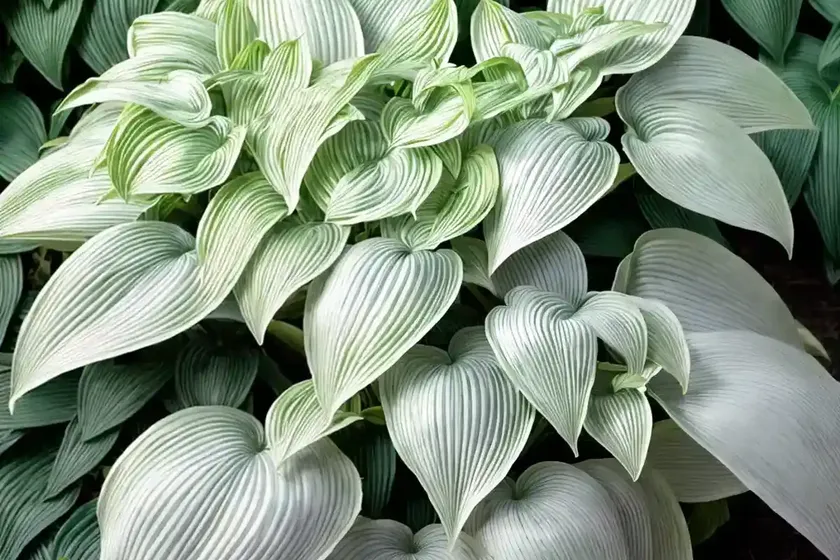
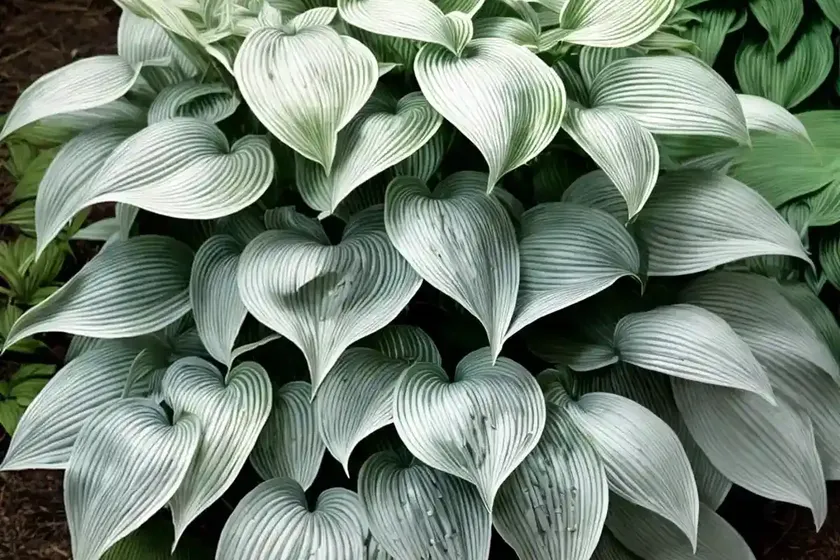
Frances Williams Hosta, a cultivar of Hosta Sieboldiana, is a robust and popular herbaceous perennial appreciated for its striking foliage and elegant presence in gardens. This hosta variety bears large, heart-shaped leaves with deep blue-green centers edged by broad, irregular golden-yellow margins, creating a dramatic and eye-catching display. Its impressive size and striking coloration make it a coveted addition to shaded landscapes and woodland gardens.
Key Takeaways – Frances Williams Hosta (Hosta Sieboldiana ‘Frances Williams’)
Here are the key takeaways before we dive deeper into the specifics of Frances Williams Hosta care:
- Botanical Name: Hosta Sieboldiana ‘Frances Williams’
- Common Name: Frances Williams Hosta
- Family: Asparagaceae
- Type: Herbaceous perennial
- Foliage: Large, heart-shaped leaves with blue-green centers and golden-yellow margins
- Growth Habit: Clump-forming
- Mature Size: 18-24 inches tall, spreading 36-48 inches wide
- Flowers: Funnel-shaped, lavender or white blooms in summer
- Hardiness Zone: 3-8
- Best Suited for: Shady to partially shaded areas
- Uses: Shaded landscapes, woodland gardens, borders, and containers
Now, let’s explore the various aspects of cultivating and caring for Frances Williams Hosta to ensure its optimal growth and health.
Culture
The culture of Frances Williams Hosta encompasses an array of factors, ranging from its preferred soil conditions to suitable pruning practices. Here’s a detailed overview of the cultural requirements for this captivating hosta variety.
Uses
Frances Williams Hosta offers versatile applications in garden settings, thanks to its attractive foliage and adaptability to different light and moisture levels. Some common uses of this hosta variety include:
- Shaded Landscapes: The bold foliage of Frances Williams Hosta provides a captivating visual impact in shaded or partially shaded landscapes, contributing to a lush and inviting ambiance.
- Woodland Gardens: Its shade tolerance and striking leaf patterns make it an ideal addition to woodland gardens, where it can thrive in the dappled sunlight and rich, organic soil.
- Borders and Edging: The voluminous growth and striking foliage of Frances Williams Hosta make it perfect for creating borders and edging in garden beds, accentuating the surrounding plants and flowers.
- Containers: Due to its impressive size and ornamental leaves, Frances Williams Hosta can be cultivated in containers to bring a touch of elegance to patio areas, balconies, and shaded outdoor spaces.
Water
Proper watering is crucial for the health and vigor of Frances Williams Hosta, especially during its active growing season. While this hosta variety exhibits a good tolerance to drought once established, it thrives best in consistently moist, well-draining soil. Here are some essential watering tips for Frances Williams Hosta:
- Established Plants: Water deeply once a week during dry spells, ensuring that the soil remains evenly moist (not waterlogged) to support healthy growth and leaf development.
- Newly Planted Hostas: Provide frequent watering during the establishment period to encourage strong root development and minimize transplant shock. Water newly planted hostas every 2-3 days for the first few weeks, adjusting the frequency based on the weather conditions and soil moisture levels.
- Mulching: Apply a layer of organic mulch around the base of the hosta plants to help retain soil moisture, regulate temperature, and inhibit weed growth. Mulching is particularly beneficial during hot and dry periods, as it helps to conserve soil moisture effectively.
Sunlight
Frances Williams Hosta thrives in partial to full shade, making it an excellent choice for shaded landscapes and gardens. While it can tolerate some morning sun, prolonged exposure to intense sunlight can cause leaf burn and compromise the overall health of the plant. Here are some sunlight-related considerations for Frances Williams Hosta:
- Morning Sun: This hosta variety can tolerate a few hours of morning sun, especially in cooler climates. However, it should be shielded from direct afternoon sun to prevent leaf scorch and maintain vibrant foliage coloration.
- Filtered Shade: Optimal growing conditions for Frances Williams Hosta include filtered or dappled shade, where it can receive gentle, indirect sunlight throughout the day without being exposed to harsh, direct rays.
- Deep Shade: In regions with hot summers, providing deep shade or protection from the intense midday sun is essential for preserving the health and aesthetic appeal of Frances Williams Hosta.
Fertilizer
Feeding your Frances Williams Hosta with a balanced and nutrient-rich fertilizer can enhance its growth and promote the development of lush, vibrant foliage. Here are some important fertilizer guidelines for this hosta variety:
- Timing: Apply a slow-release or granular fertilizer formulated for shade-loving plants in early spring before new growth emerges. This provides the hosta with essential nutrients to support robust foliage development throughout the growing season.
- Application Rate: Follow the manufacturer’s recommendations for the application rate based on the size and age of your Frances Williams Hosta. Avoid over-fertilization, as excessive nitrogen can lead to soft, susceptible foliage and increased vulnerability to pests and diseases.
- Watering After Fertilization: After applying the fertilizer, water the soil thoroughly to facilitate the absorption of nutrients and prevent potential root burn. Adequate moisture is crucial to help the hosta plants utilize the added nutrients effectively.
Soil
The soil requirements for Frances Williams Hosta focus on providing a well-draining, moisture-retentive, and organically enriched growing medium that supports its lush foliage and vigorous growth. Consider the following soil recommendations for cultivating this captivating hosta variety:
- Texture: Opt for a well-draining soil with a loamy or silty texture, as it provides a balance between water retention and aeration. Avoid heavy, compacted soils that impede drainage and limit oxygen availability to the roots.
- Organic Matter: Incorporate organic matter, such as compost, leaf mold, or well-rotted manure, into the soil before planting Frances Williams Hosta to enrich the fertility and structure of the growing medium. This enhances moisture retention and supplies essential nutrients for sustained growth.
- Soil pH: Hosta Sieboldiana ‘Frances Williams’ thrives in slightly acidic to neutral soil with a pH range of 6.0-7.5. Conduct a soil test to assess the pH of your planting area and make necessary amendments to achieve the optimal pH level for this hosta variety.
Pruning
Pruning is not a mandatory practice for Frances Williams Hosta; however, removing spent flower stalks and yellowing or damaged foliage can help maintain a tidy and attractive appearance. Here are some pruning guidelines for this hosta variety:
- Faded Flower Stalks: Once the flowers have finished blooming, trim the flower stalks back to the base of the plant to promote a neat and uncluttered aesthetic.
- Yellowing Foliage: Monitor your Frances Williams Hosta for any yellowing or withered leaves, particularly in the later part of the growing season. Carefully trim off the affected foliage to enhance the overall appearance of the plant and reduce the risk of disease spread.
Propagation
Propagating Frances Williams Hosta allows you to multiply this captivating plant and expand its presence in your garden or share it with fellow gardening enthusiasts. The following methods can be employed for successful propagation of Hosta Sieboldiana ‘Frances Williams’:
Division
Division is the most common and reliable method for propagating Frances Williams Hosta, particularly for mature clumps that have become overcrowded or require rejuvenation. Follow these steps for successful division of this hosta variety:
- Timing: Division is best performed in early spring before the new growth emerges or in early fall when the foliage begins to decline. These periods offer favorable conditions for the hosta plants to establish and thrive following the division process.
- Preparing the Clump: Carefully dig up the mature clump of Frances Williams Hosta, ensuring that the root system remains intact. Gently shake off excess soil to expose the individual rhizomes and their attached roots.
- Separation: Using a sharp, clean garden knife or spade, divide the clump into smaller sections, each containing multiple leaf shoots and a healthy root system. Aim to create divisions with at least 3-5 leaf shoots to ensure their viability and vigor.
- Replanting: Plant the divided sections at the desired locations in the garden, ensuring that they are positioned at the same depth as they were previously growing. Water the newly planted divisions thoroughly to facilitate root establishment and minimize transplant shock.
Seed Propagation
While less common than division, propagating Frances Williams Hosta from seeds can be an exciting and rewarding endeavor. Keep in mind the following considerations for successful seed propagation:
- Seed Collection: Allow the faded flower stalks of Frances Williams Hosta to develop seed pods, which contain the small, dark-colored seeds. Harvest the seeds once the pods have ripened and dried, gently extracting them from the pods for further processing.
- Seed Preparation: Before sowing, consider stratifying the hosta seeds by placing them in a moistened, sterile growing medium and refrigerating them for 6-8 weeks. This cold treatment helps break seed dormancy and enhances germination rates.
- Sowing Seeds: Sow the prepared hosta seeds in seed-starting trays or pots filled with a well-draining, sterile growing medium. Press the seeds lightly into the surface of the soil and cover them with a thin layer of the growing medium to maintain consistent moisture levels.
- Germination and Care: Place the seed trays in a warm, brightly lit location, ensuring that the soil remains consistently moist but not waterlogged. Monitor the trays for germination, which typically occurs within 2-4 weeks. Once the seedlings have developed several sets of true leaves, they can be transplanted into individual containers or outdoor garden beds.
Container Popularity
Frances Williams Hosta’s versatility extends to container gardening, where its ornamental foliage and clumping growth habit make it well-suited for adding visual interest and elegance to outdoor living spaces and patio areas. When growing Frances Williams Hosta in containers, consider the following tips for successful cultivation and care:
- Container Selection: Choose spacious, well-draining containers with adequate drainage holes to accommodate the voluminous growth and expansive root system of Frances Williams Hosta. Opt for containers made of durable materials, such as concrete, ceramic, or high-quality plastic, to provide ample space for the hosta plants to thrive.
- Growing Medium: Fill the containers with a premium quality, well-draining potting mix rich in organic matter to support the vigorous growth and development of Frances Williams Hosta. Avoid compacted or water-retentive soils that can lead to root rot and other moisture-related issues.
- Placement: Position the containers in shaded or partially shaded areas, protecting the hosta plants from direct sunlight and excessive heat to prevent foliage damage and ensure optimal growing conditions. Consider the aesthetic appeal and visual impact of the containers within the overall garden or outdoor space when arranging and displaying Frances Williams Hosta.
Common Diseases
Frances Williams Hosta, like many hosta varieties, is susceptible to certain diseases that can affect its foliage and overall vigor. Understanding these common diseases and their management is vital for maintaining the health and beauty of this captivating hosta variety. Here are some prevalent diseases that may impact Frances Williams Hosta:
- Hosta Virus X (HVX): HVX is a viral disease that can cause significant damage to the foliage of hostas, including chlorosis (yellowing), mottling, and distortion of the leaves. Infected plants should be promptly removed and discarded to prevent the spread of the virus to other healthy hostas in the garden.
- Crown Rot: Crown rot, often caused by fungal pathogens, can result in the gradual decline and wilting of the foliage, accompanied by dark, decaying areas at the base of the plant. To prevent crown rot, ensure proper soil drainage, avoid overwatering, and promptly remove and destroy affected plant material to limit the spread of the disease.
- Slime Mold: Slime mold, characterized by the presence of slimy, mold-like growth on the surface of the hosta leaves or surrounding soil, can detract from the aesthetic appeal of Frances Williams Hosta. While slime mold does not pose a significant threat to the plant’s health, prompt removal and proper sanitation practices can help prevent its recurrence.
Disease Diagnosis
Diagnosing and addressing potential diseases affecting Frances Williams Hosta involves vigilant observation of the foliage, as well as proactive measures to prevent the onset and spread of diseases. Here are some diagnostic considerations when monitoring the health of this hosta variety:
- Leaf Symptoms: Pay close attention to the appearance of the hosta leaves, looking for signs of discoloration, browning, spotting, or unusual patterns. These visual cues can indicate potential diseases or pest infestations that require further assessment.
- Fungal Issues: If you observe any signs of fungal diseases, such as powdery mildew, leaf spots, or mold growth, take prompt action to address the underlying causes and implement appropriate fungicidal treatments if necessary.
- Viral Infections: Hosta Virus X (HVX) can manifest as irregular patterns or discoloration on the leaves, signaling the presence of a viral disease. If you suspect viral infection in your Frances Williams Hosta, consult with a plant health professional and consider removing and disposing of infected plants to prevent further transmission.
Understanding the symptoms and diagnostic markers of potential diseases is essential for implementing timely and effective disease management strategies to safeguard the health and vitality of Frances Williams Hosta.
Common Pests
Frances Williams Hosta is a magnet for several common pests that can compromise its foliage and overall vigor if left unchecked. By being vigilant and proactive, you can protect your hosta plants from these potential threats. Here are some common pests that may affect Hosta Sieboldiana ‘Frances Williams’:
- Slugs and Snails: These voracious pests can cause extensive damage to the hosta leaves, leaving behind irregular holes and ragged edges. Employ various slug and snail control methods, such as diatomaceous earth, beer traps, or copper barriers, to minimize their impact on Frances Williams Hosta.
- Deer: In areas with high deer populations, protection against browsing and grazing damage is essential to prevent the defoliation of Frances Williams Hosta. Implement deer-resistant strategies, such as fencing, repellents, or the selection of less palatable companion plants, to safeguard your hosta plants.
- Hosta Virus X (HVX): While not a traditional pest, HVX poses a significant threat to the health of hostas, including Frances Williams Hosta. Proper sanitation and prompt removal of infected plants are crucial for preventing the spread of this damaging virus within the garden.
Botanist’s Tips
As botanists and dedicated plant enthusiasts, we are passionate about sharing valuable insights and proven tips for cultivating and enjoying Frances Williams Hosta to the fullest. Here are some botanist’s tips to guide you in the care and appreciation of this captivating hosta variety:
- Companion Planting: Pair Frances Williams Hosta with complementary shade-loving plants, such as ferns, astilbes, heucheras, and tiarellas, to create visually engaging and harmonious garden compositions. Consider the varying heights, textures, and foliage colors of the companion plants to achieve an aesthetically pleasing and balanced display.
- Mulching Benefits: The application of organic mulch around Frances Williams Hosta offers multifaceted advantages, including moisture retention, weed suppression, and temperature moderation. Choose natural mulch materials, such as shredded leaves, pine straw, or wood chips, to provide a protective and nurturing layer around the base of the hosta plants.
- Division Frequency: Regular division of mature clumps of Frances Williams Hosta promotes rejuvenation, prevents overcrowding, and stimulates robust growth. Consider dividing established hosta clumps every 3-5 years to maintain their vigor and vitality, ensuring that each division contains sufficient leaf shoots and healthy roots for successful replanting.
- Optimal Moisture Management: While Frances Williams Hosta appreciates consistent soil moisture, it is essential to achieve a balance and avoid waterlogged conditions. Incorporate effective moisture management practices, such as watering in the morning to allow foliage to dry before evening and ensuring proper soil drainage, to promote the health and resilience of the hosta plants.
Fun Facts
Uncover some intriguing and delightful fun facts about Frances Williams Hosta that add to the allure and allure of this captivating plant variety:
- Origin: Hosta Sieboldiana ‘Frances Williams’ originated from a striking sport mutation discovered in a garden setting, leading to its widespread popularity and propagation among plant enthusiasts.
- Named in Honor: This hosta cultivar was named after Frances Ropes Williams, a prominent American gardener and hosta enthusiast known for her contributions to horticulture and her extensive hosta collection.
- Slime-Resistant Foliage: Frances Williams Hosta exhibits a degree of resistance to slime mold, thanks to its robust and waxy foliage that minimizes the adherence of slime and mold spores, contributing to a cleaner and tidier appearance in the garden.
- Varied Landscaping Applications: From borders and woodland gardens to containers and shaded landscapes, Frances Williams Hosta offers remarkable versatility and adaptability, enriching the visual appeal and ambiance of diverse garden settings.
Links to External Resources
For additional information and resources on Frances Williams Hosta (Hosta Sieboldiana ‘Frances Williams’) care, cultivation, and landscaping, consider exploring the following reputable sources and references:
- The American Hosta Society – www.americanhostasociety.org
- The Hosta Library – www.hostalibrary.org
- Royal Horticultural Society (RHS) – www.rhs.org.uk
These resources offer valuable insights, expert recommendations, and captivating images to deepen your understanding and appreciation of Frances Williams Hosta and the captivating world of hostas in general.
By integrating these botanist’s tips, cultural insights, and fun facts into your approach to growing and enjoying Frances Williams Hosta, you can embark on a rewarding and visually enriching journey with this remarkable hosta variety.
Thank you for joining us on this exploration of Frances Williams Hosta, and may your gardening endeavors be graced with the beauty and splendor of this beloved shade-loving plant!
References
- The American Hosta Society. “Hosta”. www.americanhostasociety.org
- The Hosta Library. “Hosta Library”. www.hostalibrary.org
- Royal Horticultural Society (RHS). “Royal Horticultural Society”. [www.r