Fragaria ‘Jewel’ (Junebearing Strawberry)
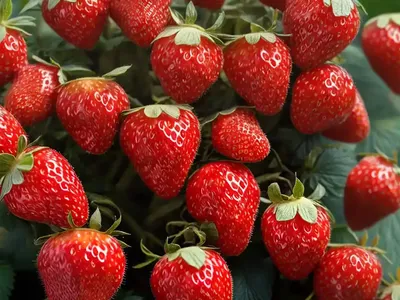
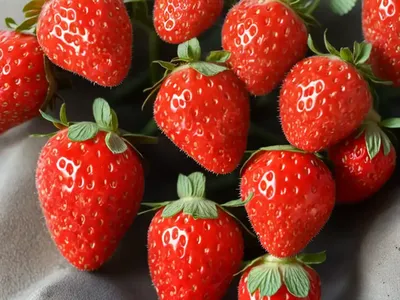
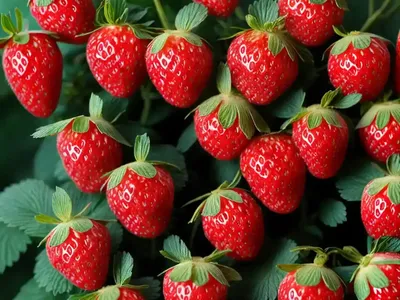
Fragaria ‘Jewel’ or Junebearing Strawberry, scientifically known as Fragaria x ananassa, is a widely popular and widely cultivated strawberry variety. It.
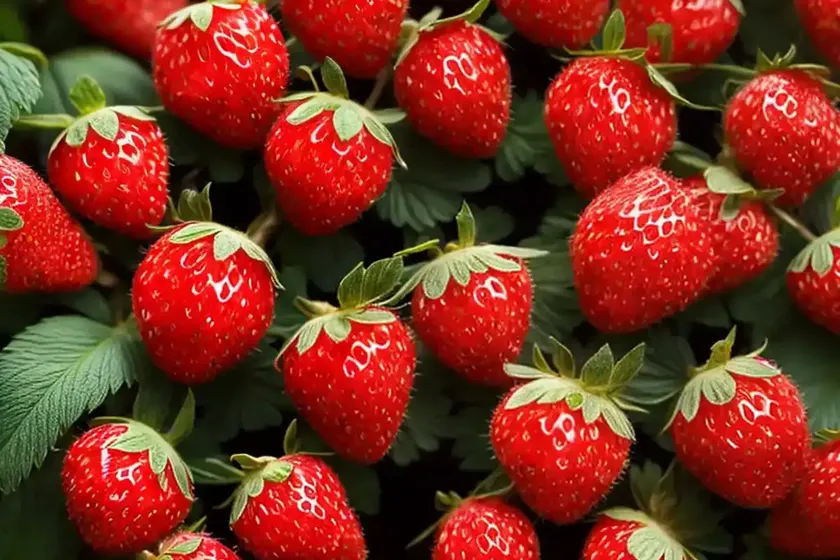
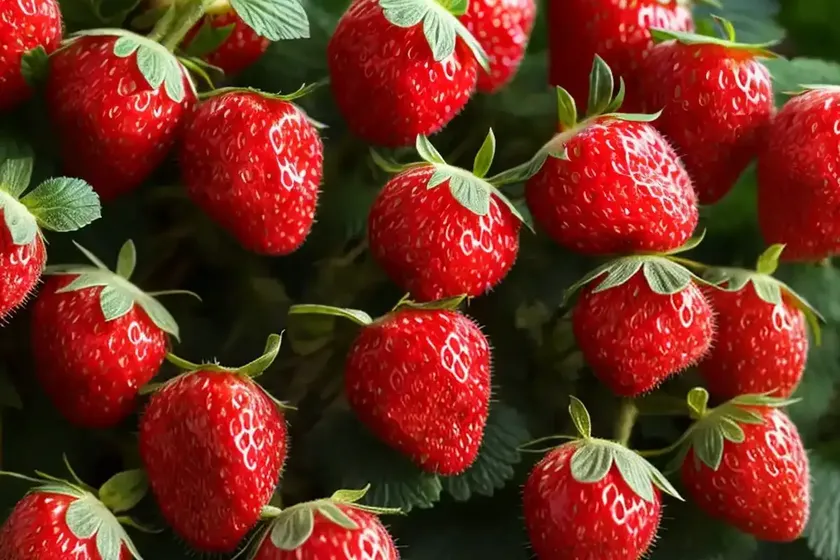
Introduction to Fragaria ‘Jewel’
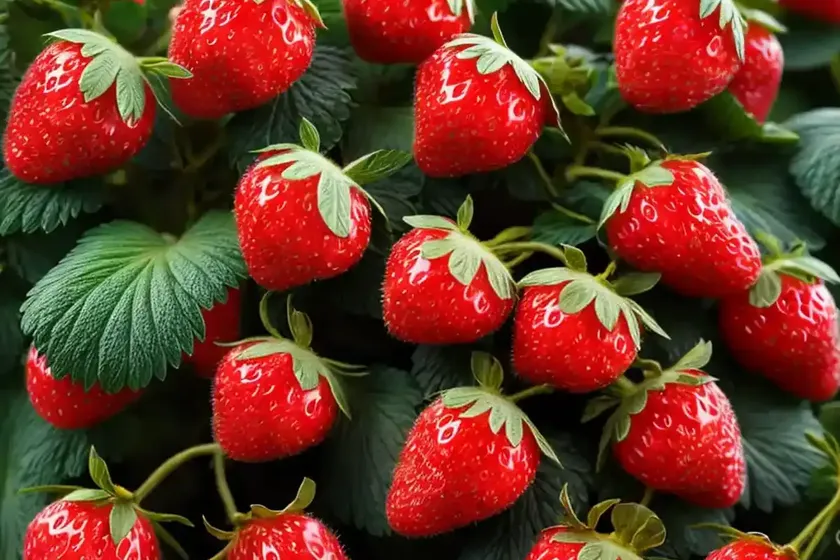
Fragaria ‘Jewel’ or Junebearing Strawberry, scientifically known as Fragaria x ananassa, is a widely popular and widely cultivated strawberry variety. It is a part of the Rosaceae family, and its delicious, juicy, and sweet fruits make it an ideal choice for home gardeners and commercial growers alike. In this comprehensive guide, we will delve into the various aspects of cultivating, caring for, and maintaining Fragaria ‘Jewel’.
Key Takeaways – Fragaria ‘Jewel’ (Junebearing Strawberry)
Let’s start by highlighting some essential points about Fragaria ‘Jewel’ that we’ll be covering in this guide:
– Fragaria ‘Jewel’ is a Junebearing strawberry variety known for its delectable fruits and ease of cultivation.
– This plant requires specific care in terms of water, sunlight, fertilizer, soil, and pruning to thrive and produce an abundant harvest.
– Propagation, common diseases, and pests are essential aspects of maintaining healthy Fragaria ‘Jewel’ plants.
– We will also explore fun facts and botanist’s tips to enhance your understanding and appreciation of this wonderful strawberry variety.
Culture
In this section, we will discuss the culture of Fragaria ‘Jewel’, including its general characteristics, uses, and maintenance requirements.
Uses
The primary use of Fragaria ‘Jewel’ is the production of delicious and nutritious strawberries. These luscious fruits can be consumed fresh, used in various culinary applications such as jams, jellies, desserts, and baked goods, or preserved for long-term enjoyment.
Water
Proper watering is crucial for the health and productivity of Fragaria ‘Jewel’. These plants require consistent moisture, especially during the flowering and fruiting stages. However, it is essential to avoid waterlogged conditions, which can lead to root rot and other issues.
Sunlight
Fragaria ‘Jewel’ thrives in full sun, requiring at least 6-8 hours of direct sunlight per day. Adequate sunlight is essential for robust growth, flowering, and the development of flavorful fruits.
Fertilizer
Appropriate fertilization is vital for promoting healthy growth and bountiful harvests. A balanced fertilizer, specifically formulated for strawberries or fruit-bearing plants, should be applied according to the manufacturer’s recommendations. Additionally, organic amendments such as compost can enhance the soil’s fertility and structure.
Soil
Well-draining, loamy soil with a slightly acidic to neutral pH is ideal for Fragaria ‘Jewel’. Amending the soil with organic matter and ensuring good drainage are essential for preventing waterlogging and promoting optimal root development.
Pruning
Pruning is an essential practice for maintaining the health and productivity of Fragaria ‘Jewel’. Removal of old leaves, runners, and damaged or diseased plant parts promotes air circulation, reduces the risk of diseases, and encourages the development of strong, fruit-bearing crowns.
Propagation
Fragaria ‘Jewel’ can be propagated through various methods, including division, transplanting of runners, and seed sowing. Each approach has its own set of requirements and benefits, and selecting the most suitable method depends on the specific goals and conditions of the grower.
Propagation Methods
- Division: Dividing established plants is a straightforward method of creating new Fragaria ‘Jewel’ specimens. This approach is best undertaken during the plant’s dormant period, and the resulting divisions can be replanted to establish new plants.
- Transplanting Runners: Fragaria ‘Jewel’ produces runners, which are young offshoots that can be transplanted to form new plants. Careful preparation of the runner and proper planting techniques can ensure successful establishment.
- Seed Sowing: Growing Fragaria ‘Jewel’ from seeds allows for the development of new and unique varieties. However, this method typically requires more time and patience compared to vegetative propagation techniques.
Container Popularity
The practice of growing strawberries, including Fragaria ‘Jewel’, in containers has gained popularity due to several advantages. Containers offer greater control over growing conditions, enhance space utilization, and can be particularly beneficial for individuals with limited gardening space.
Benefits of Container Cultivation
- Space Efficiency: Containers enable individuals with small yards or limited outdoor space to grow strawberries successfully.
- Portability: Containers can be moved to optimize sunlight exposure and protection from adverse weather conditions.
- Accessibility: Growing strawberries in containers can make maintenance tasks such as watering, fertilizing, and harvesting more convenient.
Common Diseases
Several diseases can affect Fragaria ‘Jewel’ plants, impacting their growth, yield, and overall health. Understanding the signs and symptoms of common strawberry diseases is crucial for timely intervention and effective management.
Disease Diagnosis
- Botrytis Fruit Rot: This fungal disease causes gray mold on strawberries, particularly in humid and crowded growing conditions. Preventive measures include adequate spacing, good air circulation, and proper sanitation practices.
- Verticillium Wilt: Characterized by wilting, yellowing, and stunted growth, this soilborne disease can adversely affect Fragaria ‘Jewel’. Planting in well-draining soil and selecting disease-resistant varieties are key strategies for prevention.
- Powdery Mildew: Affecting the leaves and sometimes the fruits, powdery mildew manifests as a white, powdery growth. Maintaining proper spacing, reducing humidity, and utilizing fungicidal treatments can help manage this disease.
Common Pests
Pests can pose significant challenges to the cultivation of Fragaria ‘Jewel’, necessitating vigilance and proactive pest management strategies to minimize damage and ensure plant health.
Pest Control Measures
- Strawberry Sap Beetle: These small, dark-colored beetles feed on ripening strawberries, causing damage to the fruits. Timely harvesting and removal of overripe and damaged fruits can help control their populations.
- Spider Mites: These tiny arachnids can infest strawberry plants, leading to stippled, discolored leaves and reduced vigor. Regular monitoring and the application of horticultural oil or insecticidal soap can help control spider mite infestations.
- Slugs and Snails: These mollusks can feed on strawberry leaves and fruits, particularly in damp, shaded areas. Creating physical barriers and employing organic or chemical control methods can mitigate slug and snail damage.
Botanist’s Tips
As a plant scientist, I recommend the following tips for successful cultivation and maintenance of Fragaria ‘Jewel’:
– Soil Testing: Regular soil testing helps ensure that the pH and nutrient levels are within the optimal range for Fragaria ‘Jewel’ growth.
– Mulching: Applying a layer of mulch around the plants helps conserve moisture, suppress weeds, and protect the fruits from direct contact with the soil.
– Companion Planting: Consider interplanting Fragaria ‘Jewel’ with compatible companion plants such as borage, thyme, and marigolds to enhance pollination and deter pests.
Fun Facts
To further pique your interest in Fragaria ‘Jewel’ and the world of strawberries, here are some fascinating fun facts:
– The Fragaria genus belongs to the Rosaceae family, which also includes other well-known fruit-bearing plants such as apples, pears, and cherries.
– The seeds of a strawberry are not true seeds but are actually the plant’s ovaries, and each seed on the outside of the fruit is a separate ovule with a seed inside.
Links to External Resources
For additional information on Fragaria ‘Jewel’, cultivation practices, and strawberry care, you can explore the following resources:
– University of Maryland Extension – Growing Strawberries
– University of California Division of Agriculture and Natural Resources – Strawberries
– The Ohio State University Extension – Growing Strawberries in the Home Garden
In conclusion, Fragaria ‘Jewel’ is a delightful and rewarding strawberry variety that can thrive in a variety of growing conditions with the appropriate care and attention. By understanding its unique characteristics, requirements, and potential challenges, you can create an environment where Fragaria ‘Jewel’ flourishes, producing an abundance of delicious strawberries for your enjoyment. Whether you’re a seasoned gardener or new to strawberry cultivation, the journey of growing Fragaria ‘Jewel’ is sure to be a fruitful and fulfilling experience.
References
- Ahmad, P. (Ed.). (2019). Strawberries: Cultivation, Antioxidant Properties and Health Benefits. Nova Science Publishers.
- Galletta, G. J. (Ed.). (2005). Sixty years of strawberry breeding at Cornell University. HortScience, 40(5), 1198-1199.
- Hancock, J. F., & Finn, C. E. (2019). Strawberry science and plant breeding. In The Genus Fragaria (pp. 3-26). CRC Press.