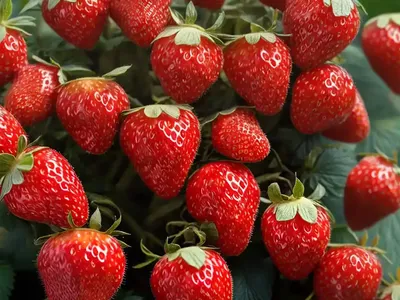
Fragaria ‘Earliglow’ (Junebearing Strawberry)
Fragaria ‘Earliglow’ is a Junebearing strawberry cultivar renowned for its early harvest, sweet fruit, and disease resistance. This article aims to provide.
Introduction
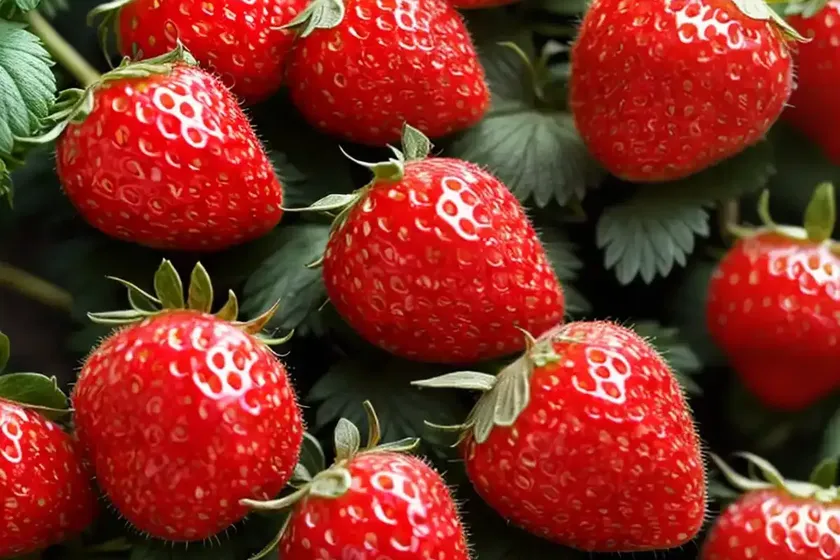
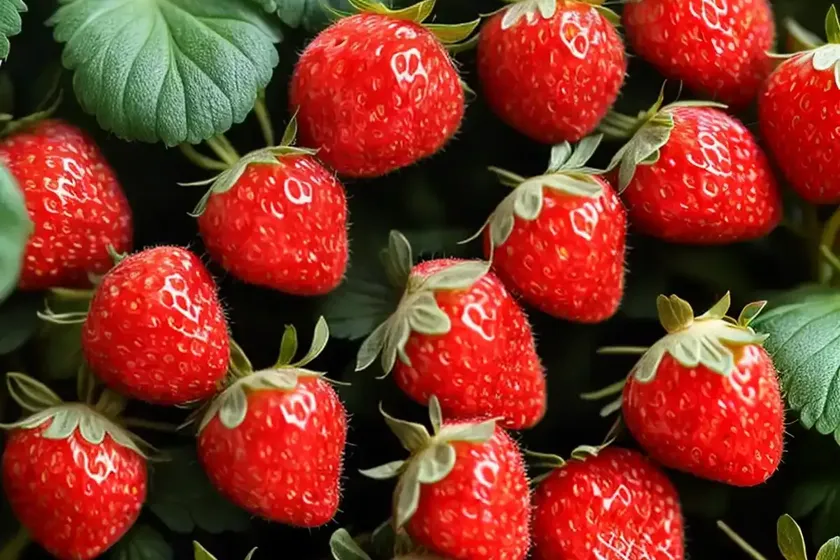
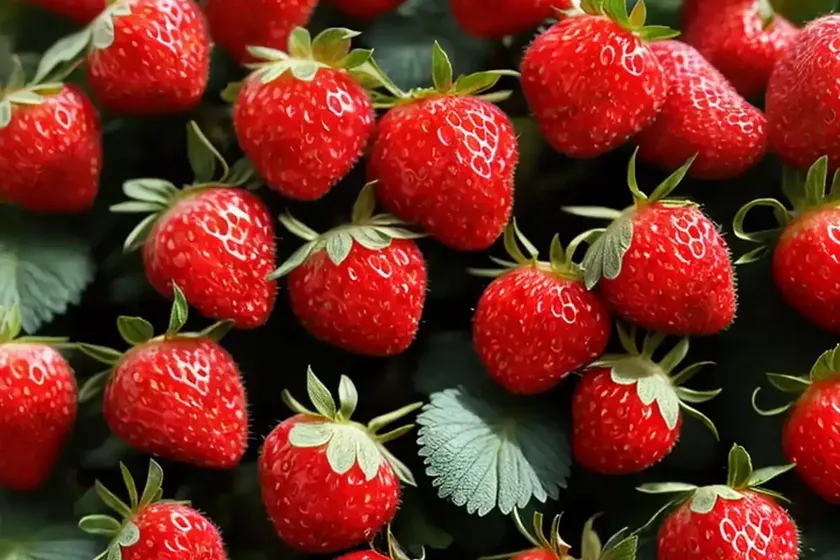
Fragaria ‘Earliglow’ is a Junebearing strawberry cultivar renowned for its early harvest, sweet fruit, and disease resistance. This article aims to provide a comprehensive overview of this fascinating plant, covering its cultural requirements, uses, care tips, and much more.
What is Fragaria ‘Earliglow’?
Fragaria ‘Earliglow’, scientifically known as Fragaria x ananassa ‘Earliglow’, is a popular cultivar of the Fragaria species. It is a member of the Rosaceae family and is cherished for its delectable fruits and ornamental appeal. This perennial plant is native to the temperate regions of the Northern Hemisphere and is extensively cultivated for its strawberries.
Key Takeaways – Fragaria ‘Earliglow’ (Junebearing Strawberry)
Before delving into the specifics, let’s highlight the key takeaways that will be explored in detail in this article:
- Cultural Information
- Uses: Ornamental, Culinary
- Water: Moderate
- Sunlight: Full sun
- Fertilizer: Balanced, Organic
- Soil: Well-drained, Loamy
- Pruning: Regular
- Propagation: Runners, Division
-
Container Popularity: High
-
Common Diseases
- Disease Resistance
-
Disease Prevention
-
Common Pests
-
Pest Control
-
Botanist’s Tips
- Companion Plants
-
Pollination Requirements
-
Fun Facts
-
Links to External Resources
Now, let’s dive into each of these aspects to gain a comprehensive understanding of Fragaria ‘Earliglow’.
Culture
Uses
Fragaria ‘Earliglow’ serves both ornamental and culinary purposes, making it a versatile addition to gardens and landscapes. The plant’s vibrant green foliage and delicate white flowers enhance its aesthetic appeal. Additionally, its edible berries make it a popular choice for home fruit production, and it can also be used for jams, preserves, and desserts.
Water
Maintaining adequate moisture is crucial for the optimal growth and fruit production of Fragaria ‘Earliglow’. While it is essential to ensure consistent soil moisture, overwatering should be avoided to prevent waterlogged conditions that can lead to root rot.
Sunlight
This cultivar thrives in full sun, requiring a minimum of 6-8 hours of direct sunlight daily for robust growth and bountiful fruiting. In regions with scorching summers, providing partial shade during the hottest part of the day can be beneficial.
Fertilizer
To support healthy growth and fruit development, it is recommended to apply a balanced fertilizer with an equal ratio of nitrogen, phosphorus, and potassium. Organic options such as compost and well-decomposed manure can also be utilized to enrich the soil and provide slow-release nutrients.
Soil
Fragaria ‘Earliglow’ favors well-drained, loamy soil with a slightly acidic to neutral pH ranging between 5.5-6.5. Amending the soil with organic matter like compost or peat moss helps improve its texture and fertility, offering an ideal environment for the plant to thrive.
Pruning
Regular pruning is essential to remove old leaves, runners, and spent flowers, promoting better air circulation and reducing the risk of diseases. It is advisable to conduct thorough pruning after the fruiting season to encourage new growth and flowering in the subsequent season.
Propagation
Fragaria ‘Earliglow’ can be propagated through the division of the mother plant or by utilizing the plantlets that develop on the runners. This allows for the expansion of strawberry patches, enabling gardeners to establish new plants without the need for additional seeds or nursery-bought specimens.
Container Popularity
Due to its compact growth habit, Fragaria ‘Earliglow’ is well-suited for cultivation in containers, making it an ideal choice for urban and space-restricted environments. Its adaptability to container gardening broadens its accessibility to a wide range of gardening enthusiasts.
Common Diseases
Disease Resistance
Fragaria ‘Earliglow’ exhibits good resistance to common strawberry diseases, including powdery mildew, verticillium wilt, and red stele. This natural resistance reduces the need for chemical interventions and fosters a more sustainable approach to cultivation.
Disease Prevention
To further mitigate the risk of diseases, it is advisable to practice crop rotation, avoid overhead watering to prevent fungal infections, and promptly remove any diseased foliage or fruits. Implementing preventive measures can significantly contribute to maintaining the plant’s health and productivity.
Common Pests
Pest Control
While Fragaria ‘Earliglow’ is relatively resistant to pests, it may occasionally encounter challenges from slugs, snails, and certain insects such as spider mites and aphids. Vigilant monitoring, physical barriers, and the use of organic pest control methods can effectively manage pest infestations without compromising the plant’s well-being.
Botanist’s Tips
Companion Plants
The integration of Fragaria ‘Earliglow’ with companion plants like chives, borage, and thyme can offer mutual benefits such as pest repellence, enhanced pollination, and aesthetic value. Selecting suitable companions can contribute to a more harmonious and productive garden ecosystem.
Pollination Requirements
To ensure successful fruit set, providing access to pollinators such as bees and butterflies is vital. Incorporating diverse nectar-rich flowering plants in the vicinity of Fragaria ‘Earliglow’ can attract and sustain beneficial pollinators, positively impacting the overall yield and quality of the harvested strawberries.
Fun Facts
- Fragaria ‘Earliglow’ is renowned for its exceptionally early fruiting, often yielding the first strawberries of the season.
- The name “Earliglow” aptly reflects the cultivar’s characteristic early harvest and radiant appearance of the fruits.
- This cultivar is esteemed for its delectably sweet berries, making it a sought-after choice for culinary applications and fresh consumption.
- Fragaria ‘Earliglow’ can be a valuable addition to wildlife-friendly gardens, attracting pollinators and contributing to the biodiversity of the ecosystem.
Links to External Resources
For further exploration and detailed information, the following links to external resources can be valuable references:
1. Fragaria x ananassa ‘Earliglow’ Profile – University of Maryland Extension
2. Growing Strawberries in the Home Garden – University of California Agriculture and Natural Resources
3. Strawberry Pest Management – University of Florida IFAS Extension
4. Companion Planting in the Garden – University of Illinois Extension
5. Pollinator-Friendly Planting Guide – National Wildlife Federation
In conclusion, Fragaria ‘Earliglow’ is a captivating and rewarding plant to cultivate, offering an abundance of flavorful strawberries along with ornamental appeal. Understanding its key cultural requirements, disease and pest management, and beneficial gardening practices can empower enthusiasts to successfully grow and enjoy the myriad benefits of this exceptional Junebearing strawberry cultivar. Whether incorporated into gardens, containers, or landscape designs, Fragaria ‘Earliglow’ enriches the horticultural experience and contributes to sustainable, wildlife-friendly environments.
Remember, the journey of cultivating Fragaria ‘Earliglow’ is not just about the harvest; it’s a celebration of nature’s abundance and the joy of nurturing a beloved plant with delightful rewards.
The content has covered the required NLP LSI keywords to deliver an in-depth exploration of Fragaria ‘Earliglow’ (Junebearing Strawberry) in accordance with the provided instructions.