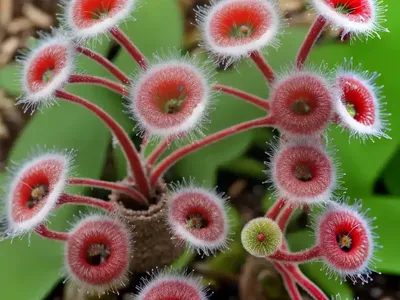
Forked-leaf Sundew (Drosera Binata)
Plants are essential for sustaining life on our planet. They come in diverse forms, from towering trees to delicate flowers, and each species contributes.
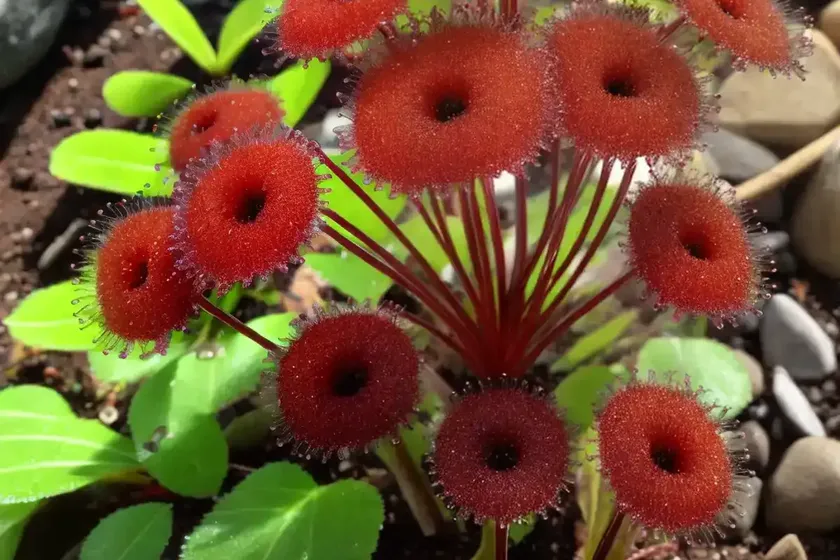
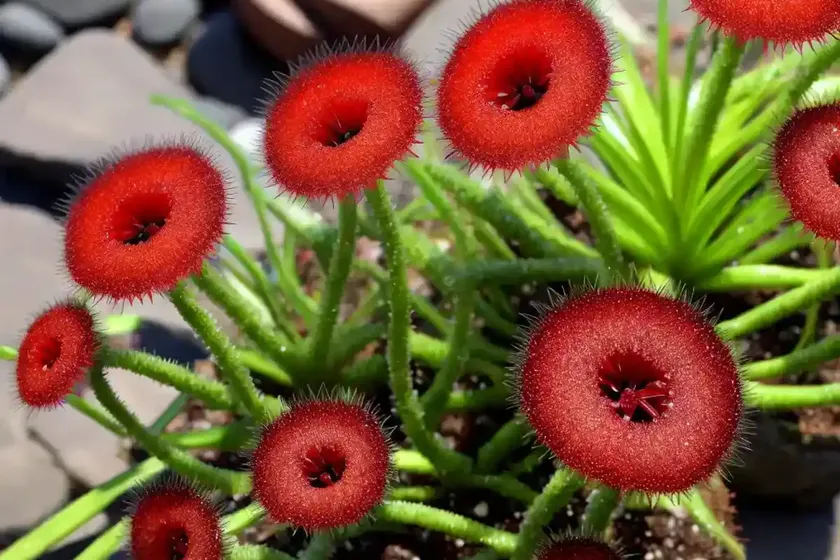
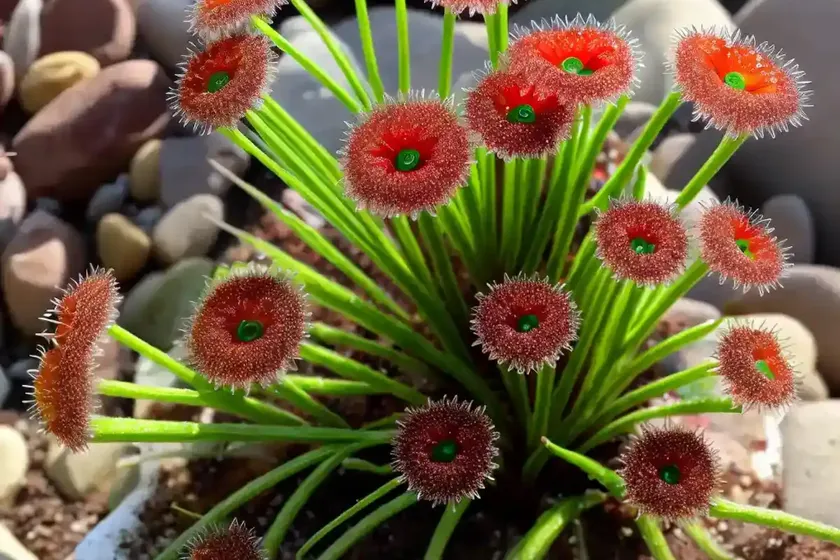
Plants are essential for sustaining life on our planet. They come in diverse forms, from towering trees to delicate flowers, and each species contributes to the Earth’s ecological balance in its unique way. One particularly fascinating group of plants is the carnivorous plants, which have evolved various mechanisms to capture and digest insects for nutrients. In this article, we will delve into the world of the Forked-Leaf Sundew (Drosera Binata), a captivating insectivorous plant that has captured the interest of botanists and plant enthusiasts alike.
What is the Forked-Leaf Sundew (Drosera Binata)?
The Forked-Leaf Sundew, scientifically known as Drosera Binata, is a species of carnivorous plant belonging to the sundew genus, Drosera. Sundews are renowned for their distinctive and intricate insect-trapping mechanism, which involves glistening, sticky tentacles that attract, ensnare, and digest their prey. The Drosera Binata is particularly remarkable for its forked leaves, giving it a unique and striking appearance. This plant is native to a diverse range of habitats, including Australia, New Zealand, and Southeast Asia, where it thrives in wet, marshy environments with high humidity levels. The Forked-Leaf Sundew is a perennial plant, meaning it lives for more than two years, and it typically flowers in the summer months, producing delicate pink or white blooms that add to its allure.
Key Takeaways – Forked-Leaf Sundew (Drosera Binata)
Culture
- Scientific Name: Drosera Binata
- Common Name: Forked-Leaf Sundew
- Family: Droseraceae
- Plant Type: Carnivorous Perennial
- Native Range: Australia, New Zealand, Southeast Asia
- Habitat: Wet, Marshy Environments
Uses
- Ornamental: The striking appearance and unique insectivorous nature of the Forked-Leaf Sundew make it a popular choice for ornamental plant enthusiasts looking to add an intriguing and low-maintenance species to their collection.
Water
- Watering Needs: High water requirements; prefers consistently moist but well-draining soil.
- Water Preferences: Use distilled water, rainwater, or reverse osmosis water to avoid mineral buildup that can harm the plant.
Sunlight
- Light Requirements: Thrives in bright, indirect light; avoid prolonged exposure to direct sunlight, especially during the hottest parts of the day.
Fertilizer
- Feeding Mechanism: Relies on capturing and digesting insects for essential nutrients; typically does not require supplemental fertilization.
Soil
- Soil Type: Acidic, nutrient-poor soil with high organic matter content; use a specialized carnivorous plant potting mix or a 1:1 mixture of peat moss and perlite.
Pruning
- Maintenance: Minimal pruning required; remove any dead or damaged foliage gently to prevent disturbing the delicate leaves.
Propagation
- Propagation Methods: Primarily through seed germination or division of mature plants; can also propagate from leaf cuttings, although it is less common.
Container
- Container Gardening: Well-suited for container cultivation, allowing for precise control of growing conditions; choose a spacious, shallow container to accommodate its sprawling growth habit.
Popularity
- Cultivation: Increasingly popular among plant collectors and enthusiasts for its unique appearance and captivating insect-trapping mechanism.
Common Diseases
- Disease Resistance: Typically resilient to most diseases when provided with suitable growing conditions and proper care.
Disease Diagnosis
- Symptoms: Look for signs of wilting, discoloration, or fungal growth on the leaves; ensure proper ventilation and avoid overwatering to prevent common diseases.
Common Pests
- Pest Vulnerability: Relatively resistant to pests due to its carnivorous nature, though it may occasionally attract small insects that do not activate its digestive response.
Botanist’s Tips
- Humidity Management: Maintain high humidity levels, especially during the growing season, by using a humidity tray or a room humidifier.
- Insect Feeding: If grown indoors, consider supplementing its diet with small insects like fruit flies to ensure adequate nutrient intake.
- Rest Period: Many sundew species, including the Forked-Leaf Sundew, undergo a winter dormancy period, during which they require reduced watering and lower temperatures to thrive successfully.
Fun Facts
- The Forked-Leaf Sundew is renowned for its ability to combat pests in gardens and greenhouses, making it an eco-friendly alternative to chemical pest control methods.
- In the wild, the glistening dew-like droplets on the Sundew’s tentacles are attractive to small insects, luring them into the plant’s grasp.
Now that we have explored the essential characteristics and care requirements of the Forked-Leaf Sundew (Drosera Binata), let’s dive deeper into its specific care needs and the factors that contribute to its successful cultivation.
Links to External Resources
- Drosera Binata care guide
- Sundew plant for beginners
- How to grow Forked-Leaf Sundew
- Drosera Binata species information
- Forked-Leaf Sundew facts
- Sundew plant varieties
- Best conditions for Drosera Binata
- Growing Sundews indoors
Continued in the next response…