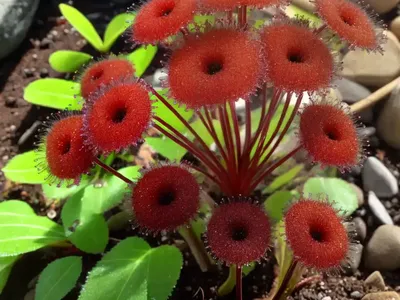
Cape Sundew (Drosera Capensis)
Plants have always intrigued humans with their diverse forms, abilities, and adaptations. Among the remarkable variety of plants, Cape sundew (Drosera.
Introduction
Plants have always intrigued humans with their diverse forms, abilities, and adaptations. Among the remarkable variety of plants, Cape sundew (Drosera capensis) stands out as a captivating example of nature’s marvel. Native to the Cape in South Africa, this carnivorous plant has earned its place as a popular choice for many plant enthusiasts and has also captured the interest of botanists and researchers around the world. In this comprehensive guide, we will delve into the captivating world of the Cape sundew, exploring its culture, uses, care requirements, and much more.
What is Cape Sundew (Drosera capensis)?
Cape sundew, scientifically known as Drosera capensis, is a carnivorous plant belonging to the Droseraceae family. This unique plant is particularly distinguished by its ability to capture and digest prey as a supplemental nutrient source due to its habitat in nutrient-poor soils. The name “sundew” is derived from the glistening droplets present on the plant’s tentacles, which resemble morning dew.
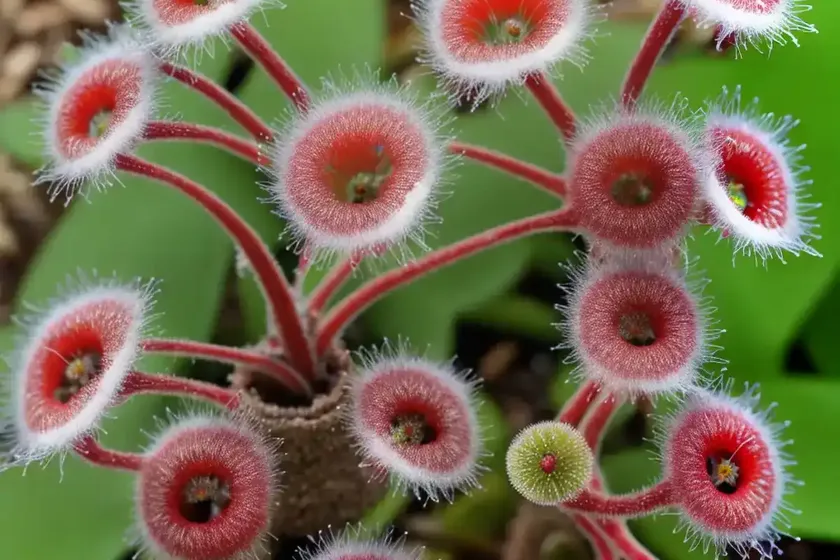
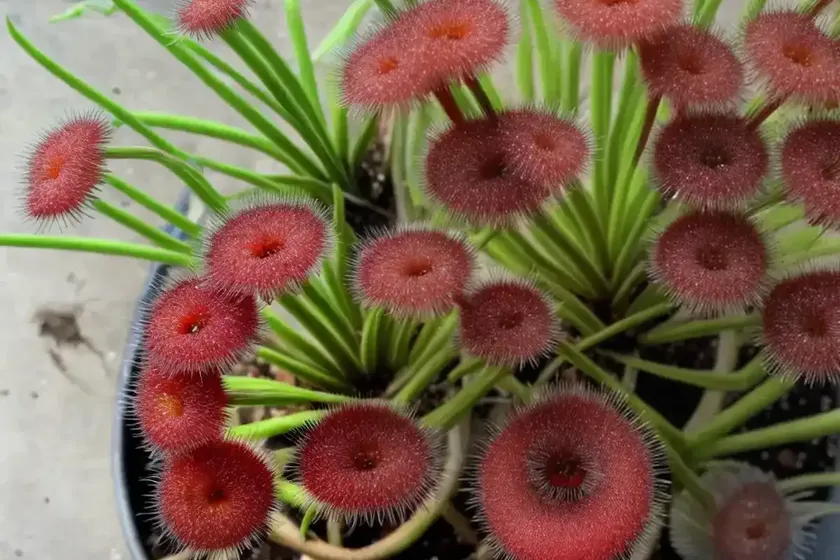
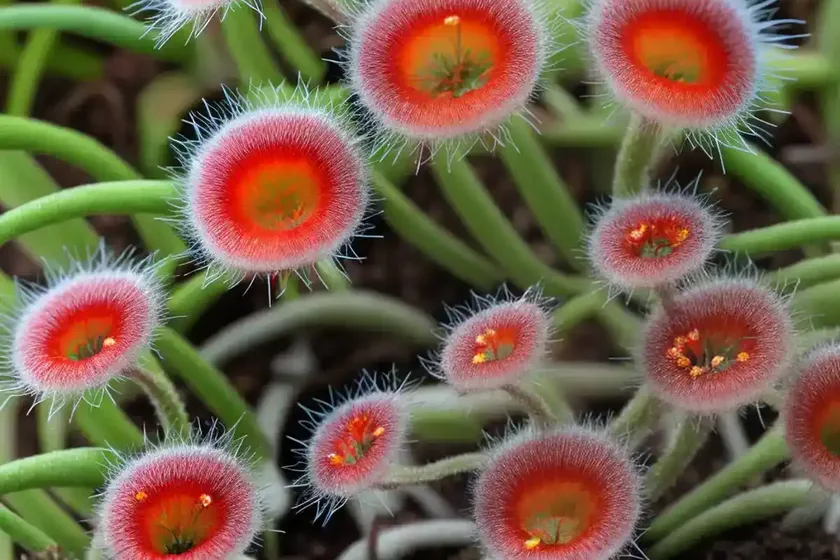
Cape sundew is characterized by its rosette of spoon-shaped leaves, each lined with red glandular hairs that exude a sticky mucilage to ensnare insects. As a perennial species, this plant produces delicate white or pink flowers on slender stalks, enhancing its allure during the flowering season. Besides its captivating appearance, the Cape sundew plays a crucial role in balancing its ecosystem by controlling the population of insects.
Key Takeaways – Cape Sundew (Drosera capensis)
Culture
Cape sundew is a stunning, yet captivating addition to any indoor or outdoor garden. It is relatively easy to grow and can thrive under the right conditions.
Uses
The unique qualities of Cape sundew have made it a popular choice not only for plant enthusiasts but also in traditional and folk medicine, owing to its potential medicinal properties.
Water
Proper watering is crucial for the health of Cape sundews. Being a bog plant, it requires consistently moist soil to thrive.
Sunlight
Cape sundews have a preference for bright, indirect sunlight, mimicking their natural habitat conditions.
Fertilizer
As a carnivorous plant, Cape sundew has evolved to derive its nutrients from insects and does not require traditional fertilization.
Soil
The ideal soil for growing Cape sundew should be well-draining and low in nutrients to emulate its natural bog habitat.
Pruning
Minimal pruning is required for Cape sundew, mainly for the removal of dead leaves or flower stalks.
Propagation
Reproducing Cape sundew can be achieved through seeds or vegetative propagation methods, such as leaf cuttings.
Container
Cape sundew is an excellent candidate for terrariums and other container gardens due to its manageable size and unique appearance.
Popularity
Cape sundew has gained widespread popularity among plant enthusiasts due to its captivating appearance and ease of cultivation. This plant has also become a subject of interest for botanical research and conservation efforts.
Common Diseases
Despite its hardy nature, Cape sundew can occasionally fall victim to certain diseases, such as fungal infections or rot.
Disease Diagnosis
Early detection and treatment are vital in managing any potential diseases to ensure the continued health of the plant.
Common Pests
While Cape sundew has evolved to capture and consume insects, it can still be susceptible to certain pests that may affect its overall health.
Botanist’s Tips
Insights from botanists and experienced growers can offer invaluable guidance in cultivating and caring for Cape sundew.
Fun Facts
Exploring the lesser-known aspects of the Cape sundew’s life and behavior can deepen our appreciation for this fascinating plant.
Cape Sundew (Drosera capensis) in Detail
In the subsequent sections, we’ll delve deeper into the various aspects of Cape sundew’s culture, care requirements, and unique characteristics.
Cape Sundew Care Guide
Water
Adequate and consistent moisture levels are crucial for the health of Cape sundews. As bog plants, they naturally thrive in consistently moist environments. However, it is essential to strike a balance and prevent waterlogging, which can lead to root rot and other complications.
Water Requirements:
- Keep the soil consistently moist, but not waterlogged, mimicking the damp conditions of its natural habitat.
- Use distilled water, rainwater, or reverse osmosis water to eliminate the risk of mineral buildup from tap water.
Sunlight
As native inhabitants of South Africa, Cape sundews have adapted to thrive in bright, indirect sunlight. When grown indoors, they should be placed near a bright window to receive ample but filtered natural light.
Light Preferences:
- Provide bright, indirect sunlight to simulate natural habitat conditions.
- Avoid prolonged exposure to direct sunlight, especially during the hottest times of the day, to prevent leaf scorching.
Fertilizer
Due to their carnivorous nature, Cape sundews derive their nutrients from the insects they capture, digests, and absorb. As a result, traditional fertilizer application is unnecessary and can even be detrimental to the plant’s health.
Feeding:
- Allow the plant to capture and consume insects naturally as its primary source of nutrients.
- Avoid offering traditional plant fertilizers, as they contain elements that are harmful to carnivorous plants.
Soil
Creating an environment that resembles the Cape sundew’s natural bog habitat is essential for its well-being. This includes using a soil mix that is low in nutrients and promotes adequate moisture retention.
Best Soil:
- Utilize a well-draining, nutrient-poor soil mix, such as a combination of sphagnum moss and perlite.
- Avoid conventional potting mixes, which may contain high levels of nutrients that can be detrimental to Cape sundew’s health.
Pruning
Minimal pruning is generally required for Cape sundew, mostly involving the removal of dead leaves and spent flower stalks to maintain the plant’s overall appearance and health.
Pruning Tips:
- Trim away any withered or discolored leaves close to the base of the plant.
- After the flowering season, remove the spent flower stalks to encourage energy conservation within the plant.
Propagation
Reproducing Cape sundew can be achieved through various methods, including leaf cuttings, division, and seed propagation, offering opportunities to expand your collection or share the plant with others.
Propagation Methods:
- Leaf cuttings: Select healthy leaves and place them in a suitable growing medium to encourage the development of new plants.
- Division: Divide mature plants into smaller sections, each containing sufficient root mass for independent growth.
Container Gardening
Cape sundew’s manageable size and intriguing appearance make it an excellent candidate for container gardening, including terrarium and bog garden setups.
Terrarium Setup:
- Select a transparent container to allow ample light penetration and showcase the plant’s unique attributes.
- Ensure proper ventilation to prevent the buildup of excess moisture, which can lead to fungal issues.
Common Diseases
While Cape sundew is relatively resilient, it can be susceptible to certain diseases, including fungal infections, bacterial issues, and rot.
Disease Management:
- Maintain ideal growing conditions, including appropriate moisture levels, to minimize the risk of fungal and bacterial diseases.
- Promptly address any signs of disease, such as leaf discoloration or wilting, through targeted treatments.
Common Pests
Despite its carnivorous nature, Cape sundew can still be affected by common pests that may impact its overall health and vitality.
Pest Control:
- Regularly inspect the plant for signs of pests, such as aphids or spider mites, especially when grown in proximity to other plants.
- Employ natural pest control methods, such as introducing predatory insects, to manage pest populations effectively.
Botanist’s Tips
Drawing from the expertise of botanists and experienced growers can offer valuable insights into optimizing the growth and well-being of Cape sundew.
Professional Guidance:
- Seek advice from botanists, horticulturists, or experienced growers for specific cultivation tips tailored to your unique growing conditions.
- Research botanical resources and publications to expand your knowledge of Cape sundew and its related species.
Fun Facts
Exploring the lesser-known aspects of Cape sundew’s life and behavior can deepen our appreciation for this captivating and unique plant species.
Intriguing Characteristics:
- The glistening droplets found on Cape sundew’s tentacles serve to attract, ensnare, and digest insects, highlighting its carnivorous nature.
- Cape sundew displays a unique leaf movement response, with its tentacles exhibiting rapid curling upon contact with prey.
Cape Sundew in the Wild
Understanding the natural habitat and ecological role of Cape sundew can provide valuable insights into replicating optimal growing conditions.
Natural Habitats:
- Cape sundew thrives in damp, nutrient-poor areas such as bogs, marshes, and wetlands, where it has evolved to meet its specialized nutritional requirements.
- Observing the plant in its natural habitat can provide inspiration for recreating similar conditions in cultivated settings.
Cape Sundew Varieties
Through selective breeding and natural adaptation, various varieties and cultivars of Cape sundew have been developed, each showcasing distinctive traits and characteristics.
Cultivar Diversity:
- Explore the diverse range of Cape sundew varieties, each offering unique leaf coloration, flower forms, and growth habits.
Cape Sundew and Pollination
Understanding the pollination process and reproductive cycle of Cape sundew sheds light on its intricate relationship with pollinators and its role in the ecosystem.
Pollination Insights:
- Delicate white or pink flowers produced by Cape sundew attract a range of pollinators, contributing to its reproductive success.
- Examining the pollination behavior of Cape sundew offers fascinating insights into its interaction with diverse insect species.
Cape Sundew Life Cycle
Exploring the life cycle of Cape sundew, from seed germination to the maturation of mature plants, offers a comprehensive understanding of its growth and development.
Germination and Growth:
- Cape sundew undergoes a remarkable life cycle, starting from the germination of tiny seeds to the formation of intricate rosettes and flowering stalks.
Cape Sundew (Drosera capensis) Cultivation Tips
Terrarium Cultivation
Cape sundew’s compact size and captivating appearance make it an ideal candidate for terrarium cultivation, creating a miniature bog environment to showcase the plant’s unique attributes.
Terrarium Setup:
- Select a spacious terrarium to accommodate Cape sundew’s growth habit while allowing adequate space for airflow and observation.
- Create a suitable terrarium substrate using a combination of sphagnum moss, perlite, and horticultural sand to mimic its natural bog habitat.
Indoor Care
Cultivating Cape sundew indoors allows for year-round enjoyment of this captivating plant, provided that its specific care requirements are met.
Indoor Environment:
- Position Cape sundew near a bright window to ensure access to sufficient indirect sunlight, taking care to avoid prolonged exposure to direct sunlight.
- Maintain consistent humidity levels, especially in indoor environments with drier air, to support the plant’s well-being.
Substrates for Drosera capensis
Selecting an appropriate substrate is essential for replicating the optimal growing conditions necessary for the health and vitality of Cape sundew.
Suitable Substrates:
- Utilize a well-draining substrate composed of primarily sphagnum moss, perlite, and horticultural sand, aiming to create a low-nutrient medium.
- Avoid substrates with high levels of organic matter or nutrients, which may be detrimental to Cape sundew’s well-being.
Water Requirements
Consistently maintaining appropriate moisture levels is a key factor in successful Cape sundew cultivation, closely emulating the damp conditions of its natural bog habitat.
Moisture Management:
- Ensure that the soil remains consistently moist, but not waterlogged, to support healthy growth and prevent issues such as root rot.
- Use distilled water, rainwater, or reverse osmosis water to avoid the potential buildup of harmful minerals found in tap water.
Cape Sundew in Bog Gardens
Creating a dedicated bog garden provides an opportunity to cultivate Cape sundew alongside other moisture-loving plants, while closely replicating its natural habitat.
Bog Garden Design:
- Select an area with consistently damp conditions to establish a dedicated bog garden, ensuring adequate drainage to prevent waterlogging.
- Introduce a diverse range of moisture-loving plants to complement Cape sundew and create a thriving micro-ecosystem.
Cape Sundew: Unique Features and Adaptations
Caring for Cape Sundew
From its intriguing leaf movement to its captivating ability to trap and consume insects, caring for Cape sundew involves an appreciation and understanding of its unique features and behaviors.
Leaf Movement:
- Cape sundew exhibits rapid leaf movement in response to prey, with its tentacles swiftly curling around captured insects to facilitate digestion.
- Observing and appreciating this unique feature adds to the plant’s allure and provides insight into its carnivorous nature.
Carnivorous Adaptations
Cape sundew has evolved a range of distinctive adaptations to thrive in its nutrient-poor, boggy habitats, making it a fascinating subject for botanical study and observation.
Nutritional Strategy:
- The unique nutritional strategy of Cape sundew involves capturing, ensnaring, and digesting insects to supplement its nutrient requirements, a captivating aspect for botanists and enthusiasts alike.
Medicinal Uses
Beyond its ornamental value, Cape sundew has been recognized for its potential medicinal applications, particularly in traditional and folk medicine practices.
Natural Remedies:
- Explore the historical and contemporary applications of Cape sundew in traditional healing practices, as well as ongoing research into its potential medicinal properties.
Folklore and Symbolic Meaning
Cape sundew has been intertwined with traditional folklore and cultural symbolism, adding an intriguing layer of significance to its captivating presence.
Symbolic Significance:
- Uncover the symbolic meanings and cultural associations attributed to Cape sundew throughout history and across different cultures, providing context to its cultural impact.
Conclusion
The entrancing world of Cape sundew (Drosera capensis) encompasses a realm of captivating traits, from its captivating appearance and unique nutritional strategy to its intricate adaptations and cultural significance. By delving into the culture, care requirements, and fascinating attributes of this remarkable carnivorous plant, we gain a deeper appreciation for its place in both the natural world and human fascination. As we continue to explore and cultivate this captivating species, let us remain mindful of the delicate balance between its botanical allure and ecological importance, ensuring its enduring presence in our collective appreciation of nature’s wonders.
Links to External Resources
- Drosera capensis – The Cape Sundew
- Growing Carnivorous Plants
- International Carnivorous Plant Society
- The Savage Garden: Cultivating Carnivorous Plants
- Cape Sundew Terrarium Setup
- Carnivorous Plant Resource
- Cultivating Drosera capensis – Plant Care Guide
- Creating a Bog Garden for Carnivorous Plants
- Medicinal Uses of Drosera capensis
- Folklore and Symbolism of Carnivorous Plants