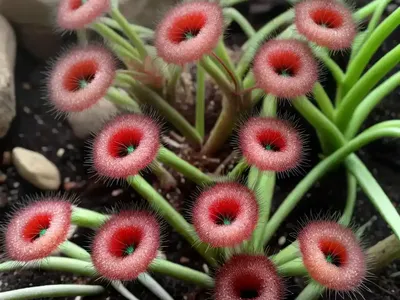
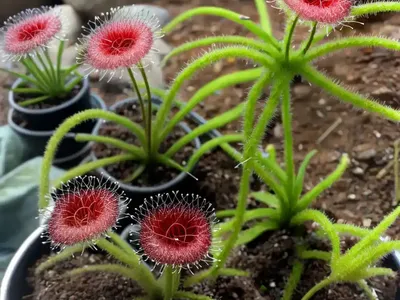
Drosera Spatulata (Drosera Spatulata)
Plants are incredible, diverse organisms that play a vital role in the ecosystem. From towering trees of the rainforest to the delicate wildflowers in a.
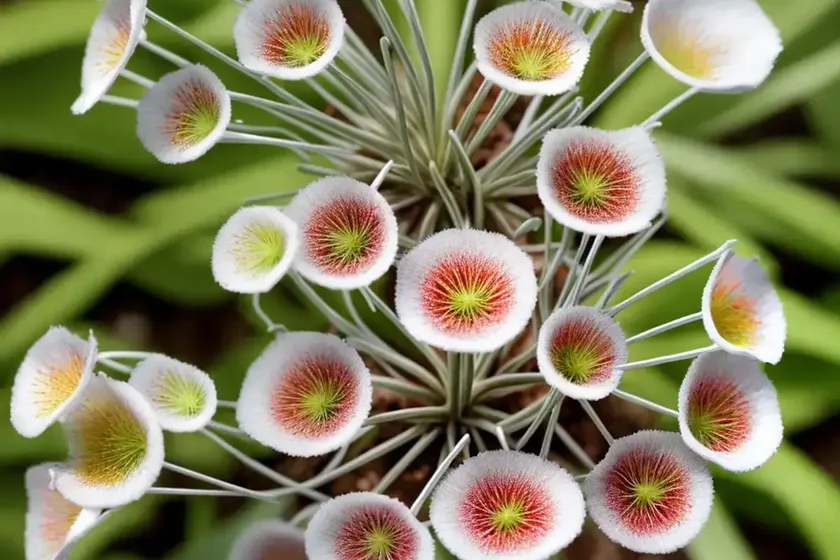
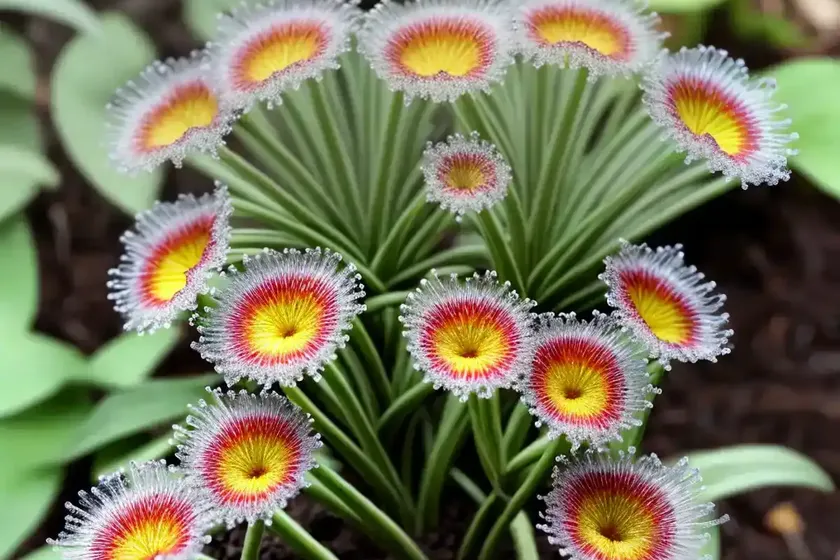
Plants are incredible, diverse organisms that play a vital role in the ecosystem. From towering trees of the rainforest to the delicate wildflowers in a meadow, the world of plants is a source of fascination and wonder. One group of plants that often captures the imagination of botanists and plant enthusiasts alike is the carnivorous plants. Among these intriguing species, Drosera Spatulata stands out as a particularly fascinating specimen.
In this comprehensive guide, we will delve into the world of Drosera Spatulata, also known as the sundew plant. We will explore its taxonomy, habitat, cultivation, and care requirements, as well as its unique characteristics and uses. Whether you are a seasoned plant enthusiast or a beginner looking to expand your botanical knowledge, this article will provide you with a wealth of information about this extraordinary plant.
What is Drosera Spatulata?
About Drosera Spatulata (Sundew Plant)
Drosera Spatulata, commonly known as the sundew plant, belongs to the genus Drosera within the family Droseraceae. This enchanting plant is known for its unique and distinctive feature – the glistening, dew-like droplets that adorn its leaves, giving it the appearance of a sparkling jewel in the sunlight. These droplets are actually sticky mucilage that serves as a trapping mechanism for small insects, making Drosera Spatulata a carnivorous plant.
Native to a variety of habitats including Australia, New Zealand, and Asia, Drosera Spatulata can be found in moist and sandy environments such as bogs, marshes, and wetlands. Its ability to thrive in nutrient-poor soils has led to the evolution of its carnivorous behavior, enabling it to supplement its nutritional needs by capturing and digesting small prey.
Taxonomy of Drosera Spatulata
The taxonomy of Drosera Spatulata is as follows:
- Kingdom: Plantae
- Order: Caryophyllales
- Family: Droseraceae
- Genus: Drosera
- Species: Drosera Spatulata
Morphology of Drosera Spatulata
Characteristics:
– Rosette-forming plant
– Narrow spatula-shaped leaves covered with glandular tentacles
– Glistening mucilage droplets on the tentacles
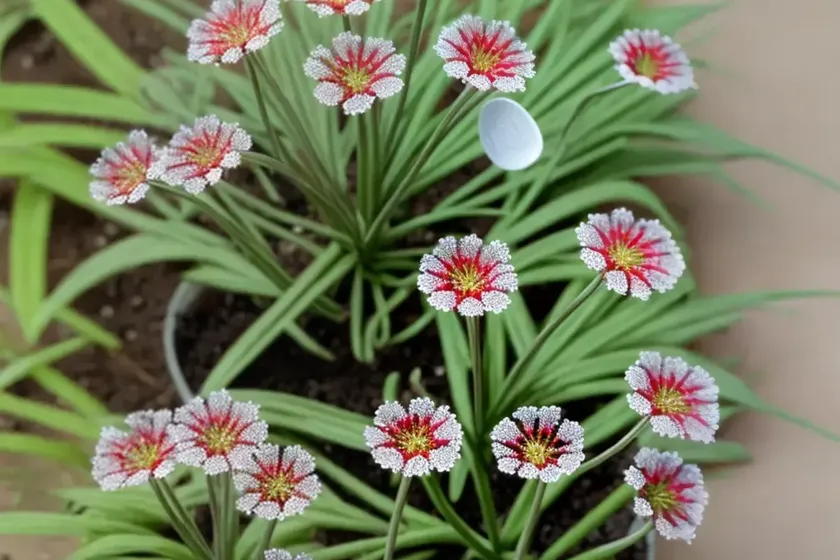
– Delicate, white or pink flowers borne on slender stalks
Key Takeaways – Drosera Spatulata
Before we delve into the specifics of caring for Drosera Spatulata, let’s take a look at some key takeaways about this fascinating plant:
-
Carnivorous Behavior: Drosera Spatulata is a carnivorous plant that captures and digests small insects as a source of nutrients due to its adaptation to low-nutrient environments.
-
Unique Morphology: The distinctive spatula-shaped leaves adorned with glistening droplets make Drosera Spatulata an eye-catching addition to any plant collection.
-
Native Habitat: This species is native to a range of regions, from Australia to Asia, where it can be found in damp, sandy environments. Understanding its natural habitat is crucial to successfully cultivating this plant.
With these key points in mind, let’s explore the various aspects of caring for Drosera Spatulata, including its cultural requirements, uses, and propagation methods.
Culture
Water
Water Requirements:
Drosera Spatulata, being native to moist and sandy environments, has specific water requirements that are essential for its health and well-being. As a carnivorous plant, it relies on a consistent supply of pure water, free from salts and minerals. Rainwater and distilled water are ideal choices for watering Drosera Spatulata, as tap water often contains additives and minerals that can be harmful to the plant.
Watering Methods:
-
Tray Method: This involves placing the pot of Drosera Spatulata in a dish or tray filled with water. The plant will draw up moisture through the drainage holes in the pot, mimicking its natural boggy habitat.
-
Top Watering: Care should be taken to water the plant from above, ensuring that the soil is moist but not waterlogged. Watering from above can help simulate rainfall in the plant’s natural environment.
Sunlight
Light Requirements:
Drosera Spatulata thrives in bright, indirect light and can also tolerate direct sunlight for a few hours each day, particularly in the morning or late afternoon. Providing adequate light is essential for the plant’s photosynthetic processes and overall growth. For indoor cultivation, placing the plant near a south-facing window or under artificial grow lights can help meet its light requirements.
Fertilizer
Feeding the Carnivorous Plant:
Unlike most plants, Drosera Spatulata does not require traditional fertilizers or plant food. As an insectivorous species, it obtains its nutrients from the insects it captures. Feeding the plant can be facilitated by allowing it to capture small prey, such as fruit flies, mosquitoes, or gnats. Caution should be exercised to avoid overfeeding, as this can lead to excessive production of mucilage and potential stress on the plant.
Soil
Soil Requirements:
The soil mix for Drosera Spatulata should be nutrient-poor and well-draining, mimicking its natural sandy and peaty habitat. A typical soil mix for this plant may include a combination of sphagnum moss, perlite, and sand. The porous nature of the soil mix allows for adequate aeration and water drainage, preventing waterlogging that can be detrimental to the plant’s roots.
Pruning
Pruning Needs
Pruning is not typically necessary for Drosera Spatulata, as it does not require regular trimming or shaping. The plant’s growth habit is generally compact and rosette-forming, with the leaves arranged in a symmetrical pattern. However, any dead or decaying leaves can be gently removed to maintain the overall health and appearance of the plant.
Propagation
Propagation Methods
Drosera Spatulata can be propagated through several methods, each of which offers an opportunity to expand your collection of these captivating plants:
-
Leaf Cuttings: A leaf with a portion of the petiole can be carefully cut and placed on moist, peat-based soil. Over time, the leaf cutting will develop new plantlets at its base.
-
Seed Propagation: Collecting and germinating seeds from mature Drosera Spatulata plants can also yield new offspring. The seeds should be sown on a suitable soil mix and kept consistently moist until germination occurs.
Container
Container Requirements:
When selecting a container for cultivating Drosera Spatulata, it is important to choose a pot or tray that provides adequate drainage and is of an appropriate size for the plant’s root system. Plastic, glass, or terracotta pots can be used, with drainage holes to prevent waterlogging. Additionally, using a shallow container can mimic the plant’s natural habitat and support its growth.
Popularity
Drosera Spatulata has garnered a fervent following among plant enthusiasts, particularly those with an interest in carnivorous plants. Its captivating appearance, unique feeding behavior, and relatively manageable care requirements make it an appealing choice for both beginner and experienced growers. As more people discover the allure of carnivorous plants, Drosera Spatulata has emerged as a sought-after species for cultivation and collection.
Common Diseases
Disease Diagnosis
Drosera Spatulata is generally resilient to many common plant diseases, thanks in part to its adaptation to nutrient-poor environments and its carnivorous behavior. However, certain conditions or environmental stressors can make the plant susceptible to issues such as:
-
Fungal Infections: Excessive moisture or poor air circulation can create conditions favorable for fungal diseases. Symptoms may include leaf spot, browning of leaves, or a fuzzy, mold-like growth on the foliage.
-
Rot: Waterlogging or prolonged dampness in the soil can lead to root rot, causing the plant to wilt or exhibit signs of decay.
Early detection and prompt intervention are crucial to addressing any potential diseases or health concerns in Drosera Spatulata.
Common Pests
Pest Control
While carnivorous plants such as Drosera Spatulata have evolved to capture and consume small insects, they are not immune to certain pests that can negatively impact their health. Some potential pests to be mindful of include:
-
Aphids: These small, sap-sucking insects can infest the foliage of Drosera Spatulata, causing damage to the plant’s leaves and impeding its ability to capture prey.
-
Spider Mites: Infestations of spider mites can result in webbing on the leaves, stippling, and discoloration, ultimately weakening the plant.
Regular observation of the plant’s foliage and proper cultural care can help mitigate the risk of pest infestations and ensure the plant remains healthy and free from detrimental pests.
Botanist’s Tips
Here are some valuable tips to keep in mind when caring for Drosera Spatulata:
-
Understanding the Natural Habitat: Familiarize yourself with the plant’s native environment to create suitable growing conditions, including water, light, and temperature requirements that mimic its natural habitat.
-
Feeding Considerations: While it may be tempting to experiment with feeding techniques, it is important to allow the plant to capture prey naturally, as overfeeding can lead to stress and excess mucilage production.
-
Air Circulation: Adequate air circulation is important to prevent fungal issues and ensure the health of the plant. Good ventilation can be achieved by careful positioning of the plant and the use of fans in indoor settings.
Fun Facts
-
The glistening droplets on the leaves of Drosera Spatulata are actually specialized mucilage secretions that serve to ensnare and digest small insects, providing the plant with vital nutrients.
-
Drosera Spatulata is a member of the sundew genus, a group of carnivorous plants renowned for their captivating trapping mechanisms and unique feeding habits.
-
The delicate flowers of Drosera Spatulata, which appear on slender stalks above the rosette of leaves, add an exquisite touch to the plant’s appearance.
Links to External Resources
For further exploration of Drosera Spatulata and related topics, the following resources provide valuable information and insights:
– International Carnivorous Plant Society
– The Savage Garden: Cultivating Carnivorous Plants
– Carnivorous Plant Resource
In conclusion, Drosera Spatulata stands as a captivating representative of the diverse and compelling world of plants. Its unique morphology, intriguing feeding habits, and remarkable adaptations make it a plant of immense interest for exploration and cultivation. By understanding its natural habitat, meeting its specific cultural requirements, and appreciating its distinctive features, enthusiasts can embark on a rewarding journey of caring for and appreciating this extraordinary species. Whether as a captivating addition to a plant collection or a subject of botanical study, Drosera Spatulata continues to enchant and inspire with its remarkable presence in the realm of carnivorous plants.