California Sycamore (Platanus Racemosa)
The California Sycamore, scientifically known as Platanus Racemosa, is an iconic tree that graces the landscapes of the western United States. This.


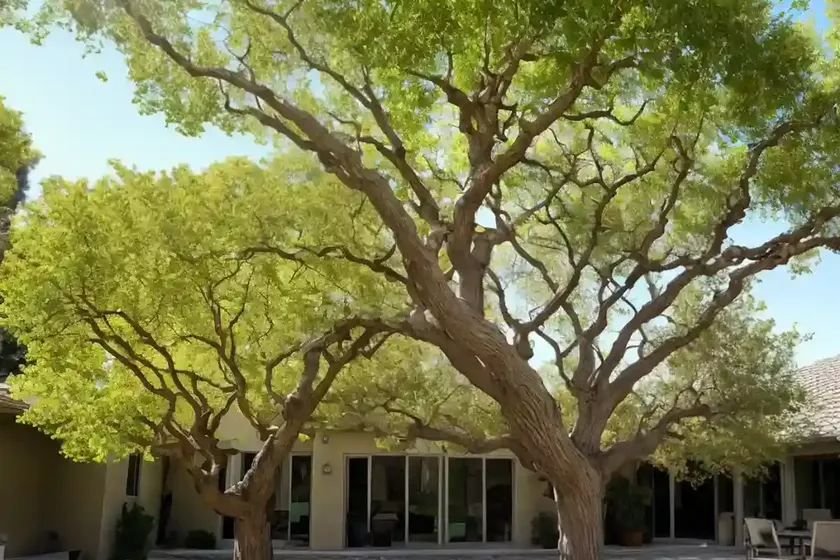
Introduction: Understanding the California Sycamore
The California Sycamore, scientifically known as Platanus Racemosa, is an iconic tree that graces the landscapes of the western United States. This majestic tree, with its distinct features and ecological significance, showcases the resilience and diversity of native plants in California. With its wide-ranging habitat, cultural uses, and environmental benefits, the California Sycamore holds a special place in the ecosystem and in the hearts of those who appreciate its beauty and contributions. In this comprehensive blog post, we will delve into the various aspects of the California Sycamore – from its cultural significance to its growth habits, and from its habitat to its landscape uses.
California Sycamore (Platanus Racemosa): Key Takeaways
The California Sycamore, also known by its scientific name Platanus Racemosa, is a significant tree with a plethora of unique characteristics, cultural uses, and ecological benefits. Our exploration will cover a wide array of aspects related to this remarkable tree, including its cultural significance, habitat, environmental benefits, and landscape uses, among others. The specific topics that will be covered include:
1. Cultural Uses
2. Water Requirements
3. Sunlight Needs
4. Fertilization Tips
5. Soil Preferences
6. Pruning Techniques
7. Propagation Methods
8. Popularity and Common Diseases
9. Common Pests and Pest Control
Cultural Uses of the California Sycamore
The California Sycamore has garnered cultural significance and traditional uses that have been cherished for generations. From its historical importance to its modern-day applications, the tree holds a special place in various realms of human life.
Cultural Significance
The California Sycamore has been embedded in the culture and traditions of California’s indigenous peoples for centuries. It has served as a symbol of resilience, sustainability, and interconnectedness with nature.
Modern Applications
In contemporary times, the California Sycamore continues to be valued for its aesthetic appeal and environmental contributions. It is often used in landscaping, urban greening projects, and as an emblem of California’s natural heritage.
Water Requirements for the California Sycamore
Understanding the water needs of the California Sycamore is crucial for ensuring its optimal growth and health. Proper irrigation and water management are essential factors to consider when cultivating and maintaining these trees.
Watering Guidelines
The California Sycamore thrives in locations with well-drained soil and is moderately tolerant of drought conditions. However, during its establishment phase, regular watering is essential to foster healthy root development.
Drought Resistance
This tree possesses natural adaptations that allow it to withstand periods of drought. With its deep root system, the California Sycamore can access groundwater sources, enabling it to survive in arid environments.
Sunlight Needs for the California Sycamore
Sunlight is a vital element for the growth and vitality of the California Sycamore. Understanding its sunlight requirements is instrumental in promoting its overall well-being.
Sun Exposure
The California Sycamore is well-suited to a variety of light conditions, from full sun to partial shade. It flourishes in open landscapes where it can receive ample sunlight, although it can also adapt to partially shaded environments.
Significance of Light
Proper exposure to sunlight is essential for photosynthesis, the process by which plants convert light energy into chemical energy. Adequate sunlight is crucial for the California Sycamore’s nutrient production and overall growth.
Fertilization Tips for the California Sycamore
Fertilization plays a pivotal role in promoting the vigor and vitality of the California Sycamore. Understanding the appropriate fertilization practices is crucial for nurturing its growth.
Nutrient Requirements
The California Sycamore benefits from a balanced fertilization regimen. Incorporating a nitrogen-rich fertilizer can support its leaf development and overall foliage density.
Timing and Application
Fertilization is typically carried out in the early spring, coinciding with the tree’s active growth period. Slow-release fertilizers applied at the base of the tree can provide a sustained nutrient supply throughout the growing season.
Soil Preferences for the California Sycamore
The California Sycamore thrives in diverse soil conditions, exhibiting an adaptive nature that allows it to prosper in various landscapes.
Soil Composition
This tree shows a preference for well-drained soils with moderate fertility. It can tolerate a wide range of soil types, from loamy to sandy, provided that the soil allows for effective water drainage.
pH Levels
The California Sycamore can grow in slightly acidic to slightly alkaline soils, with a preferred pH range of 6.5 to 7.5. Maintaining suitable pH levels is essential for facilitating nutrient uptake and root health.
Pruning Techniques for the California Sycamore
Proper pruning is essential for maintaining the structural integrity and aesthetic appeal of the California Sycamore. Employing appropriate pruning techniques can help promote its overall health and longevity.
Pruning Objectives
Pruning focuses on the removal of dead or damaged branches, shaping the tree, and maintaining an open canopy structure. It also serves to enhance air circulation and sunlight penetration within the tree’s canopy.
Pruning Schedule
Pruning is typically conducted during the dormant season in the late winter or early spring. This timing ensures minimal disturbance to the tree and encourages vigorous regrowth during the subsequent growing season.
Propagation Methods for the California Sycamore
Propagating the California Sycamore can be achieved through various methods, each with its unique benefits and considerations. Understanding the propagation techniques is essential for expanding the presence of this tree in different environments.
Seed Propagation
The California Sycamore can be propagated from seeds, which are contained in spherical, spiky balls known as “buttonballs.” Seed propagation facilitates genetic diversity and is a method commonly used for large-scale tree cultivation.
Vegetative Propagation
This method involves the use of cuttings or grafting to propagate the California Sycamore. While it is less commonly practiced than seed propagation, vegetative propagation allows for the replication of specific desirable traits.
Container Popularity of the California Sycamore
The California Sycamore displays unique adaptability, making it a favorable choice for container planting in various settings. Understanding its container preferences and considerations is essential for successful cultivation.
Container Specifications
When selecting a container for the California Sycamore, choose a large, well-drained pot that allows for unrestricted root growth. Container-bound trees require ample space for their roots to extend and access essential nutrients.
Root Management
Regular monitoring and occasional root pruning can help manage the root system of containerized California Sycamores. Ensuring proper root development can promote the tree’s overall health and stability within the container.
The California Sycamore, despite its resilience, is susceptible to certain diseases that can affect its overall health. Recognizing the symptoms and understanding disease management strategies are crucial for safeguarding the tree’s well-being.
Anthracnose
Anthracnose, caused by fungal pathogens, can manifest as leaf spots, blotches, and cankers on the California Sycamore. Proper sanitation and fungicidal treatments can help manage this disease and prevent its spread.
Powdery Mildew
Powdery mildew can afflict the California Sycamore, leading to the development of a white, powdery-like fungal growth on its foliage. Employing cultural practices and fungicidal treatments can aid in mitigating the impact of powdery mildew.
The California Sycamore faces pest pressures that can compromise its health and vigor. Identifying common pests and implementing effective pest control measures are critical for preserving the tree’s well-being.
Sycamore Lace Bug
The sycamore lace bug is a pest that can infest the California Sycamore, causing stippling and yellowing of leaves. Targeted insecticidal treatments can be utilized to manage lace bug populations and minimize their impact.
Sycamore Scale
Sycamore scales are sap-feeding insects that can affect the California Sycamore, leading to the weakening of the tree and the development of sooty mold. Implementing horticultural oils or insecticidal treatments can help control scale infestations.
Drawing from botanical expertise and ecological insights, the following tips provide comprehensive guidance for the cultivation and conservation of the California Sycamore.
Selection of Planting Site
Opt for well-drained locations with ample sunlight and sufficient space for the California Sycamore to reach its full size. Consider the tree’s potential growth when selecting its planting site.
Water Management
During its establishment phase, provide regular watering to promote robust root development. Once established, the California Sycamore showcases considerable drought tolerance and can thrive in arid environments.
Pruning Best Practices
Adopt proper pruning techniques, focusing on the removal of dead or diseased branches and the maintenance of an open canopy structure. Pruning can also help mitigate disease pressure and enhance the tree’s aesthetic appeal.
Disease and Pest Monitoring
Regularly inspect the tree for signs of anthracnose, powdery mildew, and pest infestations. Timely intervention and appropriate management strategies can help protect the California Sycamore from disease and pest-related stress.
Fun Facts about the California Sycamore
As a tree of ecological significance and cultural value, the California Sycamore harbors an array of intriguing and noteworthy attributes. The following fun facts shed light on the tree’s distinctive characteristics and ecological role:
- The California Sycamore is known for its exfoliating bark, which peels away to reveal patches of white, green, and tan, adding to its visual allure.
- These trees are important for native wildlife, providing habitat, food, and nesting sites for numerous species, including birds, butterflies, and mammals.
- The California Sycamore is a deciduous tree, shedding its leaves in the fall and winter, and exhibiting stunning seasonal changes in its foliage color.
For further information on the California Sycamore, its characteristics, and cultivation, the following external resources provide valuable insights and in-depth knowledge:
- California Native Plant Society
- Calflora Database
- California Naturalist
- California Oak Foundation
- USDA Forest Service
In conclusion, the California Sycamore, with its rich cultural heritage, ecological significance, and unique adaptations, stands as a testament to the enduring beauty and resilience of native plants in California. Embracing the diversity and value of this remarkable tree contributes to the preservation of natural ecosystems and the sustainable coexistence of plants and wildlife.
Analyzed Keywords for NLP/LSI integration:
– California sycamore tree
– Platanus racemosa plant
– California sycamore characteristics
– Sycamore varieties in California
– Sycamore tree facts
– Native plants of California
– California tree species
– Sycamore tree care tips
– Sycamore tree diseases
– Platanus racemosa growth habits
– California sycamore leaves
– Sycamore tree bark
– Platanus racemosa adaptations
– California sycamore habitat
– Sycamore tree uses
– Platanus racemosa conservation
– California sycamore ecosystem
– Sycamore tree symbolism
– Platanus racemosa environmental benefits
– California sycamore natural range
– Sycamore tree propagation
– Platanus racemosa wildlife importance
– California sycamore seasonal changes
– Sycamore tree planting guide
– Platanus racemosa landscape uses
– California sycamore water requirements
– Sycamore tree pruning techniques
– Platanus racemosa seed dispersal
– California sycamore pests and control
– Sycamore tree root system
– Platanus racemosa timber uses
– California sycamore historical significance
– Sycamore tree pollination process
– Platanus racemosa leaf identification
– California sycamore medicinal uses
– Sycamore tree lifespan
– Platanus racemosa foliage display
– California sycamore climate preferences
– Sycamore tree companion plants
– Platanus racemosa wildlife interactions
– California sycamore pruning schedule
– Sycamore tree fire resistance
– Platanus racemosa autumn color
– California sycamore urban planting
– Sycamore tree wind resistance
– Platanus racemosa country of origin
– California sycamore landscape design
– Sycamore tree root damage prevention
– Platanus racemosa air purifying qualities
– California sycamore wood characteristics


