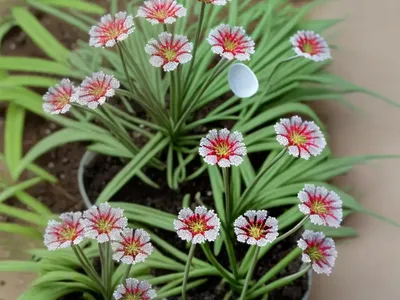
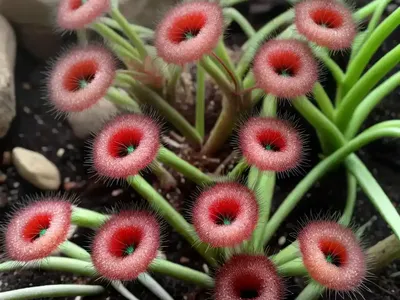
Portuguese Sundew (Drosophyllum Lusitanicum)
The world of plants is vast, diverse, and endlessly fascinating. From towering trees to tiny, intricate flowers, each plant species has its own unique.
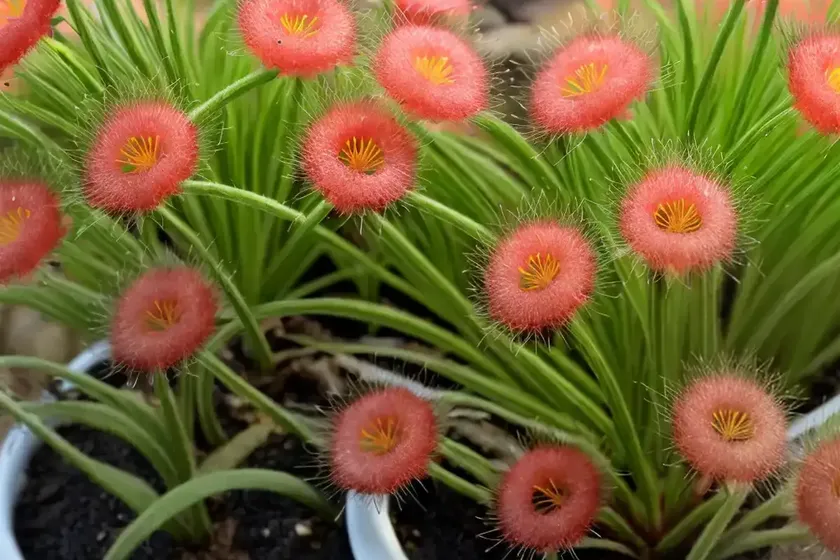
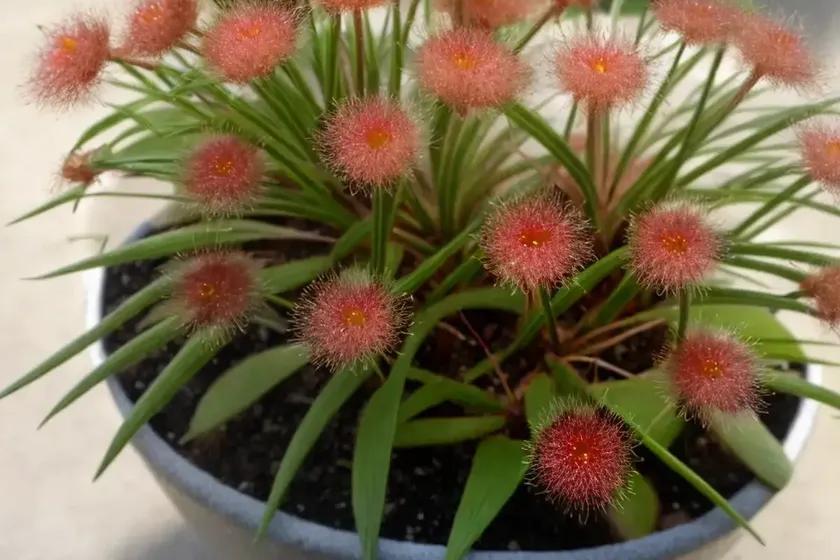
The world of plants is vast, diverse, and endlessly fascinating. From towering trees to tiny, intricate flowers, each plant species has its own unique characteristics and requirements for cultivation. In this comprehensive guide, we will delve into the captivating world of the Portuguese Sundew (Drosophyllum lusitanicum), exploring its cultural significance, uses, care requirements, and much more. Whether you are a seasoned plant enthusiast or just beginning your journey into the world of horticulture, this guide will provide valuable insights into the cultivation and care of this remarkable species.
What is the Portuguese Sundew (Drosophyllum lusitanicum)?
The Portuguese Sundew, scientifically known as Drosophyllum lusitanicum, is a unique and intriguing carnivorous plant native to the western Mediterranean region, particularly in Portugal and southern Spain. Unlike many other carnivorous plants that belong to the Droseraceae family, such as the Venus flytrap and pitcher plants, the Portuguese Sundew is the only species in the monotypic genus Drosophyllum.
The name “Portuguese Sundew” is derived from the plant’s native habitat in Portugal and its characteristic glistening droplets on its sticky, glandular leaves, which resemble dew. Despite its common name, it is important to note that the Portuguese Sundew is not a true sundew (Drosera), which is another type of carnivorous plant belonging to a different genus.
Drosophyllum lusitanicum is renowned for its striking appearance and impressive hunting mechanism, which enables it to capture and digest insects as a supplementary nutrient source, a trait that has evolved in response to its nutrient-poor native habitats. The plant’s unique adaptations and exquisite beauty have captivated plant enthusiasts, researchers, and conservationists alike, making it a species of great botanical and ecological interest.
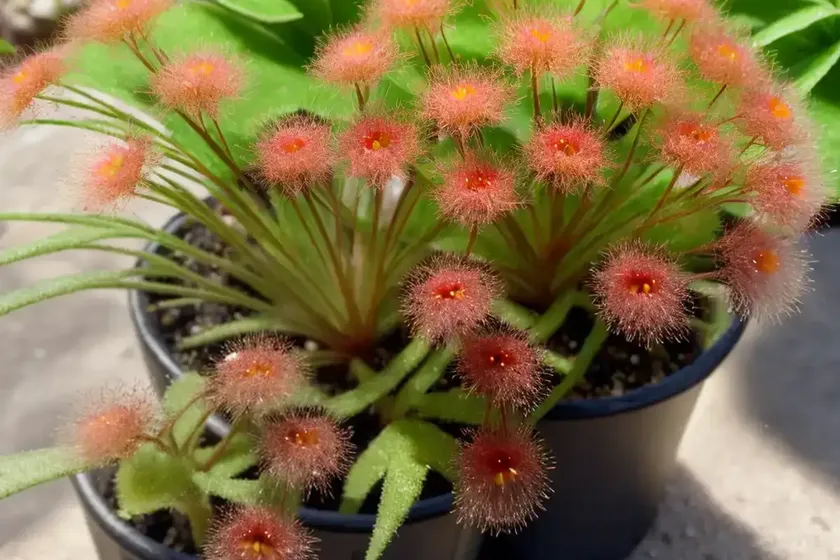
Figure 1: Portuguese Sundew (Drosophyllum lusitanicum)
Key Takeaways – Portuguese Sundew (Drosophyllum lusitanicum)
Before delving into the specifics of cultivating and caring for the Portuguese Sundew, it is helpful to recap some key takeaways about this extraordinary plant. From its cultural significance to its habitat requirements, these key points provide a foundational understanding of the Portuguese Sundew’s characteristics and importance:
-
Cultural Significance: The Portuguese Sundew holds cultural significance as a native plant in Portugal and southern Spain, where it is revered for its unique ecological adaptations and botanical intrigue.
-
Habitat: Drosophyllum lusitanicum is native to the western Mediterranean region, particularly in Portugal and southern Spain. It thrives in dry, nutrient-poor, and sandy soils, often in coastal and dune habitats.
-
Carnivorous Nature: As a carnivorous plant, the Portuguese Sundew employs a highly specialized trapping mechanism to capture and digest insects, supplementing its nutritional needs with the nutrients obtained from its prey.
-
Conservation Status: The species is subject to conservation efforts due to habitat loss and degradation, emphasizing the importance of preserving its natural habitats and genetic diversity.
-
Botanical Interest: From its stunning foliage to its carnivorous behavior, the Portuguese Sundew has captured the attention of botanists, horticulturists, and conservationists due to its remarkable adaptations and ecological significance.
Now that we have reviewed the essential aspects of the Portuguese Sundew, let us embark on a detailed exploration of its cultivation and care requirements, ensuring that enthusiasts and conservators can successfully cultivate and appreciate this captivating species.
Culture
In this section, we will delve into the cultural significance and ecological adaptations of the Portuguese Sundew, shedding light on its unique traits and special place in the world of plants.
Habitat and Natural Distribution
The Portuguese Sundew (Drosophyllum lusitanicum) is indigenous to the western Mediterranean region, specifically in Portugal and southern Spain. Its natural habitat encompasses arid, maritime, and coastal areas, where it thrives in sandy, nutrient-poor soils such as those found in dunes and rocky substrates. These challenging environments underscore the remarkable adaptations of the Portuguese Sundew, allowing it to flourish in conditions that are inhospitable to many other plant species.
The plant’s native range is characterized by a Mediterranean climate, typified by hot, dry summers and mild, wet winters. These climatic conditions play a pivotal role in shaping the plant’s growth patterns, reproduction, and overall ecology. Understanding the Portuguese Sundew’s habitat and natural distribution is crucial for those seeking to cultivate this species, enabling them to replicate its preferred growing conditions to facilitate successful growth and development.
Botanical and Ecological Significance
As a carnivorous plant, the Portuguese Sundew possesses a set of remarkable botanical and ecological adaptations that contribute to its cultural and scientific significance. Its glandular leaves, adorned with glistening droplets, serve as highly effective insect traps, capturing unsuspecting prey that becomes ensnared in the sticky secretions. Subsequently, the plant secretes digestive enzymes to break down the captured insects, absorbing the released nutrients to supplement its nutrient-poor habitat.
The carnivorous nature of the Portuguese Sundew not only showcases the captivating adaptations of this species but also reflects its ecological importance in nutrient-deficient environments. By supplementing its nutritional requirements through insect-derived nutrients, the Portuguese Sundew plays a role in local food webs and nutrient cycling, highlighting its ecological significance within its native habitats.
Uses
The unique attributes of the Portuguese Sundew render it not only a botanical curiosity but also a plant of considerable cultural and scientific value. In this section, we will explore the various uses and significance of Drosophyllum lusitanicum, ranging from its historical applications to its contemporary roles in horticulture and research.
Ethnobotanical Significance
Throughout history, indigenous cultures and local communities in the Mediterranean region have held various traditional uses for the Portuguese Sundew, reflecting its ethnobotanical importance. While historical records of specific uses may be limited, the presence of the plant in local folklore, traditional medicine, or spiritual practices underscores its cultural relevance to the people residing in its native range. Investigation into these ethnobotanical uses provides insights into the relationships between humans and the natural world, shedding light on the diverse cultural perspectives surrounding plants such as the Portuguese Sundew.
Horticulture and Research
In contemporary contexts, the Portuguese Sundew has garnered attention in horticulture and research, appealing to plant enthusiasts, botanists, and conservationists alike. As a visually striking and scientifically intriguing species, the Portuguese Sundew has found a place in botanical gardens, conservatories, and private collections, where it serves as an object of fascination and study.
Furthermore, its carnivorous nature and unique adaptations have attracted researchers interested in understanding the mechanisms of carnivory, plant-insect interactions, and ecological dynamics in nutrient-poor environments. The plant’s use in scientific research and education contributes to our broader understanding of plant biology, ecology, and conservation, showcasing its multifaceted significance in contemporary botanical pursuits.
Water
Understanding the water requirements of the Portuguese Sundew is crucial for its successful cultivation and growth. As a plant native to arid and nutrient-poor habitats, it has evolved to thrive in conditions characterized by limited water availability and well-draining soils. Therefore, providing the appropriate water regime is essential for maintaining the health and vitality of the Portuguese Sundew.
Watering Needs
The Portuguese Sundew requires a well-managed watering regimen that aligns with its natural habitat and ecological adaptations. Because it is native to dry, nutrient-poor environments, it is essential to replicate the plant’s preferred moisture conditions to ensure optimal growth. Here are key considerations for watering the Portuguese Sundew:
-
Sandy, Well-Draining Soil: Plant the Portuguese Sundew in a sandy, well-draining soil mix. This type of substrate allows excess water to drain away efficiently, preventing waterlogged conditions that can be detrimental to the plant’s health.
-
Moderate Moisture Levels: While the Portuguese Sundew prefers drier conditions overall, it is vital to provide periodic, moderate watering to prevent the soil from drying out completely. Aim to keep the soil consistently moist but not waterlogged, mimicking the sporadic rainfall patterns in its native habitats.
-
Avoid Overwatering: Overwatering is a common pitfall that can lead to root rot and other issues. It is crucial to avoid excessive moisture, particularly during the plant’s dormancy period, when reduced watering is advisable.
Adhering to these watering guidelines ensures that the Portuguese Sundew receives the proper moisture levels it requires for healthy growth, sustenance, and longevity.
Drought Tolerance
The Portuguese Sundew’s native habitat in arid and coastal environments has endowed it with remarkable drought tolerance, enabling it to thrive in conditions of limited water availability. This admirable adaptation allows the plant to endure prolonged periods of dryness, further emphasizing its resilience in the face of challenging environmental conditions.
Watering Tips
To provide optimal care for the Portuguese Sundew and mitigate the risks associated with inappropriate watering practices, consider the following tips:
-
Observe Soil Moisture: Regularly monitor the moisture levels of the soil to gauge when watering is necessary. A moisture meter can be a valuable tool for assessing the soil’s moisture content accurately.
-
Use Rainwater or Distilled Water: Given the Portuguese Sundew’s sensitivity to mineral accumulation, it is advisable to water the plant with rainwater, distilled water, or water with minimal mineral content. This helps prevent the buildup of salts and minerals in the soil, which can negatively impact the plant’s health.
-
Consider Seasonal Variations: Adjust your watering routine in response to seasonal changes, with a particular emphasis on reducing watering frequency during the plant’s dormancy period. Adapting the watering schedule to seasonal variations aligns with the Portuguese Sundew’s natural growth patterns and environmental cues.
By tailoring the watering approach to the plant’s specific needs and natural adaptations, you can support the flourishing growth and vitality of the Portuguese Sundew, recreating the conditions that enable its successful development in its native habitats.
Sunlight
Sunlight stands as a critical factor influencing the growth, development, and overall well-being of the Portuguese Sundew. As a species adapted to sun-drenched environments, the plant’s sunlight requirements are integral to its cultivation and care. In this section, we will explore the paramount role of sunlight in the life of the Portuguese Sundew, offering insights into its preferences and adaptations concerning light exposure.
Sunlight Requirements
The Portuguese Sundew exhibits a preference for bright, direct sunlight, reflecting its natural habitat in open, sunny environments. Providing ample sunlight is crucial for the plant’s photosynthetic processes, growth, and overall vigor. Consider the following guidelines for meeting the sunlight requirements of the Portuguese Sundew:
-
Full Sun Exposure: Position the plant in a location that receives at least 6 to 8 hours of direct sunlight per day, ensuring that it is bathed in the bright, unobstructed light typical of its native coastal and sunny habitats.
-
Southern Exposure: If growing the Portuguese Sundew outdoors, favor a south-facing exposure to maximize its access to sunlight, particularly during the peak sun hours.
-
Indoor Lighting: For indoor cultivation, place the plant near a south-facing window where it can receive abundant natural light. Alternatively, supplemental grow lights can be used to provide the necessary light intensity for healthy growth.
Sunlight Tips
To optimize the Portuguese Sundew’s exposure to sunlight and foster its thriving development, keep in mind the following tips related to light requirements:
-
Monitor Light Intensity: Regularly assess the intensity of the sunlight reaching the plant, ensuring that it experiences the bright light levels it requires for robust growth and vibrant foliage coloration.
-
Rotate Outdoor Plants: If cultivating the Portuguese Sundew outdoors, periodically rotate the pots to promote uniform light exposure and prevent uneven growth due to one-sided illumination.
-
Minimize Shade and Obstructions: Limit the presence of shading elements or obstructions that can obstruct the plant’s access to sunlight, enabling it to bask in the bright, direct light essential for its well-being.
By conscientiously addressing the plant’s sunlight needs and creating an environment that mirrors its natural light preferences, you can foster the Portuguese Sundew’s growth and appreciation for optimal light exposure.
Fertilizer
Caring for the Portuguese Sundew encompasses a strategic approach to fertilizer application, recognizing the plant’s carnivorous nature, nutrient acquisition methods, and substrate preferences. In this section, we will delve into the considerations, techniques, and cautions associated with fertilizing Drosophyllum lusitanicum, guiding you in providing the nutrients essential for its robust growth and carnivorous functions.
Nutrient Acquisition
As a carnivorous plant, the Portuguese Sundew possesses specialized adaptations for nutrient acquisition, predominantly obtaining essential nutrients from its carnivorous behavior rather than relying on traditional root uptake from the soil. The sticky glandular leaves of the plant serve as efficient trapping mechanisms, capturing insects and digesting them to extract the necessary nutrients, particularly nitrogen and phosphorus, which are often scarce in its natural habitats.
Given the Portuguese Sundew’s reliance on carnivory for nutrient acquisition, its fertilizer requirements differ significantly from those of non-carnivorous plants. Engaging with the plant’s unique nutrient acquisition strategy is crucial for ensuring suitable care and nourishment.
Fertilization Guidelines
In contrast to many non-carnivorous plants that routinely benefit from fertilizer supplementation, the Portuguese Sundew necessitates a different approach to fertilization due to its specialized dietary habits and nutrient requirements. Here are essential considerations for fertilizing the Portuguese Sundew:
-
Avoid Standard Fertilizers: Refrain from using standard fertilizers, as they can be detrimental to carnivorous plants. The high levels of nutrients, particularly nitrogen, may cause harm to the Portuguese Sundew and disrupt its carnivorous functions.
-
Limited Nutrient Needs: Recognize the plant’s limited nutrient needs and its ability to obtain essential nutrients through its carnivorous adaptations. By limiting fertilizer use, you can align with the natural nutrient acquisition strategy of Drosophyllum lusitanicum.
-
Occasional Nutrient Supplementation: While the Portuguese Sundew primarily derives nutrients from its prey, occasional supplementation with very dilute, specialized fertilizers formulated for carnivorous plants can be considered. However, this should be approached with caution and restraint, taking into account the plant’s unique nutritional requirements and adaptations.
Carefully navigating the fertilization practices for the Portuguese Sundew is instrumental in preserving its carnivorous functions and overall health, affirming its distinct requirements as a carnivorous species.
Soil
The soil medium in which the Portuguese Sundew is cultivated plays a fundamental role in supporting the plant’s growth, nutrient acquisition, and overall health. Given its preferences for nutrient-poor, sandy substrates, understanding the soil requirements for Drosophyllum lusitanicum is pivotal for providing an environment that aligns with its native habitats and ecological adaptations.
Soil Composition
Replicating the nutrient-poor, well-draining soils of its native range is indispensable for fostering the Portuguese Sundew’s successful cultivation. When preparing the soil medium for the plant, consider the following attributes and composition guidelines:
-
Sandy Texture: Utilize a well-draining, sandy soil mix that mirrors the plant’s natural habitat. The coarse, sandy texture allows excess moisture to drain away efficiently, preventing waterlogged conditions that can be detrimental to the plant’s health.
-
Low Nutrient Content: Opt for a soil mix with low nutrient content, avoiding rich, organic substrates or fertilizers that can lead to excess nutrient accumulation, potentially compromising the plant’s carnivorous functions and overall well-being.
-
pH Consideration: The pH of the soil mix should align with the Portuguese Sundew’s preference for slightly acidic to neutral conditions. Aim for a pH range around 5.5 to 7.0 to provide an optimal growing environment for the plant.
Soil Tips
To create an ideal soil environment for the Portuguese Sundew and facilitate its robust growth, consider the following tips and best practices related to soil medium management:
-
Replicate Native Conditions: Strive to replicate the native soil conditions of the plant’s Mediterranean habitats, maintaining a nutrient-poor, sandy substrate that aligns with its ecological preferences.
-
Avoid Organic Amendments: Refrain from incorporating organic matter or nutrient-rich amendments into the soil mix, as this can lead to nutrient imbalances and disrupt the plant’s specialized nutrient acquisition strategies.
-
Well-Draining Containers: Ensure the use of well-draining containers, such as those with drainage holes, to prevent waterlogging and facilitate healthy root development in the conducive soil medium.
By adhering to these soil-related considerations and practices, you can establish an optimal growing environment for the Portuguese Sundew, supporting its nutrient acquisition, growth, and well-being within a tailored soil composition.
Pruning
Pruning, while not typically a prominent aspect of caring for the Portuguese Sundew, may occasionally be necessary to address specific growth-related issues, encourage vigor, or manage the plant’s appearance. In this section, we will explore the rationale, techniques, and cautions associated with pruning the Portuguese Sundew, offering insights into its occasional pruning considerations.
Rationale for Pruning
The need for pruning the Portuguese Sundew may arise under certain circumstances, such as the following scenarios:
-
Removing Dead Leaves: As the plant’s older leaves naturally senesce and wither, it can be beneficial to prune away these dead or decaying leaves to maintain the plant’s vitality and aesthetic appeal.
-
Managing Overcrowding: If the Portuguese Sundew is grown in a crowded setting, occasional pruning can alleviate overcrowding and promote better air circulation, reducing the risk of disease and enhancing the plant’s overall growing conditions.
-
Shaping and Aesthetics: Pruning can be employed for shaping or aesthetic purposes, allowing growers to sculpt the plant’s appearance and manage its growth form to align with their preferences.
Pruning Techniques
When undertaking pruning activities for the Portuguese Sundew, prioritize care, precision, and attentiveness to the plant’s unique growth patterns and needs. Consider the following techniques for effective pruning practices:
-
Sanitize Tools: Before pruning, ensure that your pruning tools, such as scissors or shears, are sanitized to minimize the risk of introducing pathogens or causing harm to the plant during the pruning process.
-
Selective Pruning: Target specific areas of the plant for pruning, such as dead or yellowing leaves, overcrowded growth, or unsightly foliage, employing selective pruning to address the identified areas of concern.
-
Pruning Cautions: Given the delicate nature of the Portuguese Sundew’s foliage and the potential for damage, exercise caution when pruning, taking care to avoid unnecessary stress or injury to the plant.
By approaching pruning with care, attention to detail, and a clear understanding of the plant’s specific requirements, you can effectively manage the Portuguese Sundew’s growth and appearance, addressing pruning needs judiciously and thoughtfully.
Propagation
Propagation offers an avenue for expanding the presence of the Portuguese Sundew in horticulture and conservation efforts, permitting the generation of new plants from established specimens. Exploring the methods and techniques for propagating Drosophyllum lusitanicum facilitates the enrichment of plant collections and the preservation of this unique species through a sustainable propagation approach.
Propagation Methods
Two primary methods for propagating the Portuguese Sundew include seed propagation and vegetative propagation via cuttings. Each method offers distinct advantages and considerations, presenting opportunities