Forest Lily (Veltheimia bracteata): A Complete Guide to Care, Cultivation, and Uses
The forest lily, scientifically known as Veltheimia bracteata, is a stunning plant that adds a touch of elegance to any garden or indoor space. This unique flowering plant is native to the Eastern Cape of South Africa and belongs to the family Hyacinthaceae. The forest lily is popular for its lush, broad leaves and beautiful, tubular flowers that bloom in winter, adding vibrant colors to the landscape.
As a plant scientist and enthusiast, I have spent years studying and cultivating various plant species, including the forest lily. In this comprehensive guide, I will delve into the intricacies of caring for and cultivating the forest lily, explore its cultural significance, and shed light on its uses in horticulture and landscaping.
Key Takeaways – Forest Lily (Veltheimia bracteata)
Before we dive deep into the specifics of forest lily care and cultivation, let’s take a peek at the key takeaways regarding this exquisite plant:
- Plant Name: Forest Lily (Veltheimia bracteata)
- Native Habitat: Eastern Cape of South Africa
- Family: Hyacinthaceae
- Growth Rate: Moderate
- Watering Needs: Moderate to Low
- Lighting Requirements: Bright, Indirect Light
- Blooming Season: Winter to Spring
- Hardiness Zones: USDA Zones 9-11
- Propagation: Division of Bulbs
- Common Diseases: Fungal Infections
- Common Pests: Aphids, Spider Mites
With these key points in mind, let’s embark on a journey to unravel the beauty and intricacies of the forest lily.
Plant Characteristics
The forest lily, or Veltheimia bracteata, is a perennial bulbous plant characterized by its unique features and growth habits. Understanding the physical attributes and growth patterns of the forest lily is crucial for successful cultivation and care.
Physical Characteristics
The forest lily exhibits the following prominent physical characteristics:
- Foliage: The plant features broad, strap-like leaves that emerge from a central bulb. The leaves are deep green in color and have a succulent texture, adding to the plant’s allure even when not in bloom.
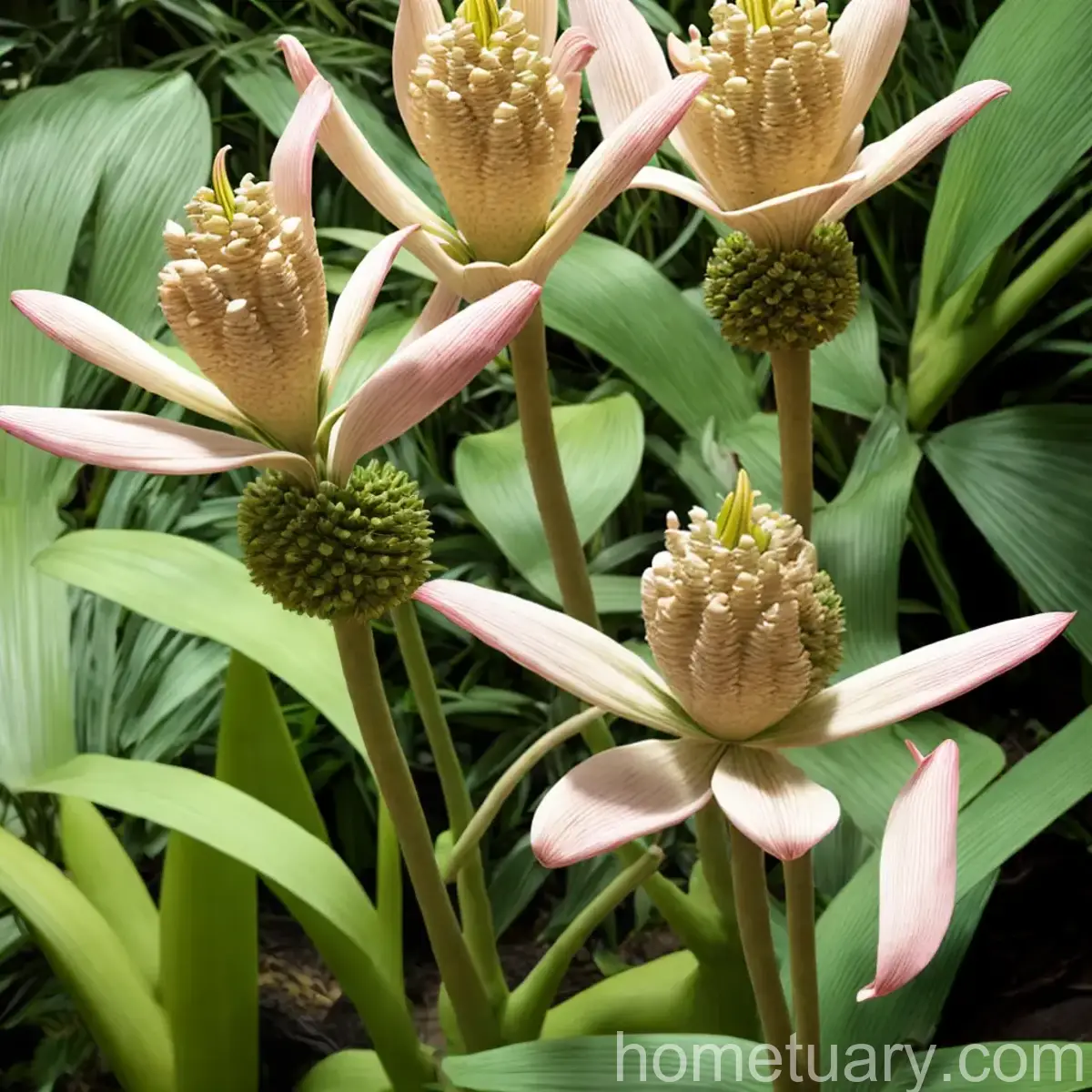
- Flowers: The tubular flowers of the forest lily are a spectacle to behold, especially during the blooming season. The flowers are borne on sturdy stems and can vary in color from pale pink to coral and even orange, adding a vibrant touch to the surroundings.
- Size: A mature forest lily plant can reach a height of 1 to 1.5 feet, making it an ideal addition to gardens, borders, or containers.
Culture
Water
Proper watering is essential for the health and vigor of the forest lily. While the plant requires regular watering during the growing season, it is crucial to allow the soil to dry out slightly between waterings to prevent waterlogged conditions. During the active growth phase, typically in spring and summer, water the forest lily when the top inch of the soil feels dry to the touch. In contrast, reduce watering during the plant’s dormancy in fall and winter, allowing the soil to dry out more thoroughly between waterings.
Watering Needs Quick Tips
- Water the forest lily when the top inch of the soil feels dry during the active growing season.
- Reduce watering during the plant’s dormancy in fall and winter to prevent overwatering.
Sunlight
Proper sunlight exposure is vital for the healthy growth and flowering of the forest lily. When selecting a location for your forest lily, aim for bright, indirect sunlight to ensure optimal growth and blooming. The plant can also tolerate partial shade but may exhibit reduced flowering in such conditions.
Lighting Requirements Quick Tips
- Position the forest lily in a location with bright, indirect sunlight for optimal growth and flowering.
- The plant can tolerate partial shade but may exhibit diminished blooming in such conditions.
Fertilizer
Like many flowering plants, the forest lily can benefit from periodic fertilization to support robust growth and prolific flowering. During the active growing season in spring and summer, apply a balanced, water-soluble fertilizer to the plant every 4 to 6 weeks. Be sure to dilute the fertilizer to half strength to avoid overfeeding and potential adverse effects on the plant.
Fertilizing Quick Tips
- Apply a balanced, water-soluble fertilizer to the forest lily every 4 to 6 weeks during the active growing season.
- Dilute the fertilizer to half strength to prevent overfeeding and potential damage to the plant.
Soil
The forest lily thrives in well-draining, rich potting mixes that provide ample aeration for the roots to develop and flourish. A combination of peat moss, perlite, and compost can create an ideal growing medium for the forest lily. Additionally, the soil pH should be slightly acidic to neutral (pH 6.0-7.0) to support optimal nutrient uptake and overall plant health.
Potting Soil Quick Tips
- Use a well-draining potting mix rich in organic matter, such as peat moss and compost, to promote healthy growth of the forest lily.
- Aim for a slightly acidic to neutral soil pH (6.0-7.0) to ensure proper nutrient uptake and overall plant vigour.
Pruning
The forest lily generally requires minimal pruning, primarily focused on removing spent flowers and yellowing leaves to maintain the plant’s aesthetic appeal. Additionally, you can trim back the foliage once it has turned brown and withered at the end of the blooming season to tidy up the plant and allow for new growth to emerge.
Pruning Quick Tips
- Remove spent flowers and yellowing leaves to maintain the forest lily’s visual appeal.
- Trim back brown and withered foliage at the end of the blooming season to promote new growth.
Propagation
The propagation of forest lilies is primarily achieved through the division of bulbs. As the plant matures and develops new bulbs, they can be carefully separated and replanted to create new individual plants. The best time to carry out bulb division is during the plant’s dormant period, typically in the late summer or early fall.
Division of Bulbs Quick Tips
- Propagate forest lilies through the division of bulbs during the plant’s dormant period in late summer or early fall.
- Carefully separate and replant the bulbs to establish new individual plants.
Container Popularity
Forest lilies are well-suited for container gardening, allowing enthusiasts in various climates to grow and enjoy these exquisite plants. When cultivating the forest lily in a container, ensure that the pot has drainage holes to prevent waterlogging and use a well-draining potting mix to promote healthy growth. Place the container in a location with bright, indirect sunlight to ensure optimal flowering and overall plant vigour.
Container Gardening Quick Tips
- Choose a container with drainage holes to prevent waterlogging when growing forest lilies.
- Position the container in a spot with bright, indirect sunlight to support robust growth and abundant flowering.
Common Diseases
Disease Diagnosis
Despite being relatively resilient, forest lilies can be susceptible to certain fungal infections, particularly under conditions of high humidity and poor air circulation. Anthracnose and botrytis are common fungal diseases that can affect the forest lily, manifesting as dark spots on the leaves or flowers and leading to overall decline in plant health.
Disease Diagnosis Quick Tips
- Monitor the forest lily for signs of fungal infections, such as dark spots on the leaves or flowers.
- Ensure adequate air circulation and avoid overhead watering to reduce the risk of fungal diseases.
Common Pests
In addition to fungal diseases, forest lilies may also fall prey to common garden pests, including aphids and spider mites. These pests can cause damage to the foliage and compromise the overall health of the plant if left unchecked. Regular inspection and prompt intervention can help control pest infestations and protect the forest lily from potential harm.
Pest Management Quick Tips
- Inspect the forest lily regularly for signs of aphids and spider mites, such as webbing on the leaves or stippling.
- Employ appropriate pest control measures, such as insecticidal soap, to manage and eliminate pest infestations.
Botanist’s Tips
Fun Facts
- The forest lily (Veltheimia bracteata) is also known by the common name “forest flame lily,” owing to the fiery hues of its flowers.
- In its native habitat of the Eastern Cape of South Africa, the forest lily thrives in woodland settings and rocky slopes, showcasing its adaptability to varying environmental conditions.
Links to External Resources
For further information on forest lily (Veltheimia bracteata) care, cultivation, and uses, explore the following authoritative resources:
- The Royal Horticultural Society (RHS) – Growing Veltheimia
- Missouri Botanical Garden – Veltheimia bracteata
In conclusion, the forest lily (Veltheimia bracteata) is a captivating plant with much to offer in terms of ornamental beauty and cultural significance. By understanding its specific requirements and growth habits, enthusiasts can successfully cultivate and appreciate this remarkable species, enriching their gardens and indoor spaces with its alluring presence. Whether admired for its vibrant blooms, lush foliage, or historical significance, the forest lily continues to captivate hearts and minds, earning its rightful place among cherished garden favorites.
As we continue to explore the wondrous world of plants, let us embrace the forest lily and all its splendor, celebrating its diversity, resilience, and timeless allure.
Remember, the world of plants is vast and fascinating, offering endless opportunities for learning, discovery, and appreciation. Happy gardening and may your journey with the forest lily be filled with joy, growth, and breathtaking beauty.