Plant Profile: Foam Flower (Tiarella ‘Skeleton Key’)
Plants are an essential part of our environment, contributing to the beauty and diversity of our landscapes. One particularly captivating plant is the foam flower (Tiarella ‘Skeleton Key’). Known for its delicate foliage and charming blooms, this plant has become a favorite among gardeners and landscaping enthusiasts. In this comprehensive guide, we will explore the various aspects of foam flower care, from cultivation to maintenance, and delve into the unique characteristics that make Tiarella ‘Skeleton Key’ a standout in the plant world.
What is Tiarella ‘Skeleton Key’?
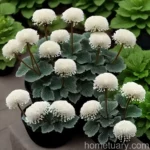
Tiarella, commonly known as foam flower, is a genus of perennial flowering plants in the family Saxifragaceae. The ‘Skeleton Key’ variety is a cultivar prized for its distinct features, including intricate foliage and dainty, foamy white flowers. It is native to North America and is well-loved for its ability to thrive in shaded woodland gardens, rockeries, and container displays.
The foliage of Tiarella ‘Skeleton Key’ is both stunning and versatile, adding texture and visual interest to any garden setting. The intricate leaves are often deeply lobed, resembling the shape of a maple leaf, and can range from vibrant green to shades of burgundy and bronze, depending on the cultivar.
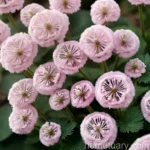
The delicate blossoms, which appear in spring to early summer, form airy, foam-like clusters, creating a captivating display that attracts pollinators and adds a touch of elegance to the garden. With proper care and attention, foam flower plants can form attractive spreading clumps that provide excellent ground cover in shaded areas.
Key Takeaways – Foam Flower (Tiarella ‘Skeleton Key’)
Culture
- Botanical Name: Tiarella ‘Skeleton Key’
- Common Name: Foam Flower
- Genus: Tiarella
- Family: Saxifragaceae
- Plant Type: Perennial
Uses
- Garden Beds
- Woodland Gardens
- Rockeries
- Container Display
Water
- Consistent Moisture
- Avoid Waterlogging
Sunlight
- Shade to Partial Shade
- Protect from Harsh Afternoon Sun
Fertilizer
- Light Feeding in Spring
- Organic Fertilizers
Soil
- Organic, Moist, Well-Draining
- Slightly Acidic pH (5.5-6.5)
Pruning
- Remove Spent Flowers
- Trim Back Straggly Growth
Propagation
- Division
- Seed Propagation
- Softwood Cuttings
Container Popularity
- Attractive Foliage and Blooms
- Ideal for Shaded Patios and Balconies
Common Diseases
- Powdery Mildew
- Leaf Spots
Disease Diagnosis
- Inspect Foliage and Flowers
- Consult with Plant Pathologist
Common Pests
- Aphids
- Spider Mites
- Slugs and Snails
Botanist’s Tips
- Mulch Around the Plants
- Regular Inspection for Pests
- Choose Well-Draining Containers
Fun Facts
- Attracts Pollinators
- Low-Maintenance
- Beautiful Foliage Throughout the Season
Links to External Resources
- Foam Flower: An Ideal Perennial Ground Cover
- Growing Tiarella ‘Skeleton Key’ in Shady Gardens
- Tiarella ‘Skeleton Key’: A Stunning Container Plant
- Dealing with Common Pests in Foam Flowers
- Pruning and Propagation Techniques for Tiarella ‘Skeleton Key’
By understanding the specific requirements and best practices for cultivating and maintaining foam flower plants, gardeners and plant enthusiasts can ensure that their Tiarella ‘Skeleton Key’ thrives and flourishes in various settings, creating a charming and welcoming ambiance in outdoor spaces. Let’s explore each of these aspects in detail to gain a deeper insight into the world of foam flowers and how to care for them effectively.
Foam Flower Care Tips
Foam flowers, particularly the ‘Skeleton Key’ variety, have specific care requirements that contribute to their health and vitality. By following these care tips, you can optimize the growth and flowering of Tiarella ‘Skeleton Key’, whether it’s in the garden, woodland, or within a container setting.
Tiarella ‘Skeleton Key’ Planting Guide
Planting Tiarella ‘Skeleton Key’ involves considerations for the soil, light conditions, and moisture levels to ensure successful establishment and long-term growth. Follow these guidelines for planting this charming perennial:
-
Soil Preparation: Prepare the planting area by incorporating organic matter such as compost or well-rotted manure into the soil. This helps improve drainage and fertility, creating an ideal growing environment for foam flowers.
-
Light Requirements: Select a location with dappled shade or partial shade, as foam flowers are well-suited to these light conditions. Avoid exposing the plants to intense, direct sunlight, especially during the hottest parts of the day.
-
Spacing: When planting multiple foam flower specimens, space them approximately 12-18 inches apart to allow for adequate air circulation and future growth.
-
Moisture Management: Ensure that the planting site provides consistent moisture without waterlogging. Proper drainage is crucial for the health of the foam flower plants.
-
Season: The ideal time for planting Tiarella ‘Skeleton Key’ is in early spring or fall, allowing the plants to establish themselves before the onset of extreme temperatures.
Best Conditions for Growing Foam Flower
Foam flowers thrive under specific conditions that mirror their natural habitat. By providing these optimal growing conditions, you can promote vigorous growth and abundant flowering in Tiarella ‘Skeleton Key’:
-
Shade or Partial Shade: Place foam flowers in locations that receive filtered sunlight or are shaded for a significant portion of the day. Excessive exposure to direct sun can lead to leaf scorch and reduced vigor.
-
Moist, Well-Draining Soil: Foam flowers prefer soil that stays consistently moist but does not become waterlogged. Amending the soil with organic matter enhances its ability to retain moisture while maintaining good drainage.
-
Slightly Acidic Soil pH: Aim for a slightly acidic soil pH ranging from 5.5 to 6.5, as foam flowers perform optimally in this pH range. Soil testing kits are readily available and can help determine the pH of the planting area.
-
Regular Watering: Provide regular, deep watering sessions to keep the soil consistently moist. During dry periods, pay extra attention to watering to prevent the soil from drying out.
-
Humidity: Foam flowers appreciate moderate to high humidity levels, making them well-suited for woodland settings and gardens with ample organic mulch.
How to Propagate Tiarella ‘Skeleton Key’
Propagating Tiarella ‘Skeleton Key’ allows you to expand your collection of these charming plants and share them with fellow gardening enthusiasts. Here are the key methods for propagating foam flowers:
-
Division: Divide established foam flower clumps in early spring or early fall, ensuring that each division has healthy roots and sufficient foliage. Plant the divisions in prepared soil and water them thoroughly to encourage establishment.
-
Seed Propagation: Collect seeds from mature foam flower plants after the flowering period. Sow the seeds in a container filled with moist, well-draining seed-starting mix and cover them lightly with a thin layer of soil. Keep the soil consistently moist and provide bright, indirect light for optimal germination.
-
Softwood Cuttings: Take softwood cuttings from healthy foam flower plants in spring or early summer and plant them in a suitable propagation medium. Keep the cuttings consistently moist and provide gentle bottom heat to encourage root development.
Foam Flower Varieties
Foam flowers boast a wide range of varieties, each with its own unique foliage and flower characteristics. Explore some popular foam flower varieties that can add diversity and charm to your garden or landscape:
| Variety | Foliage Characteristics | Flower Color |
|---|---|---|
| ‘Spring Symphony’ | Vibrant Green with Intricate Leaf Patterns | White and Pink Shades |
| ‘Sugar and Spice’ | Burgundy and Bronze Foliage with Ruffled Edges | Light Pink |
| ‘Iron Butterfly’ | Rich Green Leaves with Dark Veining | White |
| ‘Running Tapestry’ | Mosaic-like Foliage with Variegated Patterns | Soft Pink |
| ‘Pink Skyrocket’ | Heart-shaped Leaves with Attractive Markings | Bright Pink |
Tiarella ‘Skeleton Key’ Maintenance
Maintaining Tiarella ‘Skeleton Key’ ensures that the plants remain healthy, vigorous, and visually appealing throughout the growing season. Incorporate the following maintenance tasks into your gardening routine to support the well-being of your foam flower plants:
-
Mulching: Apply a layer of organic mulch, such as shredded bark or compost, around the base of the plants to conserve soil moisture, suppress weed growth, and maintain a steady soil temperature.
-
Deadheading: Remove spent flower clusters to promote continuous blooming and prevent the plants from expending energy on seed production. Deadheading also enhances the overall appearance of the foam flower plants.
-
Fertilization: Provide light feedings with an organic, balanced fertilizer in early spring as new growth emerges. Avoid over-fertilizing, as this can lead to excessive foliage growth at the expense of flower production.
-
Pruning: Trim back straggly or damaged foliage to maintain a neat appearance and improve airflow around the plants. Pruning can also help rejuvenate older foam flower clumps.
-
Dividing Clumps: Every few years, divide mature foam flower clumps to rejuvenate the plants, control their spread, and promote robust growth. Divisions can be replanted or shared with other gardeners.
By integrating these maintenance practices into your foam flower care routine, you can ensure that Tiarella ‘Skeleton Key’ remains vibrant and captivating, enriching the visual appeal of your garden or landscape.
Soil Requirements for Foam Flower
The soil requirements for foam flower plants play a vital role in their overall health and growth. When cultivating Tiarella ‘Skeleton Key’, it’s essential to provide soil that meets the specific needs of these charming perennials:
-
Organic Matter: Incorporate organic matter such as compost, well-rotted manure, or leaf mold into the soil to improve its structure, fertility, and moisture retention capabilities.
-
Moisture Retention: Ensure the soil has the capacity to retain moisture without becoming overly compacted or waterlogged. The addition of organic matter supports moisture retention while maintaining adequate drainage.
-
Well-Draining Texture: Select or amend the soil to achieve a well-draining texture that prevents water from pooling around the plant roots, which can lead to rot and other issues.
-
Slightly Acidic pH: Aim for a slightly acidic soil pH ranging from 5.5 to 6.5, as this pH range is favorable for foam flower plants and supports nutrient uptake and overall health.
-
Soil Testing: Conduct a soil test to assess the pH and nutrient levels in the planting area and make any necessary adjustments based on the test results.
By addressing these soil requirements and creating an optimal growing environment for foam flower plants, you can lay the foundation for their long-term success and vitality.
Growing Foam Flower in Containers
The charming foliage and delicate blooms of foam flowers make them excellent candidates for container gardening, allowing you to showcase their beauty on patios, balconies, and other outdoor spaces. Follow these guidelines for growing Tiarella ‘Skeleton Key’ in containers:
-
Container Selection: Choose containers with adequate drainage holes and a size that accommodates the mature growth of the foam flower plants. Containers made from materials such as terracotta, fiberglass, or resin work well for growing perennials.
-
Potting Mix: Use a high-quality, well-draining potting mix rich in organic matter to provide an ideal root environment for the foam flower plants. Consider adding perlite or coarse sand to improve drainage.
-
Light Conditions: Place the containers in locations that receive dappled shade or partial shade, particularly during the afternoon when the sun is at its strongest. Protect the plants from intense sunlight to prevent leaf scorch.
-
Watering: Monitor the moisture levels in the potting mix regularly and water the plants when the soil surface feels dry to the touch. Containers may require more frequent watering, especially during hot, dry weather.
-
Fertilization: Apply a diluted, balanced liquid fertilizer to the foam flower plants every 4-6 weeks during the growing season to support their growth and blooming.
-
Overwintering: In regions with harsh winters, move the foam flower containers to a protected area or consider providing insulation to safeguard the plants from freezing temperatures.
By embracing container gardening with foam flower plants, you can create captivating displays that elevate the visual appeal of outdoor living spaces and provide an opportunity to enjoy the unique beauty of Tiarella ‘Skeleton Key’ up close.
Common Diseases and Pest Control for Foam Flower
Foam flowers, including the ‘Skeleton Key’ variety, are susceptible to certain diseases and pests that can impact their health and appearance. By staying vigilant and implementing proactive measures, you can effectively manage and mitigate these common issues:
Common Diseases
-
Powdery Mildew: This fungal disease presents as a powdery, white coating on the foliage, impacting the plant’s overall vigor and aesthetic appeal. Improving air circulation and utilizing fungicidal treatments can help manage powdery mildew.
-
Leaf Spots: Various fungal pathogens can cause leaf spots on foam flower plants, leading to discolored or blemished foliage. Removing and disposing of affected leaves and promoting overall plant health through proper care can help prevent the spread of leaf spot diseases.
Disease Diagnosis
-
Foliage Inspection: Regularly inspect the foliage of foam flower plants for any signs of discoloration, unusual spots, or powdery growth. Early detection can aid in prompt disease management.
-
Professional Consultation: If you suspect a disease issue but are uncertain of the specific cause or appropriate treatment, seek guidance from a plant pathologist or local agricultural extension service.
Common Pests
-
Aphids: These small, sap-sucking insects can gather on the tender growth of foam flower plants, leading to stunted growth and distortion of leaves. Control aphids through physical removal, insecticidal soaps, or natural predators.
-
Spider Mites: Spider mites can infest foam flower plants, causing stippled, discolored foliage and webbing on the undersides of leaves. Mitigate spider mite infestations through thorough watering, maintaining humidity, and introducing predatory mites.
-
Slugs and Snails: These moisture-loving pests may feed on the foliage and tender shoots of foam flower plants, leaving behind irregular holes and damage. Utilize physical barriers, traps, or slug and snail baits to protect the plants from these pests.
By familiarizing yourself with common diseases and pests that affect foam flower plants, you can implement preventive strategies and responsive treatments to safeguard the health and appearance of Tiarella ‘Skeleton Key’ in your garden or landscape.
Botanist’s Tips for Growing Foam Flower
Botanists and horticultural experts offer valuable insights and recommendations for successfully growing foam flower plants, drawing from their knowledge and experience in the world of plant care. Consider these tips to enhance your foam flower cultivation efforts:
-
Mulch Application: Apply a layer of organic mulch around foam flower plants to conserve soil moisture, suppress weeds, and maintain a stable soil temperature. Mulching also contributes to the overall health of the plants and the soil ecosystem.
-
Pest Monitoring: Regularly monitor foam flower plants for signs of pest infestations, such as aphids, spider mites, and slugs. Early intervention can prevent pest populations from escalating and causing significant damage.
-
Container Selection: When growing foam flowers in containers, choose pots with adequate drainage holes and ample space for root development. Selecting the right containers contributes to the overall health and growth of the plants.
-
Soil Drainage: Whether in the garden or containers, ensure that the soil provides proper drainage to prevent waterlogging, which can lead to root rot and other issues. Incorporating organic matter into the soil supports both moisture retention and drainage.
-
Regular Maintenance: Engage in regular maintenance tasks such as deadheading, pruning, and division to keep foam flower plants healthy, tidy, and visually appealing throughout the growing season.
Fun Facts about Foam Flower (Tiarella ‘Skeleton Key’)
As you delve into the fascinating world of foam flowers, consider these fun and intriguing facts about Tiarella ‘Skeleton Key’ and its role in the landscape:
-
Pollinator Magnet: Foam flowers, including the ‘Skeleton Key’ variety, attract various pollinators such as bees, butterflies, and hummingbirds, contributing to the biodiversity and ecological harmony of the garden.
-
Low-Maintenance: With their tolerance for shaded conditions and relatively undemanding care requirements, foam flowers are considered low-maintenance perennials that provide enduring beauty with minimal effort.
-
Year-Round Interest: While the delicate blooms of foam flowers are a highlight in spring and early summer, the intricate foliage of Tiarella ‘Skeleton Key’ remains visually appealing throughout the growing season, offering seasonal interest.
By savoring these fun facts and embracing the captivating nature of foam flowers, you can deepen your appreciation for these enchanting plants while elevating your gardening pursuits.
Links to External Resources
- Foam Flower: An Ideal Perennial Ground Cover
- Growing Tiarella ‘Skeleton Key’ in Shady Gardens
- Tiarella ‘Skeleton Key’: A Stunning Container Plant
- Dealing with Common Pests in Foam Flowers
- Pruning and Propagation Techniques for Tiarella ‘Skeleton Key’
Explore these external resources to access additional information and insights on foam flowers, including specific cultivation tips, garden design ideas, and best practices for incorporating Tiarella ‘Skeleton Key’ into diverse outdoor settings.
In conclusion, foam flower plants, particularly the ‘Skeleton Key’ variety, possess a unique charm and grace that enriches gardens, woodland landscapes, and container displays. By embracing the specific care guidelines outlined in this comprehensive guide, you can cultivate and maintain Tiarella ‘Skeleton Key’ with confidence and creativity, fostering their natural beauty in various outdoor environments. Whether you’re a seasoned gardener or a novice plant enthusiast, the allure of foam flowers invites you to explore the captivating world of these delightful perennials and the joy they bring to the garden.