Nootka Cypress (Xanthocyparis nootkatensis): A Complete Guide
Xanthocyparis nootkatensis, commonly known as Nootka cypress, is a majestic coniferous tree native to the Pacific Northwest region of North America. With its graceful form and numerous uses, the Nootka cypress holds significant value in both natural ecosystems and human landscapes. In this comprehensive guide, we will delve into the various aspects concerning the culture, uses, propagation, and maintenance of the Nootka cypress. Whether you are a gardening enthusiast, a landscape designer, or a nature lover, this article aims to provide valuable insights into the world of Nootka cypress and its cultivation.
What is Nootka Cypress (Xanthocyparis nootkatensis)?
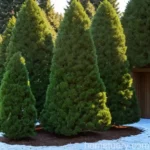
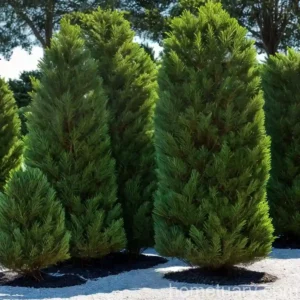
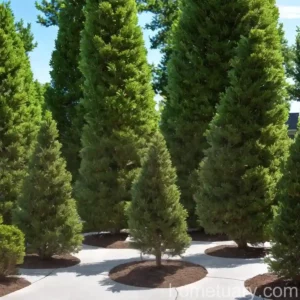
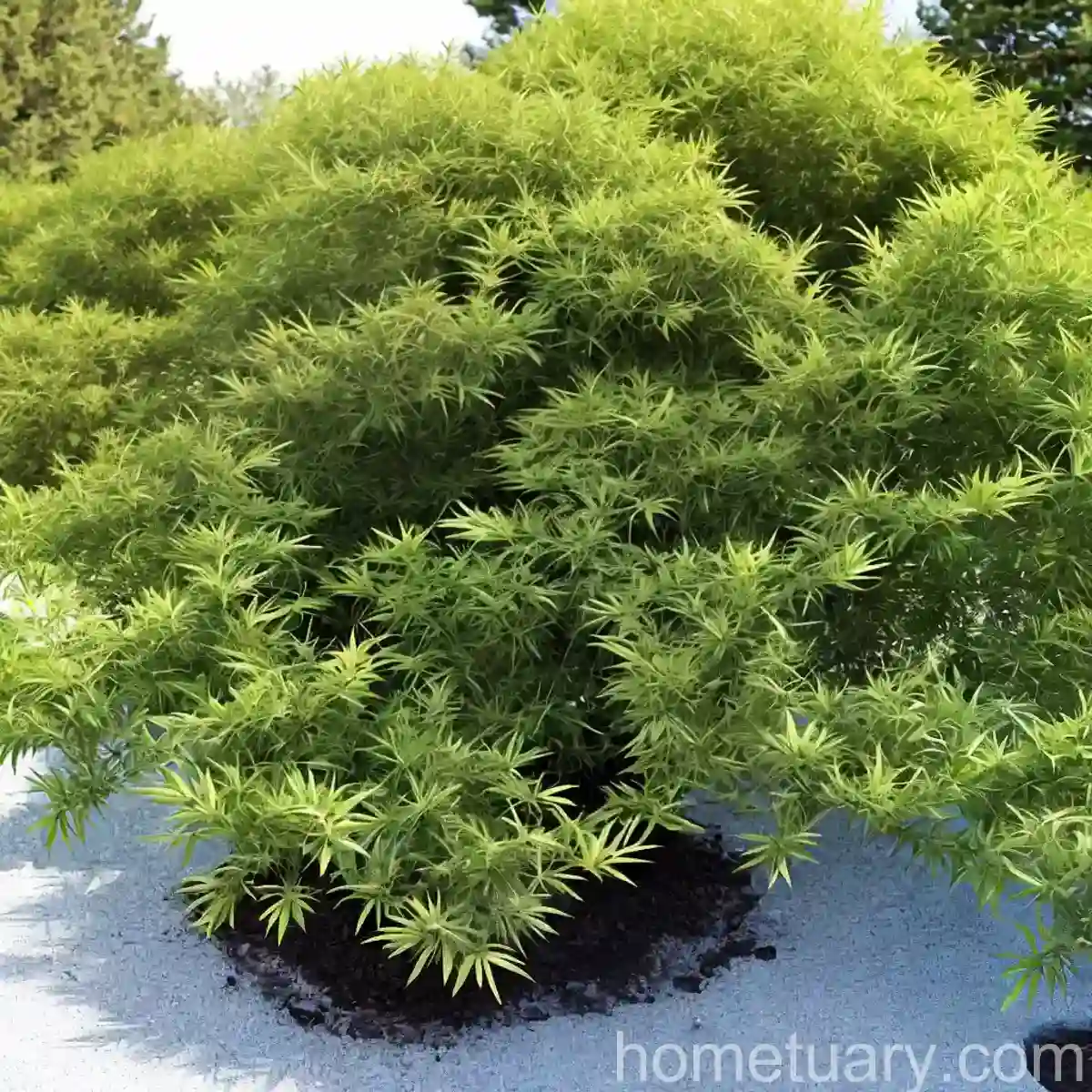
Nootka cypress, scientifically known as Xanthocyparis nootkatensis, is a species of coniferous tree belonging to the cypress family Cupressaceae. This stately tree is native to the coastal regions of the Pacific Northwest, including Alaska, British Columbia, and the Pacific Northwest of the United States. The Nootka cypress is characterized by its conical shape, fragrant foliage, and reddish-brown bark, making it an attractive ornamental and timber tree.
The tree can reach impressive heights, with some specimens exceeding 50 meters (165 feet) in their natural habitat. Its longevity is noteworthy as well, with the potential to live for several centuries under favorable conditions. The Nootka cypress typically thrives in moist, well-drained soils and is often found in association with other coniferous species in old-growth forests.
Key Takeaways – Nootka Cypress (Xanthocyparis nootkatensis)
Here are some key takeaways about the Nootka cypress:
- Scientific Name: Xanthocyparis nootkatensis
- Common Name: Nootka Cypress
- Family: Cupressaceae
- Native Range: Pacific Northwest, North America
- Characteristics: Conical shape, fragrant foliage, reddish-brown bark
- Height: Exceeds 50 meters (165 feet) in some specimens
- Longevity: Can live for several centuries
- Habitat: Thrives in moist, well-drained soils in old-growth forests
Now that we have gained an understanding of what Nootka cypress is, let’s explore the various aspects of its cultivation, uses, and maintenance.
Culture
The culture of Nootka cypress encompasses its environmental requirements, growth habits, and aesthetic contributions. Understanding the cultural needs of this species is essential for successfully incorporating it into landscapes or nurturing it in a garden setting.
Water
Water is a crucial factor in the cultivation of Nootka cypress. While this species thrives in moist conditions, it is important to ensure that the soil is well-drained to prevent waterlogging. Adequate irrigation, especially during the establishment phase, is essential to support healthy root development. In drier climates, supplemental watering during dry spells is recommended to maintain the tree’s vitality.
Sunlight
Nootka cypress is classified as a shade-tolerant species, although it generally prefers full sun to partial shade. When planted in open landscapes, providing ample sunlight allows the tree to develop its characteristic conical shape and dense foliage. However, in regions with intense summer heat, partial shading during the hottest part of the day can benefit the tree and reduce the risk of stress-related issues.
Soil
The ideal soil for Nootka cypress is moist, well-drained, and slightly acidic to neutral in pH. It thrives in rich, loamy soils with good organic content. When planted in urban landscapes or gardens, adding organic mulch around the base of the tree can help conserve moisture and improve soil structure. Soil compaction should be avoided as it can impede root growth and water penetration.
Fertilizer
While Nootka cypress is not particularly demanding in terms of fertilizer, providing a balanced, slow-release fertilizer in spring can support healthy growth. Specialized fertilizers formulated for conifers or evergreen trees are ideal for Nootka cypress, as they provide essential macronutrients and micronutrients tailored to the tree’s specific needs.
Uses
The Nootka cypress has a diverse range of uses, spanning from its ecological contributions to its commercial value. Understanding its uses is instrumental in appreciating the significance of this species within natural ecosystems and human activities.
Ornamental
In landscaping and garden design, Nootka cypress is valued for its ornamental qualities. Its symmetrical, conical shape and aromatic foliage make it a desirable choice for creating focal points, hedges, or windbreaks. The tree’s evergreen nature also ensures year-round visual interest, making it an attractive addition to residential gardens, parks, and public green spaces.
Timber
Nootka cypress wood is highly prized for its durability, workability, and attractive grain patterns. It is used in the production of outdoor structures, such as fences, decks, and siding, due to its natural resistance to decay and insect damage. The wood is also utilized in crafting musical instruments, cabinetry, and decorative wood products, showcasing its versatility and aesthetic appeal.
Wildlife Habitat
The dense foliage of Nootka cypress provides valuable shelter and nesting sites for a variety of wildlife, including birds and small mammals. In natural forests, the tree contributes to the biodiversity of the ecosystem by offering refuge and foraging opportunities for numerous species. When incorporated into designed landscapes, it can enhance the habitat value of the surrounding environment.
Pruning
Pruning is an important aspect of Nootka cypress maintenance, contributing to its health, aesthetic appeal, and structural integrity. Proper pruning techniques can help manage the tree’s growth, remove dead or damaged branches, and shape its form according to design preferences.
Timing
The best time for pruning Nootka cypress is during the late winter or early spring, before the onset of new growth. This timing allows the tree to recover effectively from pruning and reduces the risk of stress-related issues. Pruning during the dormant season also minimizes the impact on the tree’s natural growth patterns.
Techniques
When pruning Nootka cypress, it is important to maintain the tree’s natural shape and avoid excessive or aggressive trimming. Removing dead, diseased, or crossing branches is essential to promote air circulation and prevent potential hazards. Additionally, light shaping and thinning can be performed to enhance the tree’s overall appearance without compromising its health.
Propagation
The propagation of Nootka cypress involves techniques to reproduce the tree from seeds or cuttings, allowing for the cultivation of new trees and the preservation of specific genetic traits. Understanding the propagation methods is valuable for those seeking to expand the population of Nootka cypress or engage in conservation efforts.
Seed Propagation
Nootka cypress produces small, winged seeds contained within woody cones. To propagate the tree from seeds, it is important to collect ripe cones and extract the seeds for sowing. The seeds can be stratified to simulate natural germination conditions and then planted in well-prepared seedbeds. Regular watering and care are essential to support the germination and early growth of seedlings.
Cutting Propagation
Propagation from cuttings offers an alternative method to reproduce Nootka cypress while preserving specific characteristics of selected parent trees. Softwood cuttings taken from actively growing shoots can be rooted under controlled conditions, such as in a greenhouse or mist propagation bed. Careful monitoring of moisture levels and environmental factors is necessary to promote the successful establishment of cuttings.
Container Popularity
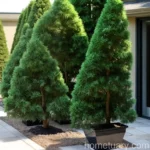
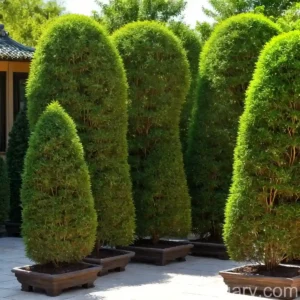
The Nootka cypress is increasingly popular for container cultivation, allowing individuals with limited outdoor space to enjoy the tree’s beauty and benefits on a smaller scale. Container-grown Nootka cypress can thrive on patios, balconies, or rooftops, adding a touch of greenery and elegance to urban or confined settings.
Benefits
Container-grown Nootka cypress offers several benefits, including its adaptability to small spaces, mobility, and potential for seasonal display. It can serve as a striking focal point in container gardens, providing vertical interest and year-round visual appeal. Additionally, the portable nature of container-grown trees allows for flexible placement and creative arrangement in outdoor living areas.
Considerations
When growing Nootka cypress in containers, it is important to select a suitably sized container with adequate drainage holes to prevent waterlogging. Using a well-draining potting mix formulated for woody plants can support healthy root development and moisture management. Regular watering, fertilization, and occasional root pruning are essential for maintaining the tree’s vitality in a containerized environment.
Common Diseases
Like all plant species, Nootka cypress is susceptible to certain diseases that can impact its health and vigor. Being aware of common diseases and their symptoms is crucial for early detection and effective management.
Seiridium Canker
Seiridium canker, caused by the fungal pathogen Seiridium spp., is a prevalent disease affecting Nootka cypress and other conifers. The infection typically manifests as sunken cankers on the branches, often accompanied by the presence of resin and dieback of foliage. Management strategies include pruning out infected branches, promoting tree vigor through proper cultural practices, and preventative fungicidal treatments in high-risk environments.
Phytophthora Root Rot
Phytophthora root rot, caused by various species of the genus Phytophthora, can pose a significant threat to Nootka cypress, especially in poorly drained or waterlogged soils. Symptoms include yellowing, wilting, and dieback of foliage, as well as evidence of root decay upon inspection. Improving soil drainage, avoiding overwatering, and selecting disease-resistant cultivars can help mitigate the impact of Phytophthora root rot.
Disease Diagnosis
Diagnosing diseases affecting Nootka cypress involves careful observation of symptoms, knowledge of common pathogens, and, in some cases, laboratory testing to confirm the identity of the causal agent. Timely and accurate diagnosis is essential for implementing targeted management strategies and preventing the spread of diseases to other trees.
Visual Symptoms
Common visual symptoms of diseases affecting Nootka cypress include discoloration of foliage, wilting, dieback of branches, presence of cankers, and abnormal growth patterns. Identifying the specific characteristics of the symptoms, such as the color and location of lesions, can provide valuable clues for narrowing down potential causes.
Laboratory Analysis
In situations where the cause of a disease outbreak is unclear, obtaining laboratory analysis of affected plant tissues or soil samples can help identify the presence of pathogens or other contributing factors. Laboratory testing may involve isolating fungi or bacteria from symptomatic tissues, conducting molecular assays, and assessing the overall health of the plant material.
Common Pests
Nootka cypress is typically resistant to most pest infestations, but certain insects and mites can still pose a threat to the tree’s health. Being aware of common pests and their associated damage is crucial for implementing targeted pest management strategies and preserving the vitality of Nootka cypress.
Cypress Bark Beetle
The cypress bark beetle (Phloeosinus spp.) is a significant pest of Nootka cypress and other coniferous trees, particularly in stressed or weakened individuals. The beetle infests the inner bark of the tree, leading to symptoms such as pitch tubes, boring dust, and dieback of branches. Maintaining tree vigor through proper cultural practices, promptly removing and disposing of infested branches, and applying preventative insecticidal treatments can help mitigate cypress bark beetle infestations.
Spruce Spider Mite
The spruce spider mite (Oligonychus ununguis) is a common pest that can affect the foliage of Nootka cypress, leading to stippling, discoloration, and premature drop of needles. The mites are tiny and often go unnoticed until significant damage has occurred. Implementing cultural practices that promote tree vigor, such as adequate irrigation and fertilization, along with the application of horticultural oils or insecticidal sprays, can effectively manage spruce spider mite populations.
Botanist’s Tips
As a plant scientist and enthusiast, I offer the following tips for the successful cultivation and care of Nootka cypress:
- Site Selection: When selecting a planting site for Nootka cypress, prioritize areas with well-drained soil and ample sunlight, while considering the potential height and spread of the mature tree.
- Water Management: Monitor soil moisture levels closely, especially during the establishment phase, and adjust irrigation practices based on local climate conditions and rainfall patterns.
- Pruning Practices: Practice regular inspection and maintenance pruning to remove dead or diseased branches, while avoiding over-pruning that can compromise the tree’s natural form.
- Pest and Disease Monitoring: Keep a vigilant eye on the tree for signs of pest infestations and diseases, and take proactive measures to address any issues promptly.
- Conservation Efforts: Support local conservation initiatives aimed at preserving the natural habitats of Nootka cypress and other indigenous species, contributing to the protection of biodiversity.
Fun Facts
- The Nootka cypress is also known as Alaska cypress, reflecting its distribution in the coastal regions of Alaska.
- The species name nootkatensis is derived from Nootka Sound, a geographic region on the west coast of Vancouver Island, British Columbia, where the tree was first scientifically documented by European explorers.
- Nootka cypress is an important component of old-growth temperate rainforests, contributing to the ecological richness and stability of these diverse ecosystems.
Links to External Resources
For further information on Nootka cypress and related topics, I recommend exploring the following resources:
- The Gymnosperm Database – Xanthocyparis nootkatensis
- USDA Forest Service – Nootka Cypress Fact Sheet
- Royal Horticultural Society – Cupressus nootkatensis
- University of British Columbia Botanical Garden – Nootka Cypress
In conclusion, Nootka cypress (Xanthocyparis nootkatensis) stands as a remarkable species with its cultural significance, versatile uses, and ecological importance. Whether adorning the landscapes of the Pacific Northwest or gracing gardens around the world, this iconic tree continues to captivate and inspire admirers with its enduring beauty and contributions to natural ecosystems. By understanding and appreciating the unique qualities of Nootka cypress, we can contribute to its conservation and sustainable cultivation for generations to come.