Creeping Speedwell (Veronica Repens ‘Sunshine’)
Plants play a crucial role in the environment, providing oxygen, food, and habitat for various organisms. Creeping Speedwell, scientifically known as.

Introduction
Plants play a crucial role in the environment, providing oxygen, food, and habitat for various organisms. Creeping Speedwell, scientifically known as Veronica repens ‘Sunshine’, is a versatile ground cover plant that offers a range of benefits in landscaping and garden design. In this comprehensive guide, we’ll explore the key characteristics of Veronica repens ‘Sunshine’, along with essential tips for its cultivation and maintenance.
What is Creeping Speedwell (Veronica repens ‘Sunshine’)?
Creeping Speedwell, also known as Veronica repens ‘Sunshine’, is a low-growing perennial plant that belongs to the Plantaginaceae family. It is native to Europe and Western Asia and is widely cultivated for its attractive trailing habit and vibrant foliage. The ‘Sunshine’ variety is particularly prized for its golden-yellow leaves, which bring a bright and cheery ambiance to any garden space.
Key Takeaways
Veronica repens ‘Sunshine’ is a popular ground cover plant with a trailing habit and vibrant foliage. It is valued for its versatility and low maintenance requirements, making it an excellent choice for various landscaping and gardening applications.
Culture
- Scientific Name: Veronica repens ‘Sunshine’
- Family: Plantaginaceae
- Common Names: Creeping Speedwell, Sunshine Creeping Speedwell
- Plant Type: Perennial
- Mature Height: 2-4 inches
- Mature Spread: 12-24 inches
- Foliage: Golden-yellow
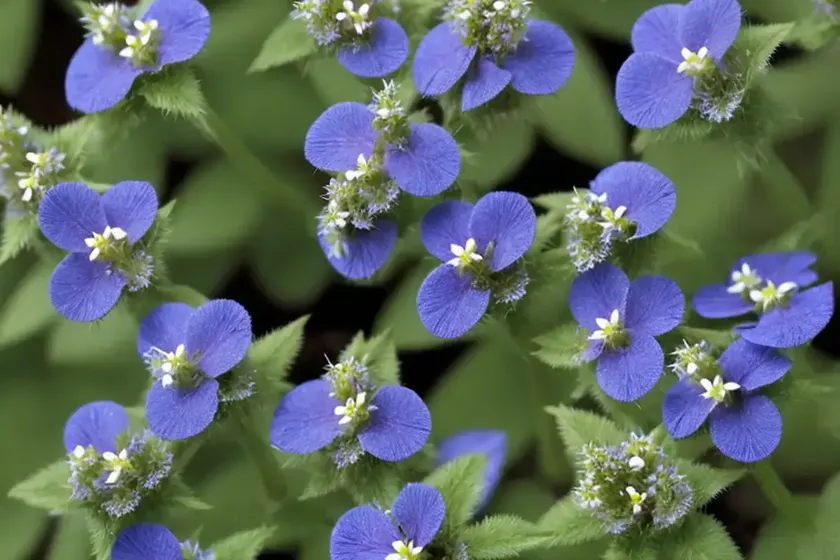
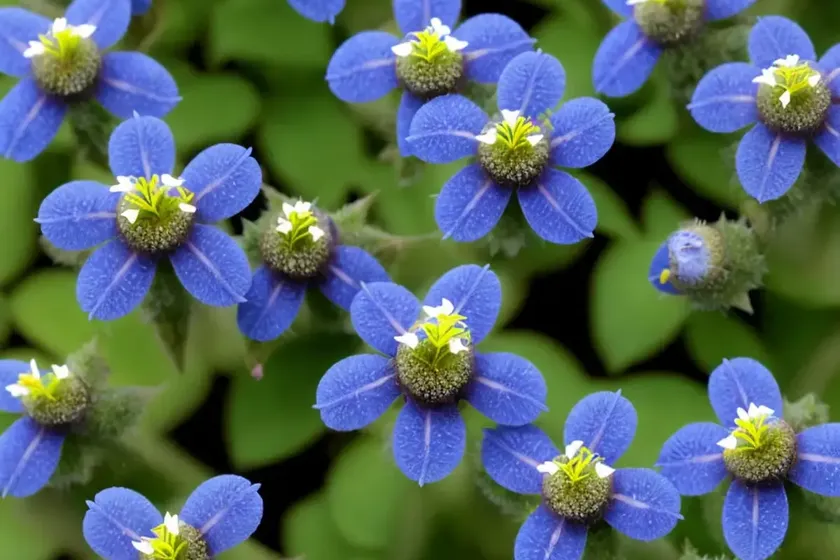
- Flowers: Blue to violet
Uses
- Ground cover
- Erosion control
- Container planting
- Rock gardens
- Border plant
- Wildflower gardens
- Edging plant
Water
Creeping Speedwell thrives in moist but well-drained soil. While it has good drought tolerance once established, it will benefit from regular watering, especially during dry periods. When planting in containers, ensure that adequate drainage is provided to prevent waterlogging.
Sunlight
This plant prefers partial to full sun, although it can also withstand light shade. When grown in areas with intense, direct sunlight, it is important to monitor soil moisture to prevent drying out.
Fertilizer
Veronica repens ‘Sunshine’ generally does not have high fertilizer requirements. However, applying a balanced, slow-release fertilizer in spring can promote healthy growth and vibrant foliage.
Soil
Well-drained, loamy soil is ideal for Creeping Speedwell. It should have a slightly acidic to neutral pH. Amending the soil with organic matter prior to planting can enhance its overall health and vitality.
Pruning
This plant requires minimal pruning, mainly to remove any dead or damaged foliage and to maintain its desired shape. Pruning can be done in early spring, before new growth emerges.
Propagation
Creeping Speedwell can be propagated through division or by taking stem cuttings. Division is typically done in early spring or fall, while stem cuttings can be taken during the growing season.
Container Popularity
Due to its trailing and low-growing nature, Veronica repens ‘Sunshine’ is well-suited for container planting. It adds a vibrant and textural element to containers and hanging baskets.
Common Diseases
While Creeping Speedwell is generally resilient, it may be susceptible to certain fungal diseases such as powdery mildew and leaf spot. Proper air circulation and watering at the base of the plant can help prevent these issues.
Disease Diagnosis
Signs of fungal diseases on Creeping Speedwell may include powdery white patches on the leaves, yellowing or browning of foliage, and the presence of dark spots or lesions.
Common Pests
Common pests that may affect Creeping Speedwell include aphids, spider mites, and slugs. Regular monitoring and early intervention can help prevent pest infestations from causing significant damage.
Botanist’s Tips
- When planting Creeping Speedwell as ground cover, space the individual plants 12-18 inches apart to allow for adequate spreading.
- Consider combining Creeping Speedwell with other low-growing plants to create dynamic and visually appealing ground cover displays.
Fun Facts
- Creeping Speedwell’s botanical name, Veronica, is derived from the Latin word “vera,” which means “true,” and “icona,” meaning “image.” This is believed to reference the plant’s use in traditional medicine.
- In folklore, Veronica repens was thought to bring good fortune and prosperity to those who cultivated it in their gardens.
Links to External Resources
For more information on Creeping Speedwell, feel free to explore the resources below:
– Royal Horticultural Society – Veronica repens
– University of Maryland Extension – Creeping Speedwell
– Missouri Botanical Garden – Veronica repens ‘Sunshine’
In conclusion, Creeping Speedwell (Veronica repens ‘Sunshine’) is a valuable addition to any garden or landscape, offering a range of practical and aesthetic benefits. Whether used as a ground cover, container plant, or border accent, its bright and trailing foliage adds a touch of sunshine to outdoor spaces while requiring minimal maintenance. By understanding its cultural requirements and growth habits, gardeners and landscapers can make the most of this resilient and versatile plant.


