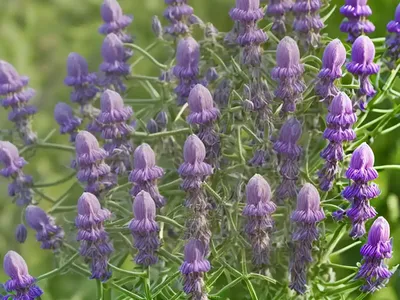
Tamarind (Tamarindus Indica)
Tamarind, scientifically known as Tamarindus indica, is a tropical tree that belongs to the Fabaceae family. It is renowned for its unique pod-like fruits.
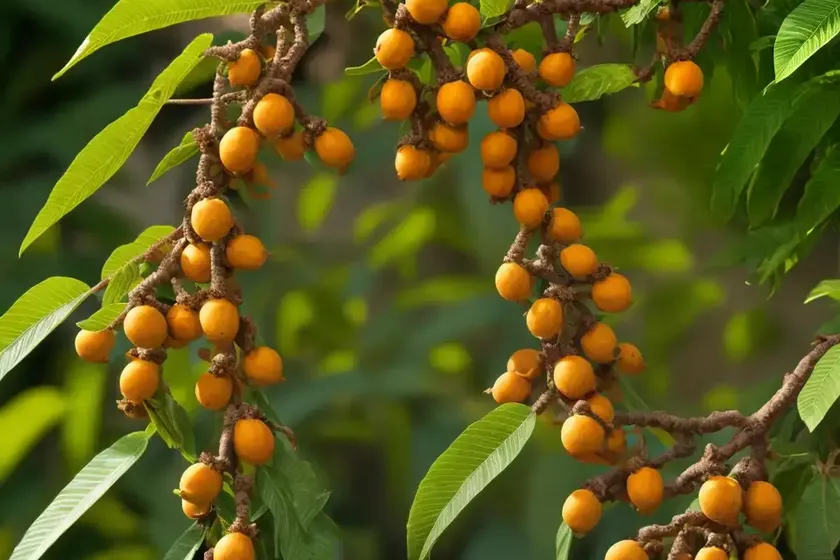
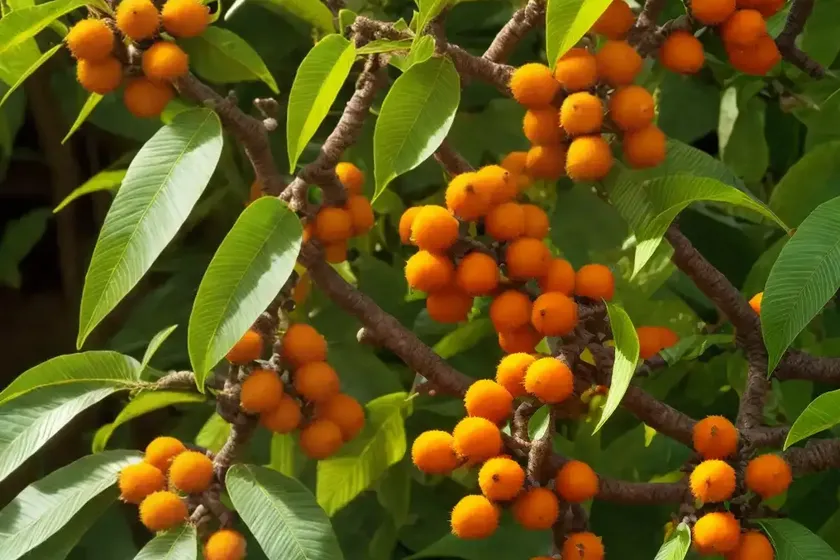
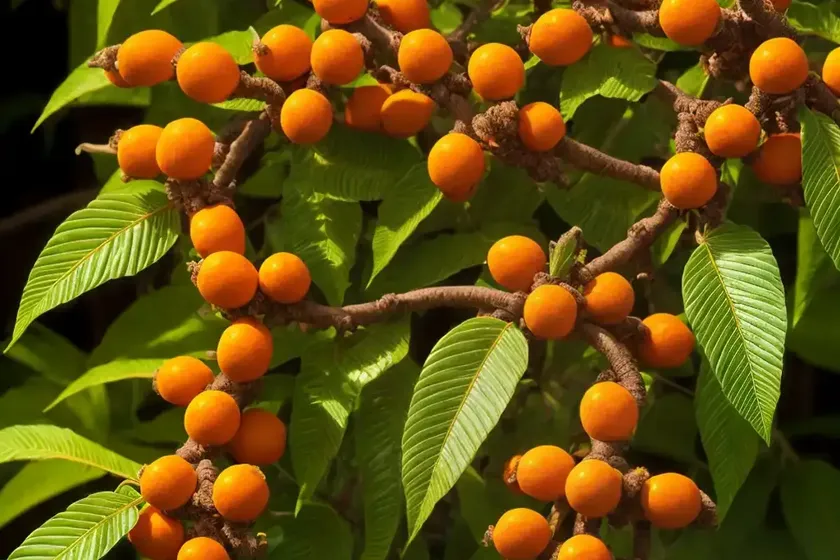
Tamarind, scientifically known as Tamarindus indica, is a tropical tree that belongs to the Fabaceae family. It is renowned for its unique pod-like fruits and is cultivated for various purposes, including culinary, medicinal, and ornamental uses. In this comprehensive guide, we will delve into the culture, uses, care, and interesting facts about the tamarind tree, shedding light on its significance and benefits.
What is Tamarind (Tamarindus indica)?
Tamarind is a slow-growing evergreen tree native to Africa but is also commonly found in several tropical regions, including Southeast Asia and the Indian subcontinent. The tree can reach a towering height of up to 25 meters and is characterized by its dense foliage and drooping branches. The tamarind tree produces a brown, pod-like fruit that contains a tangy pulp and numerous seeds. The pulp extracted from the pod is widely used in culinary preparations, while the tree itself holds cultural and medicinal significance in various traditional practices.
Key Takeaways – Tamarind (Tamarindus indica)
Before delving into the intricacies of tamarind cultivation and care, let’s cover some key takeaways regarding the uses and characteristics of tamarind:
- Tamarind trees are cultivated for their culinary, medicinal, and ornamental purposes.
- The tangy pulp of the tamarind fruit is a popular ingredient in various cuisines and traditional dishes.
- Tamarind possesses several health benefits, including its antioxidant and anti-inflammatory properties.
- The cultivation and care of tamarind trees require attention to factors such as water, sunlight, soil, and pruning practices.
Now that we have a brief overview of tamarind, let’s explore its culture, uses, and care in more detail.
Culture
Cultural practices play a crucial role in the successful cultivation and propagation of tamarind trees. Understanding the cultural requirements is essential for ensuring healthy growth and optimal yield. Let’s explore the cultural aspects of tamarind tree cultivation.
Water
Tamarind trees have moderate water requirements, particularly during their establishment phase. However, they are known for their drought tolerance once they mature. Adequate irrigation is essential during the initial years to promote root development and overall growth. In regions with erratic or insufficient rainfall, supplementary watering is necessary to support tamarind tree cultivation.
Sunlight
Tamarind trees thrive in full sunlight, making it essential to plant them in locations with ample exposure to sunlight. Adequate sunlight is crucial for robust growth, flower and fruit production, and the overall development of the tree.
Uses
The uses of tamarind are diverse, encompassing culinary, medicinal, and ornamental applications. Let’s delve into the various uses of tamarind, highlighting its significance in different spheres.
Culinary Uses
Tamarind pulp is a popular ingredient in various culinary traditions, adding a unique tangy flavor to dishes. It is commonly used in savory preparations, sauces, marinades, and beverages. In addition, tamarind is a key component in traditional dishes and condiments, contributing to their distinctive taste and aroma.
Medicinal Uses
Tamarind possesses medicinal properties and is utilized in traditional medicine for its numerous health benefits. The pulp, seeds, and leaves of the tamarind tree are employed in herbal remedies, offering relief for digestive issues, promoting heart health, and providing antioxidant support.
Care
Proper care practices are essential for nurturing healthy and productive tamarind trees. From soil requirements to pruning techniques, several aspects contribute to the overall care regimen for these trees.
Fertilizer
Tamarind trees benefit from balanced fertilization, particularly in nutrient-deficient soils. Application of organic matter and fertilizers rich in potassium and phosphorus can bolster the growth and development of tamarind trees, ensuring optimal fruit production and overall vigor.
Soil
Tamarind trees thrive in well-drained soils with sufficient organic matter content. The soil should have a slightly acidic to neutral pH, ranging from 6.0 to 7.5, to support healthy root development and nutrient uptake.
Pruning
Pruning plays a crucial role in shaping the growth of tamarind trees and facilitating better fruit production. Regular pruning helps in maintaining the tree’s form, removing dead or diseased branches, and enhancing light penetration and air circulation within the canopy.
Propagation
Tamarind trees can be propagated through seeds and vegetative methods. Seed propagation is a common practice, and it involves scarifying the seeds to enhance germination rates. Grafting and budding are also employed for propagating selected varieties with desirable traits.
Container Popularity
Tamarind trees are cultivated in containers, particularly in regions where space is limited, and climatic conditions may not be conducive for outdoor cultivation. Container-grown tamarind trees offer the flexibility of mobility and the ability to control environmental conditions.
Common Diseases
Tamarind trees are susceptible to various diseases, which can impact their overall health and productivity. Understanding the common diseases and their diagnosis is crucial for implementing appropriate management strategies.
Disease Diagnosis
Anthracnose, a fungal disease, can affect tamarind trees, causing leaf spots and fruit rot. Additionally, stem cankers and powdery mildew are among the prevalent diseases observed in tamarind cultivation. Timely diagnosis and intervention are essential for mitigating disease impact.
Common Pests
Pests can pose a threat to tamarind trees, leading to leaf damage, reduced vigor, and diminished fruit quality. Recognizing the common pests and implementing control measures is crucial for preserving the health of tamarind trees.
Botanist’s Tips
A botanist handling tamarind trees might leverage their expertise to ensure optimal growth and productivity. Let’s explore some valuable tips from a botanist’s perspective on caring for tamarind trees.
Fun Facts
Tamarind trees hold various intriguing attributes and historical significance, contributing to their allure. Explore some fun facts about tamarind trees, shedding light on their cultural, culinary, and medicinal significance.
Links to External Resources
For further exploration and detailed information, you can refer to the following external resources:
- Tamarind Production and Cultivation
- Health Benefits of Tamarind
- Tamarind Recipes and Culinary Uses
- Medicinal Properties of Tamarind
Conclusion
In conclusion, tamarind (Tamarindus indica) is a multifaceted tree with diverse uses and cultural significance. From its culinary applications to its medicinal properties, tamarind continues to hold a prominent place in various spheres. By understanding its culture, care requirements, and uses, individuals can appreciate and harness the potential of the tamarind tree to the fullest. Whether it’s for culinary endeavors, herbal remedies, or ornamental landscaping, the tamarind tree embodies a rich legacy and valuable contributions.
By delving into the intricacies of tamarind cultivation and care, one can embrace the charm and benefits of this remarkable tropical tree. As we continue to explore the natural world, the tamarind tree stands as a testament to the profound connections between plants, culture, and human well-being.