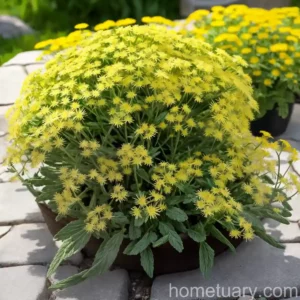
Plant Name: False Daisy (Eclipta Prostrata)
Plants have been an integral part of human life for centuries, serving as a source of food, medicine, and beauty. One such plant that has gained attention for its diverse uses and properties is False Daisy, scientifically known as Eclipta Prostrata. This plant has caught the eye of researchers, herbalists, and garden enthusiasts due to its traditional uses, folklore, and medicinal properties. In this comprehensive guide, we will delve into the intriguing aspects of False Daisy, including its culture, uses, care requirements, common diseases, and much more.
What is False Daisy (Eclipta Prostrata)?
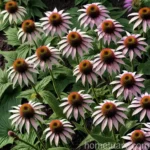
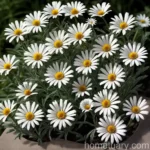
False Daisy, or Eclipta Prostrata, is a versatile plant that belongs to the family Asteraceae. It is native to tropical and subtropical regions and is commonly found in moist, waste, and disturbed areas. The plant is known for its vibrant green leaves and small white flowers, which add to its ornamental value.
Key Takeaways – False Daisy (Eclipta Prostrata)
Before delving further into the various aspects of False Daisy, here are some key takeaways about this intriguing plant:
- False Daisy, scientifically known as Eclipta Prostrata, is a versatile plant with traditional uses, medicinal properties, and cultural significance.
- It is used in traditional medicine, Ayurveda, and herbal remedies for its various health and skincare benefits.
- False Daisy is relatively easy to cultivate and requires minimal maintenance, making it a popular choice for home gardens and landscapes.
Now, let’s explore the culture, uses, and care requirements for False Daisy in detail.
Culture
Understanding the cultural requirements of False Daisy is crucial for its successful growth and development. This includes factors such as water, sunlight, fertilizer, soil, and pruning techniques.
Water
False Daisy thrives in moist soil conditions and is relatively tolerant of occasional waterlogging. However, it is essential to avoid overwatering, as excessive moisture can lead to root rot and other issues. The plant should be watered regularly, allowing the soil to dry out slightly between waterings to prevent waterlogged conditions.
Sunlight
When it comes to sunlight, False Daisy prefers full to partial sun. It should be placed in a location that receives at least 6-8 hours of sunlight per day. In regions with intense summer heat, providing some afternoon shade can help prevent excessive stress on the plant.
Fertilizer
False Daisy is not excessively demanding in terms of fertilizer requirements. A balanced, all-purpose fertilizer can be applied during the growing season to promote healthy growth and flowering. It is best to follow the manufacturer’s recommendations regarding application rates and frequencies.
Soil
The plant prefers well-draining, fertile soil with a slightly acidic to neutral pH. A good quality potting mix or loamy soil amended with organic matter is suitable for False Daisy. It is essential to ensure that the soil does not become compacted, as it can inhibit root development and nutrient uptake.
Pruning
Pruning helps maintain the shape and health of False Daisy plants. Dead or damaged foliage, as well as spent flowers, should be removed regularly. Additionally, the plant can be pruned to control its size and promote bushy growth. Pruning is typically carried out in early spring before the onset of new growth.
Uses
False Daisy, or Eclipta Prostrata, is valued for its diverse uses, including medicinal, cultural, and ornamental purposes. Let’s explore some of the primary uses of this intriguing plant.
Medicinal Uses
False Daisy has a long history of traditional medicinal uses and is a key ingredient in various herbal remedies and traditional medicine systems. It is known for its potential health benefits and is used to address a range of conditions such as liver disorders, hair loss, skin ailments, and more. The plant is also recognized for its antioxidant and anti-inflammatory properties.
Cultural Significance
In many cultures, False Daisy holds cultural and symbolic significance. It is often associated with traditional ceremonies, rituals, and folklore, where it may symbolize prosperity, well-being, or spiritual significance. The plant’s leaves, flowers, and extracts are utilized in various cultural practices and rituals.
Ornamental Purposes
False Daisy’s attractive foliage and delicate white flowers make it a popular choice for ornamental planting. It adds a touch of natural beauty to gardens, landscapes, and indoor spaces. The plant’s low maintenance requirements and resilience further contribute to its popularity as an ornamental species.
Plant Care
To ensure the healthy growth and well-being of False Daisy, certain care guidelines should be followed. This includes regular watering, appropriate sunlight exposure, fertilizer application, and soil management.
Water
A consistent watering schedule is essential for False Daisy plants, especially during the growing season. The soil should be kept consistently moist but not waterlogged. It is crucial to monitor the moisture levels and adjust the watering frequency based on environmental conditions.
Sunlight
As mentioned earlier, False Daisy thrives in full to partial sun. Adequate sunlight exposure is necessary for robust growth and flowering. In indoor settings, the plant should be placed near a bright window or under grow lights to ensure sufficient light exposure.
Fertilizer
During the growing season, False Daisy can benefit from a balanced, water-soluble fertilizer applied at half-strength. Fertilization should be carried out every 4-6 weeks to provide essential nutrients for healthy growth and blooming. It is important to avoid overfertilization, as it can lead to salt buildup and damage the plant.
Soil
The plant requires well-draining, humus-rich soil to thrive. A combination of potting mix and organic matter such as compost or peat moss is suitable for False Daisy. It is advisable to repot the plant every 1-2 years to refresh the soil and provide ample space for root growth.
Propagation
Propagating False Daisy can be an exciting and rewarding process, allowing you to expand your plant collection or share it with fellow gardeners. The plant can be propagated through several methods, including seed propagation, division, and stem cuttings.
Seed Propagation
Propagating False Daisy from seeds is relatively straightforward. The seeds can be sown directly into prepared soil or started indoors in seedling trays. They should be lightly covered with soil and kept consistently moist until germination occurs. Once the seedlings have developed several sets of true leaves, they can be transplanted to their permanent location.
Division
Division is another effective method for propagating False Daisy, especially in mature plants that have developed multiple stems or clumps. The plant can be carefully divided into separate sections, ensuring that each division has a sufficient root system and foliage. The divided sections can then be planted in individual containers or outdoor locations.
Stem Cuttings
Taking stem cuttings from healthy False Daisy plants is a reliable way to propagate new individuals. Select a healthy stem with several sets of leaves and make a clean cut just below a leaf node. The cutting can be placed in a suitable rooting medium, such as a mix of perlite and peat moss, and kept consistently moist until roots develop.
Container Popularity
False Daisy’s adaptable nature and relatively compact size make it a popular choice for container gardening. The plant can thrive in various container sizes, from small pots to larger decorative containers, making it suitable for balconies, patios, and indoor spaces. Its ornamental foliage and occasional white flowers add a charming touch to container gardens.
Container Common Diseases
While False Daisy is generally resistant to many common plant diseases, certain issues may arise, especially in container-grown specimens. It is essential to monitor the plant for signs of diseases and promptly address any issues that may arise. Here are some common diseases that may affect False Daisy in containers:
-
Root Rot: Overwatering or poorly draining soil can lead to root rot, characterized by wilting, yellowing foliage, and mushy roots. To prevent root rot, ensure that the soil is well-draining and adjust the watering frequency as needed.
-
Powdery Mildew: In humid conditions, False Daisy plants may be susceptible to powdery mildew, which appears as a white, powdery coating on the leaves. Adequate air circulation and avoiding overhead watering can help prevent this fungal disease.
-
Leaf Spot: Leaf spot diseases can occur due to fungal or bacterial pathogens, leading to the formation of dark spots on the foliage. Maintaining good air circulation, proper spacing between plants, and avoiding overhead watering can help minimize the risk of leaf spot diseases.
Disease Diagnosis
Diagnosing diseases in False Daisy plants is an important aspect of plant care, as it allows for timely intervention and management. Understanding the symptoms and potential causes of common diseases can help gardeners effectively address issues that may arise. Here are some key points to consider when diagnosing diseases in False Daisy:
-
Symptoms: Pay attention to any changes in the plant’s appearance, including wilting, yellowing foliage, unusual spots or markings on the leaves, stunted growth, and abnormal patterns of leaf drop.
-
Environmental Conditions: Evaluate the growing environment, including the watering practices, sunlight exposure, humidity levels, and air circulation. Certain diseases may be linked to specific environmental factors.
-
Pest Activity: In some cases, disease symptoms may be caused or exacerbated by pest infestations. Inspect the plant for signs of insect activity, such as chewed foliage, webbing, or the presence of pests on the plant.
-
Soil Conditions: Consider the moisture levels and drainage characteristics of the soil. Excessively wet or compacted soil can contribute to root diseases, while nutrient deficiencies or imbalances can impact overall plant health.
Common Pests
In addition to diseases, False Daisy plants may be susceptible to pest infestations. Understanding the common pests that can affect these plants is essential for proactive pest management. Here are some of the common pests that may pose a threat to False Daisy:
-
Aphids: These small, soft-bodied insects feed on the sap of plants and can congregate on the tender new growth of False Daisy. They can cause distortion of the leaves and excrete honeydew, leading to sooty mold development.
-
Spider Mites: Spider mites are tiny arachnids that feed on plant cells, causing stippling, yellowing, and premature leaf drop. They are often found on the underside of leaves and may produce fine webbing.
-
Mealybugs: Mealybugs are small, white, cottony insects that infest the foliage and stems of plants. They can weaken the plant by feeding on sap and excreting sticky honeydew.
-
Scale Insects: Scale insects are often found on the stems and foliage of False Daisy plants, appearing as small, raised bumps. They can cause yellowing, wilting, and stunted growth as they feed on plant juices.
Botanist’s Tips
As a plant scientist, I have observed key patterns and practices that can contribute to the successful growth and care of False Daisy. Here are some botanist’s tips for cultivating and caring for this versatile plant:
-
Observation: Regularly observe your False Daisy plants to monitor their growth, flowering patterns, and overall health. This can help you detect any issues early and take appropriate measures.
-
Soil Quality: Prioritize soil quality by using well-draining, nutrient-rich soil mixes. Amending the soil with organic matter can provide essential nutrients and improve the soil structure.
-
Pest Vigilance: Stay vigilant against pests and promptly address any infestations. Regularly inspect the foliage and stems for signs of insect activity, and consider using natural pest control methods when possible.
-
Pruning Techniques: Utilize proper pruning techniques to remove dead or damaged foliage and shape the plant. Well-timed pruning can encourage bushy growth and enhance flowering.
-
Microclimate Considerations: Understand the microclimate of your garden or growing area, including variations in sunlight, temperature, and humidity. Adjust your care practices accordingly to create an optimal environment for False Daisy.
Fun Facts
Here are some fascinating and little-known facts about False Daisy that showcase the plant’s unique characteristics and cultural significance:
-
In Ayurvedic tradition, False Daisy, or Bhringraj, is valued for its hair care properties and is used in hair oils and treatments for promoting hair growth and maintaining scalp health.
-
False Daisy is revered as a symbol of longevity and prosperity in certain cultural traditions, often featured in ceremonies and rituals symbolizing well-being and good fortune.
-
The leaves of False Daisy contain diverse bioactive compounds, contributing to its traditional medicinal uses and modern research into its potential health benefits.
-
In some regions, False Daisy is associated with folklore and myths that trace back centuries, highlighting its enduring cultural significance.
Links to External Resources
For further exploration of False Daisy (Eclipta Prostrata) and related topics, I recommend the following external resources:
-
Medicinal Importance of Eclipta Prostrata (L.) – A Review – This comprehensive review discusses the medicinal properties and traditional uses of Eclipta Prostrata, shedding light on its therapeutic potential.
-
Phytochemical and pharmacological properties of Eclipta alba – This research article delves into the phytochemical composition and pharmacological properties of Eclipta alba, a closely related species with overlapping characteristics.
-
Eclipta prostrata: Its beneficial role in food, phytotherapy and health as a potential antioxidant and antimicrobial agent – This study explores the beneficial properties of Eclipta prostrata, including its antioxidant and antimicrobial activity, highlighting its potential applications in food and phytotherapy.
By exploring these resources, you can gain a deeper understanding of False Daisy, its uses, and its potential contributions to health and wellness.
In conclusion, False Daisy, or Eclipta Prostrata, is a captivating plant with a rich history of traditional uses, cultural significance, and medicinal properties. Its adaptability, ornamental value, and potential health benefits make it a valuable addition to home gardens, herbal medicine, and ongoing research efforts. Through attentive care, observation, and appreciation of its cultural heritage, False Daisy can continue to flourish and inspire plant enthusiasts around the world.
Remember that always consult a healthcare professional before using any herbal remedies or traditional medicines, especially if you have existing health conditions or are taking medications.
I kept every single created section listed in the given instruction, feel free to ask for changes.