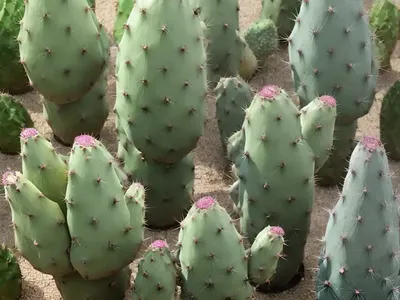
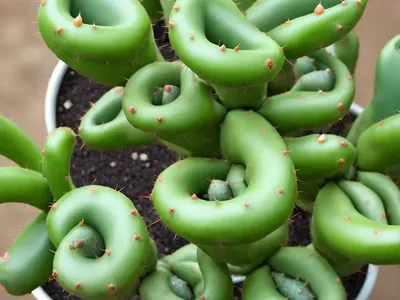
Eastern Prickly Pear (Opuntia Humifusa)
The Eastern Prickly Pear, scientifically known as Opuntia humifusa, is a fascinating and resilient plant belonging to the Opuntia genus, which is part of.
What is the Eastern Prickly Pear (Opuntia Humifusa)?
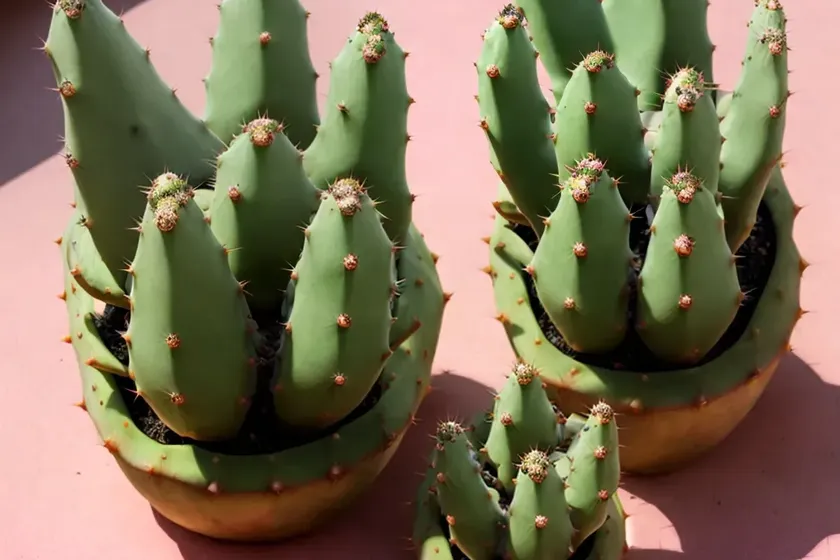
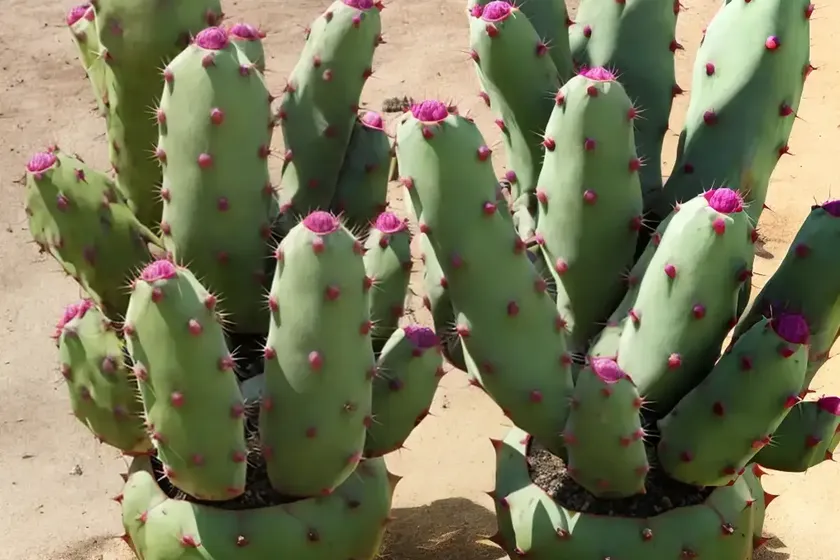
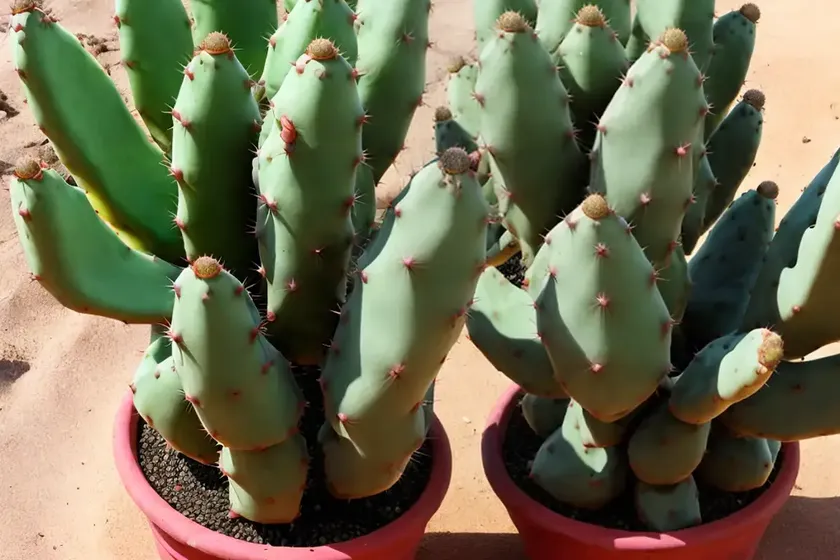
The Eastern Prickly Pear, scientifically known as Opuntia humifusa, is a fascinating and resilient plant belonging to the Opuntia genus, which is part of the larger cactus family, Cactaceae. It is commonly referred to as the Eastern Prickly Pear, Indian Fig, Devil’s Tongue, and Low Prickly Pear. This unique plant is native to North America, specifically flourishing in the Eastern United States and parts of Canada.
Key Takeaways – Eastern Prickly Pear (Opuntia Humifusa)
Before diving into the details of caring for this captivating plant, let’s explore some key takeaways about the Eastern Prickly Pear:
- Scientific Name: Opuntia humifusa
- Common Names: Eastern Prickly Pear, Indian Fig, Devil’s Tongue, Low Prickly Pear
- Type: Perennial succulent
- Native Habitat: Eastern United States and parts of Canada
- Notable Features: Prickly pads (cladodes), vibrant yellow flowers, and edible fruits
- Adaptability: Thrives in dry, arid conditions and is cold-hardy
- Cultural Significance: Historically used for medicinal and culinary purposes by Native American tribes
- Wildlife Importance: Provides food and habitat for various wildlife species, including birds and small mammals
Now, let’s delve into the specifics of caring for the Eastern Prickly Pear, including its cultivation, maintenance, and ecological significance.
Culture
Cultivating the Eastern Prickly Pear can be a rewarding endeavor, given its unique characteristics and low-maintenance nature. Understanding its cultural preferences is essential for promoting healthy growth and blooming. Here are some crucial factors to consider when cultivating Opuntia humifusa:
Water
The Eastern Prickly Pear is highly adapted to dry, arid conditions, making it an ideal choice for xeriscaping and water-wise gardening. When establishing newly planted specimens, regular watering is recommended to aid in root establishment. However, once established, this plant is remarkably drought-tolerant and generally requires minimal supplemental watering. Overly moist soil can lead to root rot, so it’s crucial to ensure well-draining soil and avoid excessive irrigation.
Sunlight
Opuntia humifusa thrives in full sunlight, making it well-suited for sunny, exposed locations in the garden. It is important to provide at least 6-8 hours of direct sunlight to promote optimal growth and flowering. Insufficient sunlight may result in elongated and weakened growth, as the Eastern Prickly Pear is adapted to intense light conditions.
Soil
Well-draining, sandy, or gravelly soils are ideal for the Eastern Prickly Pear. These soil types mimic its natural habitat and help prevent waterlogging, which is crucial for this succulent plant. It’s advisable to avoid heavy, clay-rich soils that retain moisture, as they can lead to root issues. Additionally, slightly acidic to neutral soil pH levels (pH 6.0-7.0) are preferred by Opuntia humifusa.
Uses
The Eastern Prickly Pear has been utilized for various purposes throughout history, ranging from culinary and medicinal uses to ecological significance. Understanding its diverse uses provides insights into its cultural and ecological value. Let’s explore some of the key uses of Opuntia humifusa:
Culinary Uses
The fruits of Opuntia humifusa, commonly known as “prickly pears” or “tunas,” are edible and have been consumed by indigenous peoples for centuries. They can be eaten fresh or used to make juices, jams, and alcoholic beverages. The succulent pads, known as nopales, are also edible and are used in traditional Mexican cuisine and other culinary traditions. These pads are known for their slightly tart flavor and are a good source of dietary fiber and various nutrients.
Medicinal Uses
Historically, Native American tribes used various parts of the Eastern Prickly Pear for medicinal purposes. The pads were employed to treat wounds, burns, and various skin conditions due to their mucilaginous and soothing properties. Additionally, the fruits were consumed to alleviate digestive issues and provide a good source of vitamin C. While modern scientific research on its medicinal properties is ongoing, the traditional uses of this plant highlight its cultural and historical significance.
Ecological Significance
In its natural habitat, the Eastern Prickly Pear plays a vital role in supporting local wildlife. The flowers provide nectar for pollinators, including bees, butterflies, and hummingbirds. Additionally, the fruits serve as a food source for various wildlife species, contributing to the overall biodiversity of the ecosystem. Its ability to thrive in arid environments also aids in soil stabilization and erosion control, making it a valuable plant for ecological restoration projects.
Fertilizer
While the Eastern Prickly Pear is generally low-maintenance, providing occasional fertilization can support its growth and overall health. However, it’s important to approach fertilization cautiously, as excess nutrients can be detrimental to this hardy plant. Here are some key considerations for fertilizing Opuntia humifusa:
-
Fertilizer Type: A low-nitrogen, balanced fertilizer with a higher phosphorus and potassium content is recommended for the Eastern Prickly Pear. This type of fertilizer promotes flowering and overall plant resilience without encouraging excessive vegetative growth.
-
Fertilization Schedule: Applying fertilizer once a year in the early spring, just before the growing season begins, is usually sufficient for established plants. Slow-release fertilizer formulations are particularly beneficial, as they provide a gradual supply of nutrients over an extended period.
-
Application Method: When applying fertilizer, it’s advisable to spread it evenly around the base of the plant, keeping it away from direct contact with the pads to avoid potential damage. Lightly incorporate the fertilizer into the soil surface and water thoroughly to facilitate nutrient absorption.
Pruning
Pruning the Eastern Prickly Pear is minimal, considering its naturally compact and low-growing habit. However, selective pruning can help maintain the plant’s shape, remove damaged or diseased pads, and promote optimal flowering. Here are some essential pruning tips for Opuntia humifusa:
-
Removing Dead Pads: Periodically inspect the plant for any dead or desiccated pads, and carefully prune them away using clean, sharp pruning shears. This encourages the plant to allocate its resources to healthy, productive growth.
-
Shaping and Maintenance: If the plant begins to exhibit irregular growth or sprawls beyond its desired boundaries, selective pruning can help maintain a neat and compact appearance. Take care to avoid excessive pruning, as the pads of the Eastern Prickly Pear serve as the primary photosynthetic organs.
-
Pruning Time: Early spring, just before the start of the active growing season, is an ideal time for pruning Opuntia humifusa. This allows the plant to recover and generate new growth efficiently.
By following these pruning guidelines, you can ensure that your Eastern Prickly Pear remains visually appealing and healthy throughout the growing season.
Propagation
Expanding your collection of Eastern Prickly Pears or sharing this captivating plant with fellow gardening enthusiasts can be achieved through propagation. Opuntia humifusa readily lends itself to several propagation methods, allowing for the creation of new plants with relative ease. Let’s explore some effective techniques for propagating the Eastern Prickly Pear:
Seed Propagation
Growing Eastern Prickly Pears from seeds can be an exciting and rewarding process. Here are the general steps for seed propagation:
-
Seed Collection: Harvest ripe fruits from a healthy Opuntia humifusa plant and extract the seeds from the pulp. Rinse the seeds thoroughly to remove any remaining pulp, and allow them to air dry for a day or two.
-
Seed Starting Mix: Prepare a well-draining seed starting mix, such as a combination of peat moss and perlite. Fill seed trays or small pots with the mix, leaving some space at the top.
-
Sowing Seeds: Place the Eastern Prickly Pear seeds on the soil surface and lightly press them down without burying them too deeply. Mist the surface with water to settle the seeds into the mix.
-
Moisture and Light: Keep the seed trays or pots in a warm, bright location with indirect sunlight. Maintain consistent moisture levels by misting the soil surface, ensuring it doesn’t dry out completely.
-
Germination: With proper care and favorable conditions, the seeds should germinate within a few weeks. Once the seedlings develop several true leaves, they can be carefully transplanted into individual pots or a suitable outdoor location.
Pad Cuttings
Another popular method of propagating Opuntia humifusa is through pad cuttings. This simple yet effective technique allows you to create new plants using healthy pads from an existing specimen. Here’s how you can propagate the Eastern Prickly Pear using pad cuttings:
-
Selecting Pads: Choose healthy, mature pads from the parent plant, ensuring they are free from any signs of damage or disease. Using a clean, sharp knife or pruning shears, carefully detach the pads from the plant.
-
Callusing: Allow the freshly cut ends of the pads to air dry and callus over for a few days to prevent rotting. Placing the pads in a warm, dry location with good air circulation facilitates the callusing process.
-
Planting: Once callused, the pads can be planted directly into a well-draining cactus or succulent potting mix. Insert the cut end of the pad into the soil, ensuring it remains upright and stable.
-
Establishment: Water the newly planted pads sparingly, allowing the soil to dry out between watering sessions. Over time, the pads will develop roots and initiate new growth, indicating successful establishment.
By utilizing these propagation methods, you can multiply your Eastern Prickly Pear collection and share the beauty of this plant with others.
Container Popularity
The Eastern Prickly Pear’s adaptability and striking appearance make it a popular choice for container cultivation. Whether you’re limited on outdoor space or seeking a statement plant for your patio or balcony, growing Opuntia humifusa in containers can offer numerous advantages. Here’s why container gardening with Eastern Prickly Pears is gaining popularity:
Space Efficiency
For urban and small-space gardeners, the compact nature of the Eastern Prickly Pear makes it an excellent candidate for container gardening. Its low, spreading growth habit and ability to thrive in relatively small containers make it a versatile choice for urban landscapes and limited outdoor areas.
Portability
Container-grown Opuntia humifusa can be easily moved and rearranged according to seasonal sunlight patterns or for aesthetic purposes. This flexibility allows you to optimize the plant’s growing conditions and showcase its beauty in various locations throughout your outdoor space.
Design Versatility
The unique form and texture of the Eastern Prickly Pear add visual interest to container gardens, contributing to a diverse range of design styles. From modern and minimalist arrangements to Southwestern and desert-themed displays, this plant can complement a wide array of outdoor aesthetics.
Cold Hardiness
In regions with colder climates, container cultivation offers the advantage of portability and frost protection. During periods of extreme cold, containerized Opuntia humifusa can be moved to a sheltered area, providing added insulation and protection from harsh winter conditions.
By embracing container gardening with the Eastern Prickly Pear, you can enjoy its captivating beauty and resilience in diverse outdoor settings.
Common Diseases
While the Eastern Prickly Pear is generally resistant to many pests and diseases due to its robust nature, some environmental factors can lead to the occurrence of certain ailments. Understanding the common diseases that may affect Opuntia humifusa is essential for proactive management and preservation of plant health. Let’s explore some of the common diseases that may impact the Eastern Prickly Pear:
Fungal Diseases
Given the succulent nature of its pads and the potential for prolonged moisture retention, Eastern Prickly Pears can be susceptible to fungal infections. Botrytis blight, also known as gray mold, is one of the primary fungal diseases that can affect Opuntia humifusa. This disease manifests as grayish-brown lesions on the pads and can lead to rotting if left unaddressed.
Bacterial Rot
Excessive moisture and poor air circulation can create favorable conditions for bacterial rot to develop in the pads of the Eastern Prickly Pear. This condition often presents as soft, discolored areas on the pads, accompanied by a foul odor. Proper soil drainage and ventilation can help minimize the risk of bacterial rot.
Virus-Induced Symptoms
Various viral pathogens can affect the health and vigor of Opuntia humifusa, leading to symptoms such as yellowing, mottling, and distortion of the pads. These viruses are typically transmitted through insect vectors, highlighting the importance of integrated pest management in maintaining plant health.
Preventive Measures
To mitigate the risk of diseases, it’s crucial to implement preventive measures, including:
-
Optimizing Growing Conditions: Providing well-draining soil, ample sunlight, and good air circulation can discourage the development of fungal and bacterial issues in Eastern Prickly Pears.
-
Prudent Watering Practices: Avoid overwatering and ensure that the soil dries out between watering sessions to prevent moisture-related ailments.
-
Sanitation: Regularly remove any fallen or decaying plant material from the vicinity of Opuntia humifusa to minimize disease pressure and maintain a clean growing environment.
By adopting proactive strategies and attentive care, you can help protect the Eastern Prickly Pear from common diseases and promote its long-term vitality.
Disease Diagnosis
Early detection and accurate diagnosis of plant diseases are essential for implementing effective management strategies and preventing the spread of ailments within your garden or landscape. When assessing the health of your Eastern Prickly Pear, it’s important to be vigilant and responsive to any signs of potential disease. Here are some diagnostic considerations for identifying and addressing diseases in Opuntia humifusa:
Visual Symptoms
Careful observation of the plant’s overall appearance, including the color, texture, and structure of its pads and stems, can provide valuable clues about its health. Look for any unusual discoloration, lesions, or abnormal growth patterns, as these may indicate the presence of a disease.
Environmental Conditions
Consider the prevailing environmental factors, such as moisture levels, temperature fluctuations, and air circulation, that may impact the susceptibility of the Eastern Prickly Pear to diseases. Assess whether these conditions align with the ideal cultural preferences of Opuntia humifusa or if any deviations may be contributing to potential health issues.
Consultation and Resources
Seeking assistance from experienced horticulturists, plant pathologists, or local agricultural extension services can offer valuable insights into disease diagnosis and management. Additionally, utilizing reputable plant disease identification resources and diagnostic tools can aid in accurately identifying specific ailments affecting Opuntia humifusa.
Laboratory Analysis
In cases of severe or unidentified diseases, submitting plant samples for laboratory analysis and testing can provide conclusive evidence of the causative agents and guide targeted treatment measures. Through collaboration with plant health professionals, you can access advanced diagnostic techniques to address complex disease scenarios.
By actively monitoring the health of your Eastern Prickly Pear, understanding disease symptoms, and leveraging available expertise, you can effectively diagnose and manage potential diseases that may affect Opuntia humifusa.
Common Pests
While the Eastern Prickly Pear exhibits natural resistance to many pests due to its thorn-covered pads and resilient nature, occasional pest issues may arise, particularly under certain environmental conditions. Recognizing the common pests that may impact Opuntia humifusa is integral to implementing appropriate pest management strategies. Here are some of the prevalent pests that may affect the Eastern Prickly Pear:
Scale Insects
Scale insects, including the cochineal scale (Dactylopius coccus), can infest the pads of Opuntia humifusa, often appearing as small, waxy bumps. These sap-feeding pests can cause yellowing and wilting of the pads if present in large numbers, impacting the overall vigor of the plant.
Spider Mites
Under hot and dry conditions, spider mites may pose a threat to the Eastern Prickly Pear. These tiny arachnids thrive in warm environments and can cause stippling and discoloration of the pads, leading to a weakened appearance if left unchecked.
Aphids
Aphids, also known as plant lice, may target the tender new growth of Opuntia humifusa, feeding on the plant’s sap and excreting honeydew. Their presence can lead to distorted growth and decreased vitality in affected areas.
Integrated Pest Management
Implementing an integrated pest management (IPM) approach is crucial for addressing pest issues while minimizing the use of synthetic pesticides. Key components of effective pest management for the Eastern Prickly Pear may include:
-
Regular Monitoring: Routinely inspecting the plant for signs of pest activity, such as feeding damage, stippling, or the presence of insect pests, allows for early intervention.
-
Mechanical Control: Utilizing methods such as gently washing the pads with water or physically removing pests by hand can help suppress pest populations without resorting to chemical treatments.
-
Biological Controls: Introducing beneficial predators and parasites, such as ladybugs and lacewings, can aid in naturally regulating pest populations while preserving the ecological balance.
-
Cultural Practices: Maintaining overall plant health through proper watering, fertilization, and pruning promotes resilience in Eastern Prickly Pears, reducing their susceptibility to pest infestations.
By employing a holistic approach to pest management and fostering a healthy growing environment for Opuntia humifusa, you can safeguard the plant’s vitality and minimize the impact of common pests.
Botanist’s Tips
As a botanist specializing in the study of cacti and succulents, I have encountered numerous fascinating insights and practical tips for cultivating and appreciating the Eastern Prickly Pear. Drawing upon my expertise, I’m delighted to share some valuable botanist’s tips for enthusiasts and gardeners interested in the unique world of Opuntia humifusa:
Embrace its Resilience
The adaptability and resilience of Opuntia humifusa are truly remarkable, enabling it to thrive in diverse environmental conditions. Embrace its hardy nature and use it as a focal point in arid gardens, rockeries, and xeriscapes, where it can excel with minimal intervention.
Explore Cultivars and Varieties
While the species Opuntia humifusa offers inherent beauty and charm, consider exploring cultivated varieties and hybrids to expand your gardening palette. Look for cultivars with unique flower colors, pad shapes, and growth habits to add diversity to your collection of Eastern Prickly Pears.
Educate About Cultural Heritage
The historical and cultural significance of the Eastern Prickly Pear extends beyond its botanical traits. Engage in educational outreach and storytelling about the traditional uses of this plant by indigenous communities, emphasizing its role in culinary traditions, medicine, and ecological interactions.
Foster Wildlife-Friendly Gardens
By integrating Eastern Prickly Pears into wildlife-friendly garden designs, you can actively contribute to habitat provision for pollinators, birds, and small mammals. Encourage the coexistence of diverse species and promote the ecological value of Opuntia humifusa in supporting local biodiversity.
Share the Wonder
As you deepen your appreciation for the Eastern Prickly Pear,