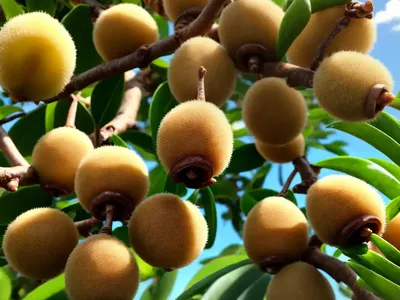
Longan (Dimocarpus Longan)
The Longan tree, scientifically known as Dimocarpus longan, is a tropical tree native to Southeast Asia. It belongs to the Sapindaceae family and is.
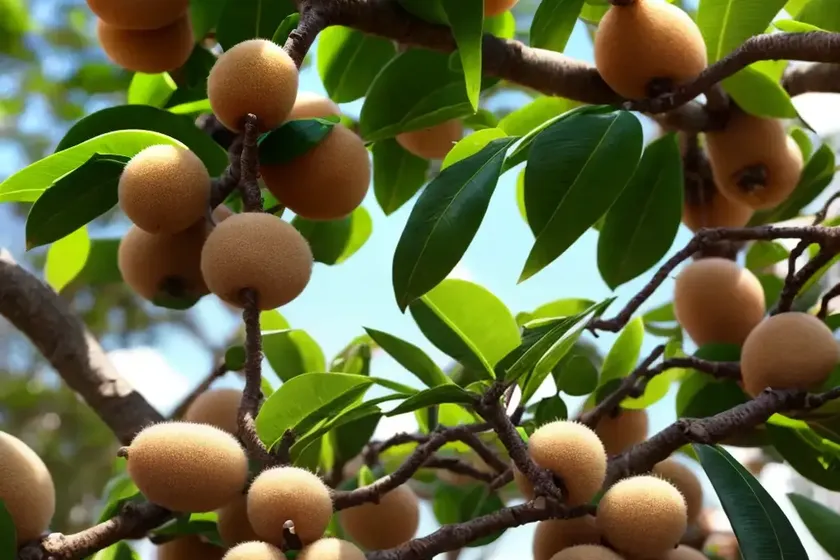
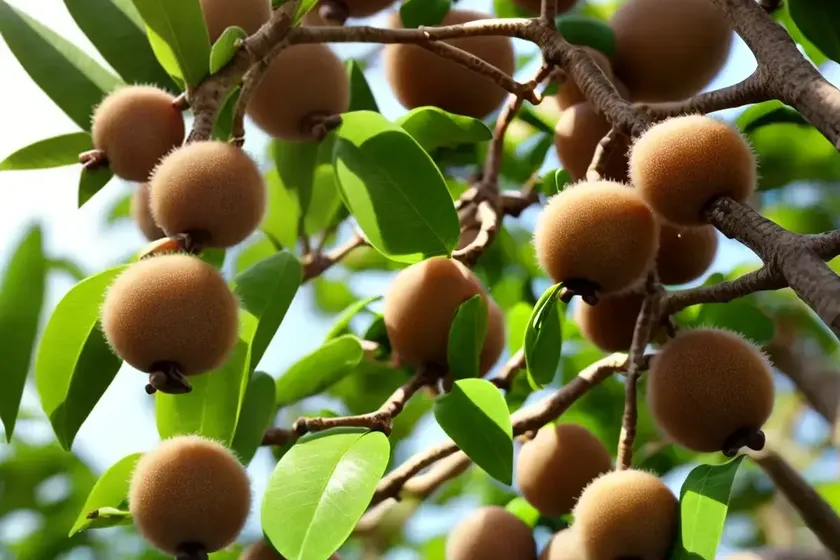
The Longan tree, scientifically known as Dimocarpus longan, is a tropical tree native to Southeast Asia. It belongs to the Sapindaceae family and is closely related to the lychee and rambutan. The Longan tree is highly valued for its sweet and juicy fruit, which is also known as the Longan.
In this comprehensive guide, we will explore all aspects of the Longan tree, including its cultivation, uses, care, diseases, and much more. Whether you’re a gardening enthusiast, a commercial grower, or simply curious about this remarkable tree, this article will provide you with valuable insights into the world of Longan cultivation.
What is Longan?
The Longan, also known as the “Dragon’s Eye,” is a tropical fruit that grows on the Longan tree. The fruit is small, round, and translucent with a smooth, yellowish-brown skin. Inside, the flesh is juicy, sweet, and aromatic. Longan fruits are often eaten fresh, but they can also be dried, canned, or used in various culinary dishes.
Key Takeaways – Longan (Dimocarpus Longan)
Health Benefits of Longan
- Rich in vitamin C, which is essential for a healthy immune system.
- Contains potent antioxidants that may help protect against chronic diseases.
- Provides a good source of potassium, which is crucial for heart health.
Longan Fruit Nutrition
- Low in calories and fat.
- Contains carbohydrates, fiber, and small amounts of protein.
- Offers various vitamins and minerals, including vitamin C, vitamin B, and iron.
Longan Tree Cultivation
- Thrives in tropical and subtropical climates.
- Requires well-drained, fertile soil.
- Benefits from regular watering and protection from strong winds.
Longan Harvesting Techniques
- Fruits are harvested when the skin turns from green to light brown.
- Care should be taken to avoid damaging the fruit during harvesting.
Longan Tree Care
- Regular pruning to promote airflow and control the tree’s size.
- Application of appropriate fertilizers to support healthy growth.
- Monitoring for common pests and diseases.
Longan Tree Diseases
- Susceptible to fungal diseases, such as anthracnose and powdery mildew.
- Proper care and maintenance can help prevent disease outbreaks.
Longan Fruit Uses
- Eaten fresh as a delicious and nutritious snack.
- Used in various desserts, jams, and beverages.
- Can be dried or canned for extended shelf life.
Longan Fruit Season
- Typically harvested in late summer to early fall.
- Availability may vary depending on the specific growing region.
Longan Fruit Facts
- Considered a symbol of love and romance in Chinese culture.
- Often associated with celebrations and festive occasions.
- Has a long history of traditional medicinal uses.
Longan Tree Species
- Belongs to the Sapindaceae family.
- Close botanical relatives include the lychee and rambutan.
Longan Fruit Varieties
- Different cultivars may vary in fruit size, flavor, and ripening times.
Culture
The culture of Longan involves the cultivation and care practices required for the successful growth of the tree and the production of high-quality fruits. Let’s explore the essential aspects of Longan culture.
Water
Longan trees require regular and consistent watering, especially during the establishment phase and periods of drought. Adequate moisture is vital for fruit development and overall tree health. However, it’s important to maintain well-drained soil to prevent waterlogged conditions that can lead to root rot.
Sunlight
Longan trees thrive in full sun, requiring at least 6-8 hours of direct sunlight per day. Adequate sunlight exposure promotes healthy growth and fruit production. Insufficient sunlight may result in reduced fruit quality and lower yields.
Fertilizer
Fertilization is essential for Longan trees to ensure they receive the necessary nutrients for vigorous growth and fruiting. A balanced fertilizer with a higher potassium content is beneficial for promoting flowering and fruit development. Regular soil testing can help determine the specific nutrient requirements of the trees.
Soil
Well-drained, slightly acidic soils are preferable for Longan cultivation. The ideal soil pH ranges from 5.0 to 6.5. Organic matter incorporation and mulching can enhance soil fertility and moisture retention, creating an optimal growing environment for the trees.
Pruning
Pruning plays a crucial role in maintaining the structure of Longan trees, promoting air circulation, and controlling their size. Regular pruning helps remove dead or diseased branches, encourages new growth, and facilitates the penetration of sunlight into the canopy. Pruning should be carried out during the dormant season to minimize stress on the trees.
Propagation
Longan trees can be propagated through various methods, including seeds, air layering, and grafting. Each propagation technique has its advantages and challenges, impacting the growth characteristics and potential yield of the resulting trees.
Seeds
Propagation from seeds is a straightforward but time-consuming method. However, trees grown from seeds may exhibit variability in fruit quality and characteristics, making it less favorable for commercial production. Seeds should be sourced from high-quality fruits to improve the likelihood of desirable traits in the offspring.
Air Layering
Air layering is a reliable method for propagating Longan trees, especially when aiming to preserve the traits of a specific cultivar. This technique involves inducing roots to form on a branch while it is still attached to the parent tree before severing it to create a new tree. Air layering can produce genetically identical trees to the parent plant.
Grafting
Grafting methods, such as cleft grafting and side-veneer grafting, are commonly used to propagate Longan trees onto compatible rootstocks. Grafting allows growers to replicate the characteristics of superior cultivars and control the root system’s vigor and disease resistance. It is an efficient way to ensure uniform fruit quality and consistent yields.
Container
Growing Longan trees in containers can be a viable option for gardeners with limited space or those in non-tropical regions. It requires careful attention to watering, fertilization, and root health, as containerized trees have restricted access to water and nutrients compared to those planted in the ground.
Popularity
The Longan fruit’s popularity has been steadily increasing due to its unique flavor, nutritional value, and versatile uses in culinary applications. It is highly sought after in countries with tropical climates and has gained attention in international markets as a specialty fruit.
Common Diseases
Longan trees are susceptible to various diseases, which can affect their overall health and fruit production. Understanding the common diseases and their management is essential for maintaining productive orchards and ensuring high fruit quality.
Disease Diagnosis
Prompt identification and diagnosis of diseases is critical for implementing effective control measures. Visual symptoms, such as leaf discoloration, fruit blemishes, and abnormal growth patterns, can indicate the presence of specific pathogens. Diagnostic services offered by agricultural extension offices and plant pathology laboratories can aid in the accurate identification of diseases.
Common Pests
Pests, including fruit flies, aphids, and mites, can pose significant challenges to Longan cultivation by causing fruit damage, defoliation, and reduced tree vigor. Integrated pest management (IPM) strategies, such as the use of biological controls, pheromone traps, and selective insecticides, can help manage pest populations while minimizing environmental impact.
Botanist’s Tips
As a plant scientist, here are some valuable tips for successfully growing Longan trees and maximizing their fruit production:
- Select cultivars suited to your specific climate and soil conditions to optimize performance.
- Monitor soil moisture levels to prevent water stress, particularly during fruit development stages.
- Implement a regular fertilization program tailored to the nutritional needs of Longan trees.
- Prune trees strategically to maintain an open canopy structure and promote light penetration.
- Keep a watchful eye on disease and pest pressures, intervening promptly to mitigate potential damage.
Fun Facts
- The Longan fruit is often associated with the Chinese Mid-Autumn Festival and signifies reunion.
- Longan trees can live for several decades, producing abundant fruit throughout their lifespan.
- In traditional Chinese medicine, Longan fruit is believed to have calming and rejuvenating properties.
- The name “Longan” translates to “dragon eye,” referencing the fruit’s appearance when the skin is peeled back to reveal the translucent flesh.
Links to External Resources
For more in-depth information on Longan cultivation, nutrition, and recipes, explore the following resources:
- University of Florida IFAS Extension: Longan Growing in the Florida Home Landscape
- International Plant Genetic Resources Institute: Dimocarpus Longan Information
- Food and Agriculture Organization of the United Nations: Longan Variety Descriptions
Conclusion
The Longan tree, with its delicious and nutritious fruit, offers a fascinating subject of study for plant enthusiasts and commercial growers alike. By understanding the cultivation practices, care requirements, and potential challenges associated with Longan production, individuals can make informed decisions to maximize the success of their orchards. As ongoing research continues to unveil the health benefits and exciting culinary uses of Longan fruit, the appeal of this tropical gem is set to flourish both domestically and internationally. With careful attention to its unique cultural and environmental needs, the Longan tree can thrive as a cornerstone of diverse agricultural landscapes, offering abundant harvests and enriching experiences for those who embrace its cultivation.
Remember, the Longan tree not only provides delectable fruit but also serves as a symbol of tradition, vitality, and the enduring ties that bind communities together. As we celebrate the remarkable attributes of the Longan, let us also honor the rich heritage and vibrant ecosystems that sustain its timeless presence in the world of horticulture.