False Aloe (Manfreda Virginica)
Plants have always been an essential aspect of the natural world, providing us with beauty, oxygen, and numerous resources. Among the vast array of plant.
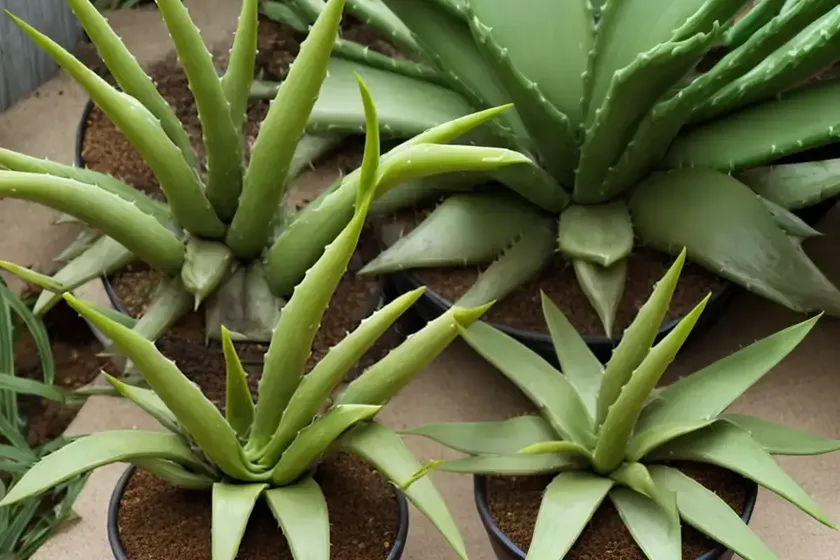
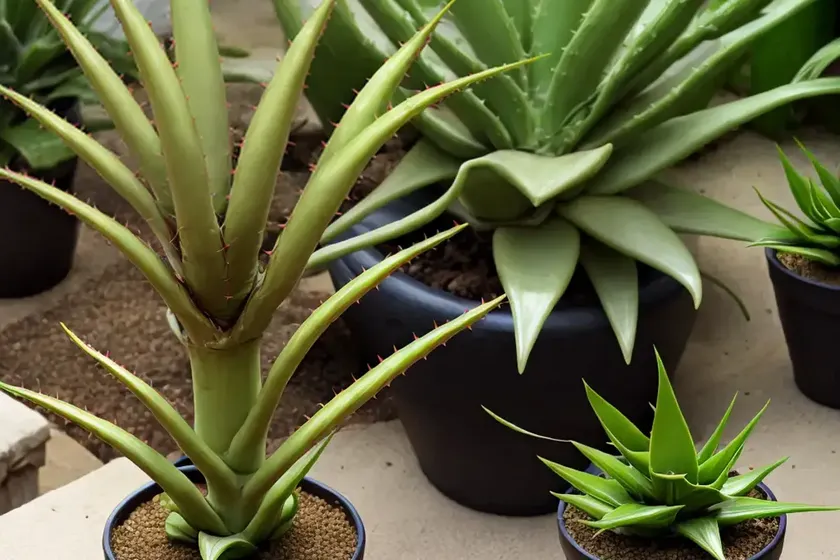
Plants have always been an essential aspect of the natural world, providing us with beauty, oxygen, and numerous resources. Among the vast array of plant species, False Aloe, scientifically known as Manfreda Virginica, stands out for its unique characteristics and versatile uses. This plant’s intriguing nature and practical applications make it a captivating subject for enthusiasts and horticulturists alike. In this comprehensive guide, we will delve into the world of False Aloe, discussing its cultural aspects, uses, care requirements, and much more. Let’s embark on a journey to explore the fascinating realm of Manfreda Virginica.
What is False Aloe (Manfreda Virginica)?
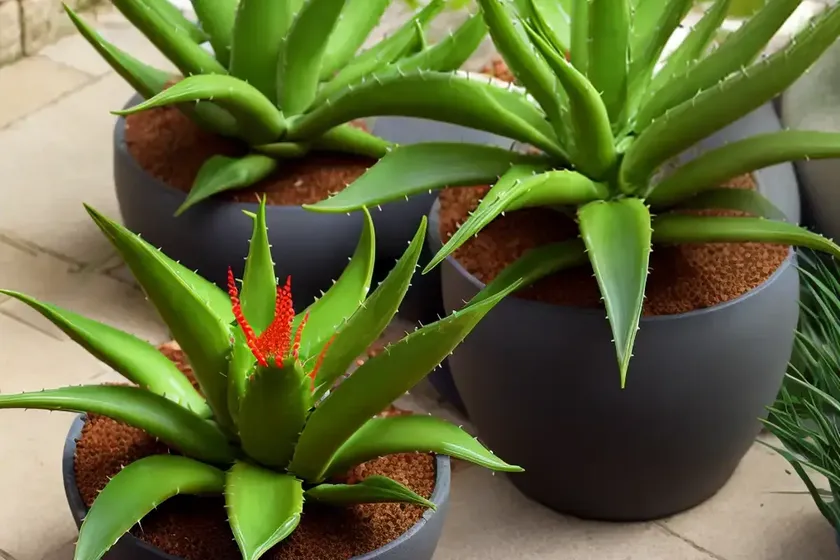
False Aloe, or Manfreda Virginica, is a striking perennial plant native to the southeastern United States. It belongs to the Asparagaceae family and is often mistaken for the true Aloe due to its similar appearance and some shared characteristics. This plant is renowned for its rosette of succulent, elongated leaves and its remarkable ability to thrive in various environmental conditions.
Key Takeaways – False Aloe (Manfreda Virginica)
Before delving into the specifics of False Aloe care and cultivation, let’s take a moment to review the key takeaways about this intriguing plant:
- Scientific Name: Manfreda Virginica
- Plant Type: Perennial
- Family: Asparagaceae
- Native Range: Southeastern United States
- Distinct Feature: Resembles true Aloe plant
- Versatile Uses: Landscaping, ornamental purposes, and potential medicinal applications
Now that we have a foundational understanding of False Aloe let’s explore its cultural aspects, uses, and care requirements in detail.
Understanding the cultural requirements of False Aloe is crucial for successfully nurturing and maintaining this unique plant. From its preferred soil conditions to sunlight exposure, each aspect plays a significant role in the overall health and vitality of Manfreda Virginica.
Water
False Aloe is well-suited to moderate watering, as excessive moisture can lead to root rot and other water-related issues. Adequate drainage is essential to prevent waterlogging, and it’s advisable to allow the soil to partially dry out between watering sessions. During the growing season, typically spring and summer, regular but controlled watering is recommended to support healthy growth. In contrast, reduced watering during the dormant phase, usually in winter, helps mimic its natural habitat and prevent water-related stress.
Water Requirements for False Aloe:
– Moderate and controlled watering
– Ensure adequate soil drainage to prevent waterlogging
– Allow partial drying of soil between watering sessions
– Adjust watering frequency based on the plant’s growth cycle
Sunlight
False Aloe thrives in well-lit environments and exhibits a preference for partial to full sunlight exposure. In its natural habitat, this plant often grows in open woodlands and sunny clearings, indicating its adaptability to varying light intensities. When cultivating False Aloe, it’s ideal to provide it with ample sunlight, while also keeping an eye on potential sun scorching during intense summer months. Finding a balance between direct sunlight and partial shade is key to promoting robust growth and vibrant leaf coloration.
Sunlight Needs for False Aloe:
– Partial to full sunlight exposure
– Monitor for potential sun scorching during intense summer periods
– Ensure balanced light exposure to maintain plant vitality
Fertilizer
While False Aloe is relatively low-maintenance, providing it with occasional fertilization can enhance its overall health and vigor. A balanced, water-soluble fertilizer formulated for succulent plants can be applied during the growing season to supplement essential nutrients. It’s important to administer fertilizer at half-strength to prevent overfeeding and mitigate the risk of nutrient imbalances. Additionally, a minimal or no-fertilization approach during the dormant phase is beneficial to align with the plant’s natural growth cycles.
Fertilizer Guidelines for False Aloe:
– Apply balanced, water-soluble fertilizer during the growing season
– Administer fertilizer at half-strength to prevent overfeeding
– Consider minimal or no-fertilization during the dormant phase
Soil
The soil composition for growing False Aloe should mimic its native habitat, characterized by well-draining, sandy, or gravelly soils. This plant thrives in moderately fertile soil with a slightly acidic to neutral pH range. Incorporating organic matter into the soil, such as compost or peat moss, can further improve its texture and nutrient-retention capabilities. Ensuring proper aeration and moisture permeability is crucial to prevent waterlogged conditions, which can adversely affect the plant’s root system and overall well-being.
Soil Requirements for False Aloe:
– Well-draining, sandy, or gravelly soil composition
– Slightly acidic to neutral pH range
– Incorporate organic matter for improved texture and nutrient retention
– Ensure adequate aeration and moisture permeability
Pruning
Pruning False Aloe is relatively minimal, focusing on the removal of any damaged, withered, or discolored leaves to maintain plant aesthetics and health. Additionally, removing spent flower stalks can encourage continuous growth and prevent the plant from expending unnecessary energy on seed production. Trimming should be performed with clean, sharp tools to minimize the risk of damage and infection. As False Aloe is not invasive, pruning for containment is generally not a primary concern, but it can be done if necessary to manage its size within a specific space.
Pruning Guidelines for False Aloe:
– Remove damaged, withered, or discolored leaves
– Trim spent flower stalks to encourage continuous growth
– Use clean, sharp tools for pruning to minimize damage and infection risk
– Consider containment pruning if managing plant size within a specific space
Propagation
The propagation of False Aloe can be achieved through several methods, including division, offsets, and seed germination. Division involves separating the plant’s offsets or dividing the root clumps to create new individuals. Offsets, also known as pups, are the small plantlets that develop around the base of mature False Aloe plants and can be carefully detached for propagation. Additionally, seed germination provides an opportunity to cultivate new plants, though it requires more time and patience compared to vegetative propagation methods.
Propagation Methods for False Aloe:
– Division: Separating plant offsets or dividing root clumps
– Offsets: Detaching small plantlets from the base of mature plants
– Seed Germination: Cultivating new plants from seeds, requiring time and patience
Container Popularity
False Aloe’s adaptability and striking appearance make it a popular choice for container gardening enthusiasts. Its compact growth habit and low-maintenance nature lend themselves well to container cultivation, providing an excellent option for enhancing patios, balconies, and indoor spaces with lush greenery. When selecting a container for False Aloe, opt for one with adequate drainage holes to prevent water accumulation and ensure proper airflow to the roots. Additionally, using a well-draining potting mix designed for succulents can support healthy growth and reduce the risk of water-related issues.
Container Gardening with False Aloe:
– Ideal for enhancing patios, balconies, and indoor spaces
– Select containers with adequate drainage holes
– Use well-draining potting mix designed for succulents
– Consider repotting as needed to accommodate plant growth
Common Diseases
False Aloe exhibits a commendable level of resilience against diseases, largely owing to its preference for well-draining conditions and relatively low water needs. However, as with any plant, it is important to remain vigilant for potential disease indicators and promptly address any issues to prevent their escalation. Some common diseases that may affect False Aloe include:
- Root Rot: Caused by overwatering and waterlogged soil conditions, leading to root decay and diminished plant health.
- Leaf Spot: Characterized by the appearance of dark or discolored spots on the leaves, often attributed to overwatering or high humidity levels.
- Powdery Mildew: A fungal disease marked by the development of powdery white patches on the leaves, typically thrives in humid environments.
Disease Prevention for False Aloe:
– Maintain well-draining soil conditions to prevent root rot
– Monitor and control watering to avoid overwatering-related issues
– Provide adequate air circulation to reduce humidity levels and mitigate disease risks
Disease Diagnosis
Detecting and accurately diagnosing potential diseases affecting False Aloe is essential for implementing targeted treatment and management strategies. Observable symptoms, such as leaf discoloration, wilting, or abnormal growth patterns, can provide valuable clues for identifying potential disease issues. In some cases, microscopic examination of affected plant tissues or laboratory testing may be necessary to confirm the presence of specific pathogens or infections. Seeking assistance from a plant health professional or horticulturist can aid in precise disease diagnosis and tailored intervention approaches.
Diagnosing Diseases in False Aloe:
– Observe and document visible symptoms on plant leaves, stems, and roots
– Consider microscopic examination or laboratory testing for accurate diagnosis
– Seek expert assistance for precise disease identification and recommended treatments
Common Pests
Despite its robust nature, False Aloe may encounter certain pests that can impact its overall growth and vigor. Vigilance and proactive pest management practices can help mitigate potential infestations and preserve the plant’s health. Some common pests that may affect False Aloe include:
- Aphids: Tiny, sap-sucking insects that can congregate on plant leaves and cause yellowing or distortion.
- Spider Mites: Minuscule arachnids that feed on plant sap, leading to stippled or discolored foliage.
- Mealybugs: Soft-bodied insects that secrete a white, powdery substance and feed on plant juices, potentially causing stunted growth and leaf damage.
Pest Control for False Aloe:
– Regularly inspect plant for signs of pest infestations
– Use gentle sprays of water or insecticidal soap to deter and manage pests
– Introduce natural predators, such as ladybugs, for biological pest control if needed
Effective care and maintenance of False Aloe are essential for fostering its optimal growth and vibrant appearance. Drawing on botanical insights and best practices can further elevate the success of cultivating and enjoying this remarkable plant.
Fun Facts
- False Aloe (Manfreda Virginica) is also known by various common names, including “Rattlesnake-master,” “American Aloe,” and “Virginia Agave,” reflecting its diverse nomenclature in different regions.
- In folklore and traditional medicine, certain indigenous communities have attributed specific healing properties to False Aloe, incorporating it into remedies for various ailments and injuries.
For additional information and resources on False Aloe (Manfreda Virginica), consider exploring the following links:
In conclusion, False Aloe (Manfreda Virginica) stands as a captivating botanical specimen with its striking appearance, adaptability, and practical uses. By understanding its cultural aspects, implementing effective care practices, and staying attuned to its unique characteristics, plant enthusiasts can cultivate and appreciate the beauty of False Aloe in various settings. Whether used in landscaping, container gardening, or for its potential medicinal value, Manfreda Virginica exemplifies the remarkable diversity and significance of plant life within our natural world.
Keywords: False Aloe plants, Manfreda Virginica, False Aloe care, Manfreda Virginica plant care, False Aloe plant characteristics, Growing False Aloe, Manfreda Virginica planting tips, False Aloe propagation methods, Manfreda Virginica varieties, False Aloe garden uses, Manfreda Virginica soil requirements, False Aloe sunlight needs, Manfreda Virginica water requirements, False Aloe temperature tolerance, Manfreda Virginica pest control, False Aloe disease prevention, Manfreda Virginica companion plants, False Aloe landscaping ideas, Manfreda Virginica container gardening, False Aloe gardening tips, Manfreda Virginica indoor care, False Aloe outdoor planting, Manfreda Virginica natural habitat, False Aloe medicinal uses, Manfreda Virginica folklore, False Aloe benefits, Manfreda Virginica drought tolerance, False Aloe leaf structure, Manfreda Virginica flower characteristics, False Aloe ornamental value, Manfreda Virginica plant family, False Aloe native range, Manfreda Virginica native habitat, False Aloe wildlife attraction, Manfreda Virginica hummingbird plant, False Aloe deer resistant, Manfreda Virginica gardening techniques, False Aloe seasonal care, Manfreda Virginica plant lifespan, False Aloe growth patterns, Manfreda Virginica common names, False Aloe garden design, Manfreda Virginica drought-tolerant plants, False Aloe native garden, Manfreda Virginica soil amendment, False Aloe garden maintenance, Manfreda Virginica landscape accent, False Aloe xeriscaping, Manfreda Virginica ornamental grass companion, False Aloe focal point plant.