The Evergreen Azalea (Rhododendron ‘Nico’): A Complete Guide
What is an Evergreen Azalea (Rhododendron ‘Nico’)?
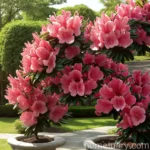
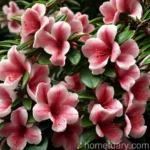
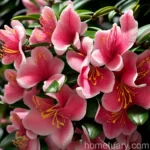
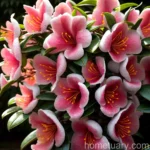
The evergreen azalea, scientifically known as Rhododendron ‘Nico’, is a popular flowering plant known for its vibrant blooms and evergreen foliage. This ornamental shrub belongs to the Rhododendron genus, which includes a diverse group of plants that are prized for their attractive flowers and adaptability to various climates. Rhododendron ‘Nico’ is a cultivated variety within the azalea species and is cherished by gardeners for its stunning appearance and ease of cultivation. In this comprehensive guide, we will delve into the key characteristics, care requirements, maintenance tips, and interesting facts about the evergreen azalea, providing you with all the essential information for successfully growing and enjoying this beautiful plant in your garden.
Key Takeaways – Evergreen Azalea (Rhododendron ‘Nico’)
Before we embark on a detailed exploration of the evergreen azalea (Rhododendron ‘Nico’), let’s outline the key takeaways that will be covered in this guide:
- Understanding the culture of evergreen azaleas
- Exploring the various uses of Rhododendron ‘Nico’ in landscaping
- Learning about the water, sunlight, fertilizer, and soil requirements for optimal growth
- Gaining insights into pruning, propagation, and growing evergreen azaleas in containers
- Understanding the popularity and common diseases of the evergreen azalea
- Identifying common pests and diseases that affect Rhododendron ‘Nico’
- Receiving botanist’s tips and fun facts about the plant
- Accessing external resources for further information and guidance
Now, let’s delve into each of these aspects in detail, beginning with the culture of evergreen azaleas.
Culture
Evergreen azaleas, including the Rhododendron ‘Nico’ variety, have a rich cultural significance in the world of gardening and horticulture. Understanding their cultural requirements is essential for ensuring their health and vitality in diverse garden settings.
Uses
The evergreen azalea (Rhododendron ‘Nico’) is widely utilized for a range of landscaping and gardening purposes due to its striking visual appeal and versatility. Some common uses of this plant include:
- Garden Beds: Planted as vibrant focal points in flower beds and borders, where their colorful blooms create visually captivating displays.
- Hedges: Utilized to form dense, flowering hedges that provide privacy and aesthetic enhancement to outdoor spaces.
- Container Gardening: Grown in containers and pots, allowing for easy mobility and placement on patios, porches, and balconies.
- Woodland Gardens: Integrated into woodland or shade gardens, where their adaptability to dappled sunlight and moist, well-drained soils makes them an ideal choice.
- Mixed Borders: Planted alongside other shrubs and perennials to add seasonal interest and diversity to mixed border plantings.
These diverse applications illustrate the plant’s adaptability and its ability to contribute to various garden designs and landscapes.
Water
Proper watering is crucial for the health and vigor of evergreen azaleas. These plants thrive in consistently moist, but well-drained, soil conditions. When establishing a watering routine for Rhododendron ‘Nico’, consider the following guidelines:
- Watering Frequency: During periods of active growth, such as spring and summer, provide regular watering to ensure that the soil remains consistently moist. However, avoid waterlogged conditions, which can lead to root rot.
- Morning Watering: It is advisable to water azaleas in the morning to allow foliage to dry off during the day, reducing the risk of fungal diseases.
- Mulching: Applying a layer of organic mulch around the base of the plant can help retain soil moisture and reduce water evaporation.
By monitoring soil moisture levels and adjusting watering practices accordingly, gardeners can support the healthy growth of evergreen azaleas.
Sunlight
The sunlight requirements of evergreen azaleas play a pivotal role in their overall performance and flowering potential. Understanding the plant’s preferences for light exposure is essential for choosing suitable planting locations and optimizing their growth.
- Partial Shade: Evergreen azaleas, including Rhododendron ‘Nico’, thrive in locations with dappled shade or filtered sunlight. In their natural habitat, these plants often grow under the canopy of larger trees, where they receive gentle, indirect light.
- Morning Sun: Providing morning sun coupled with afternoon shade is generally ideal for promoting flowering and preventing excessive heat stress.
- Avoiding Harsh Sunlight: Prolonged exposure to intense midday sun, especially in regions with hot summers, can lead to leaf scorch and reduced blooming.
Understanding the plant’s sunlight preferences allows gardeners to select suitable planting sites and create optimal growing conditions for their evergreen azaleas.
Fertilizer
Appropriate fertilization is essential for promoting healthy growth and abundant flowering in evergreen azaleas. By supplying essential nutrients, gardeners can support the plant’s overall vigor and resilience.
- Acidic Fertilizer: Evergreen azaleas thrive in acidic soils and benefit from regular applications of acidic or azalea-specific fertilizers. These formulations are designed to provide the necessary nutrients while maintaining soil pH levels conducive to azalea health.
- Timing: Fertilize Rhododendron ‘Nico’ in early spring, just before the onset of new growth, and again in late spring or early summer to support flower bud formation.
- Avoiding Overfertilization: Excessive or untimely application of fertilizers can lead to nutrient imbalances and potential damage to the plant. Carefully follow recommended dosage and application instructions on the fertilizer label.
By adhering to appropriate fertilization practices, gardeners can ensure that their evergreen azaleas receive the essential nutrients needed for robust growth and prolific blooms.
Soil
The soil composition and structure play a fundamental role in the overall health and performance of evergreen azaleas. Understanding the soil requirements and making necessary amendments are vital for creating an optimal growing environment for Rhododendron ‘Nico’.
- Acidic Soil: Evergreen azaleas prefer well-drained, acidic soils with a pH range of 4.5 to 6.0. The acidic nature of the soil is crucial for the plant’s ability to absorb essential nutrients and thrive.
- Soil Amendments: Incorporating organic matter, such as peat moss, well-rotted compost, or pine bark, into the soil can enhance its acidity and improve its texture and water retention capabilities.
- Mulching: Applying a layer of organic mulch around the base of the plant helps conserve soil moisture, maintain cool root temperatures, and gradually enrich the soil as the mulch decomposes.
By optimizing the soil conditions and acidity level, gardeners can create an ideal growing medium for evergreen azaleas, ensuring their long-term health and vitality.
Pruning
Proper pruning is essential for maintaining the attractive form, encouraging flowering, and rejuvenating older evergreen azaleas. By understanding the pruning techniques and timing, gardeners can effectively manage the growth and appearance of Rhododendron ‘Nico’.
- Pruning Time: After the flowering period is the ideal time to prune evergreen azaleas. This timing allows for the removal of spent blooms and the shaping of the plant without sacrificing potential flower buds for the following season.
- Pruning Goals: Regular pruning can help control the size and shape of the plant, promote air circulation within the canopy, and remove dead or diseased branches. It also encourages the development of new growth and maintains the plant’s overall health.
- Pruning Tools: Sharp, sterile pruning tools, such as hand pruners and loppers, are essential for making clean cuts and minimizing the risk of injury to the plant.
By incorporating appropriate pruning practices into their maintenance routine, gardeners can effectively manage the growth and appearance of evergreen azaleas, ensuring their long-term health and ornamental value.
Propagation
The propagation of evergreen azaleas offers gardeners the opportunity to create new plants from existing specimens, expand their collections, or share the beauty of Rhododendron ‘Nico’ with others. Understanding the propagation methods and techniques is essential for successfully propagating these plants.
- Cutting Propagation: Propagating evergreen azaleas from cuttings is a popular and reliable method for creating new plants with the same characteristics as the parent plant. Softwood or semi-hardwood cuttings taken from healthy, disease-free growth can be rooted in a well-draining propagation medium under controlled conditions.
- Air Layering: This technique involves creating a rooted plant from a stem or branch while the stem is still attached to the parent plant. Air layering can be an effective method for propagating specific cultivars, including Rhododendron ‘Nico’, and is often used when other methods are not feasible.
- Seed Propagation: While propagation from seeds is possible, it is less commonly used for azaleas due to the variability in seedling traits and the lengthy time required for the plants to reach maturity and bloom.
By selecting the most suitable propagation method and providing optimal growing conditions, gardeners can successfully propagate evergreen azaleas, expanding their collections and sharing the beauty of these plants with others.
Container Popularity
Evergreen azaleas, such as Rhododendron ‘Nico’, are well-suited for container gardening, offering a versatile and space-efficient way to enjoy their beauty on patios, balconies, or other outdoor areas. The popularity of growing evergreen azaleas in containers can be attributed to several key factors:
- Versatility: Container-grown evergreen azaleas can be easily moved and positioned to create stunning focal points or floral accents in outdoor spaces, making them a popular choice for urban and small-scale gardening.
- Accessibility: The practice of growing plants in containers allows individuals with limited garden space or specific growing conditions to cultivate evergreen azaleas and experience their visual and aromatic appeal.
- Seasonal Displays: Containers filled with blooming evergreen azaleas can be rotated and integrated into outdoor spaces to create vibrant seasonal displays, adding visual interest and color to patios, decks, and other areas.
- Ease of Care: Containerized evergreen azaleas may require specialized care in terms of watering, fertilization, and winter protection, but they offer gardeners greater control over soil conditions and growing environments, resulting in tailored care for individual plants.
By embracing container gardening, gardeners can cultivate evergreen azaleas in a variety of urban and small-space settings, enhancing the beauty and diversity of their outdoor living spaces.
Common Diseases
Evergreen azaleas, including the Rhododendron ‘Nico’ variety, are susceptible to several common diseases that can affect their health and ornamental value. Understanding these diseases, their symptoms, and management strategies is crucial for safeguarding the plants against potential threats.
Disease Diagnosis
- Powdery Mildew: This fungal disease presents as a white, powdery residue on the leaves, young shoots, and flower buds, often leading to stunted growth and distorted foliage. Proper air circulation, regular pruning, and fungicidal treatments can help manage powdery mildew.
- Leaf Spot: Characterized by circular, dark lesions on the leaves, leaf spot can lead to premature defoliation and reduced vigor in evergreen azaleas. Cultural practices, such as avoiding overhead watering and removing infected foliage, can aid in disease prevention.
- Root Rot: Excessive soil moisture and poor drainage can lead to root rot, a serious fungal disease that affects the plant’s root system, causing wilting, leaf yellowing, and overall decline. Improving soil drainage and avoiding waterlogged conditions are key to preventing root rot in azaleas.
By carefully monitoring the plants for signs of disease and promptly implementing appropriate management practices, gardeners can mitigate the impact of common diseases and promote the long-term health of their evergreen azaleas.
Common Pests
Various pests can pose threats to the health and appearance of evergreen azaleas, requiring vigilant monitoring and pest management measures to mitigate potential damage and infestations.
- Azalea Lace Bug: These tiny insects feed on the undersides of azalea leaves, causing stippling, yellowing, and premature leaf drop. Insecticidal soaps or horticultural oils can be used to control lace bug populations and protect the foliage of evergreen azaleas.
- Spider Mites: Spider mites are common pests that can infest azaleas, particularly in hot, dry conditions. They cause stippled, discolored foliage and webbing on the plant. Regular foliar sprays of water and insecticidal treatments can help manage spider mite infestations.
- Azalea Bark Scale: These small, inconspicuous insects attach themselves to the bark and branches of azaleas, where they feed on plant sap, leading to weakened growth and stress. Insecticidal treatments and horticultural oils can be utilized to control bark scale populations and protect the plant’s health.
By staying vigilant and employing appropriate pest control strategies, gardeners can safeguard their evergreen azaleas from potential infestations and maintain the plants in optimal condition.
Botanist’s Tips
Gardening experts and botanists offer valuable insights and recommendations for successfully cultivating and caring for evergreen azaleas, such as Rhododendron ‘Nico’. These tips encompass various aspects of plant selection, maintenance, and enjoyment, aiming to enhance the overall gardening experience and success with this captivating plant.
- Selecting Suitable Varieties: When choosing evergreen azaleas for your garden, consider not only the visual characteristics, such as flower color and form, but also the plant’s adaptability to your specific growing conditions, including soil type, sunlight exposure, and climate.
- Seasonal Maintenance: Regularly assess the health and appearance of your evergreen azaleas throughout the year, addressing any signs of pests, diseases, or nutrient deficiencies promptly. Consistent care and observation contribute to the plant’s long-term vitality and blooming performance.
- Encouraging Natural Benefits: Evergreen azaleas, in addition to their visual allure, offer ecological benefits such as attracting pollinators, enhancing biodiversity, and contributing to the overall health of the garden ecosystem. By fostering these natural benefits, gardeners can appreciate the broader contributions of the plant to the environment.
By incorporating these botanist’s tips into their gardening practices, enthusiasts can cultivate a deeper understanding of evergreen azaleas and optimize their care and appreciation of these plants.
Fun Facts
- Aromatic Blooms: Many evergreen azaleas, including Rhododendron ‘Nico’, produce fragrant blooms that add an additional sensory delight to the garden, offering a delightful olfactory experience for garden visitors.
- Long Bloom Season: With proper care and favorable growing conditions, evergreen azaleas can extend their blooming period, providing weeks of colorful displays and serving as reliable sources of seasonal interest in the landscape.
- Historical Significance: Azaleas, including some evergreen varieties, have been cultivated and revered for centuries, featuring in traditional gardens, cultural celebrations, and artistic depictions across various cultures and regions.
These fun facts showcase the multifaceted appeal and cultural significance of evergreen azaleas, adding an enriching perspective to the allure of these ornamental plants.
Links to External Resources
For those seeking additional information and resources on evergreen azaleas, Rhododendron ‘Nico’, and related topics, the following external sources provide valuable insights, guidance, and inspiration:
- American Rhododendron Society: A comprehensive resource for enthusiasts of rhododendrons and azaleas, offering a wealth of information on plant care, varieties, and cultivation practices.
- Extension Gardener: Azalea and Rhododendron Culture: An informative publication that delves into the cultural requirements, maintenance, and landscape uses of azaleas and rhododendrons, providing practical guidance for gardeners.
- The Rhododendron Species Foundation & Botanical Garden: A botanical garden and educational institution dedicated to the conservation, cultivation, and appreciation of rhododendrons, offering educational programs, plant collections, and horticultural resources.
- Royal Horticultural Society: Azaleas and Rhododendrons: A detailed guide to azaleas and rhododendrons, providing information on plant selection, cultivation, and common issues, as well as inspiring ideas for incorporating these plants into garden designs.
Utilizing these external resources empowers gardeners with a wealth of knowledge and expertise, enabling them to enhance their understanding and enjoyment of evergreen azaleas and expand their horticultural skills.
In conclusion, the evergreen azalea (Rhododendron ‘Nico’) stands as a captivating and versatile plant valued for its captivating blooms, evergreen foliage, and adaptability to diverse garden settings. By embracing the cultural practices, understanding the care requirements, and addressing common issues associated with the plant, gardeners can cultivate thriving evergreen azaleas and enjoy their beauty throughout the seasons. Whether planted as ornamental accents, floral displays, or naturalistic elements in the landscape, Rhododendron ‘Nico’ contributes to the visual appeal and ecological vitality of gardens, enriching outdoor spaces and connecting enthusiasts with the allure of nature.
Through continuous exploration, appreciation, and application of best practices, gardeners can foster an enduring relationship with evergreen azaleas, nurturing their vitality, elegance, and cherished presence in gardens and landscapes. With a deeper understanding of their cultivation and cultural significance, enthusiasts can cultivate an enduring appreciation for these captivating plants, enriching their gardening experiences and connecting with the natural beauty of evergreen azaleas.
By adhering to the guidelines and knowledge shared in this comprehensive guide, gardeners can embark on a fulfilling journey of cultivation, enjoyment, and appreciation of the captivating and versatile evergreen azalea (Rhododendron ‘Nico’).