Staghorn Sumac (Rhus Typhina ‘Dissecta’)
Staghorn sumac, scientifically known as Rhus typhina ‘Dissecta’, is a striking ornamental shrub native to North America. Its unique, dissected foliage and.


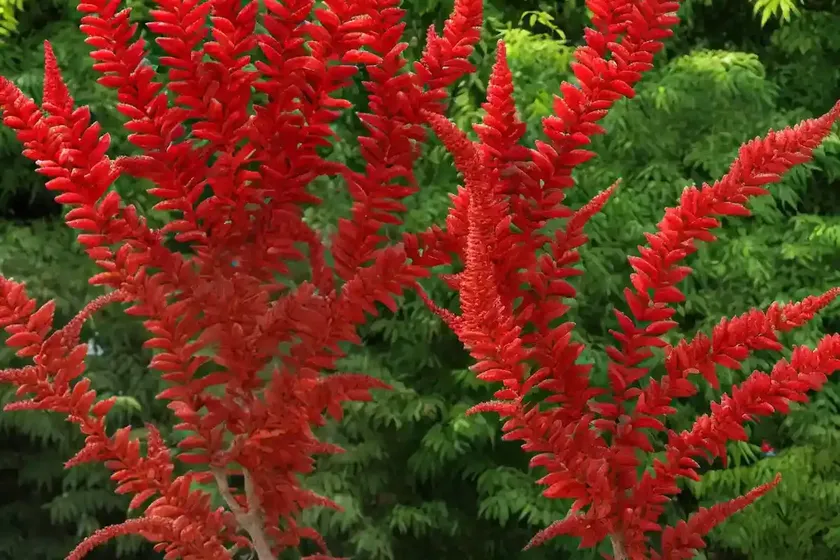
Staghorn sumac, scientifically known as Rhus typhina ‘Dissecta’, is a striking ornamental shrub native to North America. Its unique, dissected foliage and vibrant red fruit clusters make it a popular choice for landscape design and wildlife gardens. In addition to its aesthetic appeal, staghorn sumac has a rich cultural history and various practical uses, from herbal medicine to natural dyes. In this guide, we will delve into the characteristics and cultivation of staghorn sumac, providing valuable insights for plant enthusiasts, gardeners, and landscape professionals.
What is Staghorn Sumac?
Staghorn sumac, a member of the Anacardiaceae family, is a deciduous shrub renowned for its striking architectural form and vibrant autumnal display. The ‘Dissecta’ cultivar, in particular, is distinguished by its deeply dissected foliage, which adds an extra layer of visual interest to this already captivating plant.
Key Takeaways – Staghorn Sumac (Rhus typhina ‘Dissecta’)
Before we dive into the specific care guidelines for staghorn sumac, let’s take a quick look at the key takeaways of this unique plant:
- Staghorn sumac is a native, deciduous shrub known for its vibrant red fruit clusters and deeply dissected foliage.
- The ‘Dissecta’ cultivar features particularly intricate foliage, adding to its ornamental appeal.
- The plant has cultural significance and practical uses, including medicinal and ornamental purposes.
- Staghorn sumac is valued for its wildlife benefits, serving as a food source for birds and attracting pollinators.
- Understanding its cultural requirements and best practices for care is essential for successful cultivation.
Now, let’s explore the various aspects of caring for staghorn sumac, from its cultural requirements to its uses and associated plant care techniques.
Cultural Requirements
The successful cultivation of staghorn sumac begins with understanding and meeting its basic cultural requirements. From addressing its water needs to ensuring appropriate sunlight exposure, paying attention to these fundamental aspects is crucial for the plant’s overall health and vigor.
Water
Staghorn sumac is notable for its adaptability to a range of moisture conditions. Once established, it displays good drought tolerance, making it suitable for xeriscapes and other water-wise landscapes. However, regular watering is essential during the plant’s establishment phase and in periods of prolonged drought.
Staghorn Sumac Watering Guidelines
- Establishment Phase: For newly planted staghorn sumac shrubs, consistent moisture is crucial to support root establishment. Water deeply and regularly, ensuring that the soil remains consistently moist but not waterlogged during the first growing season.
- Mature Plants: Once the plant is well-established, it can withstand periods of dryness. However, during prolonged dry spells, provide supplemental watering, especially if the leaves show signs of wilting or drooping.
Sunlight
Staghorn sumac flourishes in full sun to partial shade, displaying the best foliage color and fruit development in full sun conditions. While it can tolerate some shade, it may not fruit as prolifically or display the same vibrant fall coloration in shadier locations.
Staghorn Sumac Sunlight Requirements
- Full Sun: Plant staghorn sumac in a location that receives at least 6 hours of direct sunlight daily for optimal growth and fruit production. This exposure will also contribute to the plant’s stunning fall foliage display.
- Partial Shade: While the plant can tolerate partial shade, it may benefit from some protection from the intense afternoon sun in hot, arid climates.
Soil
Staghorn sumac is adaptable to various soil types, thriving in well-draining soils with a slightly acidic to neutral pH. It can tolerate a wide range of soil textures, from sandy loam to rocky soils, as long as they provide good drainage.
Staghorn Sumac Soil Preferences
- Drainage: Ensure the planting site offers adequate drainage to prevent waterlogging, which can lead to root rot and other issues.
- pH Levels: The ideal soil pH for staghorn sumac ranges from 5.5 to 7.0, with slightly acidic to neutral conditions promoting optimal growth and nutrient uptake.
Fertilizer
Staghorn sumac is a relatively low-maintenance plant when it comes to fertilizer requirements. In most cases, it can thrive without the need for regular feeding, especially if planted in nutrient-rich soils or naturalistic landscapes. However, for plants in poor soils or containers, supplemental fertilization can support healthy growth.
Staghorn Sumac Fertilization Guidelines
- Minimal Fertilizer Needs: In established landscapes with fertile soils, staghorn sumac typically does not require additional fertilization. Its adaptability allows it to thrive without significant external inputs.
- Poor Soils and Containers: For plants growing in nutrient-deficient soils or containers, a balanced, slow-release fertilizer applied in early spring can provide the necessary nutrients for robust growth and flowering.
Pruning
Pruning is an important maintenance practice for staghorn sumac, helping to shape the plant, promote air circulation, and manage its size. Additionally, pruning can stimulate the growth of new stems and improve the overall ornamental appearance of the shrub.
Staghorn Sumac Pruning Tips
- Timing: Prune staghorn sumac in late winter to early spring before new growth emerges. This timing allows for better visibility of the plant’s structure and minimizes the risk of removing flower buds.
- Selective Pruning: Remove any dead, damaged, or crossing branches to maintain a healthy framework and open habit. Additionally, thin out older stems to encourage the growth of fresh, vigorous shoots.
- Caution: Staghorn sumac can spread through root suckers, so regular removal of these suckers may be necessary to prevent the plant from becoming invasive.
Propagation
The propagation of staghorn sumac can be achieved through various methods, including seed propagation, division of root suckers, and stem cuttings. Each approach offers its own set of advantages and challenges, and the choice of method depends on the specific goals and conditions of the propagation project.
Staghorn Sumac Propagation Methods
- Seed Propagation: Collect mature fruits in the fall, extract the seeds, and sow them in a well-draining medium. Provide consistent moisture and warmth to encourage germination, and transplant the young seedlings once they are large enough to handle.
- Division of Root Suckers: Staghorn sumac naturally produces suckers from its root system, which can be carefully severed and transplanted to establish new plants.
- Stem Cuttings: Take semi-hardwood cuttings in late spring to early summer, treat them with a rooting hormone, and place them in a propagation medium to root. Maintain consistent moisture and humidity to support successful establishment.
Container Popularity
Staghorn sumac is gaining popularity as a container plant due to its ornamental attributes, including its striking foliage and vibrant fall color. When grown in containers, it can be used to add visual interest to patios, balconies, and other outdoor living spaces.
Container Care for Staghorn Sumac
- Container Selection: Choose a large, sturdy container with adequate drainage holes to accommodate the plant’s root system and to prevent waterlogging.
- Well-Draining Mix: Use a high-quality, well-draining potting mix formulated for woody plants to ensure proper aeration and water retention.
- Seasonal Maintenance: Container-grown staghorn sumac may require more frequent watering and occasional fertilization to support its growth in the confined space.
Common Diseases
While staghorn sumac is generally resistant to most pests and diseases, it can still be susceptible to certain issues under unfavorable growing conditions or stress. Understanding the common diseases that may affect the plant can help in early detection and effective management.
Disease Diagnosis and Prevention
- Powdery Mildew: This fungal disease can occur in humid conditions and is characterized by a powdery white growth on the foliage. Ensure good air circulation and avoid overhead watering to prevent the onset of powdery mildew.
- Root Rot: Overly wet or poorly drained soils can lead to root rot, causing wilting, yellowing foliage, and overall decline. Improve drainage and avoid overwatering to prevent this potentially fatal disease.
- Leaf Spot Diseases: Various fungal and bacterial pathogens can cause leaf spot diseases on staghorn sumac, resulting in unsightly spotting and potential defoliation. Maintain good garden hygiene and avoid overhead irrigation to minimize disease spread.
Common Pests
Staghorn sumac is relatively resistant to most insect pests, but it may encounter occasional pest-related issues, including infestations by aphids, scale insects, and leaf-feeding caterpillars. Monitoring the plant regularly for signs of pest activity can help in early intervention and effective pest control.
Staghorn Sumac Pest Control
- Mechanical Control: Handpick and prune infested plant parts to physically remove pests and reduce their populations.
- Biological Control: Encourage natural predators, such as ladybugs and lacewings, to help manage aphid and scale insect populations.
- Horticultural Oils: Apply horticultural oils to suffocate and control soft-bodied pests like aphids and scale insects while minimizing harm to beneficial insects.
Botanist’s Tips
As a plant scientist and enthusiast, here are some additional tips to optimize the care and cultivation of staghorn sumac:
- Wildlife Gardening: Staghorn sumac is a valuable addition to wildlife gardens, providing food and habitat for birds, butterflies, and other beneficial creatures. Integrate it into wildlife-friendly landscapes to support biodiversity and ecological balance.
- Companion Planting: Pair staghorn sumac with other native plants, such as asters, goldenrod, and native grasses, to create a diverse and dynamic ecological community within the landscape.
- Conservation Awareness: Recognize the ecological significance of native plants like staghorn sumac and support efforts to conserve and protect their natural habitats.
Fun Facts
- Staghorn sumac is closely related to the culinary and medicinal plant, poison sumac (Toxicodendron vernix), but lacks its toxic properties.
- The fuzzy red fruit clusters of staghorn sumac are used in traditional herbal medicine for their astringent and tonic properties.
- The name “staghorn” refers to the fuzzy, branching structure of the plant’s stems, which resembles the antlers of a male deer.
Now that we have explored the cultural requirements and practical aspects of staghorn sumac care, let’s delve into its various uses and applications, from landscaping to herbal medicine.
Links to External Resources
For more in-depth information on staghorn sumac, its cultivation, and related topics, explore the following resources:
- The Morton Arboretum – Staghorn Sumac
- Lady Bird Johnson Wildflower Center – Rhus typhina ‘Dissecta’
- NC State Extension – Growing Staghorn Sumac
- USDA Plants Database – Rhus typhina
- University of Florida IFAS Extension – Staghorn Sumac in the Florida Home Landscape
In conclusion, the staghorn sumac (Rhus typhina ‘Dissecta’) is a captivating plant with a wealth of ornamental, ecological, and cultural attributes. By providing it with the appropriate cultural conditions and understanding its unique qualities, gardeners and plant enthusiasts can fully appreciate and harness the potential of this remarkable native shrub.
This comprehensive guide provides insights into the care and cultivation of staghorn sumac, focusing on its cultural requirements, uses, and associated plant care techniques. It also incorporates practical tips, fun facts, and links to external resources for additional information. If you have any questions or need further details on any aspect of staghorn sumac care, feel free to reach out anytime!