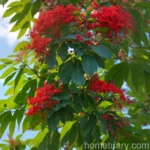
The Wild Service Tree (Sorbus torminalis)
Plants have always been an essential part of human life, from providing food and shelter to becoming a source of inspiration and beauty. Among the vast variety of plant species, the wild service tree (Sorbus torminalis) stands out due to its unique characteristics and versatility. In this comprehensive guide, we will explore the key aspects of the wild service tree, including its cultural and medicinal uses, growth requirements, ecological importance, and more.
What is the Wild Service Tree?
The wild service tree, scientifically known as Sorbus torminalis, is a deciduous tree species belonging to the Rosaceae family. This tree is native to Europe and Western Asia, where it thrives in diverse habitats including woodlands, hedgerows, and chalky soils. The wild service tree is known for its impressive stature, reaching heights of up to 25 meters (82 feet), and its distinctive lobed leaves, serrated margins, and clusters of creamy-white flowers.
Wild Service Tree Facts
Here are some intriguing facts about the wild service tree:
- The species is often referred to as the “chequer tree” due to the distinctive pattern on its fruit.
- It is considered a valuable tree for wildlife, providing food and habitat for various species.
- Historically, the wood of the wild service tree was used for crafting furniture and musical instruments.
Now that we have a basic understanding of the wild service tree, let’s delve deeper into its key attributes and uses.
Key Takeaways – Wild Service Tree (Sorbus torminalis)
Culture
The wild service tree has deep cultural significance, particularly in European folklore and traditional uses. Its distinctive appearance and fruiting patterns have inspired various mythological references and cultural practices. Furthermore, the tree’s historical uses in timber production and landscape design have contributed to its enduring cultural relevance.
Uses
The uses of the wild service tree are diverse and encompass ecological, medicinal, and traditional applications. From providing valuable wildlife habitat to serving as a source of traditional medicines, the tree holds immense utility within its ecosystem and in human contexts.
Water
Understanding the water requirements of the wild service tree is crucial for its successful cultivation. The species’ adaptation to specific moisture levels and soil conditions influences its distribution and growth patterns.
Sunlight
Like many plant species, the wild service tree has specific sunlight requirements that determine its growth and development. Understanding these requirements is essential for optimizing its cultivation and ensuring its health.
Fertilizer
Balanced fertilization is vital for promoting the growth and resilience of the wild service tree. By providing essential nutrients in appropriate proportions, the tree can thrive and fulfill its ecological and cultural roles.
Soil
The soil preferences of the wild service tree play a significant role in determining its distribution and growth. Understanding the tree’s soil requirements is essential for successful cultivation and conservation efforts.
Pruning
Pruning techniques tailored to the unique growth habits of the wild service tree can enhance its health and aesthetic appeal. Proper pruning practices contribute to the tree’s longevity and ecological value.
Propagation
Understanding the propagation methods of the wild service tree is essential for conservation and cultivation efforts. By employing suitable techniques, the species can be propagated to support its populations and diversity.
Container Popularity
The wild service tree’s adaptability to container cultivation makes it popular in horticultural settings and urban landscapes. Its container-friendly nature offers opportunities for integrating the species into diverse environments.
Common Diseases
As with any plant species, the wild service tree is susceptible to certain diseases that can impact its health and survival. Understanding and managing these diseases is crucial for preserving the species’ ecological and cultural significance.
Disease Diagnosis
Accurate diagnosis of diseases affecting the wild service tree is essential for implementing effective management strategies. Identifying symptoms and causal agents enables targeted interventions to mitigate disease impacts.
Common Pests
Insects and other pests can pose threats to the health and stability of the wild service tree. Recognizing common pests and understanding their impact on the tree’s well-being is essential for implementing control measures.
Botanist’s Tips
Insights from botanists and plant scientists can provide valuable guidance on the cultivation, conservation, and ecological interactions of the wild service tree. Expert tips contribute to the comprehensive understanding and effective management of the species.
Fun Facts
Exploring the lesser-known facets of the wild service tree, including its ecological interactions, historical significance, and cultural symbolism, reveals intriguing and captivating aspects of this remarkable species.
Now that we have covered the key takeaways related to the wild service tree, we will proceed to explore each aspect in greater detail.
Wild Service Tree (Sorbus torminalis) – A Closer Look
In this section, we will delve into each aspect of the wild service tree, providing comprehensive insights and practical guidance for its cultivation, conservation, and utilization.
Wild Service Tree Facts
Historical Significance
The wild service tree has deep historical roots, with cultural and symbolic significance dating back centuries. Its association with folklore, traditional uses, and landscape design has contributed to its enduring relevance in various cultural contexts.
Ecological Importance
As a native tree species, the wild service tree plays a crucial role in its ecosystem by providing habitat, food, and ecological services to diverse wildlife. Understanding its ecological interactions and contributions is essential for conservation efforts.
Conservation Status
Assessing the conservation status of the wild service tree is imperative for implementing targeted conservation measures and sustaining its populations. Factors such as habitat loss and climate change influence its conservation needs.
Distribution and Habitat
The distribution and habitat preferences of the wild service tree offer insights into its ecological requirements and adaptability to diverse environmental conditions. Mapping its range and habitats facilitates informed conservation and management strategies.
Wildlife Interactions
The interactions between the wild service tree and wildlife, including birds, insects, and mammals, contribute to its ecological value and significance. Understanding these interactions supports holistic conservation approaches.
Medicinal and Traditional Uses
The wild service tree holds medicinal and traditional uses that have been practiced for generations, highlighting its cultural and practical value. Exploring its therapeutic properties and ethnobotanical significance enriches our understanding of the species.
Folklore and Symbolism
Throughout history, the wild service tree has been associated with symbolic meanings and mythological references, reflecting its cultural resonance and enduring significance. Unraveling these symbolic associations provides insights into human-nature relationships.
Uses of Wild Service Tree
Ecological Uses
In its natural habitat, the wild service tree serves as a valuable component of woodland ecosystems and hedgerow communities. Its contributions to biodiversity and ecosystem stability underscore its ecological importance.
Wildlife Habitat
Providing crucial food and habitat for a range of wildlife species, including birds and insects, the wild service tree enhances biodiversity and supports ecosystem resilience. Recognizing its role as a wildlife habitat is essential for conservation efforts.
Medicinal Properties
The wild service tree exhibits medicinal properties that have been traditionally utilized for various therapeutic purposes. Exploring its medicinal uses and phytochemical properties contributes to our understanding of its potential health benefits.
Traditional Crafts
Historically, the wood of the wild service tree has been used in crafts, such as woodworking and instrument making. Its timber properties and suitability for traditional crafts have contributed to its cultural and economic significance.
Sorbus torminalis Habitat
Woodland Environments
The wild service tree thrives in diverse woodland environments, ranging from mixed deciduous woodlands to ancient forests. Its adaptability to varying woodland conditions shapes its distribution and ecological interactions.
Hedgerow Communities
Within hedgerow communities, the wild service tree fulfills essential ecological functions, including providing food and shelter for wildlife. Its role in maintaining hedgerow diversity and structure supports broader landscape conservation efforts.
Chalky Soils
The species’ affinity for chalky soils influences its habitat preferences and distribution patterns. Understanding its adaptation to specific soil types is crucial for habitat conservation and sustainable land management.
Benefits of Wild Service Tree
Ecosystem Services
The wild service tree offers a range of ecosystem services, including carbon sequestration, soil stabilization, and water regulation, which contribute to environmental sustainability and human well-being. Recognizing these benefits enhances its conservation value.
Landscape Aesthetics
In addition to its ecological contributions, the wild service tree enhances landscape aesthetics and biodiversity, making it valuable for landscape design and urban green spaces. Its aesthetic appeal contributes to its popularity in horticultural settings.
Wildlife Support
By providing food and habitat for diverse wildlife species, the wild service tree supports wildlife conservation and ecological balance. Its contributions to wildlife support highlight its significance in broader conservation strategies.
Growing Wild Service Tree
Climate Requirements
Understanding the climate requirements of the wild service tree is essential for successful cultivation and conservation. Factors such as temperature, precipitation, and seasonal patterns influence its growth and adaptation.
Soil Requirements
The species’ soil preferences, including moisture levels and nutrient availability, shape its growth and distribution. Tailoring cultivation practices to its soil requirements promotes successful establishment and growth.
Sunlight and Water
Providing optimal sunlight and water conditions supports the healthy growth and development of the wild service tree. Balancing these factors maximizes its resilience and ensures its long-term viability.
Sorbus torminalis Cultivation
Propagation Techniques
Employing suitable propagation techniques, such as seed sowing and vegetative propagation, supports the sustained cultivation and conservation of the wild service tree. Understanding effective propagation methods is crucial for supporting its populations.
Pruning and Maintenance
Implementing appropriate pruning and maintenance practices enhances the health and vitality of the wild service tree, promoting strong growth and structural integrity. Regular care contributes to its long-term sustainability.
Disease Control and Pest Management
Managing diseases and pests that affect the wild service tree is essential for maintaining its vigor and preventing population declines. Effective disease control and pest management strategies are integral to its cultivation and conservation.
Wild Service Tree Characteristics
Foliage and Flowers
The distinctive foliage and flowers of the wild service tree contribute to its ornamental and ecological value, attracting pollinators and enhancing landscape aesthetics. Understanding its characteristic features enriches its cultivation and appreciation.
Autumn Colors
During the autumn season, the wild service tree displays striking foliage colors, adding visual interest and aesthetic appeal to natural and cultivated landscapes. Its autumn colors contribute to its landscape significance.
Sorbus torminalis Medicinal Uses
Traditional Remedies
In traditional medicine, various parts of the wild service tree have been used to address health conditions and ailments, reflecting its medicinal properties and cultural significance. Exploring traditional remedies enhances our understanding of its therapeutic potential.
Phytochemical Composition
Investigating the phytochemical composition of the wild service tree provides insights into its medicinal properties and potential applications in modern healthcare. Understanding its phytochemistry informs medicinal and pharmacological research.
Wild Service Tree Symbolism
Cultural Significance
The wild service tree carries symbolic meanings and cultural significance in various traditions and folklore, reflecting its enduring value and resonance in human-nature relationships. Exploring its symbolism enriches our appreciation of its cultural importance.
Mythological References
Throughout history, the wild service tree has been associated with mythological references and symbolic narratives, capturing its mystical and enigmatic qualities. Unraveling these references contributes to its cultural and spiritual significance.
Sorbus torminalis Folklore
Folk Beliefs
Folklore surrounding the wild service tree encompasses a tapestry of beliefs, superstitions, and narratives that reflect its place in human consciousness and cultural expressions. Exploring folk beliefs offers insights into its folklore.
Traditional Practices
Traditional practices associated with the wild service tree, such as rituals and customs, underscore its enduring cultural relevance and adaptation to human traditions. Understanding these practices enriches our cultural connection to the species.
Wild Service Tree Identification
Morphological Features
Identifying the wild service tree based on its morphological features, including leaves, bark, and fruit, enables accurate recognition and appreciation of the species in natural and cultivated settings. Understanding its identification features is essential for conservation and horticulture.
Seasonal Changes
Observing the seasonal changes in the wild service tree, including flowering, fruiting, and foliage transformation, enhances our awareness of its life cycle and dynamic attributes. Recognizing seasonal changes contributes to its ecological and aesthetic significance.
Sorbus torminalis Ecological Importance
Habitat Support
The wild service tree provides essential habitat support for a range of wildlife species, from birds and insects to small mammals. Its structural and ecological contributions enhance biodiversity and ecosystem resilience.
Pollination and Seed Dispersal
By attracting pollinators and facilitating seed dispersal, the wild service tree participates in essential ecological processes that support plant reproduction and ecosystem dynamics. Its role in pollination and seed dispersal contributes to ecosystem functioning.
Wildlife Food Source
The fruit of the wild service tree serves as a valuable food source for wildlife, contributing to the diet and sustenance of numerous species. Its role as a wildlife food source underscores its ecological significance.
Bird Nesting Sites
The structural characteristics of the wild service tree make it suitable for providing nesting sites and roosting habitat for various bird species. Recognizing its importance as a bird nesting site supports avian conservation efforts.
Insect Interactions
Interactions between the wild service tree and insects, including pollinators and herbivores, influence its ecological dynamics and resilience. Understanding its insect interactions contributes to holistic conservation strategies.
Wildlife Conservation
The contributions of the wild service tree to wildlife conservation, including habitat provision and food resources, support broader efforts to safeguard biodiversity and ecosystem health. Recognizing its wildlife conservation value informs conservation priorities.
Wild Service Tree Conservation
Ethnobotanical Significance
The ethnobotanical significance of the wild service tree reflects its cultural and practical uses in human societies, from traditional medicines to material resources. Understanding its ethnobotanical importance contributes to holistic conservation approaches.
Endangered Species
Assessing the conservation status of the wild service tree, particularly in the context of habitat loss and climate change, underscores the need for targeted conservation efforts to protect its diversity and populations.
Natural History
Exploring the natural history of the wild service tree provides insights into its evolutionary adaptations, ecological relationships, and historical distributions, enriching our understanding of its ecological context and conservation needs.
Conservation Status
Assessing and monitoring the conservation status of the wild service tree is essential for implementing effective conservation measures and sustaining its populations. Addressing threats and preserving its habitats are integral to its conservation status.
Ecological Resilience
Understanding the ecological resilience of the wild service tree, including its adaptive traits and responses to environmental changes, guides conservation strategies aimed at enhancing its long-term viability and ecosystem contributions.
Wildlife Interactions
The interactions between the wild service tree and wildlife, encompassing food resources, habitat support, and ecological relationships, underscore its significance in broader wildlife conservation and ecological balance.
Sorbus torminalis Distribution
Native Range
The native range of the wild service tree encompasses diverse regions in Europe and Western Asia, where it exhibits adaptability to varying climatic and environmental conditions. Understanding its native range informs conservation and cultivation efforts.
Historical References
Historical references to the distribution of the wild service tree offer insights into its presence in landscapes, human perceptions, and cultural practices. Exploring historical records enriches our understanding of its distribution patterns.
Wild Service Tree Pruning Techniques
Structural Maintenance
Pruning techniques aimed at maintaining the structural integrity and health of the wild service tree contribute to its longevity and aesthetic appeal. Proper structural maintenance supports its ecological and landscape value.
Regenerative Pruning
Implementing regenerative pruning practices enhances the regrowth and vigor of the wild service tree, promoting its resilience and adaptation to changing environmental conditions. Regenerative pruning supports its ecological contributions.
Aesthetic Considerations
In horticultural and landscape settings, aesthetic considerations guide pruning techniques to enhance the visual appeal and balance of the wild service tree. Incorporating aesthetic considerations contributes to its landscape significance.
Sorbus torminalis Disease Control
Disease Identification
Accurate identification of diseases affecting the wild service tree is essential for implementing targeted disease control measures and preventing widespread impacts. Recognizing common diseases supports effective management strategies.
Disease Management
Managing diseases that affect the wild service tree, such as fungal infections and bacterial diseases, involves implementing appropriate control measures and promoting tree health. Disease management is integral to its cultivation and conservation.
Symptom Recognition
Recognizing symptoms of diseases affecting the wild service tree enables early intervention and effective disease management, contributing to its sustained health and ecological contributions. Symptom recognition supports prompt disease control.
Wild Service Tree Timber Properties
Wood Uses
The timber properties of the wild service tree, including its density, durability, and workability, have historically made it valuable for crafting furniture, tools, and musical instruments. Understanding its wood uses enhances our appreciation of its cultural and material significance.
Craftsmanship
The suitability of the wild service tree wood for craftsmanship and fine woodworking highlights its economic and cultural value in traditional crafts and contemporary artisanal practices. Its role in craftsmanship contributes to its material significance.
Utilization in Arts
In artistic and creative expressions, the wild service tree wood has been utilized for carving, sculpture, and artisanal creations, showcasing its aesthetic and expressive potential. Its utilization in arts underscores its cultural and creative value.
Sorbus torminalis Landscape Design
Aesthetic Contributions
In landscape design and urban green spaces, the wild service tree contributes to visual aesthetics, biodiversity enhancement, and ecological balance, making it a valuable component of diverse landscapes. Its aesthetic contributions enrich landscape design.
Biodiversity Enhancement
Incorporating the wild service tree into landscape designs supports biodiversity enhancement and ecological connectivity, contributing to sustainable and resilient landscapes. Its role in biodiversity enhancement is integral to landscape design.
Urban Greening
Utilizing the wild service tree in urban greening initiatives promotes ecological sustainability, community well-being, and aesthetic revitalization, making it a valuable asset in urban landscapes. Its contribution to urban greening supports urban biodiversity and resilience.
Wild Service Tree Seed Collection
Conservation Considerations
Collecting and conserving wild service tree seeds is essential for supporting genetic diversity, habitat restoration, and cultivated populations. Conservation seed collections play a crucial role in sustaining the species’ diversity.
Germination Techniques
Employing appropriate germination techniques enhances the success and viability of wild service tree seeds, supporting conservation and cultivation efforts. Understanding effective germination methods contributes to successful seed propagation.
Habitat Restoration
The propagation and planting of wild service tree seeds play a vital role in habitat restoration and ecological rehabilitation, supporting landscape conservation and biodiversity conservation. Habitat restoration efforts contribute to broader conservation goals.
Sorbus torminalis Bird Nesting Sites
Habitat Attributes
The structural and ecological attributes of the wild service tree make it a valuable nesting site for diverse bird species, contributing to avian conservation efforts and ecological balance. Recognizing its role as a bird nesting site informs habitat conservation.
Nesting Ecology
By providing secure and suitable nesting habitats, the wild service tree supports the nesting ecology and breeding success of birds, enhancing avian biodiversity and ecological stability. Understanding its nesting ecology contributes to avian conservation.
Species Diversity
The use of wild service tree nesting sites by various bird species underscores its importance for avian diversity and conservation. Supporting diverse bird species contributes to broader biodiversity and ecosystem health.
Wild Service Tree Pollination
Pollinator Interactions
The interactions between the wild service tree and pollinators, such as bees, butterflies, and other insects, support pollination dynamics and plant reproduction. Recognizing its role in pollinator interactions contributes to ecosystem stability.
Flower Adaptations
The floral adaptations of the wild service tree, including nectar production and flower morphology, enhance its attractiveness to pollinators and contribute to successful pollination. Understanding its flower adaptations informs pollination ecology.
Reproductive Success
Effective pollination of the wild service tree flowers contributes to its reproductive