European Linden (Tilia X Europaea)
Plants play a crucial role in our ecosystem, providing us with oxygen, food, and numerous other resources. In addition to their ecological importance.
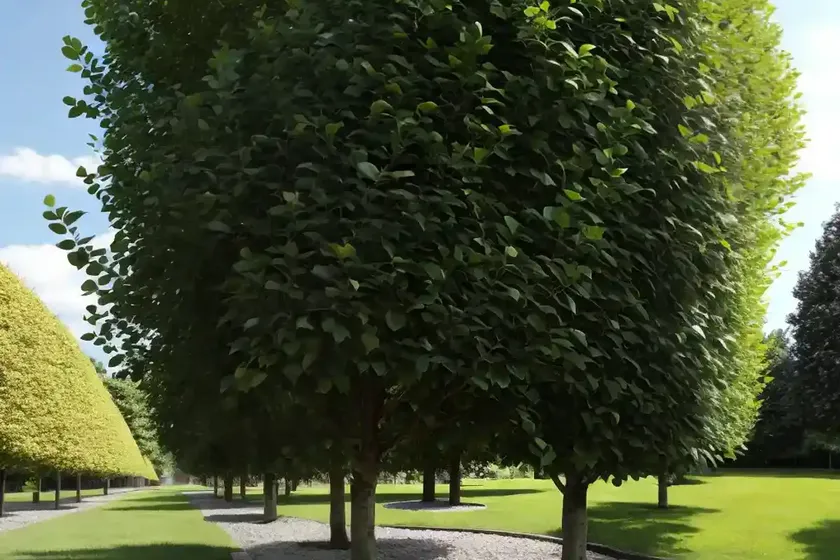
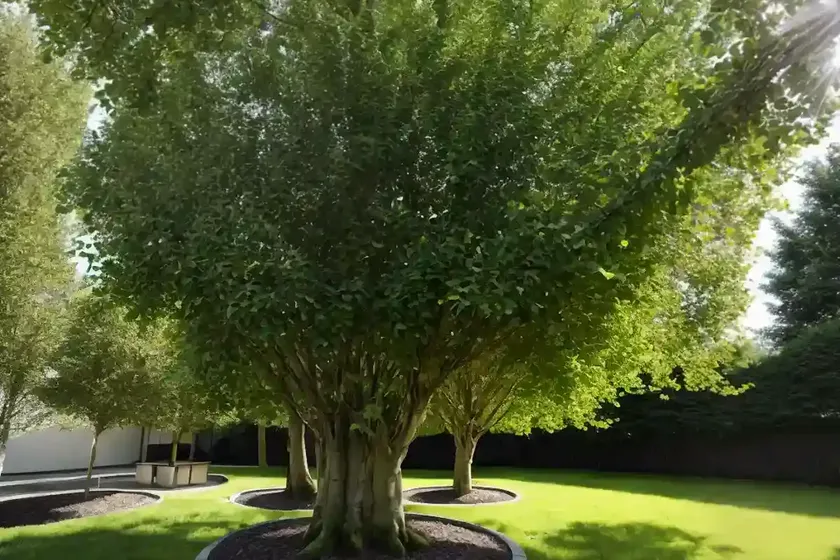
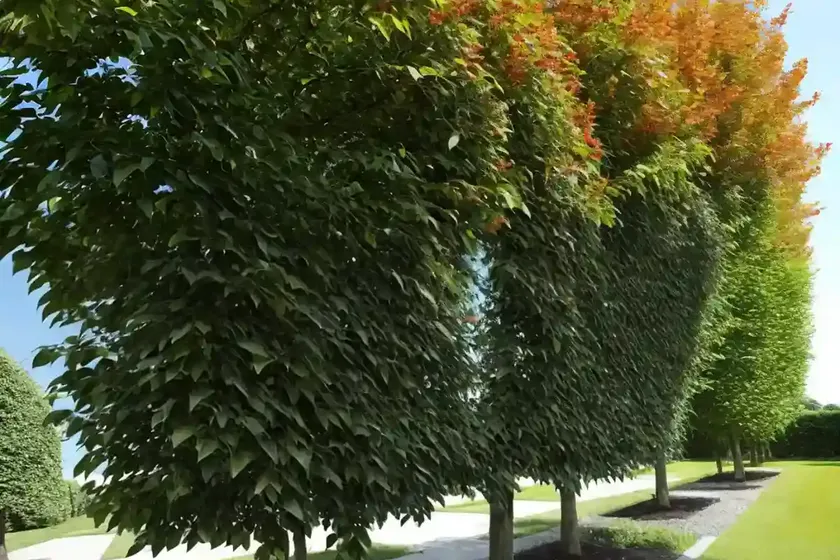
Plants play a crucial role in our ecosystem, providing us with oxygen, food, and numerous other resources. In addition to their ecological importance, plants also contribute to the beauty of our surroundings and have cultural significance. European linden (Tilia x europaea) is one such plant that holds both ecological and cultural importance. In this comprehensive guide, we will delve into the characteristics, cultivation, uses, and maintenance of European linden, providing valuable insights for plant enthusiasts and professionals alike.
Key Takeaways – European Linden (Tilia x europaea)
Before we dive into the specifics of European linden, let’s begin with some key takeaways about this remarkable plant:
- Scientific Name: Tilia x europaea
- Common Name: European Linden
- Family: Malvaceae
- Native Range: Europe
- Type: Deciduous tree
- Uses: Ornamental, medicinal, timber
- Features: Heart-shaped leaves, fragrant flowers, attractive bark
- Cultivation: Adaptable to various soil and light conditions
- Maintenance: Minimal pruning required, resistant to pests and diseases
Now that we have a brief overview, let’s delve into the various aspects of European linden, including its cultural importance, uses, and the essential factors for its successful cultivation.
Culture
European linden has been deeply ingrained in European culture for centuries. It holds symbolic significance in folklore, literature, and traditional medicine. The tree’s graceful appearance, fragrant blossoms, and soothing shade have captured the imagination of artists, poets, and gardeners throughout history. In various cultures, the linden tree is revered for its association with love, luck, and protection. The versatile uses of linden wood further add to its cultural significance, being utilized in the crafting of musical instruments, furniture, and carvings.
Uses
The uses of European linden are diverse and encompass several aspects:
Ornamental:
- European linden is widely planted as an ornamental tree in parks, gardens, and urban landscapes due to its appealing foliage and fragrant flowers.
- Its dense canopy provides excellent shade, making it a popular choice for avenues and recreational areas.
Medicinal:
- The flowers and leaves of linden have been used in traditional medicine for their calming and diaphoretic properties.
- Linden tea, brewed from dried flowers, is known for its soothing effects and is used to alleviate stress and promote relaxation.
Timber:
- The wood of the European linden is lightweight, yet strong and durable, making it suitable for crafting various wooden items, including carvings, beehives, and veneer.
Water
Watering Needs:
European linden exhibits moderate water needs, particularly during its early establishment phase. Adequate watering is essential during dry periods, especially for young trees.
Drainage:
Good drainage is crucial to prevent waterlogged conditions, which can lead to root rot and other detrimental effects on the tree’s health.
Irrigation:
Supplemental irrigation may be necessary during prolonged periods of drought, particularly in urban environments with limited access to groundwater.
Sunlight
Sun Requirements:
European linden thrives in full sun to partial shade, displaying optimal growth and flowering when exposed to ample sunlight.
Shading:
While tolerant of partial shade, the tree may exhibit reduced flowering and overall vigor in shaded conditions. Therefore, a location with good sunlight exposure is preferable for maximum ornamental value.
Fertilizer
Nutrient Needs:
European linden benefits from a balanced fertilizer application, particularly in nutrient-deficient soils. Nitrogen, phosphorus, and potassium are essential for promoting healthy growth and flowering.
Application Timing:
Fertilizer can be applied in early spring just before the onset of new growth. Slow-release formulations are favorable for sustained nutrient availability throughout the growing season.
Avoid Over-Fertilization:
Excessive fertilization may lead to imbalanced growth, increased susceptibility to pests, and environmental pollution. Therefore, it is crucial to adhere to recommended application rates.
Soil
Soil Type:
European linden displays adaptability to various soil types, including loamy, sandy, and clay soils. However, well-draining soils are ideal to prevent waterlogging and root suffocation.
pH Range:
A slightly acidic to neutral pH range of 6.0 to 7.5 is suitable for European linden. Soil pH outside this range may hinder nutrient uptake and overall tree health.
Soil Amendments:
In poorly-draining or nutrient-deficient soils, the addition of organic matter, such as compost, can improve soil structure and fertility, promoting favorable growing conditions for the tree.
Pruning
Pruning Objectives:
Pruning of European linden is primarily aimed at maintaining a balanced and structurally sound canopy, removing dead or damaged branches, and shaping the tree for aesthetic purposes.
Timing:
Pruning is best conducted during the dormant season in late winter to early spring before the onset of new growth. This timing minimizes stress on the tree and reduces the risk of sap bleeding from pruning wounds.
Techniques:
Pruning techniques include the removal of water sprouts, crossing branches, and thinning of overcrowded growth to enhance air circulation and light penetration within the canopy.
Propagation
European linden can be propagated through several methods, including:
- Seeds: Collect mature seeds in autumn and sow them in well-draining soil. Germination may take several months, and seedlings can be transplanted once they have developed several sets of true leaves.
- Cuttings: Semi-hardwood cuttings taken in mid to late summer can be rooted under mist or in a propagator to establish new linden trees.
Container Popularity
European linden is not commonly grown in containers due to its large size and vigorous growth habit. However, for urban landscaping and restricted spaces, dwarf cultivars or closely related species, such as Tilia cordata (littleleaf linden) are often preferred for container cultivation.
Container Common Diseases
While container-grown lindens are generally less susceptible to certain soil-borne diseases, they may still experience issues such as:
- Root Rot: Improper drainage or overwatering can contribute to root rot, causing wilting and decline in potted linden trees.
- Powdery Mildew: Humid and poorly-ventilated conditions can lead to powdery mildew infections on leaves and young shoots.
Disease Diagnosis
Diagnosing diseases in European linden involves careful observation of symptoms, such as leaf discoloration, wilting, or abnormal growth. Additionally, laboratory testing of affected plant tissues may be necessary to accurately identify the causal pathogens.
Common Pests
Aphids:
Aphids can infest linden trees, causing distorted growth and honeydew secretion. Natural predators and the application of horticultural oils can help manage aphid populations.
Japanese Beetles:
These voracious pests can defoliate linden trees if present in large numbers. Insecticidal sprays or traps can be employed to control Japanese beetle infestations.
Botanist’s Tips
Here are some tips from botanists and horticulturists for cultivating and caring for European linden:
- Mulching: Apply a layer of organic mulch around the base of the tree to conserve soil moisture, suppress weeds, and improve soil structure.
- Regular Inspections: Periodically inspect the tree for signs of pests, diseases, or nutrient deficiencies, addressing any issues promptly to maintain tree health.
- Pruning Best Practices: Follow proper pruning techniques, including making clean cuts and avoiding overzealous pruning, to promote the tree’s structural integrity.
Fun Facts
- In European folklore, the linden tree is associated with luck and protection, often considered a sacred tree with divine qualities.
- The fragrant flowers of European linden are sought after by beekeepers for their honey production, resulting in the prized linden honey known for its distinct flavor.
Links to External Resources
For further information on European linden and related topics, consider exploring the following resources:
- The European Linden – Royal Horticultural Society
- Medicinal Uses of Linden – Herbal Medicine
- Linden Tree Symbolism and Folklore – Folklore and Mythology
In conclusion, European linden (Tilia x europaea) stands as a captivating tree with rich cultural significance and valuable uses. Its adaptability, minimal maintenance needs, and ornamental appeal make it a desirable choice for various landscapes and gardens. By understanding the essential factors influencing its cultivation and care, enthusiasts and professionals can successfully incorporate European linden into their botanical endeavors, enriching their surroundings with this remarkable tree.
Remember to explore further resources for an enriched understanding of European linden and its diverse applications in horticulture, traditional medicine, and cultural traditions.


