Tilia Cordata (Littleleaf Linden)
Tilia cordata, commonly known as Littleleaf Linden, is a species of deciduous tree that belongs to the Tiliaceae family. This ornamental tree is native to.
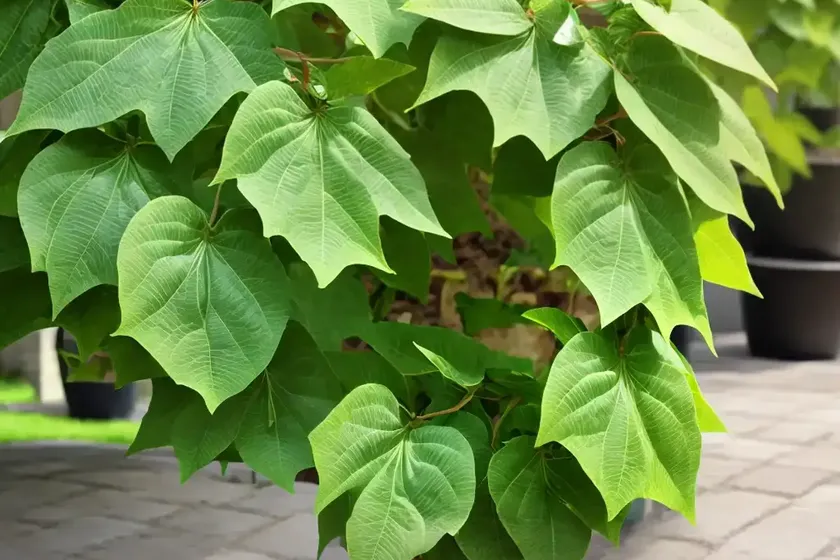
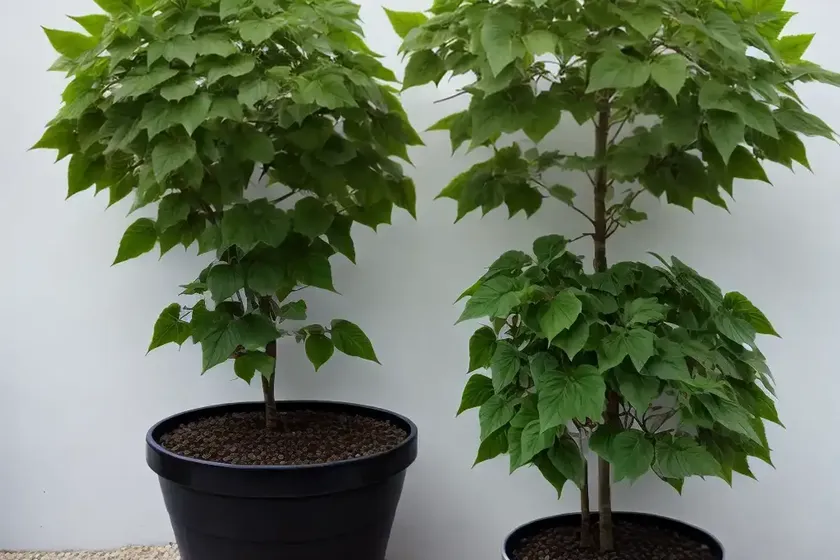

Tilia cordata, commonly known as Littleleaf Linden, is a species of deciduous tree that belongs to the Tiliaceae family. This ornamental tree is native to Europe and Western Asia and is widely appreciated for its aesthetic appeal and various practical uses. In this extensive guide, we will explore the characteristics, uses, cultivation requirements, and maintenance tips for Tilia cordata, offering invaluable insights for both enthusiasts and horticulture professionals.
What is Tilia cordata (Littleleaf Linden)?
Tilia cordata is an elegant, medium-sized tree with a symmetrical, pyramidal shape when young, which gradually develops a broad, rounded crown as it matures. Its heart-shaped leaves, fragrant flowers, and abundant nectar make it a favorite among gardeners and landscapers. The tree’s dense foliage and ability to thrive in urban settings further contribute to its popularity.
Key Takeaways – Tilia cordata (Littleleaf Linden)
Before we delve into the detailed aspects of Tilia cordata, let’s take a quick look at the key takeaways pertaining to this remarkable tree.
- Plant Name: Tilia cordata (Littleleaf Linden)
- Family: Tiliaceae
- Common Names: Littleleaf Linden, Littleleaf Lime, Small-leaved Linden
- Native Habitat: Europe, Western Asia
- Growth Habit: Deciduous tree, medium-sized, pyramidal when young, rounded with age
- Uses: Ornamental, timber, honey production
- Notable Features: Heart-shaped leaves, fragrant flowers, rounded crown
Now that we have an overview of the Littleleaf Linden, let’s delve into its cultivation, characteristics, and practical applications.
Cultivation of Tilia cordata (Littleleaf Linden)
Cultivating Tilia cordata requires a basic understanding of its environmental preferences and growth habits. By creating an ideal environment for the tree, it can thrive and showcase its full potential. Here are the key factors to consider when cultivating Tilia cordata:
Water
Tilia cordata trees prefer moist, well-drained soil, especially during the early stages of growth. However, they demonstrate impressive resilience to occasional drought once established. Adequate watering, particularly during dry spells, will promote healthy growth and the development of strong roots.
Sunlight
Littleleaf Linden thrives in full sun to partial shade. While it appreciates direct sunlight, it can also adapt to semi-shaded areas, making it versatile for a variety of landscaping scenarios.
Soil
The ideal soil for Tilia cordata is loamy and well-drained, with a slightly acidic to neutral pH. The tree can tolerate different soil types, including clay and sandy soils, as long as they offer good drainage.
Fertilizer
During the tree’s early years, a balanced fertilizer application in spring can support its growth. Once established, Tilia cordata typically does not require excessive fertilization, as it can extract sufficient nutrients from the soil.
Pruning
Regular pruning is essential to maintain the tree’s shape, remove dead or damaged branches, and promote air circulation within the canopy. Pruning is best carried out during the dormant season to minimize stress on the tree.
Propagation
Tilia cordata can be propagated from seeds or cuttings. However, propagation from seeds may result in some variability in the characteristics of the offspring. Cuttings, on the other hand, offer a more reliable means of propagating the desired traits.
Container Popularity
Due to its moderate size and adaptability, Tilia cordata is suitable for container cultivation, making it an attractive option for urban and small-space gardening.
Uses of Tilia cordata (Littleleaf Linden)
Tilia cordata is valued for its diverse uses, ranging from ornamental landscaping to practical applications. Understanding its versatile utility can inspire a wide range of horticultural and environmental initiatives. Let’s explore the various uses of Littleleaf Linden:
-
Ornamental Use: Littleleaf Linden is widely planted as an ornamental tree in parks, gardens, and along streets due to its attractive foliage and pleasing fragrance. It can serve as a focal point in landscaping designs and provide shade in urban settings.
-
Timber: The wood of Tilia cordata is lightweight, yet durable, making it suitable for crafting furniture, musical instruments, and various wooden objects. It is especially favored for carving due to its fine grain and ease of working.
-
Honey Production: The fragrant flowers of Littleleaf Linden yield abundant nectar, attracting bees and other pollinators. Beekeepers often place their hives near Tilia cordata trees to capitalize on the production of high-quality linden honey.
Common Diseases and Pests
Despite its overall resilience, Tilia cordata is susceptible to certain diseases and pests that can impact its health and aesthetic appeal. By remaining vigilant and implementing appropriate measures, these issues can be effectively managed. Let’s take a closer look at the common diseases and pests that may affect Littleleaf Linden:
Common Diseases
-
Anthracnose: This fungal disease can manifest as leaf spots, blotches, or dead areas on the foliage. Proper sanitation and fungicidal treatments can help control its spread.
-
Powdery Mildew: Characterized by a white, powdery coating on leaves, powdery mildew is a common issue for Tilia cordata. Adequate air circulation and fungicidal treatments can deter its development.
-
Leaf Spot: Various fungi can cause leaf spot diseases on Littleleaf Linden, resulting in discolored spots and potential defoliation. Maintaining good overall tree health and addressing any signs of infection promptly is key to managing leaf spot diseases.
Common Pests
-
Aphids: These small, sap-sucking insects can infest Tilia cordata and cause leaf distortion, honeydew secretion, and the development of sooty mold. Natural predators and insecticidal treatments can help keep aphid populations under control.
-
Lace Bugs: Lace bugs can feed on the undersides of the leaves, causing stippling and discoloration. Regular monitoring and the application of insecticidal soap or horticultural oil can mitigate lace bug infestations.
-
Japanese Beetles: The foliage of Tilia cordata is susceptible to damage by Japanese beetles, which feed on the leaves and flowers. Various control methods, such as traps and insecticides, can be employed to manage Japanese beetle populations.
Disease Diagnosis and Pest Management
When facing potential disease or pest issues with Tilia cordata, accurate diagnosis is crucial for implementing targeted solutions. Consulting with a qualified arborist or plant health specialist can provide valuable insights into effectively identifying and addressing specific concerns.
Botanist’s Tips: Tilia cordata Care and Maintenance
Seasoned botanists and horticulturists often possess valuable insights that can significantly enhance the care and maintenance of plants. When it comes to Tilia cordata, the following tips can help optimize its health and vigor:
-
Mulching: Applying a layer of organic mulch around the base of the tree helps conserve soil moisture, suppress weeds, and improve soil structure. Mulching also contributes to the gradual enrichment of the soil as the organic matter breaks down.
-
Watering Practices: While Tilia cordata is moderately drought-tolerant once established, it benefits from regular watering, particularly during periods of prolonged dryness. Deep watering, as opposed to frequent shallow irrigation, encourages the development of a robust root system.
-
Soil Health: Monitoring the soil for compaction and ensuring adequate aeration can benefit the overall health of Tilia cordata. Techniques such as aeration and soil amendment with organic matter can enhance soil structure and nutrient availability.
-
Integrated Pest Management: Employing a holistic approach that combines cultural, biological, and chemical control methods can help manage pests and diseases while minimizing environmental impact.
-
Pruning Best Practices: When pruning Tilia cordata, maintaining a balanced canopy structure and removing dead, diseased, or crossing branches contribute to the tree’s overall health and appearance.
Tilia cordata: Fun Facts
Learning interesting facts about Tilia cordata can foster a deeper appreciation for this remarkable tree. Let’s explore some intriguing tidbits and fun facts about Littleleaf Linden:
- The fragrant flowers of Tilia cordata are a favorite nectar source for honeybees, yielding a prized variety of linden honey renowned for its delicate flavor.
- The heart-shaped leaves of Littleleaf Linden contribute to its distinctive charm and visual appeal, especially during the spring and summer seasons.
- Tilia cordata has a rich cultural and historical significance, often symbolizing peace, protection, and longevity in various traditions and folklore.
Links to External Resources
For additional insights and detailed information on Tilia cordata, the following external resources can offer valuable perspectives for further exploration:
Conclusion
In conclusion, Tilia cordata (Littleleaf Linden) stands as a captivating and versatile tree that holds significant value in diverse horticultural, ecological, and cultural contexts. Its graceful appearance, practical uses, and resilience in various environments make it an appealing choice for both residential and urban landscapes. By understanding and appreciating the unique characteristics and requirements of Tilia cordata, individuals and communities can harness its potential to enhance the natural beauty and functional aspects of their surroundings.
Through a holistic approach that encompasses cultivation, maintenance, and conservation efforts, the legacy of Tilia cordata can endure for generations to come, enriching ecosystems, supporting biodiversity, and inspiring admiration for the wonders of the natural world.


