European Larch (Larix Decidua)
The European Larch, scientifically known as Larix decidua, is a deciduous coniferous tree native to the mountains of central Europe, particularly the Alps.
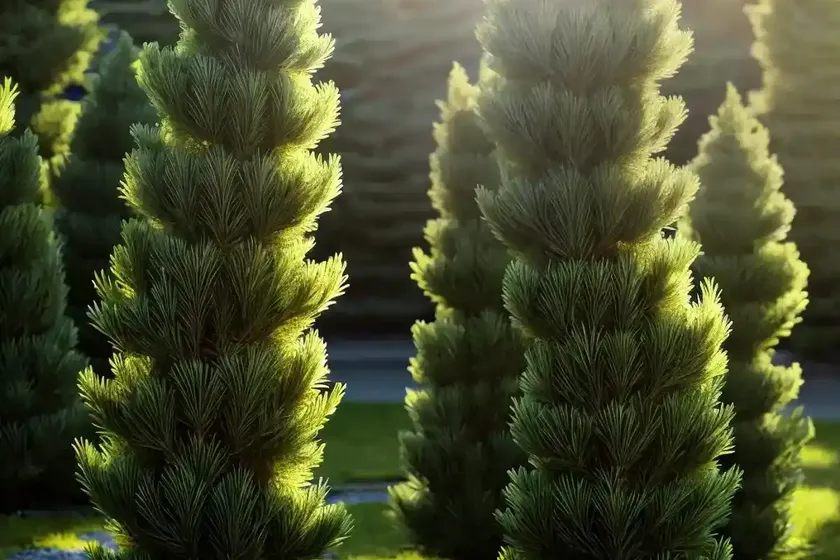
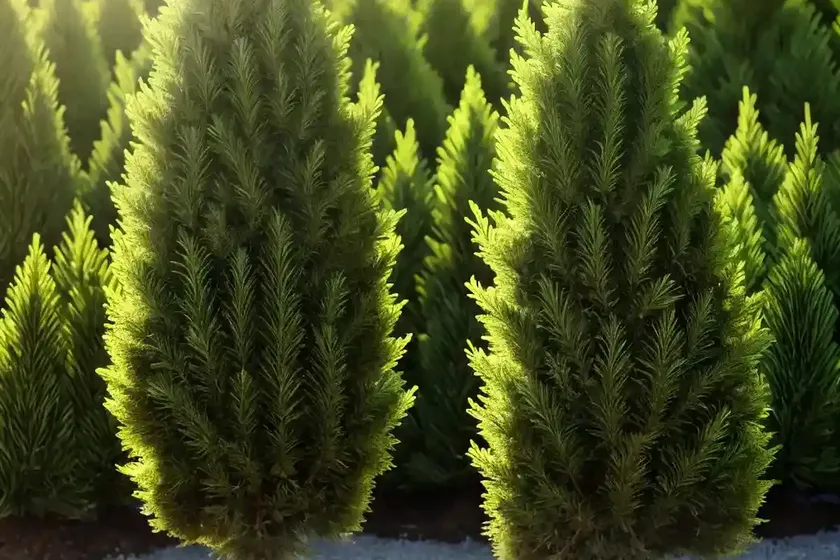
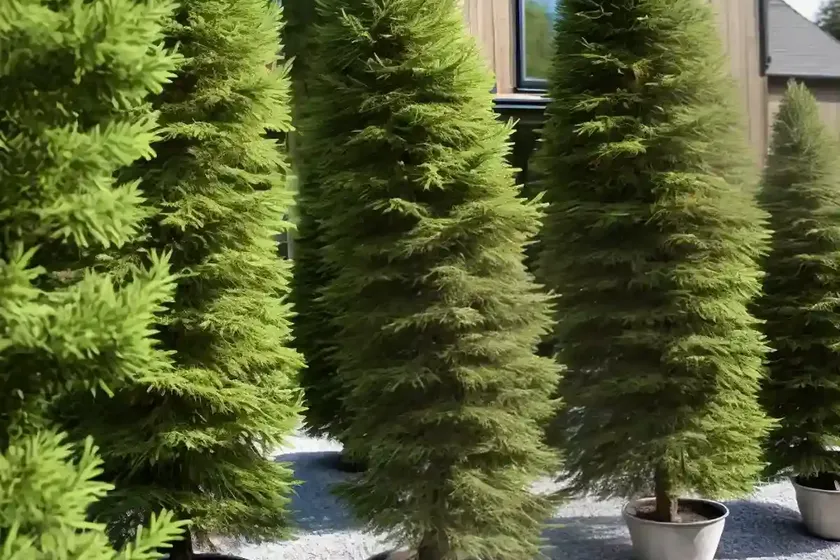
What is European Larch?
The European Larch, scientifically known as Larix decidua, is a deciduous coniferous tree native to the mountains of central Europe, particularly the Alps and the Carpathian Mountains. Belonging to the Pinaceae family, the European Larch is recognized for its vibrant autumn foliage and its valuable timber.
In this comprehensive guide, we will delve into the cultural and horticultural aspects of the European Larch. We will explore its uses, environmental requirements, propagation methods, and ways to care for this captivating tree.
Key Takeaways
European Larch (Larix Decidua)
Cultivation
- Water: Medium water needs
- Sunlight: Full sun to partial shade
- Soil: Well-drained, acidic soils
- Fertilizer: Balanced, slow-release fertilizer
- Pruning: Minimally required
- Propagation: Seeds
Uses
- Timber: Valuable construction material
- Landscaping: Ornamental tree with striking autumn colors
- Ecological: Biodiversity and ecosystem benefits
Common Diseases
- Needle Cast Disease
- Phomopsis Shoot Blight
- Root Rot
Common Pests
- Larch Casebearer Moth
- Aphids
- Adelgids
Fun Facts
- The European Larch is a rare deciduous conifer, shedding its needles in the autumn.
- Its wood is highly valued for building and construction due to its durability and natural resistance to decay.
Now, let’s dive deeper into the specifics of cultivating and caring for the European Larch.
Culture
Water
The European Larch has medium water needs and should be watered regularly, especially during the first few years of its establishment. Once established, it can tolerate brief periods of drought. However, prolonged drought can lead to stress and susceptibility to pests and diseases.
Sunlight
For optimal growth and development, the European Larch thrives in full sun to partial shade. When planted in areas with insufficient sunlight, it may exhibit sparse foliage and reduced vigor.
Fertilizer
To support healthy growth, it is recommended to apply a balanced, slow-release fertilizer in the early spring. This provides essential nutrients for the European Larch throughout the growing season.
Soil
The European Larch prefers well-drained, acidic soils. It is essential to avoid waterlogged or compacted soils, as they can lead to root rot and other detrimental conditions. Before planting, it is advisable to amend the soil with organic matter to improve its drainage and fertility.
Pruning
Pruning requirements for the European Larch are minimal, primarily focused on removing dead or diseased branches. This tree naturally forms a well-structured, pyramidal crown, requiring little intervention to maintain its shape.
Uses
Timber
One of the primary uses of the European Larch is its valuable timber. The wood is renowned for its strength, durability, and natural resistance to decay, making it an excellent choice for construction, particularly in outdoor applications such as posts, poles, and cladding.
Landscaping
With its striking autumn colors and graceful form, the European Larch holds significant value as an ornamental tree in landscaping. Its deciduous nature sets it apart from other conifers, adding diversity and visual interest to outdoor spaces.
Ecological
In its natural habitat, the European Larch plays a vital ecological role, supporting biodiversity and providing habitats for various wildlife species. Its needles, cones, and branches contribute to the nutrient cycles and ecological processes within forest ecosystems.
Propagation
Seed Propagation
Propagation of the European Larch can be achieved through seeds. The cones of the European Larch contain numerous small seeds that can be collected and sown in well-prepared seed beds. Stratification, a period of cold, moist conditions, is often required to break seed dormancy and promote germination.
Container Popularity
The European Larch is also well-suited for container cultivation, making it an attractive option for urban and small-space gardens. When grown in containers, it is essential to ensure adequate soil moisture and provide regular maintenance to support healthy growth.
Common Diseases
Disease Diagnosis
The European Larch is susceptible to various diseases, including needle cast disease, caused by fungal pathogens, and Phomopsis shoot blight. Proper diagnosis of diseases is essential for implementing targeted management strategies to mitigate their impact.
Common Pests
Larch Casebearer Moth
The larvae of the larch casebearer moth can cause defoliation of the European Larch, leading to reduced vigor and aesthetic appeal. Monitoring and early intervention are critical in managing this pest.
Aphids and Adelgids
Aphids and adelgids are common pests that can affect the European Larch, particularly by infesting new growth and causing distortions. Integrated pest management practices can help minimize their damage.
Botanist’s Tips
- Select planting sites with well-drained, acidic soils to provide an optimal growing environment for the European Larch.
- Monitor for signs of pests and diseases regularly to address any issues promptly and prevent their spread.
- When propagating from seeds, ensure proper stratification to break seed dormancy and promote successful germination.
Fun Facts
- The European Larch is one of the few deciduous conifers, shedding its needles in the autumn and creating a vibrant display of golden foliage.
- Its wood is highly prized for its strength and natural resistance to decay, making it an ideal choice for outdoor construction and landscaping applications.
As we’ve explored the cultural, horticultural, and ecological aspects of the European Larch, it is clear that this tree holds significant value both in natural ecosystems and human environments.
For further information and resources on the European Larch, as well as tips for cultivation and care, refer to the following external links:
By understanding its growth requirements, ecological importance, and potential uses, we can appreciate and utilize the European Larch in a diverse range of settings, from natural woodlands to urban landscapes.


