Mexican Lily (Hippeastrum Reginae)
In the world of horticulture, the Mexican Lily, scientifically known as Hippeastrum Reginae, holds a special place. Appreciated for its stunning flowers.
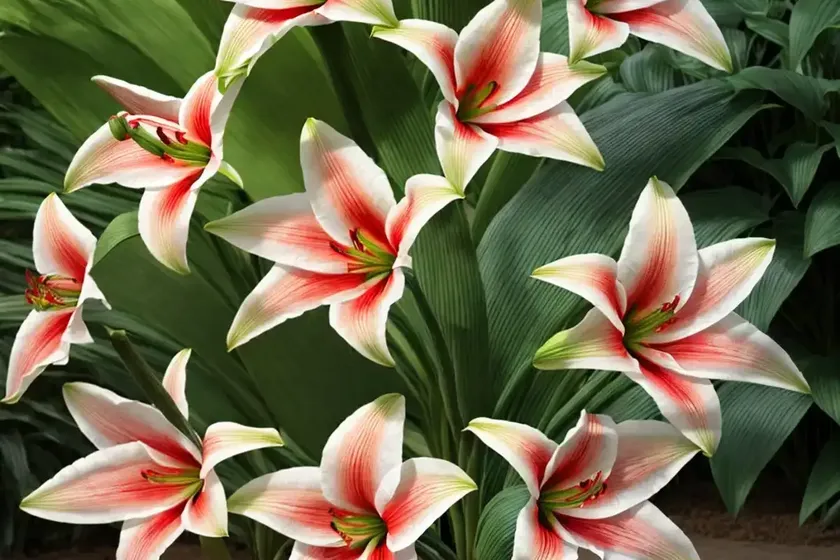
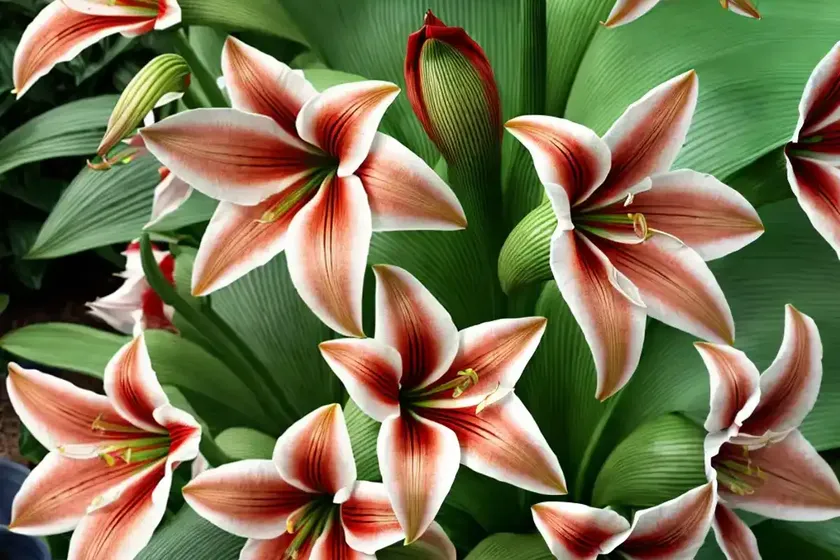
In the world of horticulture, the Mexican Lily, scientifically known as Hippeastrum Reginae, holds a special place. Appreciated for its stunning flowers and relatively easy care requirements, it has become a popular choice for both indoor and outdoor gardening enthusiasts. In this comprehensive guide, we will delve into the cultural aspects, uses, care tips, pruning techniques, propagation methods, common diseases, pests, and much more about the Mexican Lily.
What is Mexican Lily (Hippeastrum Reginae)?
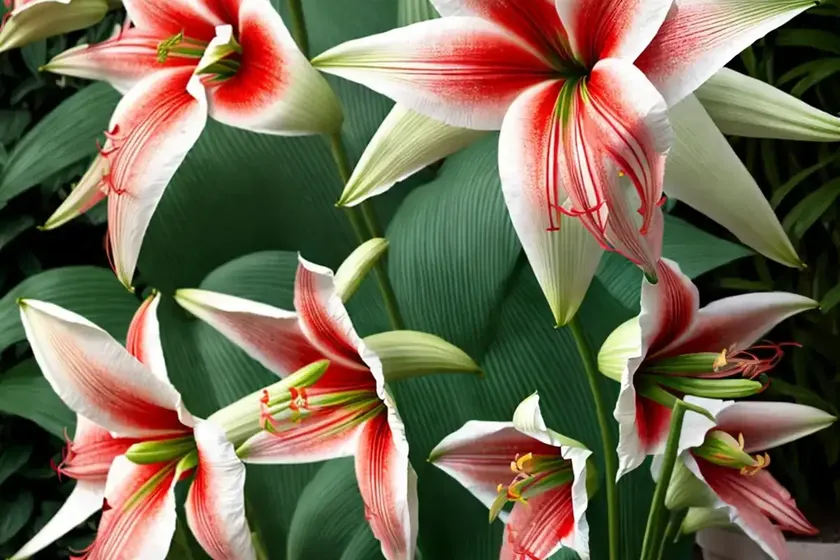
The Mexican Lily, or Hippeastrum Reginae, is a bulbous perennial plant native to tropical and subtropical regions of the Americas, primarily from Mexico to Argentina. It is a member of the Amaryllidaceae family and is related to the amaryllis plant. The plant is well-known for its large, showy flowers, which come in a variety of colors, including red, orange, pink, and white. The trumpet-shaped flowers are clustered in umbels and are often associated with the holiday season due to their blooming habits during the winter months in the Northern Hemisphere.
Botanical Description
The Hippeastrum Reginae plant typically consists of a thick, fleshy underground bulb and long, strap-shaped leaves that emerge directly from the bulb. The flower stalk can grow up to 20-24 inches in height, showcasing multiple large, trumpet-shaped flowers. The size of the flowers can vary depending on the variety, with some reaching up to 8 inches in diameter.
Key Takeaways – Mexican Lily (Hippeastrum Reginae)
Before delving into the specifics of Mexican Lily care, let’s highlight the key takeaways for this vibrant and elegant plant.
- Common Name: Mexican Lily, Hippeastrum Reginae
- Plant Type: Bulbous perennial
- Flower Colors: Red, orange, pink, white, and various combinations
- Sunlight: Bright, indirect light
- Watering: Moderate; allow the soil to dry out between waterings
- Soil: Well-draining, fertile soil
- Temperature: Thrives in temperatures between 65°F to 75°F (18°C to 24°C)
- Propagation: Offsets (bulblets) and seeds
- Maintenance: Minimal pruning and regular fertilization
- Uses: Indoor and outdoor decoration, gifting, and landscaping
- Poisonous to pets: Yes
Now, let’s explore each of these aspects in more detail.
Culture
Uses
The Mexican Lily, with its striking blooms, is often used for ornamental and decorative purposes. Its vibrant flowers make it a popular choice for indoor plant enthusiasts, as it can brighten up any room with its colorful display. The plant is also commonly used in outdoor landscaping, adding a touch of elegance to garden beds, borders, and containers. Moreover, due to its attractive flowers, the Mexican Lily is often used as a gifting plant, especially during the holiday season.
Water
Proper watering is essential for the healthy growth of Mexican Lilies. It’s important to maintain a balance, as overwatering can lead to bulb and root rot, while underwatering can cause stress and affect flowering. Here are some watering tips for Mexican Lilies:
- Water moderately, allowing the soil to dry out slightly between waterings.
- During the active growing season, typically spring and summer, water the plant more frequently.
- Reduce watering during the plant’s dormant period, usually in the fall and winter. During this time, allow the soil to dry out more between waterings.
- Ensure proper drainage to prevent waterlogged soil, which can lead to root rot.
Sunlight
Mexican Lilies thrive in bright, indirect light. When grown indoors, they should be placed near a sunny window where they can receive ample natural light. However, it’s essential to avoid direct sunlight, especially during the hottest parts of the day, as it can scorch the leaves and flowers. When grown outdoors, Mexican Lilies can be placed in partially shaded areas that receive filtered sunlight.
Fertilizer
Proper fertilization can enhance the growth and flowering of Mexican Lilies. Fertilize the plants regularly during the active growing season, using a balanced fertilizer formulated for flowering plants. It’s best to apply a diluted fertilizer solution every two to four weeks to provide the necessary nutrients for healthy growth and abundant blooms.
Soil
The Mexican Lily thrives in well-draining, fertile soil. A blend of potting mix and organic matter such as compost can provide the ideal growing medium for these plants. The soil should have good moisture retention properties while allowing excess water to drain freely. When grown in containers, a well-draining potting mix designed for flowering bulbs works well for Mexican Lilies.
Pruning
Pruning is a vital aspect of Mexican Lily care, helping to maintain the plant’s health and appearance. Here are some pruning techniques for Mexican Lilies:
- Deadheading: After the flowers have faded, remove the spent flower stalks by cutting them off at the base. This encourages the plant to focus its energy on bulb development rather than seed production.
- Leaf trimming: Remove any yellowing or withered leaves to maintain the plant’s aesthetic appeal. However, be careful not to remove too many leaves, as they play a crucial role in the plant’s energy production.
Propagation
Mexican Lilies can be propagated through offsets, commonly known as bulblets, and seeds.
Propagation from Offsets:
- Carefully remove the offsets that develop around the base of the parent bulb.
- Plant the offsets in a suitable potting mix, ensuring that they are covered with a thin layer of soil.
- Keep the soil lightly moist and provide bright, indirect light for the developing plants.
Propagation from Seeds:
- Collect the seeds from the faded flowers once they have matured and developed into seed pods.
- Sow the seeds in a well-draining potting mix at the appropriate depth.
- Ensure that the soil remains consistently moist during the germination process.
Container Popularity
Mexican Lilies are well-suited for container gardening, making them popular choices for indoor and patio plantings. Due to their compact size and stunning flowers, they can be easily grown in containers, allowing gardeners to enjoy their beauty up close. When grown in containers, they can be moved to different locations based on lighting and temperature requirements.
Common Diseases
While Mexican Lilies are relatively low-maintenance plants, they are susceptible to a few common diseases that can impact their health and appearance.
Disease Diagnosis:
- Root and Bulb Rot: Excessive moisture or poor drainage can lead to the development of root and bulb rot. Symptoms include foul-smelling, mushy bulbs or roots. To prevent this, ensure proper drainage and avoid overwatering.
- Fungal Leaf Diseases: Mexican Lilies can be affected by fungal leaf diseases, such as powdery mildew and leaf spot. These diseases manifest as powdery or spotted growth on the leaves. To prevent fungal diseases, ensure good air circulation around the plants and avoid overhead watering.
Common Pests
Mexican Lilies are relatively resistant to pests, but they can still be affected by a few common invaders. Vigilance and early intervention can help protect the plants from pest infestations.
- Aphids: These tiny, sap-sucking insects can cluster on the undersides of leaves and flower buds, causing damage to the plant. Insecticidal soap or neem oil can be used to control aphid populations.
- Spider Mites: These arachnids can inflict damage by feeding on the plant’s tissues, leading to webbing and stippling on the leaves. Regularly misting the plant and using insecticidal soap can help manage spider mite infestations.
Botanist’s Tips
To ensure the successful growth and blooming of Mexican Lilies, here are some valuable tips and best practices from botanists and experienced growers:
- Bulb Storage: When the plant goes dormant, store the bulbs in a cool, dry place until the next growing season. Proper storage ensures the health and vigor of the bulbs.
- Temperature Considerations: Mexican Lilies prefer a moderately warm environment and can be sensitive to extreme cold or heat. Protect them from frost and excessive heat to prevent stress and damage.
- Overwintering: During the winter months, reduce watering and allow the plant to enter a period of dormancy. This mimics the plant’s natural growth cycle and encourages blooming in the following season.
Fun Facts
Before we wrap up this comprehensive guide, here are some fascinating and lesser-known facts about Mexican Lilies:
- The name Hippeastrum comes from the Greek words “hippeus” (knight) and “astron” (star), referring to the star-like shape of the flowers.
- Mexican Lilies are not true lilies; they belong to the Amaryllidaceae family and are more closely related to onions and garlic than to lilies.
- In their natural habitat, Mexican Lilies can be found growing in a variety of ecosystems, from humid tropical forests to drier subtropical regions.
Links to External Resources
For further information and resources on Mexican Lily care, propagation, and maintenance, consider exploring the following links:
- Mexican Lily Care Guide – Royal Horticultural Society
- Hippeastrum Reginae: A Comprehensive Guide – The Spruce
- Mexican Lily: Beauty and Care Tips – Gardener’s Path
We hope this guide has provided valuable insights into the world of Mexican Lilies, from their cultural significance to their care and maintenance. Whether you are a seasoned plant enthusiast or a beginner gardener, the Mexican Lily, with its captivating blooms and relatively straightforward care requirements, is a delightful addition to any indoor or outdoor green space.
Happy gardening!
Research indicates that proper sunlight and watering are essential for the growth of Mexican Lilies. The natural habitat of Mexican Lilies includes tropical and subtropical regions in the Americas. The bulbs can be stored in a cool, dry place during the dormant period. Bulbs are often used for propagation, making it a reliable method. Overwatering can result in root and bulb rot, impacting the plant’s health. Additionally, Mexican Lilies can be affected by common pests such as aphids and spider mites. Proper care and maintenance can ensure the successful growth and blooming of these vibrant and elegant plants.