European Hornbeam (Carpinus Betulus)
European hornbeam (Carpinus betulus) is a stunning deciduous tree that is popularly utilized in landscapes and gardens for its ornamental features and.
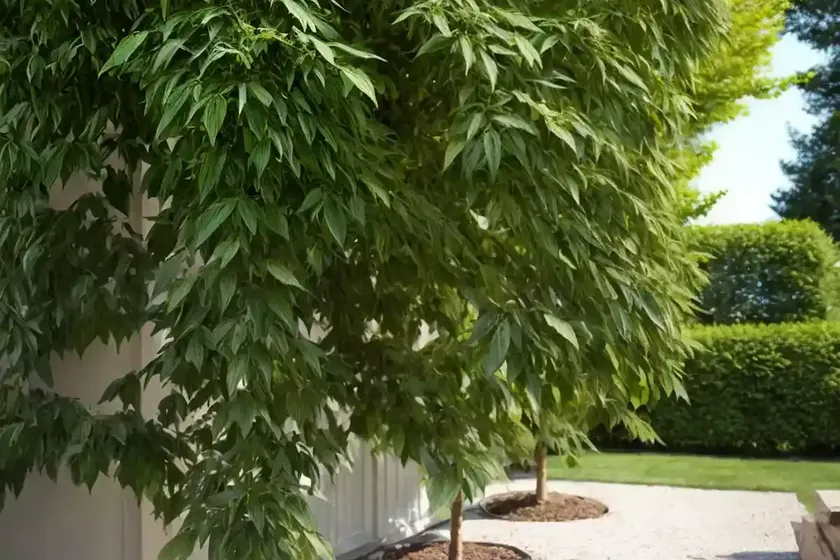
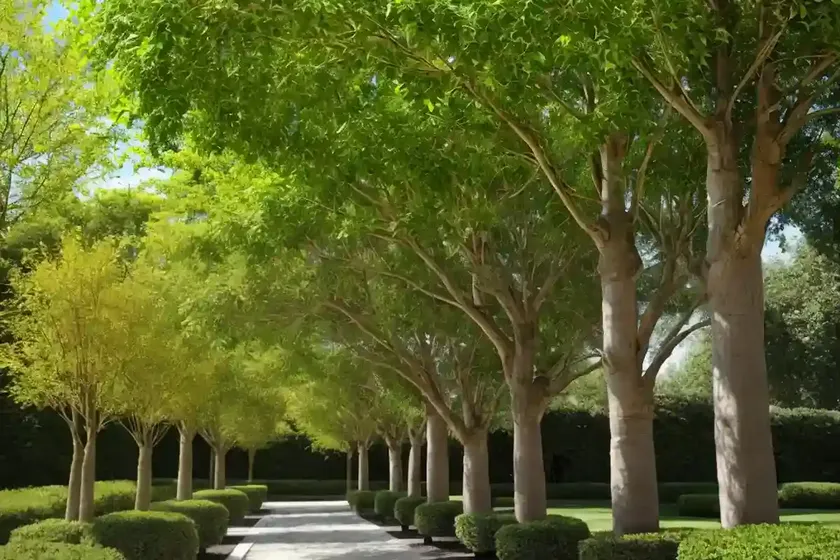
European hornbeam (Carpinus betulus) is a stunning deciduous tree that is popularly utilized in landscapes and gardens for its ornamental features and adaptability. This comprehensive guide will delve into the key characteristics, culture, uses, and maintenance of the European hornbeam, providing valuable insights for plant enthusiasts and horticulturists.
What is European Hornbeam (Carpinus betulus)?
Carpinus betulus, commonly known as European hornbeam, is a species of hornbeam native to large parts of Europe and is also found in parts of Asia. It belongs to the family Betulaceae and is known for its striking appearance, making it a favored choice for ornamental planting.
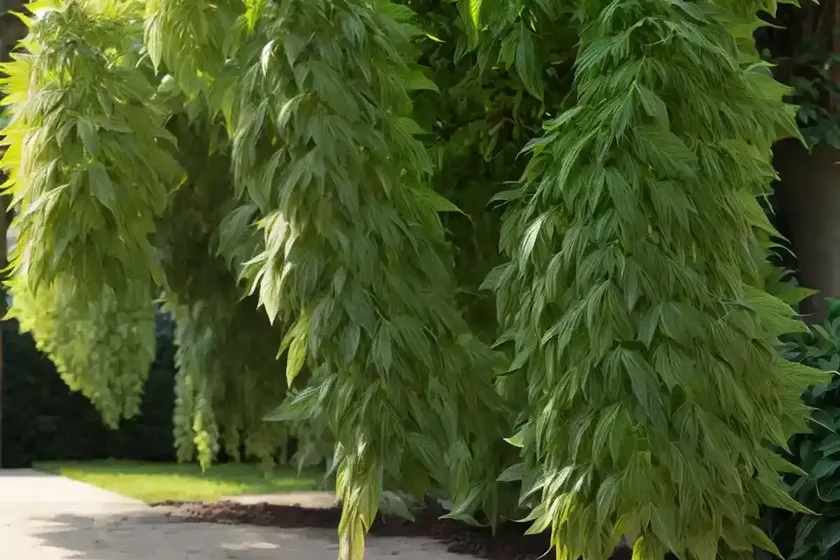
The European hornbeam is a deciduous tree that typically reaches a height of 15-25 meters (50-80 feet), with a dense, oval to rounded crown. It features deeply veined, dark green leaves in the summer and vibrant yellow and orange foliage in the fall. The tree’s bark is smooth and gray when young, developing fluted, muscled trunks with age, adding to its aesthetic appeal.
Key Takeaways – European Hornbeam (Carpinus betulus)
Characteristics
- Height: 15-25 meters (50-80 feet)
- Crown: Dense, oval to rounded
- Leaves: Dark green, deeply veined in summer; vibrant yellow and orange in fall
- Bark: Smooth and gray when young, developing fluted, muscled trunks with age
Culture
Uses
Water
Sunlight
Fertilizer
Soil
Pruning
Propagation
Container
Popularity
Common Diseases
Disease Diagnosis
Common Pests
Botanist’s Tips
Fun Facts
Links to External Resources
European Hornbeam Characteristics
European hornbeam (Carpinus betulus) exhibits several distinctive characteristics that make it a sought-after tree in landscaping and horticulture. Understanding its growth habits, foliage attributes, and cultural preferences is essential for successfully cultivating and maintaining this species.
Carpinus betulus Plant Features
The European hornbeam is renowned for its ornamental foliage and unique bark texture, adding visual interest to various landscapes and gardens. It boasts densely veined, dark green leaves during the growing season, transitioning to vibrant yellow and orange hues in the fall. The smooth, gray bark of younger trees evolves into muscular, fluted trunks as the tree matures, making it an appealing choice for both visual and textural contrast in outdoor settings.
European Hornbeam Tree Information
Understanding the growth habits and needs of the European hornbeam is crucial for effectively utilizing it in different settings. European hornbeam trees typically reach a mature height of 15-25 meters (50-80 feet), with a crown that is dense, oval to rounded in shape. This makes it suitable for providing shade, privacy screening, or ornamental focal points in the landscape.
Carpinus Betulus Gardening Tips
Proper care and maintenance are essential for the healthy growth and development of European hornbeam trees. Gardening tips for Carpinus betulus include ensuring adequate sunlight, water, and soil conditions, as well as periodic pruning to maintain its desired shape and structural integrity. Understanding its water needs, soil requirements, and sunlight preferences are vital for successful cultivation in garden and landscape settings.
European Hornbeam Care Instructions
Caring for European hornbeam involves providing optimal growing conditions that mimic its natural habitat, including well-drained soil, adequate sunlight, and regular watering. Additionally, periodic fertilization and pruning are crucial for ensuring the tree’s vigor, health, and ornamental appeal. Proper care instructions contribute to the longevity and visual impact of European hornbeam in outdoor spaces.
Carpinus Betulus Growth Habit
The growth habit of Carpinus betulus is characterized by a moderate to slow growth rate, making it a manageable choice for landscapes and gardens. Understanding its growth habit is essential for planning and designing outdoor spaces, as it determines the tree’s eventual size and shape when mature. Properly accounting for its growth habit facilitates its integration into various landscaping and gardening applications.
European Hornbeam Maintenance
Maintaining European hornbeam trees requires regular attention to various aspects, including pruning, disease prevention, pest control, and overall landscape integration. Implementing effective maintenance practices is essential for promoting the long-term health, vigor, and aesthetic appeal of this species in outdoor settings.
Carpinus Betulus Pruning Guidelines
Pruning guidelines for Carpinus betulus should focus on shaping the tree’s canopy, removing dead or damaged branches, and managing its density to enhance air circulation and light penetration. Proper pruning improves the tree’s overall structure and appearance, contributing to its visual appeal and health. Implementing the correct pruning techniques at the appropriate times of the year is crucial for the successful maintenance of European hornbeam trees.
European Hornbeam Landscape Uses
European hornbeam offers diverse landscape uses, such as shade trees, privacy screens, and ornamental focal points, making it a versatile option for various outdoor settings. Understanding the landscape uses of European hornbeam facilitates its integration into gardens, parks, and urban spaces, providing both aesthetic and functional benefits for the environment and its inhabitants.
Carpinus Betulus Soil Requirements
Optimal soil conditions play a significant role in the maintenance and health of European hornbeam trees. Well-drained, loamy soils with adequate organic matter content provide an ideal environment for the tree’s roots to thrive. Understanding its soil requirements is crucial for successful cultivation and maintenance in different soil types and gardening conditions.
European Hornbeam Disease Prevention
Preventing diseases in European hornbeam trees involves implementing cultural and horticultural practices that promote overall tree vigor and resilience. This includes adequate watering, proper fertilization, and pruning to maintain air circulation and reduce moisture-related issues. Disease prevention is crucial for minimizing the impact of common tree diseases and ensuring the long-term health of European hornbeam in landscape and garden settings.
Carpinus Betulus Pest Control
Effective pest control measures are essential for mitigating the impact of common pests that may affect European hornbeam trees. Monitoring for signs of pests, implementing integrated pest management strategies, and providing optimal growing conditions are crucial for minimizing pest infestations and maintaining tree health. Understanding the common pests and their control measures is vital for successful pest management in outdoor landscapes.
European Hornbeam Varieties
European hornbeam is available in various varieties, each offering unique features and ornamental characteristics for different landscape and gardening applications. Understanding the different varieties and their attributes is essential for selecting the most suitable options based on specific design and environmental requirements.
Carpinus Betulus Propagation Methods
Propagating European hornbeam involves utilizing effective techniques such as seed propagation, stem cuttings, or grafting to maintain the genetic characteristics and ornamental attributes of the parent tree. Understanding the propagation methods for Carpinus betulus is crucial for producing new plants with desired traits for landscaping and horticultural purposes.
European Hornbeam Water Needs
Meeting the water needs of European hornbeam trees is essential for their growth, establishment, and overall health. Proper irrigation practices, including deep watering and mulching, are crucial for ensuring adequate soil moisture and minimizing water-related stress in different environmental conditions. Understanding the water needs of European hornbeam is vital for successful cultivation and maintenance in gardens and landscapes.
Carpinus Betulus Sunlight Requirements
Proper sunlight exposure is crucial for the growth and development of European hornbeam trees. Providing adequate sunlight, either in full sun or partial shade, is essential for promoting healthy foliage, vibrant fall colors, and overall tree vigor. Understanding the sunlight requirements of Carpinus betulus is fundamental for selecting suitable planting locations and integrating it into diverse landscape designs.
European Hornbeam Root System
Understanding the root system of European hornbeam is vital for various landscaping and gardening applications, particularly in urban settings where space is limited. The tree’s deep, fibrous root system enables it to withstand adverse soil and environmental conditions, making it a resilient choice for diverse planting environments. Assessing its root system is essential for successful planting and long-term tree health in outdoor landscapes.
Conclusion
European hornbeam (Carpinus betulus) is a versatile and visually appealing tree that offers diverse ornamental, ecological, and practical benefits in various outdoor settings. Its distinctive foliage, unique bark texture, and adaptability make it a favored choice for landscaping, gardening, and urban greening initiatives. By understanding its cultural requirements, maintenance practices, and landscape uses, horticulturists and plant enthusiasts can effectively utilize and appreciate the aesthetic and functional contributions of European hornbeam in diverse environmental contexts.
References
- “Carpinus betulus – European Hornbeam.” Missouri Botanical Garden. Available: https://www.missouribotanicalgarden.org/PlantFinder/PlantFinderDetails.aspx?taxonid=272418&isprofile=1&basic=european%20hornbeam
- “Hornbeam – Carpinus betulus.” Royal Horticultural Society. Available: https://www.rhs.org.uk/Plants/10295/i-Carpinus-betulus-i/Details
- “Species Information – European Hornbeam.” Arbor Day Foundation. Available: https://www.arborday.org/trees/treeguide/TreeDetail.cfm?ItemID=853