European Blueberry (Vaccinium Myrtillus): A Comprehensive Guide
Introduction
If you are an avid gardener or simply interested in the world of plants, you might have come across the European blueberry, also known as Vaccinium Myrtillus. This beautiful and nutritious fruit-bearing plant has been a staple in many gardens and natural habitats for centuries. In this comprehensive guide, we will delve into the various aspects of the European blueberry, including its culture, uses, care tips, and much more. Whether you are considering growing European blueberries in your home garden or are simply intrigued by this fascinating plant, this guide has something for everyone.
What is European Blueberry (Vaccinium Myrtillus)?
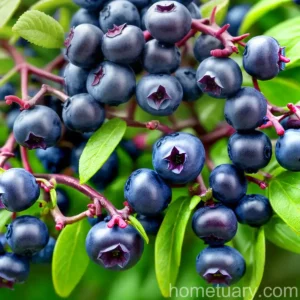
Before we delve into the details, let’s start with a brief overview of the European blueberry, scientifically known as Vaccinium Myrtillus. The European blueberry is a deciduous shrub that belongs to the Vaccinium genus within the Ericaceae family. These plants are native to Europe and can also be found in parts of Asia and North America.
The European blueberry is known for its delicious and nutritious fruit, which is commonly referred to as blueberries. These small, round berries are prized for their sweet and tangy flavor, and they are often used in a variety of culinary applications, including jams, pies, and smoothies. Moreover, European blueberries are also valued for their potential health benefits, as they are rich in antioxidants, vitamins, and fiber.
Key Takeaways
European Blueberry (Vaccinium Myrtillus)
Here are some key takeaways about the European blueberry, which we will explore in detail throughout this guide:
- Culture
- Growing European Blueberries
- Best Soil Conditions for Vaccinium Myrtillus
- Ideal Climate for Vaccinium Myrtillus Cultivation
- Uses
- Benefits of European Blueberries
- Nutritional Value of European Blueberries
- European Blueberry Recipes and Cooking Ideas
- Care
- Watering Requirements for Vaccinium Myrtillus
- Sunlight Needs for Blueberry Plants
- Fertilizing European Blueberry Plants
- Pruning Tips for European Blueberries
- Winter Care for Vaccinium Myrtillus
- Propagation
- Propagating Vaccinium Myrtillus
- Growing European Blueberries from Seeds
- Blueberry Plant Propagation Techniques
- Container Gardening
- European Blueberries in Containers
- Growing Vaccinium Myrtillus in Pots
Now, let’s delve into each of these aspects of the European blueberry in more detail.
Culture
Growing European Blueberries
One of the most rewarding experiences for gardeners is growing their own fruits and vegetables. European blueberries are no exception, and they can thrive in the right conditions. Here are some important factors to consider when cultivating European blueberries:
-
Hardy Blueberry Plant Species: European blueberries are hardy plants that can tolerate cold temperatures, making them suitable for cultivation in various regions. When selecting blueberry plant varieties, look for options that are well-suited to the climate in your area.
-
Best Soil Conditions for Vaccinium Myrtillus: European blueberries thrive in acidic, well-draining soil. It is important to test the pH of the soil and ensure that it falls within the ideal range for blueberry cultivation, typically between 4.5 and 5.5.
-
Ideal Climate for Vaccinium Myrtillus Cultivation: European blueberries prefer cooler climates and are well-suited to temperate regions. They require a certain number of chill hours during the winter to ensure proper fruit development.
Uses
Benefits of European Blueberries
Aside from the delight of cultivating your own fruit, European blueberries have a range of benefits to offer. Here are some of the key advantages of growing and consuming European blueberries:
-
Nutritional Value: European blueberries are rich in antioxidants, vitamins, and fiber, making them a valuable addition to a healthy diet. They are known for their potential health benefits, including supporting heart health and cognitive function.
-
European Blueberry Recipes and Cooking Ideas: Blueberries can be used in a variety of culinary applications. From classic blueberry pies to refreshing smoothies, there are countless ways to enjoy the delicious flavor of European blueberries.
Care
Watering Requirements for Vaccinium Myrtillus
Proper watering is crucial for the health and productivity of European blueberry plants. Consider the following tips when it comes to watering your blueberry plants:
-
Watering Frequency: European blueberries require consistent moisture, especially during the fruit development stage. However, it is essential to avoid waterlogged conditions, as this can lead to root rot.
-
Mulching: Applying a layer of mulch around the base of the blueberry plants can help to retain soil moisture and prevent weeds, ultimately contributing to the overall health of the plants.
Sunlight Needs for Blueberry Plants
Proper sunlight is essential for the growth and fruiting of European blueberry plants. Here are some key considerations regarding sunlight requirements for blueberry plants:
- Optimal Sunlight Exposure: European blueberries thrive in full sun to partial shade. When selecting a planting site, choose an area that receives adequate sunlight, especially in cooler climates.
Fertilizing European Blueberry Plants
To ensure the vigorous growth and productivity of European blueberry plants, it is important to provide them with suitable nutrients. Consider the following tips for fertilizing blueberry plants:
-
Acidic Fertilizer: European blueberries prefer acidic soil conditions, and it is important to use fertilizers specifically formulated for acid-loving plants.
-
Feeding Schedule: Fertilize European blueberry plants in early spring before new growth begins and again in late spring or early summer to support fruit development.
Pruning Tips for European Blueberries
Proper pruning is essential for maintaining the health and productivity of European blueberry plants. Here are some guidelines for pruning blueberry plants:
-
Removing Dead Wood: Regularly inspect European blueberry plants and prune out any dead or diseased wood to promote overall plant health.
-
Thinning Growth: Thinning excess growth and crossing branches can improve air circulation and sunlight penetration, ultimately contributing to better fruit production.
Winter Care for Vaccinium Myrtillus
Winter care is crucial for ensuring the longevity and productivity of European blueberry plants. Consider the following measures for winter care:
-
Mulching: Applying a layer of mulch around the base of the plants can help to protect the roots from frost and maintain consistent soil temperatures during the winter months.
-
Pruning: Consider conducting any necessary pruning during the dormant winter season to prepare the plants for the upcoming growing season.
Propagation
Propagating Vaccinium Myrtillus
In addition to purchasing established plants, you can also propagate European blueberries through various methods. Here are some propagation techniques for Vaccinium Myrtillus:
-
Growing European Blueberries from Seeds: While growing blueberries from seeds can take longer to yield fruit-bearing plants, it is a rewarding and cost-effective propagation method.
-
Blueberry Plant Propagation Techniques: Propagating European blueberries through methods such as hardwood cuttings or layering can offer an efficient way to expand your blueberry plant collection.
Container Gardening
European Blueberries in Containers
For those with limited outdoor space or less-than-ideal soil conditions, growing European blueberries in containers can be a great alternative. Here are some considerations for container gardening with European blueberries:
-
Container Selection: Choose large, sturdy containers with adequate drainage holes to accommodate the growth of European blueberry plants.
-
Soil Mix: Use a well-draining, acidic soil mix specifically formulated for acid-loving plants when planting European blueberries in containers.
Common Diseases and Pests
Disease Diagnosis
While European blueberries are relatively resilient, they can be susceptible to certain diseases. Here are some common diseases and their symptoms to watch out for:
-
Powdery Mildew: This fungal disease appears as a white, powdery coating on the leaves and can impede the growth and development of European blueberry plants.
-
Botrytis Blight: Also known as gray mold, this disease can lead to the development of grayish-brown mold on the fruit and foliage, ultimately causing decay.
Common Pests
European blueberries can also fall victim to various pests that can affect their growth and fruiting. Here are some common pests to be aware of:
-
Blueberry Maggots: The larvae of the blueberry maggot can infest the fruit, leading to damage and reduced yield.
-
Aphids: These small insects can feed on the sap of European blueberry plants, potentially causing damage and transmitting diseases.
Botanist’s Tips
Companion Planting with European Blueberries
Companion planting is a gardening technique that involves growing compatible plants in close proximity to one another. Here are some plants that can be beneficial companions for European blueberries:
-
Rhododendrons and Azaleas: These acid-loving ornamental plants can thrive alongside European blueberries in a garden setting.
-
Lingonberries: Similar to European blueberries, lingonberries are acid-loving plants that can complement the garden landscape and provide an additional harvest.
Fun Facts
- The vibrant and flavorful European blueberry has been a part of human diets for thousands of years.
- In some cultures, European blueberries have been used for medicinal purposes, owing to their potential health benefits.
- The pigments that give European blueberries their characteristic color also provide numerous health-promoting antioxidants.
Conclusion
European blueberries, scientifically known as Vaccinium Myrtillus, are fascinating plants with a rich history and a host of beneficial attributes. Whether you are considering cultivating European blueberries in your garden or exploring their health benefits and culinary potential, these versatile plants offer something for everyone. By understanding the cultural requirements, uses, care tips, propagation methods, and common issues associated with European blueberries, you can embark on a rewarding journey of cultivating and enjoying the fruits of these remarkable shrubs.
For further information and resources on European blueberries, explore the links to external resources below.
Links to External Resources
- RHS – Growing Blueberries
- University of Maine – Growing Blueberries in the Home Garden
- The Spruce – How to Grow Blueberries in Containers