Euphorbia Cyathophora: The Fascinating World of Fire on the Mountain
What is Plant: Euphorbia Cyathophora
Introduction to Euphorbia Cyathophora
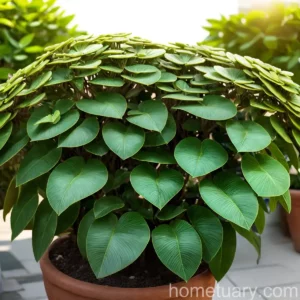
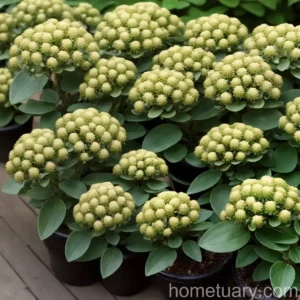
Euphorbia Cyathophora, commonly known as fire-on-the-mountain or paintedleaf, is a species of flowering plants in the spurge family, Euphorbiaceae. It is native to eastern North America, from Ontario to Central America. The plant is known for its vibrant and eye-catching bracts which can range in color from green to red, making it a popular choice for ornamental gardening. Euphorbia Cyathophora is also recognized for its unique appearance and adaptability, making it a great addition to various garden settings.

Plant Classification
- Kingdom: Plantae
- Clade: Tracheophytes
- Clade: Angiosperms
- Clade: Eudicots
- Clade: Rosids
- Order: Malpighiales
- Family: Euphorbiaceae
- Genus: Euphorbia
- Species: E. Cyathophora
Key Takeaways – Euphorbia Cyathophora
Euphorbia Cyathophora is a versatile and visually appealing plant that has a lot to offer to both amateur and experienced gardeners. Its vivid bracts and low maintenance requirements make it an excellent choice for adding color and interest to gardens, landscapes, and even indoor spaces. This blog post will delve into the cultivation, care, and uses of Euphorbia Cyathophora to provide an in-depth understanding of this remarkable plant.
Culture
Uses
Euphorbia Cyathophora is primarily grown for ornamental purposes due to its attractive bracts and ease of cultivation. It is commonly used in:
- Gardens: The plant’s striking appearance makes it a popular choice for garden borders, mixed plantings, and container gardens.
- Landscaping: Its low maintenance nature and tolerance to various conditions make it suitable for landscaping in both residential and commercial settings.
- Cut Flower Arrangements: The colorful bracts of Euphorbia Cyathophora are used in floral arrangements to add a unique touch to bouquets and centerpieces.
Water
Watering Needs
Euphorbia Cyathophora has moderate water needs and should be watered consistently to keep the soil lightly moist. However, it is important to avoid overwatering as it can lead to root rot and other issues. Here are some watering guidelines for Euphorbia Cyathophora:
- Outdoor Plants: Water outdoor plants deeply once a week, ensuring that the soil is evenly moist but not waterlogged.
- Indoor Plants: For indoor plants, water when the top inch of the soil feels dry to the touch. Ensure proper drainage to prevent waterlogging.
Sunlight
Sun Requirements
Euphorbia Cyathophora thrives in full sun to partial shade, making it adaptable to various light conditions. However, to ensure optimal growth and vibrant bract coloration, it is recommended to provide the plant with the following sunlight conditions:
- Full Sun: Euphorbia Cyathophora will display the most vivid bract colors in full sun. It should receive at least 6-8 hours of direct sunlight daily.
- Partial Shade: While the plant can tolerate partial shade, prolonged low light conditions may result in reduced bract vibrancy and overall growth.
Fertilizer
Feeding the Plant
Euphorbia Cyathophora responds well to balanced, all-purpose fertilizers that provide essential nutrients for healthy growth and prolific flowering. Here’s how you can effectively fertilize Euphorbia Cyathophora:
- Spring Feeding: In early spring, apply a slow-release, balanced fertilizer with equal NPK ratios (such as 10-10-10) to provide a nutrient boost for the growing season.
- Additional Feeding: During the growing period, supplement the plant with a liquid fertilizer every 4-6 weeks to support continuous growth and bract development.
Soil
Soil Requirements
Euphorbia Cyathophora thrives in well-draining, nutrient-rich soil that is slightly acidic to neutral. The ideal soil conditions for Euphorbia Cyathophora include:
- Well-Draining Soil: Ensure that the soil has good drainage to prevent waterlogging, which can lead to root rot and other moisture-related issues.
- Nutrient-Rich Medium: Amend the soil with organic matter such as compost or well-rotted manure to provide essential nutrients and improve soil structure.
Pruning
Pruning Guidelines
Euphorbia Cyathophora generally requires minimal pruning, but occasional maintenance can help promote a tidy appearance and enhance overall plant health. Here are some key pruning considerations for Euphorbia Cyathophora:
- Deadheading: Remove spent flowers and bracts to encourage continuous flowering and prevent self-seeding.
- Shape Control: Prune back any leggy or overgrown growth to maintain a compact and bushy habit.
- Caution: When pruning Euphorbia Cyathophora, wear gloves to avoid contact with the plant’s milky sap, which can be irritating to the skin and eyes.
Propagation
Propagation Methods
Euphorbia Cyathophora can be propagated through several methods, including seeds, stem cuttings, and division. Each propagation technique offers unique advantages and can be employed based on the specific needs and preferences of the gardener. Below are the main propagation methods for Euphorbia Cyathophora:
1. Seeds
- Collect ripe seeds from the plant and sow them indoors in early spring or directly outdoors after the last frost.
- Maintain consistent moisture and warmth to facilitate germination.
- Transplant seedlings once they have developed several sets of true leaves.
2. Stem Cuttings
- Take 4-6 inch stem cuttings from healthy, mature plants during the growing season.
- Remove the lower leaves and dip the cut ends in a rooting hormone to encourage root development.
- Plant the cuttings in a well-draining rooting medium and provide gentle bottom heat to expedite root formation.
3. Division
- Divide mature Euphorbia Cyathophora plants in early spring or fall by carefully separating the root ball into smaller sections.
- Replant the divided sections in individual containers or directly in the garden, ensuring adequate moisture and care during the establishment phase.
Container Popularity
Growing Euphorbia Cyathophora in Containers
Euphorbia Cyathophora is well-suited for container gardening, offering versatility and visual appeal in compact outdoor and indoor spaces. When growing Euphorbia Cyathophora in containers, consider the following tips:
- Container Selection: Choose a well-draining container with adequate drainage holes to prevent water accumulation.
- Potting Mix: Use a light, well-aerated potting mix tailored for flowering plants to ensure proper root oxygenation and moisture retention.
- Placement: Position the container in a location that receives ample sunlight, such as a south-facing patio or balcony.
Common Diseases
Disease Diagnosis
While Euphorbia Cyathophora is relatively resistant to diseases, it may occasionally encounter fungal issues, particularly in humid or poorly ventilated environments. Common diseases that may affect Euphorbia Cyathophora include:
- Powdery Mildew: Characterized by a powdery white coating on leaves and bracts, powdery mildew can be addressed through proper air circulation and fungicidal treatments.
- Root Rot: Excessive moisture and poor drainage can lead to root rot, causing wilting and decay. Adjust watering practices and improve soil drainage to prevent this issue.
Common Pests
Pest Management
Euphorbia Cyathophora is relatively resilient against pest infestations, but occasional pest issues may arise. Some common pests that may affect Euphorbia Cyathophora include:
- Aphids: These small, sap-sucking insects can cluster on tender new growth, causing distortion and stunted development. Control aphids using insecticidal soap or horticultural oils.
- Whiteflies: Whiteflies can be a nuisance, particularly in greenhouse or indoor settings. Utilize natural predators or insecticidal treatments to manage whitefly populations.
Botanist’s Tips
Expert Advice for Growing Euphorbia Cyathophora
To ensure the successful cultivation and care of Euphorbia Cyathophora, consider the following expert tips from seasoned botanists and horticulturists:
- Moderate Moisture: Maintain consistent but moderate moisture for Euphorbia Cyathophora, avoiding excessive dryness or waterlogging.
- Protective Gear: When handling Euphorbia Cyathophora, wear gloves to minimize contact with the plant’s milky sap and protect skin and eyes.
- Balanced Feed: Provide a balanced fertilizer to support healthy growth and vibrant bract coloration throughout the growing season.
Fun Facts
Fascinating Tidbits about Euphorbia Cyathophora
- Euphorbia Cyathophora is often referred to as “fire-on-the-mountain” due to the resemblance of its colorful bracts to a fiery display on the plant.
- The plant’s unique appearance and adaptability have made it a popular choice for xeriscaping and low-maintenance landscaping projects in arid regions.
Links to External Resources
For additional information on Euphorbia Cyathophora and related topics, refer to the following external resources:
- The Spruce – Euphorbia Cyathophora: How to Grow Paintedleaf Plants
- Missouri Botanical Garden – Euphorbia Cyathophora
In conclusion, Euphorbia Cyathophora, with its vibrant bracts and adaptable nature, adds a captivating touch to gardens, landscapes, and container settings. By adhering to proper care guidelines and understanding its unique characteristics, gardeners can enjoy the visual splendor and low-maintenance appeal of this remarkable plant. Whether used as a focal point or integrated into mixed plantings, Euphorbia Cyathophora stands out as a versatile and visually stunning addition to horticultural endeavors.
For more insights on Euphorbia Cyathophora and a deeper understanding of its cultivation, don’t hesitate to explore the provided external resources and delve into the fascinating world of “fire-on-the-mountain.”