Prostrate Sandmat (Euphorbia Prostrata): A Comprehensive Guide
What is Plant: Prostrate Sandmat (Euphorbia Prostrata)
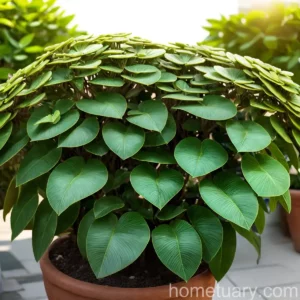
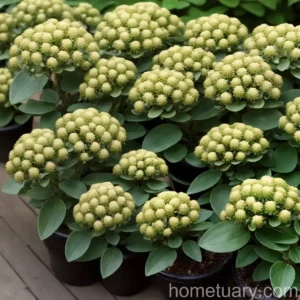
Prostrate Sandmat, scientifically known as Euphorbia Prostrata, is a fascinating perennial herb that belongs to the family Euphorbiaceae. This plant is native to tropical and subtropical regions and is renowned for its low-growing, mat-forming growth habit and vibrant foliage. It is often utilized as ground cover due to its ability to spread and create a lush carpet of greenery. The plant is characterized by its succulent stems, which are ornately patterned with attractive foliage and intriguing inflorescences. Prostrate Sandmat serves not only as an ornamental addition to landscapes but also possesses certain cultural, medicinal, and ecological significance.
In this comprehensive guide, we will explore the various facets of Prostrate Sandmat, including its characteristics, cultivation, uses, maintenance, and much more. Whether you are a gardening enthusiast, a landscape designer, or a plant biologist, this guide will provide you with valuable insights into the world of Euphorbia Prostrata and its diverse attributes.
Key Takeaways – Prostrate Sandmat (Euphorbia Prostrata)
Before we delve into the specifics of Prostrate Sandmat, it is essential to grasp the key takeaways associated with this plant. Here’s a concise summary of the crucial information about Euphorbia Prostrata:
- Euphorbia Prostrata is a low-growing perennial herb with mat-forming growth habit.
- Its vibrant foliage and succulent stems make it an attractive ground cover option in landscapes.
- The plant has various cultural, medicinal, and ecological uses.
- Prostrate Sandmat is known for its drought tolerance and ability to thrive in diverse environmental conditions.
- Maintenance and care of Euphorbia Prostrata are relatively manageable, making it an appealing choice for home gardeners and landscape designers.
Now that we have established the fundamental aspects of Prostrate Sandmat, let’s explore each element in greater detail to gain a comprehensive understanding of this intriguing plant.
Culture
The cultural requirements of Prostrate Sandmat play a pivotal role in determining its growth, development, and overall health. Understanding the optimal cultural conditions for Euphorbia Prostrata is essential for successfully cultivating and maintaining this plant. Key aspects of its culture include:
Water
Prostrate Sandmat exhibits moderate water needs and is well-suited to well-draining soil. It is important to ensure that the soil is not waterlogged, as excessive moisture can lead to root rot. During the establishment phase, regular watering is recommended to facilitate root development. Once established, the plant demonstrates good drought tolerance, thereby requiring minimal irrigation. It is essential to strike a balance and avoid both overwatering and underwatering to promote the health and vigor of the plant.
Sunlight
Euphorbia Prostrata thrives in full to partial sunlight. It is essential to provide adequate sunlight exposure to promote robust growth and vibrant foliage development. Insufficient sunlight can result in leggy growth and diminished foliage coloration. When cultivating Prostrate Sandmat, selecting a site with appropriate sunlight exposure is crucial for ensuring its overall well-being and visual appeal.
Fertilizer
Prostrate Sandmat generally maintains good growth without the need for excessive fertilization. In nutrient-rich soils, the plant may not require additional fertilization. However, applying a balanced fertilizer during the growing season can support healthy growth and enhance the plant’s appearance. It is advisable to avoid over-fertilization, as this can lead to excessive vegetative growth at the expense of the plant’s natural form and stature.
Soil
Well-draining, sandy loam soil is ideal for cultivating Prostrate Sandmat. The plant thrives in soil with good permeability and moisture retention capacity. The pH level of the soil should be slightly acidic to neutral. While the plant is adaptable to various soil types, ensuring proper drainage is crucial for preventing potential issues related to waterlogging.
Prostrate Sandmat’s cultural preferences form the foundation for its successful cultivation and establishment. By providing the appropriate cultural conditions, gardeners and landscape designers can foster the optimal growth and development of Euphorbia Prostrata, thereby enhancing its visual impact and functional benefits within the landscape.
Pruning
Pruning is an essential aspect of maintaining the health, aesthetics, and functionality of Prostrate Sandmat. Proper pruning techniques can help control the plant’s growth, remove dead or damaged foliage, and promote a tidy and well-manicured appearance. When pruning Prostrate Sandmat, consider the following guidelines:
- Regularly remove any dead, diseased, or damaged foliage to prevent the spread of potential diseases and to maintain the plant’s visual appeal.
- Manage the growth of Prostrate Sandmat by trimming back any excessive or leggy stems to encourage a compact and dense growth habit.
- Use sterilized pruning tools to prevent the spread of diseases and pathogens. Clean and sharpened tools facilitate clean cuts and reduce the risk of injury to the plant.
By adhering to the best practices for pruning Prostrate Sandmat, gardeners can effectively manage its growth, maintain its visual appeal, and promote overall plant health. Whether used as a ground cover or in a container, the proper pruning of Euphorbia Prostrata is essential to unleash its full potential within the landscape.
Propagation
The propagation of Prostrate Sandmat is a valuable technique for multiplying and establishing new plants. By understanding the various propagation methods for Euphorbia Prostrata, gardeners can expand their plant collection and introduce this captivating species into diverse landscapes. Common methods of propagating Prostrate Sandmat include:
- Division: Dividing mature plants is a straightforward method of propagation for Prostrate Sandmat. It involves separating the plant into individual sections, each containing roots and stems, and replanting them to establish new plants.
- Cuttings: Propagating Prostrate Sandmat from stem cuttings is an effective method for generating new plants. Select healthy stems, remove them from the parent plant, and root them in a suitable growing medium to create independent plants.
Understanding the preferred propagation methods for Prostrate Sandmat empowers gardeners to propagate this species successfully, ultimately enhancing its presence and utility in various landscape settings.
Container Popularity
Prostrate Sandmat’s ability to thrive in containers makes it a popular choice for container gardening. The plant’s low-growing, spreading nature and attractive foliage make it well-suited for container cultivation, whether as a standalone feature or as part of a mixed planting arrangement. Advantages of cultivating Prostrate Sandmat in containers include:
- Versatility: Prostrate Sandmat is versatile and can be cultivated in containers of various sizes, shapes, and materials, allowing for creative and diverse design possibilities.
- Space Optimization: Container cultivation of Prostrate Sandmat is beneficial for optimizing space in small gardens, patios, or urban settings, where ground space may be limited.
- Portability: Containers allow for the easy movement of Prostrate Sandmat, enabling gardeners to experiment with different placement options and design arrangements throughout the landscape.
The popularity of cultivating Prostrate Sandmat in containers underscores its adaptability and aesthetic appeal, making it a valuable addition to container gardens and urban landscapes.
Common Diseases
Despite its resilience, Prostrate Sandmat is susceptible to certain diseases that can impact its health and appearance. Understanding common diseases affecting Euphorbia Prostrata and their potential management strategies is crucial for maintaining the plant’s vitality. Some common diseases to watch out for include:
- Powdery Mildew: This fungal disease manifests as a powdery white coating on the foliage, typically in humid conditions with poor air circulation. Maintaining proper air circulation and applying fungicidal treatments can help control powdery mildew.
- Root Rot: Excessive moisture or poor drainage can lead to root rot in Prostrate Sandmat. To prevent this disease, ensure well-draining soil and avoid overwatering the plant.
Vigilant monitoring and prompt intervention are essential for managing and mitigating the impact of common diseases on Prostrate Sandmat, thereby safeguarding its overall well-being and visual appeal.
Disease Diagnosis
Diagnosing diseases affecting Prostrate Sandmat is a crucial aspect of maintaining the plant’s health and addressing potential issues in a timely manner. When assessing the health of Euphorbia Prostrata, consider the following indicators and symptoms that may signal the presence of diseases:
- Foliage Changes: Monitor changes in foliage color, texture, and structure, as diseases often manifest as discoloration, wilting, or abnormal growth patterns.
- Texture and Appearance: Inspect the overall texture and appearance of the plant, looking for abnormalities such as powdery coatings, lesions, or unusual growths.
- Vitality and Growth: An overall decline in the plant’s vitality, including reduced growth rate, diminished foliage density, and wilting, can indicate underlying health issues.
By closely observing the plant and recognizing potential disease symptoms, gardeners and plant enthusiasts can proactively address diseases affecting Prostrate Sandmat, thereby safeguarding its long-term health and performance within the landscape.
Common Pests
Prostrate Sandmat, like many plant species, is susceptible to certain pests that can compromise its health and vitality. Recognizing common pests that affect Euphorbia Prostrata and employing effective pest management strategies are essential for protecting the plant from potential damage. Some notable pests to watch out for include:
- Aphids: These small, sap-sucking insects can infest the foliage of Prostrate Sandmat, causing distortions and yellowing of leaves. Regular monitoring and the application of insecticidal soaps can help manage aphid populations.
- Spider Mites: These tiny arachnids can cause stippling and discoloration on the leaves of Prostrate Sandmat. Implementing measures to enhance humidity and employing predatory mites can aid in controlling spider mite infestations.
Monitoring the presence of common pests and implementing targeted pest management strategies are crucial for preserving the health and aesthetics of Prostrate Sandmat within the landscape.
Botanist’s Tips
As a plant scientist, I have observed and studied Prostrate Sandmat in various botanical settings, unraveling its intriguing characteristics and unique attributes. Through my experiences, I have gathered valuable insights and tips for cultivating and appreciating Euphorbia Prostrata. Here are some essential botanist’s tips for Prostrate Sandmat:
- Establishing Well-Draining Soil: Ensure the cultivation site provides well-draining soil to prevent waterlogging and promote the overall health of Prostrate Sandmat.
- Optimal Sun Exposure: Select a location that offers the appropriate sunlight exposure for Prostrate Sandmat to thrive and exhibit vibrant foliage coloration.
- Balanced Watering: Strike a balance in watering Prostrate Sandmat, providing adequate moisture during establishment and practicing restraint once the plant is mature and established.
- Vigilant Monitoring: Regularly monitor Prostrate Sandmat for signs of diseases, pests, or environmental stress, enabling timely intervention and maintenance.
By applying these botanist’s tips, gardeners and plant enthusiasts can create an optimal environment for Prostrate Sandmat, fostering its growth and maximizing its aesthetic and functional contributions within diverse landscapes.
Fun Facts
Prostrate Sandmat, with its captivating qualities and noteworthy attributes, presents several fascinating and little-known facts that add to its allure and appeal. As we celebrate the distinctive traits of Euphorbia Prostrata, let’s explore some fun facts about this intriguing plant:
- Medicinal and cultural significance: Prostrate Sandmat has been utilized in traditional medicine for treating various ailments, underscoring its historical and cultural importance.
- Versatile ground cover: The low-growing, spreading nature of Prostrate Sandmat makes it a sought-after ground cover option, contributing to landscape design and erosion control.
- Drought tolerance: Euphorbia Prostrata exhibits remarkable drought tolerance, making it an ideal choice for landscapes with minimal irrigation capabilities.
- Eco-friendly attributes: Prostrate Sandmat serves as a valuable habitat and food source for various wildlife species, promoting biodiversity and ecological balance.
- Global presence: Euphorbia Prostrata is distributed across various regions worldwide, reflecting its adaptability and resilience in diverse climatic conditions.
By discovering these captivating fun facts, plant enthusiasts and nature lovers can develop a deeper appreciation for Prostrate Sandmat and its multifaceted significance within the botanical realm.
Links to External Resources
For further exploration of Prostrate Sandmat and its diverse attributes, the following external resources provide valuable insights, information, and resources:
- Gardening Know How – Prostrate Sandmat Care
- The Spruce – Growing Prostrate Sandmat
- North Carolina State University – Euphorbia Prostrata Characteristics
- University of Florida IFAS Extension – Prostrate Sandmat Propagation
- Missouri Botanical Garden – Euphorbia Prostrata Species Profile
These external resources offer a wealth of knowledge and expertise on Prostrate Sandmat, encompassing its care, cultivation, species characteristics, and propagation techniques. By leveraging these resources, plant enthusiasts can deepen their understanding of Euphorbia Prostrata and broaden their horticultural insights.
In conclusion, Prostrate Sandmat (Euphorbia Prostrata) stands as a captivating and versatile plant species with an array of cultural, ecological, and aesthetic attributes. From its low-growing, mat-forming growth habit to its vibrant foliage and drought tolerance, Prostrate Sandmat embodies resilience, adaptability, and visual appeal. As a plant scientist, I invite you to embrace the multifaceted charm of Euphorbia Prostrata and explore the diverse opportunities for its cultivation, utilization, and appreciation within the botanical realm.
By leveraging the insights and recommendations presented in this comprehensive guide, you can embark on an enriching journey of discovering and celebrating the remarkable qualities of Prostrate Sandmat, ultimately enhancing your botanical knowledge and honing your gardening skills.
Remember to share your own experiences, observations, and discoveries related to Prostrate Sandmat, as the world of horticulture thrives on the exchange of knowledge and passion for plants. Let’s celebrate the enchanting allure of Euphorbia Prostrata and cultivate a deeper connection with this captivating botanical wonder.
Happy gardening and exploration!