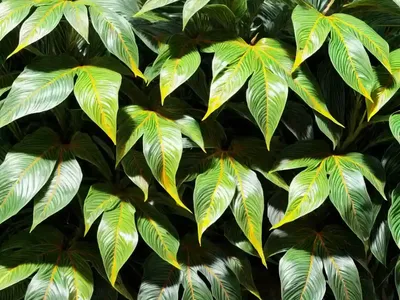
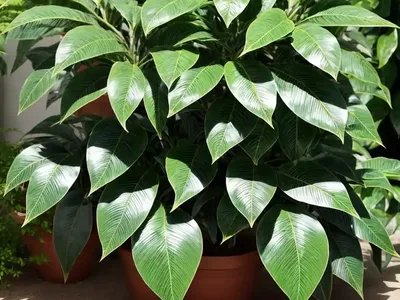
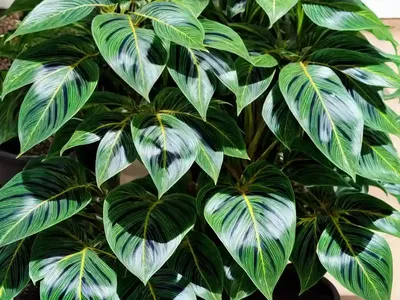
Luna Croton (Codiaeum Variegatum ‘luna’)
Plants have an immense ability to bring life and color to any environment, and the Luna Croton (Codiaeum Variegatum ‘luna’) is no exception. With its.
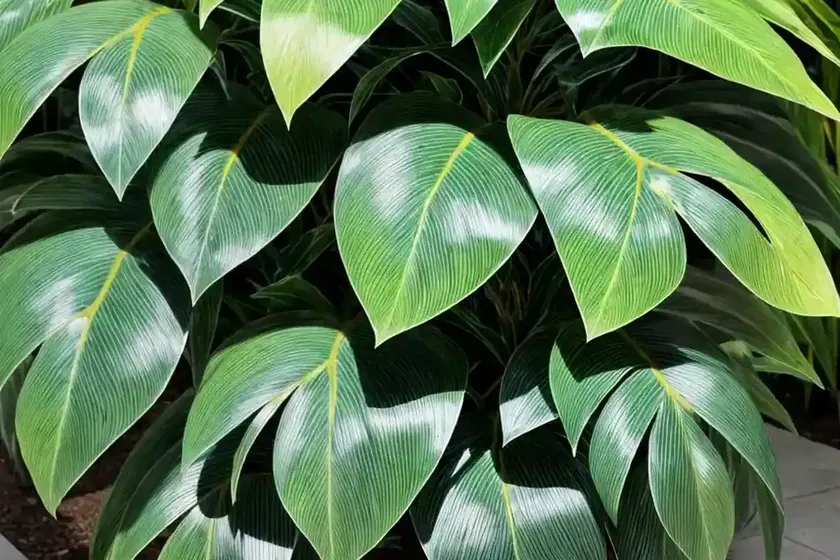
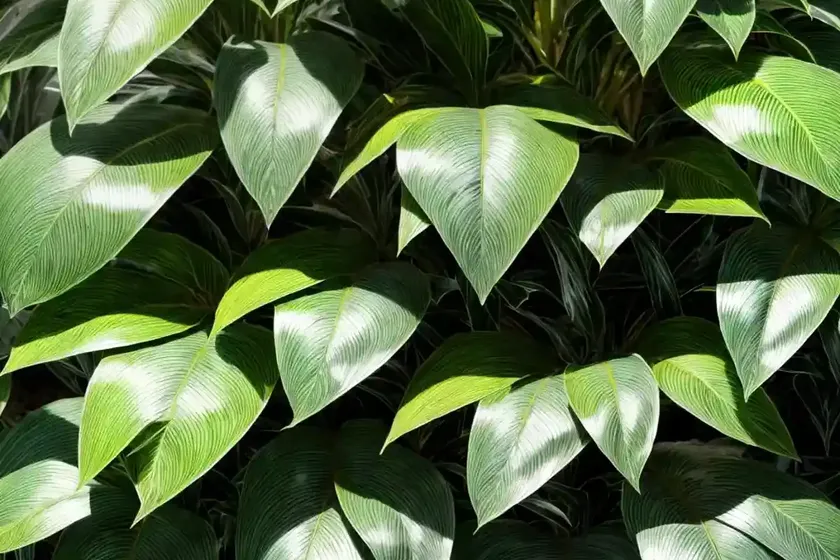
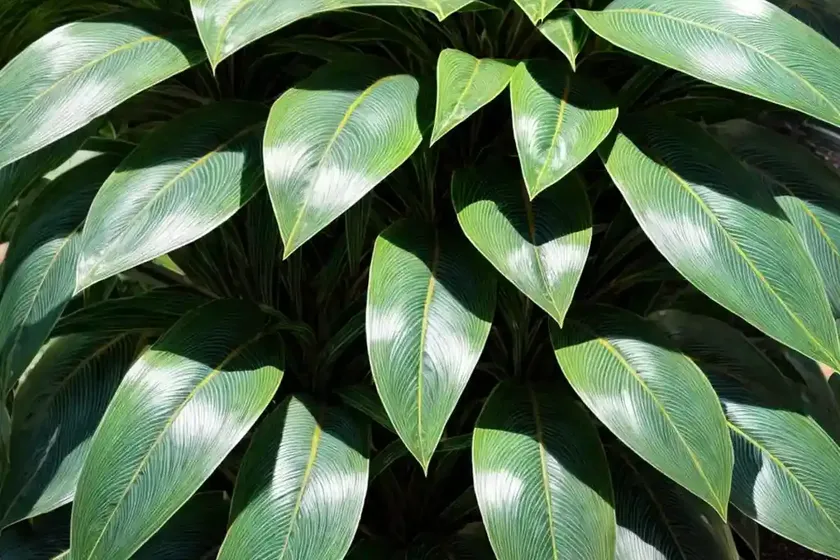
Plants have an immense ability to bring life and color to any environment, and the Luna Croton (Codiaeum Variegatum ‘luna’) is no exception. With its vibrant leaves and relatively low maintenance requirements, this plant has become a popular choice for both beginner and experienced plant enthusiasts.
In this comprehensive care guide, we will delve into the various aspects of caring for the Luna Croton, from its cultural needs to common diseases and pests. By the end of this article, you will have a thorough understanding of how to ensure the health and vitality of your Luna Croton.
What is Luna Croton (Codiaeum Variegatum ‘luna’)?
The Luna Croton, scientifically known as Codiaeum Variegatum ‘luna’, is a stunning tropical plant characterized by its colorful, glossy leaves. This cultivar is part of the Euphorbiaceae family and is native to Indonesia, Malaysia, and the western Pacific Ocean islands, where it thrives in warm and humid conditions.
The Luna Croton is prized for its foliage, which features a mix of green, yellow, orange, and even red hues. The vibrant variegation of its leaves makes it a popular choice for indoor and outdoor ornamental plantings.
Key Takeaways – Luna Croton (Codiaeum Variegatum ‘luna’)
Before delving into the specific care requirements of the Luna Croton, let’s overview some key takeaways about this unique plant.
- Scientific Name: Codiaeum Variegatum ‘luna’
- Common Name: Luna Croton
- Family: Euphorbiaceae
- Native Habitat: Indonesia, Malaysia, western Pacific Ocean islands
- Foliage: Colorful, glossy leaves with variegation
- Uses: Ornamental houseplant, landscaping, indoor and outdoor decorative purposes
Now that we have a basic understanding of what the Luna Croton is, let’s explore its cultural needs and care requirements in detail.
Culture
Understanding the cultural needs of the Luna Croton is essential for providing it with the optimal conditions for growth and development. From watering to sunlight exposure, each aspect plays a crucial role in ensuring the plant’s health and vibrancy.
Uses
The Luna Croton is primarily used as an ornamental plant, both indoors and outdoors. Its vibrant foliage and relatively low maintenance make it a popular choice for adding color and visual interest to various settings. Whether used as a standalone potted plant, part of a mixed container garden, or incorporated into landscaping, the Luna Croton’s foliage can brighten up any space.
Water
Proper watering is essential for the health of the Luna Croton. While this plant thrives in humid conditions, it’s important to maintain a balanced approach to watering to prevent waterlogging or drought stress.
-
Watering Needs: The Luna Croton prefers consistently moist, but not waterlogged, soil. When watering, ensure that the soil is evenly moist, but not saturated. Allow the top inch of the soil to dry out before watering again.
-
Watering Frequency: During the active growing season (spring and summer), water the Luna Croton when the top inch of the soil feels dry to the touch. In the dormant season (fall and winter), reduce watering frequency, allowing the soil to dry out slightly between waterings.
-
Watering Technique: Water the plant at the base, avoiding wetting the foliage to minimize the risk of fungal diseases.
Sunlight
Proper sunlight exposure is crucial for the Luna Croton to maintain its vibrant leaf colors and overall health. Understanding its light requirements is essential for providing the ideal growing conditions.
-
Light Requirements: The Luna Croton thrives in bright, indirect light. It should be placed near a window where it can receive ample natural light without being exposed to direct, harsh sunlight.
-
Avoid Drafts: While providing adequate light, it’s important to avoid placing the plant in drafty locations, as this can lead to leaf damage or stress.
-
Low-Light Tolerance: Although the Luna Croton prefers bright light, it can tolerate moderate low-light conditions. However, prolonged low-light exposure may result in reduced vibrancy of its foliage.
Fertilizer
Proper nutrition is essential for the Luna Croton to support its growth and vibrant foliage. Fertilizing the plant at the right time and with the appropriate nutrients can significantly impact its overall health.
-
Fertilizer Type: Use a balanced, water-soluble fertilizer formulated for foliage plants. Look for a fertilizer with a balanced N-P-K ratio, as well as essential micronutrients.
-
Frequency: During the active growing season (spring and summer), fertilize the Luna Croton every 4-6 weeks. Reduce or suspend fertilization in the dormant season to align with the plant’s lower nutrient requirements.
-
Application Method: Dilute the fertilizer to half the recommended strength and apply it to the moist soil, ensuring even distribution. Avoid direct contact between the fertilizer and the plant’s foliage to prevent potential damage.
Soil
The soil composition and quality directly impact the Luna Croton’s health and growth. Understanding the ideal soil conditions for this plant is crucial for providing it with a suitable growing medium.
-
Soil Type: Use a well-draining, peat-based potting mix with added perlite or coarse sand to ensure proper aeration and drainage. Avoid heavy or compacted soils, as these can lead to waterlogging and root rot.
-
Acidity: The Luna Croton thrives in slightly acidic to neutral soil with a pH range of 6.0-6.5. Test the soil periodically to monitor its pH and adjust it if necessary using pH-adjusting amendments.
-
Container Drainage: When growing the Luna Croton in containers, ensure that the pots have drainage holes to allow excess water to escape, preventing water accumulation at the bottom of the container.
Pruning
Pruning is an essential aspect of Luna Croton care, as it helps maintain the plant’s shape, size, and overall appearance. Additionally, regular pruning can promote bushier growth and remove any damaged or diseased foliage.
-
Pruning Technique: Use clean, sharp pruning shears to trim the Luna Croton’s stems and foliage. Prune back leggy growth, remove dead or yellowing leaves, and shape the plant as desired.
-
Timing: Prune the Luna Croton in the spring or early summer when it’s actively growing. Avoid extensive pruning during the dormant season, as the plant’s growth rate is reduced.
-
Pruning Caution: Wear gloves when pruning the Luna Croton, as its sap can be a skin irritant. Additionally, avoid getting the sap in your eyes or mouth and wash your hands thoroughly after pruning.
Propagation
Propagating the Luna Croton allows you to expand your plant collection or share its beauty with others. Understanding the propagation methods and techniques is essential for successfully propagating new Luna Croton plants.
-
Propagation Methods: The Luna Croton can be propagated through stem cuttings or air layering. Stem cuttings are the most common and straightforward method for home gardeners.
-
Stem Cutting Propagation:
- Select a healthy stem tip with several leaves.
- Cut the stem just below a leaf node using sterile pruning shears.
- Remove the lower leaves to expose the nodes.
- Dip the cut end in rooting hormone (optional) and plant it in a small pot filled with a well-draining rooting medium.
-
Keep the cutting in a warm, humid environment and water it lightly. Rooting should occur within a few weeks.
-
Air Layering: This method involves inducing roots to form on a stem while it is still attached to the parent plant. It’s a more advanced propagation technique that requires careful monitoring and patience.
Container Popularity
The Luna Croton is highly popular as a container plant, both indoors and on patios, decks, or balconies. Its vibrant foliage and relatively manageable size make it an attractive option for adding color and visual interest to various container gardens and indoor spaces. When grown in containers, the Luna Croton’s size can be controlled through pruning, making it adaptable to different settings.
Container Common Diseases
While growing in containers offers many benefits, it also comes with the risk of certain common diseases that can affect the Luna Croton. It’s important to be aware of these potential issues and take preventive measures to maintain the plant’s health.
-
Root Rot: Overwatering or poorly draining soil can lead to root rot, a common issue in container-grown plants. Ensure proper drainage and avoid waterlogging to prevent this fungal disease.
-
Leaf Spot: Fungal leaf spot diseases can occur in humid or excessively moist conditions. Providing good air circulation and avoiding overhead watering can help prevent leaf spot issues.
-
Pests: In addition to diseases, container-grown Luna Crotons are susceptible to pest infestations, including mealybugs, scale insects, and spider mites. Regular monitoring and proper care can help prevent these pest-related problems.
Disease Diagnosis
Diagnosing diseases in Luna Crotons can be challenging, as symptoms may vary depending on the specific issue. However, being attentive to changes in the plant’s foliage, overall appearance, and growth pattern can help identify potential disease issues.
-
Visual Symptoms: Look for signs of leaf discoloration, wilting, yellowing, spotting, or unusual growth patterns. These can be indicators of potential disease problems.
-
Soil and Root Examination: Check the soil moisture and drainage, as well as the condition of the plant’s roots. Mushy, discolored roots can indicate root rot, while dry, brittle roots may suggest drought stress or soil-related issues.
-
Professional Consultation: If you suspect a disease but are unsure of the cause or treatment, consider consulting with a plant health professional or local garden center for diagnosis and guidance.
Common Pests
In addition to diseases, Luna Crotons can be vulnerable to pest infestations, which can negatively impact their growth and overall health. Understanding the common pests and their control measures is crucial for preventing infestations.
-
Mealybugs: These small, white, cottony insects can infest the foliage and stems of Luna Crotons, sucking sap from the plant and causing damage. Control mealybug infestations with insecticidal soap or horticultural oil.
-
Scale Insects: Scale insects can appear as small, waxy bumps on the plant’s stems and leaves. They feed on the plant’s sap, leading to weakened growth and potential dieback. Use horticultural oil or insecticidal soap to control scale infestations.
-
Spider Mites: These tiny arachnids can cause stippling and webbing on the Luna Croton’s foliage, leading to leaf damage and reduced plant vigor. Rinse the plant with water or use insecticidal soap to control spider mite infestations.
Now that we have covered the cultural needs, common diseases, and pest issues of the Luna Croton, let’s explore additional aspects of its care and maintenance.
Botanist’s Tips
As a plant scientist, I have observed and studied the Luna Croton extensively, and I have gathered some valuable tips that can enhance your experience in growing and caring for this unique plant species.
-
Humidity Control: The Luna Croton appreciates high humidity levels, especially in drier indoor environments. Consider using a humidifier or placing a humidity tray filled with water and pebbles near the plant to increase the ambient moisture levels.
-
Temperature Considerations: While the Luna Croton thrives in warm and humid conditions, it’s important to avoid exposing it to sudden temperature fluctuations or cold drafts. Aim to maintain a consistent temperature range to support the plant’s well-being.
-
Regular Inspection: Periodically inspect your Luna Croton for signs of pests, diseases, or nutrient deficiencies. Catching issues early can help prevent their escalation and preserve the plant’s overall health.
-
Grooming and Cleaning: Keep the Luna Croton’s leaves clean by gently wiping them with a damp cloth or spraying them with water. Dust and debris can accumulate on the foliage, hindering its ability to photosynthesize effectively.
-
Stable Environment: Minimize disturbances and environmental stressors for your Luna Croton. While it can tolerate some variation in conditions, providing a stable and consistent environment will promote its optimal growth and leaf coloration.
Fun Facts
To further appreciate the uniqueness of the Luna Croton, here are some intriguing fun facts about this captivating plant:
- The word “Codiaeum” in its scientific name is derived from the Greek words “koios” meaning “hollow” and “haima” meaning “blood,” likely referring to the plant’s red sap.
- Luna Crotons are sometimes called “Joseph’s Coat” due to the vibrant variegation in their foliage, resembling the coat of many colors from the biblical story of Joseph.
- In their natural habitats, Luna Crotons can reach heights of up to 10 feet, forming large, colorful shrubs or small trees.
Now that we have covered the essentials of caring for the Luna Croton (Codiaeum Variegatum ‘luna’), it’s time to explore external resources for further information and guidance on its cultivation and maintenance.
Links to External Resources
For additional insights, tips, and expert guidance on the care and cultivation of Luna Crotons, consider exploring the following external resources:
- Luna Croton Care Guide from The Spruce
- Indoor Plant Care for Codiaeum Variegatum ‘luna’ from The Old Farmer’s Almanac
- Caring for Codiaeum Variegatum (Croton) from University of Florida IFAS Extension
- Guide to Indoor Plants: How to Care for a Codiaeum Variegatum ‘luna’ from Houseplants 101
- The Complete Codiaeum Variegatum ‘luna’ Care Guide from Gardening Know How
By exploring these external resources, you can gain further insights, practical tips, and industry best practices for cultivating and maintaining healthy Luna Croton plants.
In conclusion, the Luna Croton (Codiaeum Variegatum ‘luna’) is a remarkable plant species that offers an array of colors, patterns, and ornamental value to indoor and outdoor spaces. By understanding its cultural needs, addressing common care considerations, and remaining attentive to its growth and development, you can create an optimal environment for the Luna Croton to thrive. Whether you’re a seasoned plant enthusiast or a beginner gardener, the Luna Croton’s beauty and relatively manageable care requirements make it a delightful addition to any plant collection.
As you embark on your journey of Luna Croton care, keep in mind the intriguing botanical traits, the plant’s unique cultural needs, and the available external resources to support your endeavors. By celebrating the diverse foliage of the Luna Croton and embracing its tropical allure, you can enhance the vibrancy and visual appeal of your indoor and outdoor spaces through this exceptional ornamental plant.
Remember to nurture, observe, and appreciate the beauty of the Luna Croton, and it will undoubtedly reward you with its captivating presence and ever-changing display of colorful leaves.
Happy gardening!
- “Codiaeum variegatum ‘Luna’ – Luna Croton” The Spruce [https://www.thespruce.com/codiaeum-variegatum-croton-luna-1902877]
- “Indoor Plant Care for Codiaeum Variegatum ‘luna’ ” The Old Farmer’s Almanac [https://www.almanac.com/plant/croton]
- “Caring for Codiaeum Variegatum (Croton)” University of Florida IFAS Extension [https://hort.ifas.ufl.edu/database/documents/pdf/shrub_fact_sheets/codvarb.pdf]
- “Guide to Indoor Plants: How to Care for a Codiaeum Variegatum ‘luna’ ” Houseplants 101 [https://www.houseplants101.com/luna-croton]
- “The Complete Codiaeum Variegatum ‘luna’ Care Guide” Gardening Know How [https://www.gardeningknowhow.com/houseplants/croton/care-croton-plants.htm]