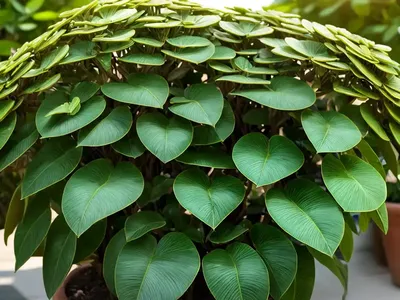
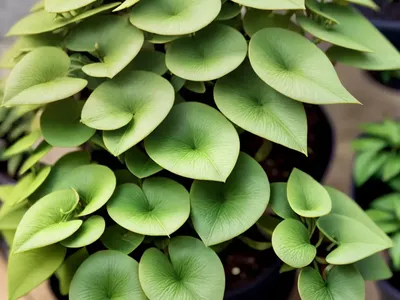
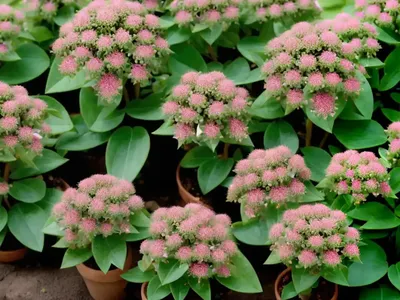
Mediterranean Spurge (Euphorbia Characias)
Mediterranean Spurge, scientifically known as Euphorbia Characias, is a fascinating plant, beloved for its ornamental value and adaptability. In this.
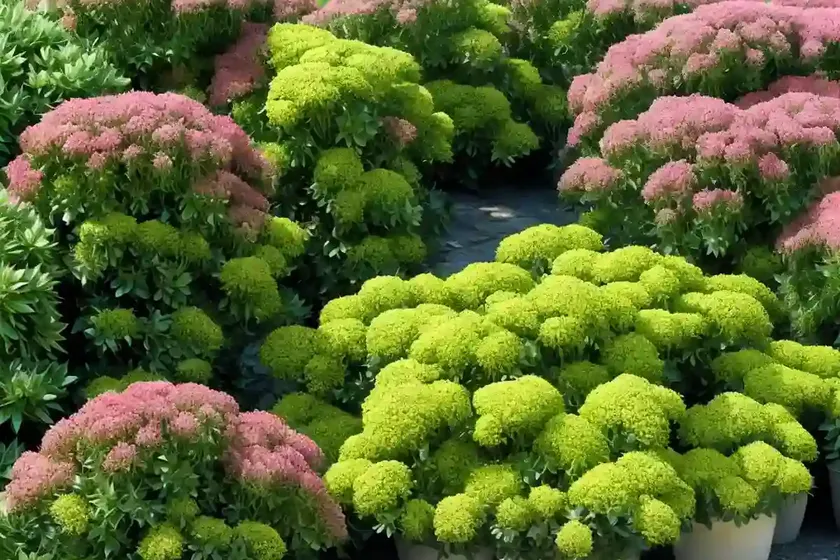
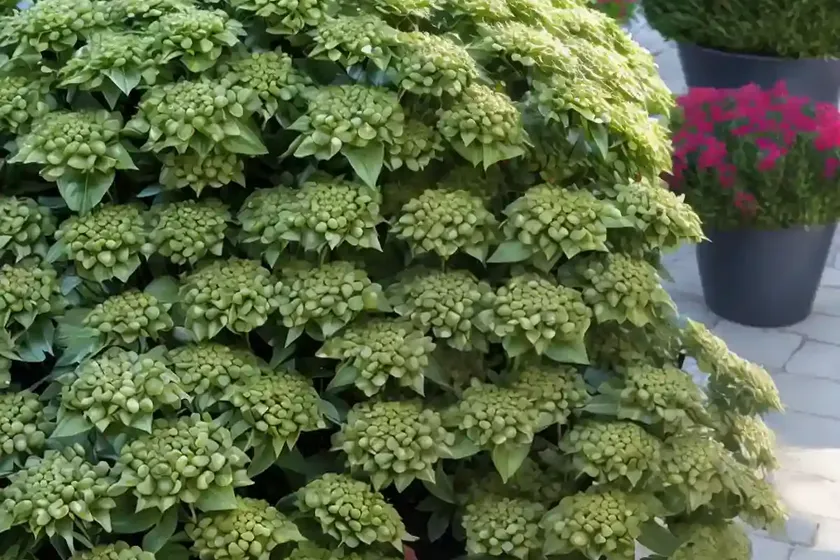
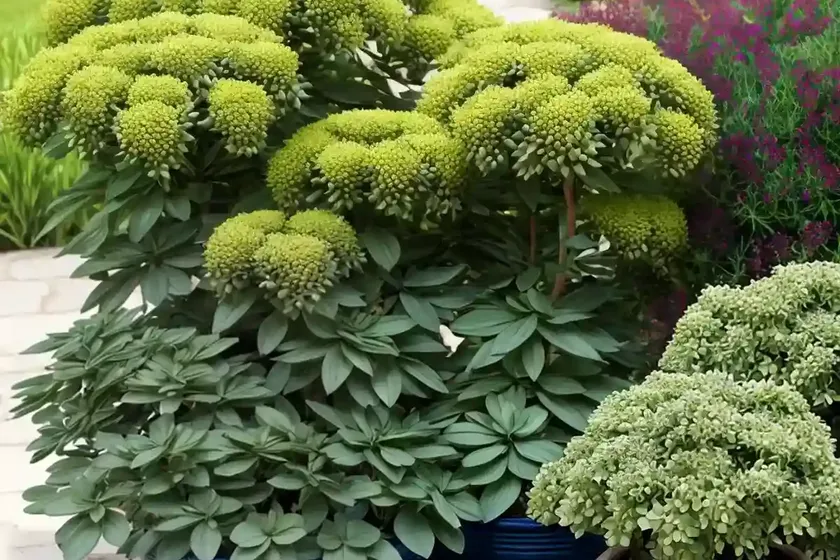
Mediterranean Spurge, scientifically known as Euphorbia Characias, is a fascinating plant, beloved for its ornamental value and adaptability. In this comprehensive guide, we will delve into the specifics of caring for this plant, its uses, requirements, and more. Whether you are a seasoned gardener or a novice enthusiast, this guide will equip you with the knowledge necessary to cultivate and maintain a thriving Mediterranean Spurge.
What is Mediterranean Spurge (Euphorbia Characias)?
Mediterranean Spurge, or Euphorbia Characias, is a perennial flowering plant native to the Mediterranean region. Belonging to the genus Euphorbia, it is a member of the Euphorbiaceae family, known for its diverse and unique characteristics. This species is cherished for its striking foliage and vibrant flowers, making it a popular choice for both gardeners and landscapers.
Key Takeaways – Mediterranean Spurge (Euphorbia Characias)
Before delving into the specific care guidelines for Mediterranean Spurge, let’s outline some key takeaways:
- Scientific Name: Euphorbia Characias
- Plant Type: Perennial
- Native Region: Mediterranean
- Common Uses: Ornamental, Medicinal, Landscape
- Sunlight Requirements: Full sun to partial shade
- Watering Needs: Low to moderate
- Soil Type: Well-draining, sandy or loamy soil
- Growth Habit: Clump-forming
- Flowering Season: Late winter to spring
Now that we have a brief overview, let’s explore the detailed care requirements and cultivation techniques for Mediterranean Spurge.
Cultivation and Care Guide
1. Water
Mediterranean Spurge has adapted to survive in regions with low rainfall, and therefore has low to moderate water requirements. Over-watering can lead to root rot and other issues, so it’s essential to ensure that the soil is well-draining. Water the plant deeply but infrequently, allowing the soil to dry out between waterings, especially during the growing season. In the winter, reduce the frequency of watering to prevent waterlogged soil.
2. Sunlight
This plant thrives in full sun to partial shade. When grown in a hotter climate, providing some afternoon shade can be beneficial to prevent stress from intense heat. In regions with milder temperatures, full sun exposure encourages robust growth and blooming. Ensure that the plant receives at least six hours of sunlight daily for optimal performance.
3. Soil
Mediterranean Spurge prefers well-draining soil that is rich in organic matter. A sandy or loamy soil with a slightly acidic to neutral pH range is ideal for supporting healthy growth. However, the plant demonstrates remarkable adaptability and can tolerate a variety of soil types, ranging from moderately acidic to alkaline.
4. Fertilizer
When it comes to fertilization, Mediterranean Spurge is relatively low-maintenance. A yearly application of a balanced, slow-release fertilizer in the spring, when new growth emerges, is generally sufficient to provide the necessary nutrients for healthy development. Avoid over-fertilizing, as this can lead to excessive vegetative growth at the expense of flowering.
5. Pruning
Pruning can help maintain the plant’s shape, remove dead or damaged growth, and encourage new growth. It is advisable to conduct pruning in the early spring before new growth emerges. When handling this plant, it is important to wear gloves, as the milky sap it exudes can cause skin irritation. Use clean, sharp pruning shears to avoid causing unnecessary damage to the plant.
Propagation
Mediterranean Spurge can be propagated through various methods, including:
- Seeds: Collect seeds from the plant after flowering and sow them in a well-draining potting mix. Keep the soil consistently moist until germination occurs.
- Division: During the plant’s dormant period, divide mature clumps by carefully separating the root mass and replanting the divisions in suitable locations.
- Softwood Cuttings: Take softwood cuttings during the active growing season and root them in a moist, well-draining medium to establish new plants.
Container Gardening
For gardeners with limited space or those seeking to create attractive container arrangements, Mediterranean Spurge is well-suited for container gardening. When growing this plant in containers, ensure that the pots have adequate drainage and use a quality potting mix to provide the necessary support and nutrients. Additionally, monitor the moisture levels regularly, as the soil in containers can dry out more quickly than garden soil.
Popularity and Common Uses
Mediterranean Spurge is highly valued for its ornamental appeal and is commonly utilized in the following ways:
- Gardens: It is a popular choice for Mediterranean-style gardens, rock gardens, and drought-tolerant landscapes.
- Cut Flowers: The long-lasting cut flowers of Mediterranean Spurge are often used in floral arrangements and indoor displays.
- Medicinal Properties: In traditional herbal medicine, certain parts of the plant are believed to have medicinal properties, although caution is advised due to its toxic sap.
- Landscape Design: With its attractive foliage and vibrant blooms, it is frequently incorporated into landscape designs to add visual interest and texture.
Common Diseases and Pest Management
While Mediterranean Spurge is generally resilient, it can occasionally encounter certain diseases and pest issues. Here are some common concerns and their management measures:
Common Diseases:
- Powdery Mildew: A fungal infection that presents as a powdery white substance on the foliage. To prevent this, ensure good air circulation and avoid overhead watering. Fungicidal treatments may be necessary in severe cases.
- Root Rot: Caused by overly wet soil, leading to decay of the roots. Avoid overwatering and ensure proper drainage to prevent this issue.
Disease Diagnosis:
When observing signs of distress or disease in Mediterranean Spurge, accurately diagnosing the issue is crucial for implementing targeted solutions. Look for symptoms such as wilting, yellowing of leaves, or unusual spots or growths on the plant. Identifying the specific symptoms can aid in determining the appropriate course of action to address the problem effectively.
Common Pests:
- Aphids: These small, sap-sucking insects can be managed through the application of insecticidal soap or horticultural oil. Encouraging natural predators such as ladybugs can also help control aphid populations.
Botanist’s Tips for Successful Growth
For optimal performance and longevity of Mediterranean Spurge, consider the following expert tips:
- Mind the Soil: Ensure that the soil is well-draining, as proper moisture management is critical to prevent root-related issues.
- Protective Gear: When handling the plant, wear gloves and protective clothing to minimize contact with the sap, which can cause skin irritation.
- Pruning Best Practices: Use clean, sharp pruning tools and sanitize them between each use, particularly when working with multiple plants.
Fun Facts about Mediterranean Spurge
- The milky sap of Mediterranean Spurge is known to be toxic and can cause skin irritation, so caution is advised when handling the plant.
- The plant’s botanical name, Euphorbia, is derived from Euphorbus, the personal physician of Juba II, a king of Mauretania.
- In some cultures, the plant’s sap has been used historically to create a poisonous substance for hunting and warfare.
Now that we have explored the various aspects of caring for Mediterranean Spurge, let’s delve into additional resources, companion planting ideas, and its ecological significance.
Links to External Resources
- Royal Horticultural Society – Euphorbia Characias
- University of Florida IFAS Extension – Euphorbia Characias
- The Mediterranean Garden Society – Euphorbia Characias
To further enrich your knowledge and understanding of Mediterranean Spurge, these resources provide valuable insights, tips, and recommendations from gardening experts and enthusiasts.
In conclusion, Mediterranean Spurge, or Euphorbia Characias, is an enchanting plant with a rich history, diverse uses, and resilient characteristics. By adhering to the recommended care guidelines and best practices, you can cultivate thriving specimens that contribute to the beauty of your garden or landscape. Whether you are drawn to its captivating blooms, its drought-tolerant nature, or its potential medicinal properties, this versatile plant holds a rightful place in the world of horticulture.
Remember to always approach the cultivation of any plant species with attentiveness and respect for its unique requirements and characteristics. With the knowledge gained from this guide and additional resources, you are well-equipped to embark on a rewarding journey of nurturing and enjoying the splendor of Mediterranean Spurge.
Happy Gardening!