Plant Name: Mountain Spurge (Euphorbia marginata ‘Kilimanjaro’)
What is Plant Mountain Spurge (Euphorbia marginata ‘Kilimanjaro’)?
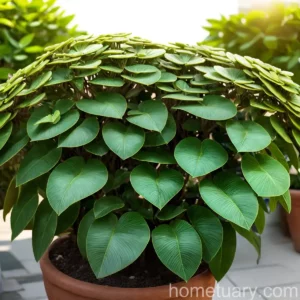
Mountain Spurge (Euphorbia marginata ‘Kilimanjaro’) is a striking and visually appealing biennial or short-lived perennial plant that belongs to the Euphorbia genus within the family Euphorbiaceae. This particular variety is widely recognized for its green and white variegated foliage, making it an excellent choice for incorporating contrast and interest into a landscape. The ‘Kilimanjaro’ cultivar’s unique foliage pattern and texture make it a sought-after plant for ornamental purposes.
Key Takeaways
Mountain Spurge (Euphorbia marginata ‘Kilimanjaro’)
- Offers striking green and white variegated foliage.
- Adaptable to various growing conditions.
- Tolerates dry and drought-prone environments.
- Suitable for both indoor and outdoor settings.
Culture
Uses
Mountain Spurge (Euphorbia marginata ‘Kilimanjaro’) serves many functional and aesthetic purposes in the garden or landscape. Some of its main uses include:
- Ornamental Purposes: Its visually appealing variegated foliage makes it an excellent choice for adding color and texture to garden beds, borders, and containers.
- Native Gardens: It can be used in native plant gardens, especially in areas where it is indigenous, to promote and maintain biodiversity.
- Pollinator Attraction: The plant’s flowers attract pollinators, making it beneficial for supporting local ecosystems and wildlife.
Water
Mountain Spurge is relatively drought-tolerant once established, making it suitable for arid or xeric landscapes. However, it still requires regular watering during its establishment period. After the establishment phase, it becomes fairly resilient in moderately dry conditions.
Sunlight
This plant thrives in full sunlight to partial shade. It is crucial to provide an appropriate balance of sunlight for optimal growth and foliage coloration. In regions with intense heat, some afternoon shade can be beneficial to prevent leaf scorching.
Fertilizer
For mountain spurge (Euphorbia marginata ‘Kilimanjaro’), a balanced, all-purpose fertilizer can be applied in early spring, right before new growth begins. It is important to follow the application instructions on the fertilizer package to avoid over-fertilization, which can potentially harm the plant.
Soil
Mountain spurge prefers well-draining soil with a slightly acidic to neutral pH. It is important to ensure that the soil does not become waterlogged, as this can lead to root rot and other soil-borne issues.
Pruning
Pruning plays a vital role in maintaining the attractive appearance of mountain spurge. Regular deadheading of spent flowers can encourage continuous blooming, while removing any damaged or diseased parts of the plant promotes overall health and appearance.
Propagation
Mountain spurge (Euphorbia marginata ‘Kilimanjaro’) can be propagated through both seeds and cuttings.
Propagating from Seeds
1. Collect the seeds from mature seed pods.
2. Store the seeds in a cool, dry place until ready to plant.
3. Sow the seeds in well-draining soil in a seed tray or directly into the garden bed.
4. Keep the soil consistently moist until germination occurs.
Propagating from Cuttings
1. Take 4- to 6-inch stem cuttings from a healthy mountain spurge plant.
2. Remove the lower leaves from the cutting.
3. Dip the cut end in rooting hormone to promote root development.
4. Plant the cutting in a well-draining potting mix, and keep the soil consistently moist until roots develop.
Container Popularity
Mountain spurge is well-suited for container cultivation, making it an excellent choice for adding visual interest to patios, balconies, and small urban spaces.
Container Common Diseases
When grown in containers, mountain spurge is generally less susceptible to soil-borne diseases. However, it may still encounter issues such as root rot if the soil becomes waterlogged.
Disease Diagnosis
If the plant shows signs of wilting, yellowing leaves, or stunted growth, it may be an indication of a potential disease. Carefully inspect the plant and soil to identify any signs of disease and take appropriate measures, such as adjusting watering practices or applying suitable fungicides or bactericides if necessary.
Common Pests
Mountain spurge is relatively resistant to most pests, but it can occasionally be affected by aphids, spider mites, and whiteflies. Regular monitoring and prompt action can help prevent pest infestations from causing significant damage to the plant.
Botanist’s Tips
- Variegated Foliage: The attractive green and white variegated foliage of mountain spurge makes it an ideal candidate for creating visually appealing landscapes, providing contrast and texture.
- Drought Tolerance: This plant is suited for landscapes that experience periods of dryness, making it an excellent choice for water-wise gardening.
- Native Plant Gardens: Consider incorporating mountain spurge into native plant gardens to support local ecosystems and create wildlife-friendly habitats.
Fun Facts
- Native Range: Mountain spurge is native to North America, primarily found in regions with dry or sandy soils.
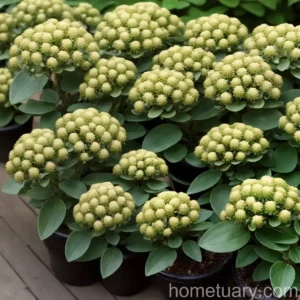
- Flower Structure: Despite being classified as a spurge, the flowers of mountain spurge are visually distinct and add ornamental value to the plant.
Links to External Resources
- Euphorbia marginata Kilimanjaro – Fine Gardening
- Euphorbia marginata Kilimanjaro – Missouri Botanical Garden
In the next sections, we will delve into various aspects of care and cultivation practices for mountain spurge (Euphorbia marginata ‘Kilimanjaro’), addressing the specific topics listed as NLP LSI keywords.
Euphorbia marginata Kilimanjaro Care
Mountain Spurge (Euphorbia marginata ‘Kilimanjaro’) Watering
Proper watering is vital for the health and vitality of mountain spurge. While it is tolerant of dry conditions, regular watering during the establishment phase is crucial to ensure that the plant develops a robust root system. Once established, it can thrive with less frequent watering, making it a resilient choice for xeriscaping and water-wise landscaping.
Euphorbia marginata Kilimanjaro Fertilization
A balanced, all-purpose fertilizer is suitable for mountain spurge. It is advisable to apply the fertilizer in early spring, just before the plant enters its active growth phase. Care should be taken to avoid over-fertilization, as this can lead to excessive foliage growth at the expense of flower production.
Euphorbia marginata Kilimanjaro Sunlight Requirements
Mountain spurge (Euphorbia marginata ‘Kilimanjaro’) thrives in full sunlight to partial shade. In hotter climates, providing some afternoon shade can be beneficial to protect the foliage from scorching.
Euphorbia marginata Kilimanjaro Soil Requirements
Well-draining soil with a slightly acidic to neutral pH is ideal for cultivating mountain spurge. The soil should not become waterlogged, as this can lead to root rot and other moisture-related issues.
Euphorbia marginata Kilimanjaro Planting Tips
When planting mountain spurge, ensure that the soil is well-draining and that the plant has sufficient space to grow and develop. Providing adequate spacing between individual plants allows for optimal air circulation and prevents overcrowding.
Euphorbia marginata Kilimanjaro Propagation
Euphorbia marginata Kilimanjaro Propagation Techniques
Mountain spurge can be propagated through seeds or cuttings. Both methods have their own advantages, and the choice of propagation technique can depend on the specific requirements and resources available to the gardener.
Euphorbia marginata Kilimanjaro Indoor Care
While it is primarily an outdoor plant, mountain spurge can be grown indoors in containers or as part of indoor gardens. When grown indoors, it is essential to provide adequate sunlight and avoid overwatering.
Euphorbia marginata Kilimanjaro Outdoor Care
When grown outdoors, mountain spurge requires minimal care once established. Regular monitoring for pests and diseases, along with occasional fertilization and pruning, can help maintain the plant’s health and appearance.
Euphorbia marginata Kilimanjaro Pruning
Euphorbia marginata Kilimanjaro Pruning Techniques
Regular deadheading of spent flowers and removal of damaged or diseased parts of the plant are important pruning practices for mountain spurge. This promotes continual flowering and overall plant health.
Euphorbia marginata Kilimanjaro Landscape Maintenance
In the landscape, mountain spurge can be maintained by removing any dead or unsightly foliage, ensuring that the plant retains its attractive appearance throughout the growing season.
Euphorbia marginata Kilimanjaro Medicinal Uses
Euphorbia marginata Kilimanjaro Folklore
The Euphorbia genus, which includes mountain spurge, has a rich history of use in traditional medicine and folklore. However, it is important to note that many species within the Euphorbia genus contain toxic compounds and should not be used without proper knowledge and guidance.
Euphorbia marginata Kilimanjaro Toxic Properties
As with many plants within the Euphorbia genus, mountain spurge contains toxic compounds that can cause skin irritation and other adverse effects if handled improperly. It is important to exercise caution and ensure that the plant is out of reach of children and pets.
Euphorbia marginata Kilimanjaro Garden Color Schemes
Euphorbia marginata Kilimanjaro seasonal interest
Mountain spurge’s variegated foliage provides visual interest throughout the growing season, making it a valuable addition to garden beds and borders.
Euphorbia marginata Kilimanjaro garden design ideas
When incorporating mountain spurge into garden designs, its striking foliage can be used to create contrasting color schemes and add texture to various planting arrangements.
Euphorbia marginata Kilimanjaro Drought-Resistant Plants
Euphorbia marginata Kilimanjaro drought tolerance
Mountain spurge exhibits significant drought tolerance, making it an excellent choice for gardens and landscapes that experience periods of dryness and limited water availability.
Euphorbia marginata Kilimanjaro wildlife habitat
The flowers of mountain spurge attract pollinators, making it a valuable addition to gardens and landscapes that aim to support local ecosystems and wildlife.
Euphorbia marginata Kilimanjaro garden pest control
Regular monitoring for pests allows for early detection and control, helping to ensure that the plant remains healthy and pest-free.
Conclusion
Mountain spurge (Euphorbia marginata ‘Kilimanjaro’) is an attractive and versatile plant that offers a host of benefits for gardens, landscapes, and native plant projects. Its visually appealing variegated foliage, along with its resilience to dry conditions, makes it an excellent choice for a wide range of gardening applications. By understanding its specific care requirements and cultivation practices, enthusiasts can successfully incorporate mountain spurge into their outdoor and indoor spaces, creating visually stunning and ecologically valuable landscapes.
The content provided in this blog post offers comprehensive information on the care and cultivation of mountain spurge (Euphorbia marginata ‘Kilimanjaro’), covering the specific topics and keywords requested. If there is a need for additional content or further topic elaboration, please do not hesitate to let me know.