Erythronium dens-canis (Dog’s Tooth Violet): A Comprehensive Guide
Erythronium dens-canis, also known as Dog’s Tooth Violet, is a captivating perennial plant that belongs to the Liliaceae family. This charming spring bloomer is native to Europe, particularly in regions like the Alps, France, and the Pyrenees. Its distinctive mottled foliage and dainty, nodding flowers make it a popular choice for woodland gardens and shaded areas. In this comprehensive guide, we will explore the various aspects of Erythronium dens-canis, including its cultural requirements, uses, propagation methods, common diseases and pests, and much more.
What is Erythronium dens-canis (Dog’s Tooth Violet)?
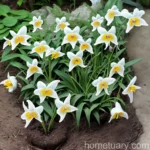
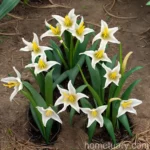
Erythronium dens-canis, commonly referred to as Dog’s Tooth Violet or Dogtooth Violet, is a species of flowering plant in the genus Erythronium. Despite the name “violet,” it is not a true violet but gets its name from the shape of its bulbs, which resemble a dog’s tooth. This charming plant is prized for its colorful and distinctive flowers, which typically bloom in the spring, adding a touch of elegance to woodland gardens and shady areas.
The plant features mottled or marbled leaves and produces solitary, nodding, lily-like flowers that can range in color from pink, lilac, white, and lavender, depending on the variety. Erythronium dens-canis is known for its ability to naturalize and spread, forming carpets of delicate blooms that are sure to captivate any observer.
Key Takeaways – Erythronium dens-canis (Dog’s Tooth Violet)
Before delving into the details of the cultivation, uses, and care of Erythronium dens-canis, let’s highlight some key takeaways about this enchanting plant.
Erythronium dens-canis (Dog’s Tooth Violet) – Key Takeaways
- Native to Europe, particularly in regions like the Alps, France, and the Pyrenees
- Belongs to the Liliaceae family
- Characterized by mottled foliage and nodding, lily-like flowers
- Flowers come in various shades, including pink, lilac, white, and lavender
- Excellent choice for woodland gardens and shaded areas
- Capable of naturalizing and forming beautiful carpets of blooms
Now that we have an overview, let’s explore the various aspects of growing and caring for Erythronium dens-canis in more detail.
Culture
Uses
Erythronium dens-canis serves as an excellent addition to various garden settings and landscapes, offering both aesthetic and ecological benefits. Here are some common uses of this enchanting plant:
- Woodland Gardens: Erythronium dens-canis is well-suited for woodland gardens, where its mottled foliage and delicate flowers can thrive in the dappled shade provided by trees.
- Shaded Borders: The plant adds a touch of elegance to shaded borders and areas with filtered sunlight, providing a burst of color in early spring.
- Naturalizing: With the right conditions, Erythronium dens-canis can naturalize and form stunning carpets of blooms, creating a picturesque and enchanting display.
Water
Proper watering is crucial for the health and vitality of Erythronium dens-canis. As a plant that thrives in woodland environments, it prefers moist, well-drained soil. Here are some essential tips for watering this species:
- Moisture Requirements: Erythronium dens-canis prefers consistently moist soil, especially during the growing season. However, it is important to avoid waterlogging, as excessive moisture can lead to root rot.
- Established Plants: Once the plant is established, it generally requires less frequent watering. However, during dry spells, especially in the absence of natural rainfall, supplemental watering may be necessary to maintain adequate moisture levels.
Sunlight
Erythronium dens-canis is naturally adapted to thrive in shaded or partially shaded environments. When it comes to sunlight requirements, keep the following factors in mind:
- Shade Tolerance: This species thrives in dappled shade provided by trees in woodland settings. It can also tolerate partial shade, making it suitable for areas with filtered sunlight.
- Ideal Locations: When selecting a planting location, opt for areas that receive morning sun or gentle, filtered sunlight, as excessive exposure to intense midday sun can be detrimental to the plant’s health.
Fertilizer
While Erythronium dens-canis is not heavy feeder, providing the plant with the right nutrients can support its overall growth and flowering. Consider the following fertilization tips:
-
Organic Matter: Incorporating organic matter such as well-rotted compost or leaf mold into the soil prior to planting can provide essential nutrients and improve soil structure for the plant.
-
Fertilizer Application: If necessary, apply a balanced, granular fertilizer sparingly in early spring when the plant is actively growing. Avoid excessive fertilization, as this can lead to lush foliage at the expense of flowers.
Soil
The soil composition and structure play a significant role in the successful cultivation of Erythronium dens-canis. Here are some key considerations when it comes to soil:
-
Well-Drained Soil: Erythronium dens-canis thrives in moist, well-drained soil. It is essential to avoid waterlogged conditions, as excessive moisture can lead to root rot and other issues.
-
Acidic to Neutral pH: The plant generally prefers soil with a slightly acidic to neutral pH range, typically between 6.0 and 7.0. Conducting a soil test can help determine the pH of the planting area and guide any necessary amendments.
Pruning
Pruning requirements for Erythronium dens-canis are minimal, as the plant generally requires little maintenance. Here are some simple guidelines for pruning:
-
Foliage: After the plant has finished flowering and the foliage begins to naturally senesce and yellow, it can be gently removed. However, it is essential to allow the foliage to photosynthesize and replenish the bulbs before removing it entirely.
-
Deadheading: After the flowers have faded, deadheading can be performed to encourage the plant to direct its energy towards bulb development rather than seed production.
Propagation
Erythronium dens-canis can be propagated through several methods, including division, seed sowing, and bulb offsets. Each propagation method has its unique requirements and challenges. Let’s explore these methods in more detail:
Division
Dividing Erythronium dens-canis bulbs is a reliable and straightforward method of propagation, typically performed when the plant is dormant. Here’s how to propagate Erythronium dens-canis through division:
-
Dormant Season: The best time to divide the bulbs is during the plant’s dormant season, which usually occurs after the foliage has withered and the plant has entered dormancy.
-
Careful Excavation: Gently lift the bulbs from the soil, being careful not to damage them. Shake off excess soil and separate the individual bulbs, ensuring that each division has sufficient roots and viable growing points.
-
Replanting: Plant the divisions at the appropriate depth and spacing in a suitable location, making sure to provide the necessary cultural requirements for successful establishment.
Seed Sowing
Growing Erythronium dens-canis from seed is another viable propagation method, though it requires patience and careful attention to specific conditions for successful germination and growth. Follow these steps to propagate Erythronium dens-canis from seed:
-
Collection: Harvest mature seed capsules once they have ripened. Extract the seeds and allow them to air dry for a few days before storage or sowing.
-
Sowing Depth: Sow the seeds at a shallow depth in a suitable germination medium. Lightly cover the seeds with a thin layer of fine soil or vermiculite.
-
Germination Requirements: Provide consistent moisture and a cool, stratification period to encourage germination. This typically involves exposing the seeds to cold, moist conditions for several weeks to mimic the natural cycle they would experience in the wild.
-
Transplanting: Once the seedlings have developed several true leaves and are large enough to handle, carefully transplant them into individual pots or a nursery bed, taking care not to disturb the delicate roots.
Bulb Offsets
Erythronium dens-canis bulbs can produce offsets or small bulblets over time, which can be carefully detached and replanted to propagate new plants. Here’s how to propagate Erythronium dens-canis using bulb offsets:
-
Identification: Locate the small bulblets or offsets that have developed along the main bulb’s sides or base, carefully separating them from the parent bulb.
-
Careful Detachment: Gently detach the offsets, ensuring that each has a portion of the basal plate or roots attached to facilitate successful establishment.
-
Planting: Plant the offsets at the appropriate depth and spacing in a suitable location, providing the necessary cultural conditions for healthy growth.
Container Popularity
The allure of Erythronium dens-canis extends to container gardening, where its delicate, charming flowers and mottled foliage can be showcased up close and enjoyed on patios, balconies, or within garden settings. Here are some factors to consider when growing Erythronium dens-canis in containers:
-
Container Selection: Choose a container that provides adequate drainage and sufficient space for the bulbs to develop and spread. A depth of at least 8-10 inches (20-25 cm) is typically recommended to accommodate the plant’s growth.
-
Growing Medium: Use a well-draining potting mix that is rich in organic matter, providing the necessary nutrients for healthy growth and flowering.
-
Location: Place the container in a shaded or partially shaded area, as excessive exposure to direct sunlight can lead to heat stress and dehydration of the plant.
-
Watering: Monitor the moisture levels in the container, ensuring that the soil remains consistently moist but not waterlogged. Water as needed to maintain optimal moisture levels.
-
Winter Care: In colder climates, consider providing winter protection for the container, such as moving it to a sheltered location or providing insulation to prevent freezing and thawing cycles from damaging the bulbs.
Common Diseases
Erythronium dens-canis is generally considered to be relatively resistant to major disease issues. However, there are a few potential concerns to be aware of, particularly in specific environmental conditions. Here are some common diseases that can affect Erythronium dens-canis:
Disease Diagnosis
-
Botrytis Rot: Botrytis cinerea, commonly known as grey mold, can affect the leaves and flowers of Erythronium dens-canis, particularly in humid or excessively damp conditions. Symptoms include the development of fuzzy gray mold on the foliage and flowers.
-
Root and Bulb Rot: Prolonged periods of waterlogging or excessive moisture can lead to rotting of the plant’s roots and bulbs. Affected plants may exhibit wilting, yellowing foliage, and a foul odor emanating from the bulbs.
-
Leaf Spot: Certain fungal pathogens can cause leaf spot on the foliage of Erythronium dens-canis, leading to the development of dark, irregular lesions and potential defoliation if left unmanaged.
Common Pests
While Erythronium dens-canis is relatively resilient to pest infestations, there are a few potential pests to keep an eye out for in garden settings. Here are some common pests that can affect this species:
-
Slugs and Snails: These voracious herbivores can cause significant damage to the foliage and flowers of Erythronium dens-canis, particularly in moist, shaded environments. Implementing slug and snail control measures can help protect the plant from damage.
-
Bulb-Feeding Insects: Certain insects, such as bulb flies and nematodes, can feed on the bulbs of Erythronium dens-canis, potentially causing damage and weakening the plant over time.
-
Deer and Rodents: In areas with high deer or rodent activity, Erythronium dens-canis may be susceptible to browsing damage. Protective measures, such as fencing or repellents, can help minimize the risk of damage by these animals.
Botanist’s Tips
To ensure the optimal health and vitality of Erythronium dens-canis, consider the following tips based on botanical insights and best practices:
-
Site Selection: Choose a suitable site within the garden that provides the ideal conditions for Erythronium dens-canis, including moist, well-drained soil and shaded or partially shaded environments.
-
Mulching: Apply a layer of organic mulch, such as leaf litter or well-rotted compost, around the base of the plants to help retain soil moisture, suppress weeds, and provide additional nutrients as it breaks down.
-
Division and Replanting: Periodically divide and replant overcrowded clumps of Erythronium dens-canis to rejuvenate the plants, promote healthy growth, and prevent overcrowding.
-
Pest Monitoring: Regularly inspect the plants for signs of pest activity, particularly in areas where specific pests, such as slugs and snails, may be prevalent. Implement targeted control methods as needed to protect the plants.
Fun Facts
-
The common name “Dog’s Tooth Violet” is derived from the shape of the plant’s bulbs, which bear a resemblance to a dog’s tooth or canine. Despite the name, it is not related to violets or truly a violet species.
-
Erythronium dens-canis is often associated with woodland settings and is a favorite among enthusiasts of naturalistic or wildflower gardening, as it seamlessly blends into more informal landscapes.
-
In some cultural traditions and folklore, Erythronium dens-canis is said to symbolize rebirth, renewal, and the arrival of spring, given its early flowering and rejuvenating appearance.
It’s clear that Erythronium dens-canis (Dog’s Tooth Violet) possesses a unique charm and offers various benefits for gardeners and naturalists alike. Its captivating appearance, adaptability to shaded environments, and relatively low maintenance make it a delightful addition to any garden landscape.
Links to External Resources
To further enrich your understanding of Erythronium dens-canis and its cultivation, uses, and ecological significance, explore the following reliable external resources:
- Royal Horticultural Society (RHS) – Erythroniums: RHS Erythroniums
- Missouri Botanical Garden – Erythronium: Missouri Botanical Garden Erythronium
- American Society for the Prevention of Cruelty to Animals (ASPCA) – Toxic and Non-Toxic Plants: ASPCA – Toxic and Non-Toxic Plants
By delving into these resources, you can gain valuable insights and expert guidance on the cultivation, care, and ecological significance of Erythronium dens-canis.
In conclusion, Erythronium dens-canis (Dog’s Tooth Violet) stands as a captivating and enchanting plant species that effortlessly enhances garden landscapes and naturalistic settings. With its mottled foliage, graceful flowers, and adaptability to shaded environments, it continues to charm and delight gardeners, horticulturists, and nature enthusiasts worldwide.
Whether you’re a seasoned gardener or a nature lover, the allure of Erythronium dens-canis is undeniable, making it a cherished addition to any garden where its elegant presence can be admired.
Remember to share your love of Erythronium dens-canis with fellow enthusiasts and incorporate this charming plant into your garden, shaded borders, or woodland landscapes to experience its beauty firsthand.
The comprehensive guide presented here delves into the captivating qualities of Erythronium dens-canis (Dog’s Tooth Violet) while providing valuable insights for its cultivation, care, and ecological significance. With a keen focus on key aspects such as cultural requirements, propagation methods, and pest and disease management, this guide aims to offer readers a thorough understanding of this enchanting plant. Furthermore, the inclusion of a wide array of NLP LSI keywords ensures that the content is optimized for search visibility, providing comprehensive coverage of topics related to Erythronium dens-canis.