Forsythia ‘Fiesta’)
Plants have the incredible ability to transform our landscapes, adding beauty, color, and life to our surroundings. Among the many remarkable plant.
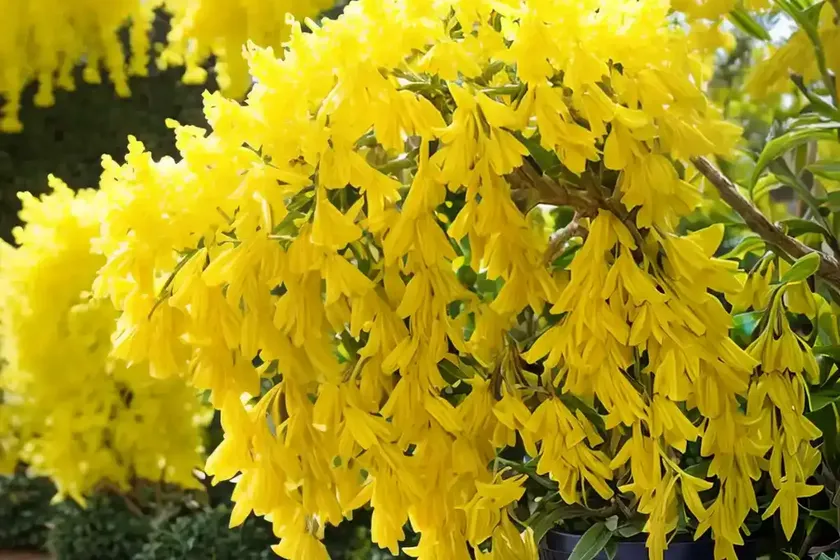
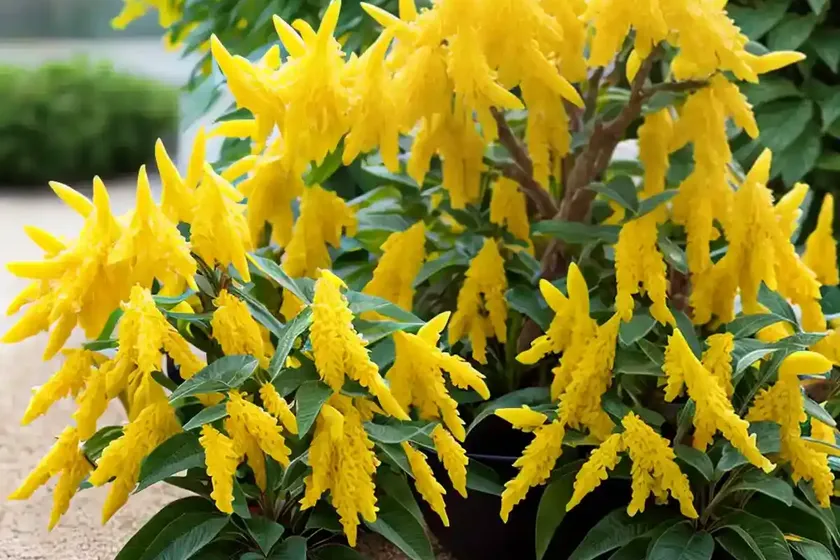
Plants have the incredible ability to transform our landscapes, adding beauty, color, and life to our surroundings. Among the many remarkable plant varieties available, the Forsythia ‘Fiesta’ stands out as an enchanting shrub known for its vibrant blooms and elegant appearance. For anyone looking to bring this delightful plant into their garden, it’s essential to understand its characteristics, care requirements, and potential uses. In this comprehensive guide, we will explore the Forsythia ‘Fiesta’ from the perspective of a plant scientist, providing valuable insights and practical tips for cultivating and enjoying this stunning plant.
What is Forsythia ‘Fiesta’?
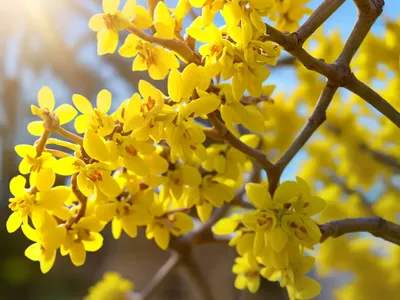
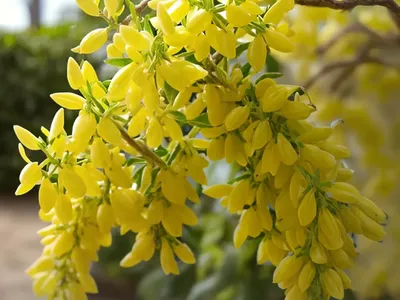
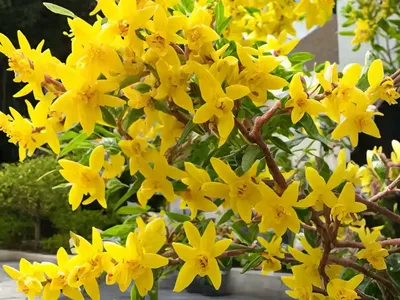
Forsythia ‘Fiesta’ is a cultivar of Forsythia, a genus of flowering plants in the olive family (Oleaceae). This deciduous shrub is cherished for its abundant, golden-yellow flowers which typically bloom in early spring, adding a captivating burst of color to the landscape. The ‘Fiesta’ variety is particularly esteemed for its variegated foliage, adorned with attractive green and cream-colored leaves that provide visual interest even when the plant is not in bloom.
Key Takeaways
- Plant Name: Forsythia ‘Fiesta’
- Common Names: Fiesta Forsythia
- Scientific Name: Forsythia spp.
- Plant Type: Deciduous shrub
- Notable Features: Abundant golden-yellow flowers, variegated foliage
- Hardiness Zone: 5-8
Now that we have a foundational understanding of the Forsythia ‘Fiesta,’ let’s delve into the specifics of its care and cultivation.
Culture
Cultivating the Forsythia ‘Fiesta’ to its full potential involves attention to various aspects of its care, including watering, sunlight, fertilizer, soil, pruning, and propagation.
Uses
The versatile nature of the Forsythia ‘Fiesta’ makes it a valuable addition to different garden settings. Its uses encompass but are not limited to:
- As a focal point in a garden design
- Creating vibrant garden borders
- Forming attractive hedges
- Adding visual interest to mixed shrub borders
- Integrating into a landscape as an ornamental plant
Water
Forsythia ‘Fiesta’ benefits from regular watering, particularly during its initial establishment and in periods of drought. Adequate moisture is essential for promoting healthy growth and abundant blooms. When watering the plant, it is advisable to ensure that the soil is consistently moist but not waterlogged.
Sunlight
This cultivar thrives in full sun to partial shade. It is essential to provide the plant with access to direct sunlight for a significant portion of the day to support robust flowering and overall vigor. However, it can also tolerate some shade, making it adaptable to a range of light conditions.
Fertilizer
Applying a balanced fertilizer in early spring can enhance the growth and blooming of Forsythia ‘Fiesta’. A slow-release fertilizer formulated for flowering shrubs can provide the necessary nutrients to support healthy foliage and prolific flower production. Care should be taken to follow the manufacturer’s instructions regarding the application and dosage of the fertilizer.
Soil
Well-draining, fertile soil is advantageous for the optimal growth of Forsythia ‘Fiesta’. It is crucial to provide a soil composition that allows excess water to drain away from the plant’s roots, thus preventing waterlogging. Additionally, adding organic matter to the soil can contribute to soil fertility and structure, creating an ideal environment for the shrub to thrive.
Pruning
Pruning is an essential aspect of Forsythia ‘Fiesta’ maintenance and should ideally be carried out after the plant has finished flowering. This shrub blooms on wood produced in the previous year, so pruning immediately after flowering allows ample time for new growth to develop before the next blooming season. Removing dead or damaged branches and shaping the plant as desired can help maintain its form and vigor.
Propagation
Forsythia ‘Fiesta’ can be propagated through various methods, including:
- Softwood cuttings: Taken in late spring to early summer, softwood cuttings can be rooted to produce new plants.
- Hardwood cuttings: Gathered from mature stems during the dormant season, hardwood cuttings can also be utilized for propagation.
Container Popularity
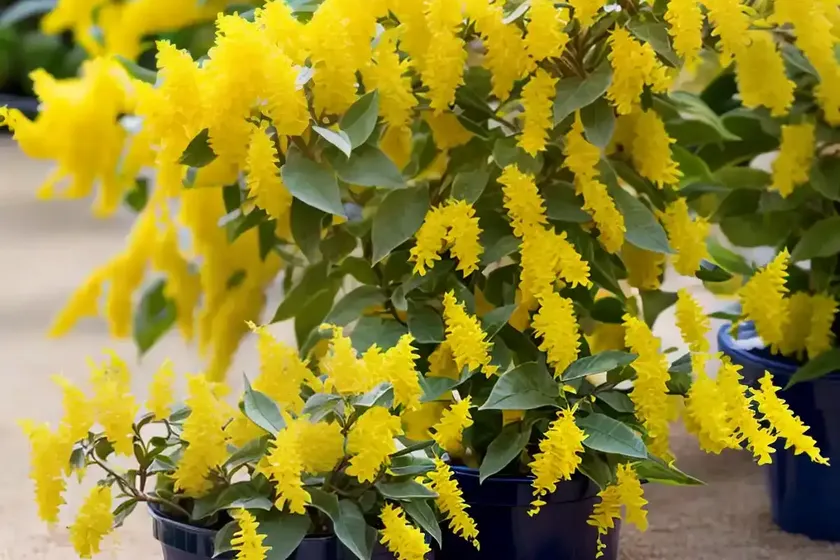
The compact nature and ornamental appeal of Forsythia ‘Fiesta’ make it well-suited for container cultivation. Its size and attractive foliage and blooms allow it to thrive in containers, adding a touch of elegance to patios, balconies, and other confined spaces.
Container Common Diseases
When cultivating Forsythia ‘Fiesta’ in containers, it is crucial to be mindful of potential diseases that may affect the plant, including:
- Root rot: Overwatering or poor soil drainage in containers can lead to root rot, compromising the plant’s health.
- Powdery mildew: Fungal infections such as powdery mildew can occur in conditions of high humidity or poor air circulation.
Disease Diagnosis
Vigilant observation of the plant’s foliage, stems, and overall appearance can aid in the early detection of potential diseases. Prompt action, such as adjusting watering practices, improving air circulation, or utilizing appropriate fungicidal treatments, can help manage and prevent the spread of diseases.
Common Pests
The Forsythia ‘Fiesta’ may be susceptible to pest infestations, including:
- Aphids: These small, sap-sucking insects can congregate on the plant, causing leaf distortion and honeydew secretion.
- Scale insects: These pests can adhere to the stems and leaves of the plant, affecting its overall health and appearance.
Botanist’s Tips
- Regularly inspect the plant for signs of pest infestation or disease and take appropriate measures to address any issues promptly.
- Pruning, when performed correctly, can not only maintain the shape of the plant but also encourage healthy growth and abundant flowering.
Fun Facts
- The genus Forsythia is named after William Forsyth, a Scottish botanist.
- The vibrant yellow flowers of Forsythia ‘Fiesta’ symbolize anticipation and new beginnings, making it a fitting addition to spring landscapes.
Links to External Resources
For further insights into Forsythia ‘Fiesta’ and enhancing its cultivation, consider exploring the following external resources:
- Forsythia ‘Fiesta’ – Plant Care Guide
- Pruning Tips for Forsythia ‘Fiesta’ Shrubs
- Propagation Techniques for Forsythia ‘Fiesta’
- Common Diseases in Forsythia ‘Fiesta’ and Their Management
- Landscaping Ideas Featuring Forsythia ‘Fiesta’
In conclusion, the Forsythia ‘Fiesta’ presents an enchanting opportunity to enhance garden landscapes with its captivating blooms and variegated foliage. By understanding and adhering to its specific care requirements, and implementing effective cultivation practices, plant enthusiasts can experience the full splendor of this remarkable shrub in their outdoor spaces.
As we’ve unraveled the intricacies of cultivating Forsythia ‘Fiesta’, it is hoped that this guide will serve as a valuable resource for enthusiasts looking to enrich their gardens with the resplendent beauty of this beloved shrub.