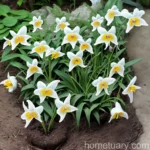
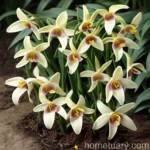
Erythronium oregonum (Oregon Fawn Lily)
What is Plant
Plants are the living organisms belonging to the kingdom Plantae. They are multicellular, eukaryotic organisms that primarily conduct photosynthesis, the process by which light energy is used to convert carbon dioxide and water into organic compounds. Plants not only form the basis of the food chain for most living organisms but are also essential for maintaining the balance of gases in the atmosphere as they release oxygen during photosynthesis.
Erythronium oregonum (Oregon Fawn Lily) – An Overview
Erythronium oregonum, also known as the Oregon Fawn Lily, is a stunning perennial plant native to the Pacific Northwest region of North America. This delicate, spring-blooming wildflower is a beloved sight in its natural habitat, showcasing its nodding, lily-like flowers in various shades of pink and white. The Oregon Fawn Lily is a valuable addition to woodland gardens and naturalized landscapes, offering its ephemeral beauty and ecological significance.
Key Takeaways – Erythronium oregonum (Oregon Fawn Lily)
As we delve deeper into the realm of Erythronium oregonum, also known as the Oregon Fawn Lily, we will explore its cultural requirements, uses, and significance as a native plant of Oregon. From its habitat to its conservation status, we will uncover the essential elements that make this plant a cherished presence in Pacific Northwest wildflower gardens.
Let’s begin with an exploration of the cultural requirements necessary for nurturing Erythronium oregonum.
Cultural Requirements
Water
Erythronium oregonum thrives in moist, well-drained soil during its growing season, typically requiring regular watering to maintain the necessary moisture levels. However, it is crucial to ensure that the soil does not become waterlogged, as excessive water can lead to root rot. During the plant’s dormant period in summer, it benefits from drier conditions.
Sunlight
The Oregon Fawn Lily typically prefers partially shaded to dappled sun conditions, replicating the environment of its natural woodland habitat. This makes it an excellent choice for planting under the canopy of deciduous trees or in semi-shaded garden beds. Adequate sunlight is essential for the plant to photosynthesize and produce its charming flowers.
Fertilizer
When it comes to fertilization, Erythronium oregonum benefits from a light application of a balanced, organic fertilizer in early spring as it emerges from dormancy. Care should be taken to avoid over-fertilization, which can lead to excessive foliage growth at the expense of flower production.
Soil
The Oregon Fawn Lily thrives in organically-rich, well-drained soils, typically favoring loamy or sandy soils with a slightly acidic to neutral pH. The right soil structure and composition are vital for promoting healthy root growth and overall plant vigor.
Pruning
Minimal pruning is usually required for Erythronium oregonum. Once the plant has finished flowering, it is important to allow the foliage to wither and die back naturally, as this allows the plant to absorb essential nutrients for the next growing season. Pruning off the fading foliage prematurely can have a detrimental impact on the plant’s ability to store energy in its bulb for the following year.
Propagation
Erythronium oregonum can be propagated from its seeds or by dividing its bulbs. Seed propagation allows for the creation of new genetic variations, while bulb division is a reliable method for producing exact replicas of the parent plant. Both techniques require careful attention to the specific requirements of each propagation method.
Container Popularity
While Erythronium oregonum can thrive in garden beds and naturalized settings, it can also be grown successfully in containers. This offers an excellent option for gardeners with limited space or those seeking to create captivating woodland displays in patio or balcony gardens.
Uses
Ornamental Value
One of the primary uses of Erythronium oregonum is its ornamental value. As a charming spring-blooming wildflower, it adds a touch of elegance to woodland gardens, shaded borders, and naturalized landscapes. Its nodding, lily-like flowers and mottled foliage create an enchanting visual display, making it a sought-after addition to Pacific Northwest landscapes.
Ecological Significance
In its natural habitat, Erythronium oregonum serves as an important component of woodland ecosystems, providing food and habitat for various native pollinators and wildlife. Its presence contributes to the biodiversity and ecological balance of the regions where it is indigenous, underscoring its significance beyond its aesthetic appeal.
Common Diseases
Disease Diagnosis
While Erythronium oregonum is relatively resistant to many common plant diseases, it can be susceptible to certain fungal infections such as powdery mildew and botrytis. Early diagnosis and prompt intervention are crucial in managing these conditions to prevent their spread and minimize their impact on the plant’s health and vigor.
Common Pests
Pest Management
The Oregon Fawn Lily is generally resistant to major pest infestations. However, it may occasionally attract pests such as slugs, snails, and certain caterpillars. Vigilance in monitoring for signs of pest activity and implementing appropriate control measures, such as physical barriers or organic repellents, can help protect the plant from damage.
Botanist’s Tips
Erythronium oregonum Characteristics
- The Oregon Fawn Lily is characterized by its elegant, pendulous flowers that bloom in various shades of pink and white, with delicate reflexed petals resembling a nodding lily.
- Its mottled foliage adds visual interest, featuring attractive patterns that enhance its ornamental appeal even after the flowering period.
- This plant typically reaches a height of 6 to 12 inches, creating a balanced and graceful presence in the garden landscape.
Erythronium oregonum Habitat
- Erythronium oregonum is indigenous to the Pacific Northwest region of North America, specifically found in Oregon and southwestern Washington.
- It thrives in cool, moist woodland environments characterized by rich, well-drained soils and dappled sunlight.
Erythronium oregonum Ecology
- As a native spring-flowering plant, the Oregon Fawn Lily plays a vital role in supporting pollinators such as bees and early emerging butterflies, providing essential nectar and pollen sources.
- Its bulbs serve as nutrient reserves, allowing the plant to thrive and reproduce in its natural habitat.
Fun Facts
- The genus name “Erythronium” is derived from the Greek word “erythros,” meaning red, which refers to the color of the bulb scales in some species.
- Erythronium oregonum is an ephemeral beauty, gracing the woodland floors with its blooms during the spring season before transitioning into dormancy in the summer months.
Links to External Resources
To further enrich your understanding and appreciation of Erythronium oregonum, we have curated a selection of external resources that offer valuable insights and guidance for cultivating and celebrating this captivating native wildflower:
- American Society of Plant Biologists – Native Plants of Oregon
- Oregon Wildflowers – A Guide to Pacific Northwest Flowers
- The Hardy Plant Society – Cultivation and Conservation of Erythronium Species
- Pacific Northwest Native Plant Gardening – Creating Beautiful, Sustainable Landscapes
- Royal Horticultural Society – Woodland Gardening: Creating Enchanting, Naturalistic Spaces
In conclusion, Erythronium oregonum, the Oregon Fawn Lily, is a cherished native wildflower that holds both ornamental and ecological significance. Its elegant blooms, mottled foliage, and contribution to woodland ecosystems make it a valuable addition to Pacific Northwest gardens and naturalized landscapes.
Whether you are captivated by its exquisite beauty, keen to support native plant preservation, or eager to create enchanting woodland displays, Erythronium oregonum offers a wealth of possibilities for gardeners and nature enthusiasts alike.
As you embark on your journey to cultivate and appreciate this iconic wildflower, may the insights and resources shared here serve as a source of inspiration and guidance, nurturing your passion for native flora and the beauty of the natural world.
References
1. Breckenridge, G. (2016). Erythronium oregonum: Oregon Fawn Lily. Pacific Bulb Society. Link
2. Keator, G. (2006). The Life of a Fawn Lily. The Wild Gardener. Link
3. Miller, T. (2019). Gardening With Native Plants of the Pacific Northwest. Timber Press.
To continue your exploration of Erythronium oregonum, we recommend consulting these reputable sources for in-depth knowledge and practical insights into the cultivation and appreciation of this remarkable wildflower.
This blog post provides a comprehensive exploration of the cultural requirements, uses, and significance of Erythronium oregonum (Oregon Fawn Lily) as a native wildflower in the Pacific Northwest. It outlines the essential elements for nurturing this captivating plant while offering valuable insights and tips for botanists and gardeners. The post also includes curated external resources to further enrich the reader’s understanding and appreciation of Erythronium oregonum.