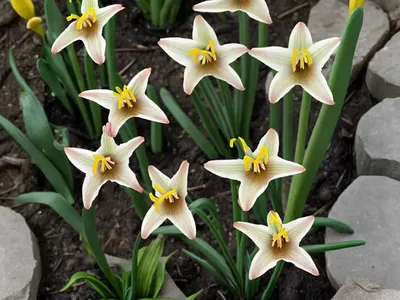
Trout-lily (Erythronium Americanum)
Trout-lily (Erythronium americanum) is a captivating spring ephemeral that graces woodlands with its delicate yellow flowers and distinctive mottled.
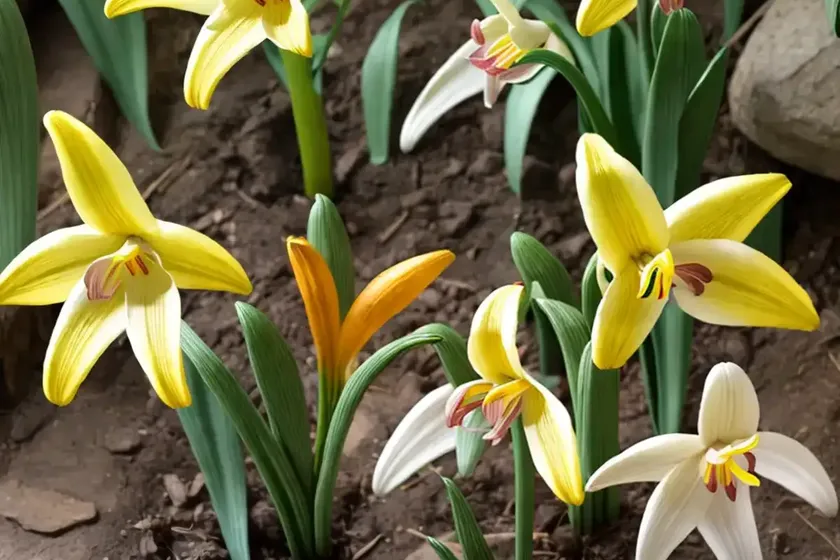
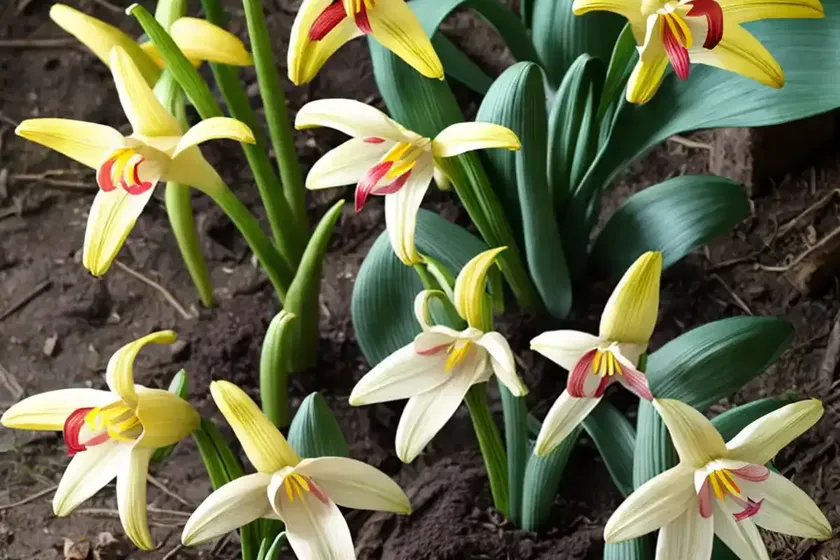
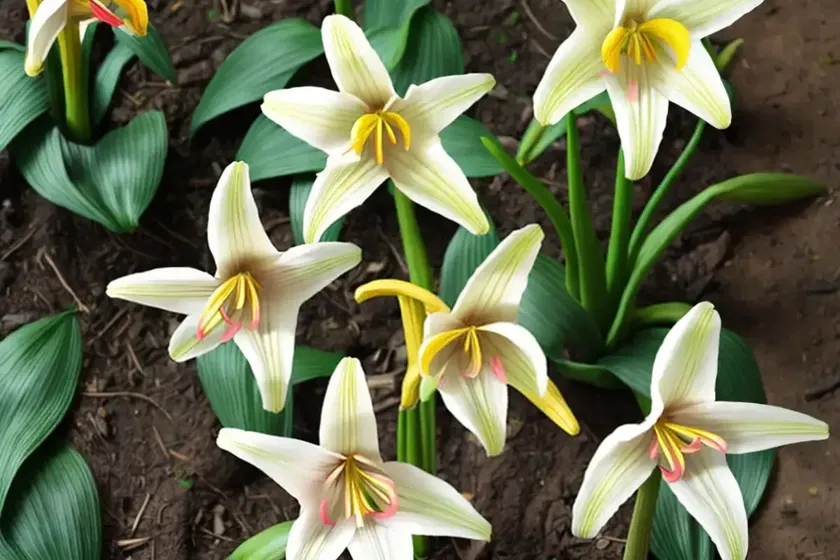
Trout-lily (Erythronium americanum) is a captivating spring ephemeral that graces woodlands with its delicate yellow flowers and distinctive mottled leaves. Commonly known as yellow trout-lily or dogtooth violet, this native North American plant belongs to the Liliaceae family. In this comprehensive guide, we will delve into the characteristics, cultural requirements, uses, and conservation efforts related to the Trout-lily, providing valuable insights for both gardening enthusiasts and botany aficionados.
What is Trout-lily (Erythronium americanum)?
Trout-lily is a charming perennial herb that is characterized by its lance-shaped, mottled leaves and nodding yellow flowers. It can be found in woodlands, meadows, and slopes throughout eastern North America, from Manitoba and Quebec in the north to Georgia and Texas in the south.
Key Takeaways – Trout-lily (Erythronium americanum)
- Scientific Name: Erythronium americanum
- Common Names: Yellow trout-lily, dogtooth violet
- Family: Liliaceae
- Native Range: Eastern North America
- Habitat: Woodlands, meadows, slopes
- Flowering Time: Early to mid-spring
- Conservation Status: Not listed as endangered, conservation efforts ongoing
Culture
Trout-lily is a low-maintenance plant that thrives in woodland settings and naturalistic gardens. Its cultural requirements can be summarized in the following aspects:
Uses
Trout-lily is valued for both its ornamental and ecological uses. The plant, along with its bulbs, has been utilized for various purposes, including:
- Ornamental Use: It is cultivated for its attractive foliage and bright yellow blooms, adding a touch of natural beauty to gardens.
- Ecological Significance: Trout-lily serves as a valuable food source for native pollinators and contributes to the biodiversity of woodland habitats.
Water
Trout-lily generally prefers moist, well-drained soil during its growth and flowering periods. It thrives in evenly moist conditions and tolerates moderate levels of moisture.
Sunlight
In its natural habitat, Trout-lily is often found in partial to full shade, particularly in the understory of deciduous woodlands. It can also tolerate dappled sunlight.
Fertilizer
Trout-lily does not necessitate regular fertilization. In garden settings, an application of a balanced, slow-release fertilizer in early spring can support its growth, but excessive fertilization should be avoided to prevent adverse effects on the plant.
Soil
The plant thrives in humus-rich, slightly acidic to neutral soil with good moisture retention. A loamy, well-drained soil is ideal for its cultivation.
Pruning
Trout-lily does not require extensive pruning. Removal of old, withered leaves after flowering can help maintain the plant’s aesthetic appeal and allow for better air circulation around the foliage.
Propagation
Propagation of Trout-lily can be achieved through several methods, including seed sowing and division of bulbs. Both techniques have their own requirements and are effective in expanding populations of this species.
Container Popularity
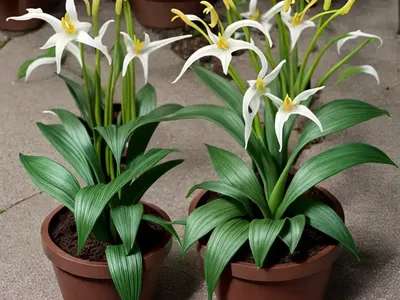
Trout-lily, with its charming blooms and mottled foliage, is a sought-after plant for woodland and shade gardens. It is often included in container plantings to add a touch of springtime beauty to outdoor spaces.
Common Diseases
Trout-lilies are generally resilient to diseases. However, as with any plant, they may be susceptible to certain issues, such as fungal infections and leaf spot diseases, especially in conditions of high humidity and poor air circulation.
Disease Diagnosis
Early detection and proper identification of any plant diseases are crucial for effective management. Common symptoms of diseases affecting Trout-lily may include leaf discoloration, wilting, and unusual spotting on the foliage and stems.
Common Pests
While Trout-lilies are relatively resistant to pest infestations, they can occasionally fall victim to pests commonly found in woodland environments, such as slugs, snails, and certain caterpillars. In garden settings, deer and rabbits may also potentially browse on the foliage.
Botanist’s Tips
- Habitat Conservation: Preserving natural woodland habitats is essential for protecting the native populations of Trout-lilies and ensuring their long-term survival.
- Woodland Gardening: Incorporating native woodland plants, including Trout-lily, into garden designs can enhance the ecological value and aesthetic appeal of outdoor spaces.
Fun Facts
- The common name “Trout-lily” is derived from the mottled appearance of its leaves, resembling the markings of a brook trout.
- Trout-lilies are early bloomers, often flowering before the trees in their woodland habitats fully leaf out, allowing them to take advantage of the available sunlight.
Links to External Resources
For additional information and resources related to Trout-lily (Erythronium americanum), please refer to the following links:
- The Plant List – Erythronium americanum
- Lady Bird Johnson Wildflower Center – Erythronium americanum
- USDA Plants Database – Erythronium americanum
In conclusion, Trout-lily (Erythronium americanum) is a captivating and ecologically significant plant that holds a special place in woodland ecosystems and gardens across eastern North America. Its charming yellow blooms, mottled foliage, and cultural significance make it a treasured addition to naturalistic landscapes and a subject of interest for botanical enthusiasts. By understanding its cultural requirements, uses, and conservation efforts, we can further appreciate the beauty and value of this delightful spring ephemeral. Whether encountered in the wild or cultivated in gardens, the Trout-lily stands as a symbol of the delicate beauty and resilience of native wildflowers.