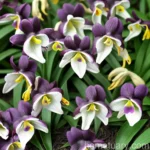
Erythronium Americanum (Yellow Trout Lily): Cultivation and Care Guide
Erythronium americanum, commonly known as Yellow Trout Lily, is a charming woodland perennial native to eastern North America. With its unique mottled leaves and delicate, yellow flowers, this plant adds an enchanting touch to woodland gardens and shaded landscapes. In this comprehensive guide, we will explore the cultivation and care of Erythronium americanum, providing valuable insights into its cultural requirements, uses, maintenance, and much more.
What is Erythronium Americanum?
Erythronium americanum, a member of the Liliaceae family, is a herbaceous perennial that typically grows in rich, moist woodlands and along stream banks. It is valued for its attractive foliage and nodding, lily-like flowers that bloom in early spring. The common name “Trout Lily” is derived from the mottled pattern on the leaves, resembling the markings of a brook trout. This endearing plant is a welcome sight in naturalized landscapes, where it spreads gently to form a carpet of foliage and blooms.
Key Takeaways – Erythronium Americanum
Culture
Yellow Trout Lily thrives in woodland settings characterized by dappled shade and moist, well-draining soil. It is well-suited to naturalistic plantings, rock gardens, and shaded borders.
Uses
Erythronium americanum is often used as a charming groundcover in woodland gardens, where it adds a pop of color in early spring. Its delicate appearance and deer resistance make it a favorite for naturalizing in semi-wild areas.
Water
Consistent moisture is essential for the optimal growth and flowering of Erythronium americanum. It appreciates moist, well-draining soil and benefits from supplemental water during dry periods.
Sunlight
Partial to full shade is ideal for Yellow Trout Lily. In its native habitat, it thrives beneath deciduous trees where it receives gentle, filtered sunlight in spring before the tree canopy fully develops.
Fertilizer
Generally, Erythronium americanum does not require regular fertilization. However, a light application of a balanced, organic fertilizer in early spring can provide a gentle boost for growth and flowering.
Soil
Well-draining, humus-rich soil with a slightly acidic to neutral pH is preferred by Yellow Trout Lily. It performs best in soil enriched with organic matter, such as leaf mold or compost.
Pruning
Minimal pruning is needed for Erythronium americanum. After flowering, simply remove any yellowing foliage to maintain a tidy appearance and allow the plant to store energy in its bulbs for the next growing season.
Propagation
Propagation of Erythronium americanum is commonly achieved through seed sowing. It can also be propagated by division, although this method may disrupt the natural spread of established clumps.
Container Popularity
While Yellow Trout Lily is not commonly grown in containers, it can be cultivated in large, wide planters that simulate its woodland habitat. Sufficient soil depth and adequate moisture retention are crucial for success in containers.
Common Diseases
Erythronium americanum is relatively resistant to disease. However, it can be susceptible to fungal pathogens if grown in overly wet or poorly ventilated conditions.
Disease Diagnosis
Watch for signs of leaf spot, crown rot, or powdery mildew, which are indicative of potential fungal diseases. Proper cultural practices, including good air circulation and moderate watering, can help prevent these issues.
Common Pests
Deer and rabbits may occasionally browse on the foliage of Erythronium americanum, particularly in areas with high populations of these animals. However, it is generally not a preferred food source for most pests.
Botanist’s Tips
When establishing Erythronium americanum in the landscape, consider planting it in drifts or clusters to create a naturalistic effect that mimics its native woodland habitat. Pair it with early-blooming perennials and ephemerals for a captivating spring display.
Fun Facts
- The leaves of Yellow Trout Lily are often mottled with random patterns that resemble the markings of a brook trout, hence its common name.
- Erythronium americanum is a vital source of early nectar for native bees and other pollinators emerging in spring.
- This plant has a rich history of medicinal use by Indigenous peoples for various ailments, including wounds and coughs.
For further detailed information on the plant’s care and cultivation, you can review Erythronium Americanum cultivation guide
External Resources
- Plants for a Future Database – Offers comprehensive information on Erythronium americanum, including its uses, cultivation, and ethnobotanical significance.
- Lady Bird Johnson Wildflower Center – Provides in-depth plant profiles and horticultural insights on Yellow Trout Lily, including its native range and habitat preferences.
- North American Native Plant Society – Features articles and resources focused on native plants, with specific details on the natural history and cultivation of Erythronium americanum.
In-depth Insights into Erythronium Americanum
Erythronium Americanum Varieties
Several cultivated varieties and hybrids of Erythronium americanum are available, offering variations in flower color, foliage patterns, and size. Some popular selections include ‘Pagoda’, ‘Joanna’, and ‘Citronella’.
Erythronium Americanum Soil Requirements
The ideal soil for Yellow Trout Lily is rich, well-draining, and slightly acidic to neutral. Amending the planting area with organic matter, such as compost or leaf mold, can enhance the soil structure and fertility.
Yellow Trout Lily Maintenance
Low-maintenance by nature, Erythronium americanum primarily requires consistent moisture and a sheltered, shaded location. Regular monitoring for fungal diseases and pest damage is beneficial for maintaining plant health.
Erythronium Americanum Watering Needs
Aim to keep the soil evenly moist, especially during the growing season and periods of dry weather. Avoid waterlogged conditions, as this can lead to root rot and other moisture-related issues.
Erythronium Americanum Sun Exposure
Partial to full shade is essential for the successful cultivation of Yellow Trout Lily. It thrives in the gentle, filtered light found beneath deciduous trees and shrubs.
Pest and Disease Control for Erythronium Americanum
Protecting Erythronium americanum from browsing wildlife and monitoring for signs of fungal diseases are key components of pest and disease management. Utilize physical barriers and cultural methods to minimize potential issues.
Erythronium Americanum Companion Plants
For a captivating woodland garden, consider pairing Erythronium americanum with shade-loving companions such as bleeding heart (Dicentra spectabilis), foamflower (Tiarella cordifolia), and wild ginger (Asarum canadense).
How to Divide Erythronium Americanum Bulbs
Dividing clumps of Erythronium americanum can be done in early autumn when the plant is dormant. Carefully lift the bulbs, separate them into smaller segments, and replant them at the same depth as they were originally growing.
Yellow Trout Lily Seasonality
Erythronium americanum blooms in early spring, typically from March to May, depending on local climate conditions. Its foliage emerges soon after floweri后后ng, providing a lush, green carpet in woodland settings.
Erythronium Americanum Natural Habitat
In its native range, Erythronium americanum thrives in deciduous woodlands, shady slopes, and along riverbanks. Its natural habitat provides the ideal conditions of partial shade, moist soil, and organic litter.
Erythronium Americanum Landscaping Ideas
Utilize Yellow Trout Lily as a captivating groundcover in shaded areas, mass plantings, or naturalized woodland settings. Its charming appearance and early spring blooms add delightful interest to the landscape.
Erythronium Americanum Flower Symbolism
Yellow Trout Lily is often associated with themes of rebirth, renewal, and the arrival of spring. Its nodding, yellow flowers evoke sentiments of hope and vitality in the garden.
Erythronium Americanum for Butterfly Gardens
Erythronium americanum serves as an early nectar source for butterflies and other pollinators, making it a valuable addition to butterfly and wildlife gardens. Its spring blooms attract a host of beneficial insects.
Erythronium Americanum for Shade Gardens
Shade gardens benefit from the graceful beauty of Yellow Trout Lily, as it thrives in low light conditions and creates a serene, woodland ambiance. Combine it with other shade-loving plants for a harmonious planting scheme.
Erythronium Americanum for Woodland Gardens
Set a picturesque scene in woodland gardens with the inclusion of Erythronium americanum. Its naturalistic growth habit and early spring blooms contribute to the enchanting allure of woodland landscapes.
Erythronium Americanum as a Groundcover
The spreading nature of Erythronium americanum makes it an excellent choice for groundcover in shaded areas. It forms dense colonies of foliage and flowers, creating a striking carpet effect.
Erythronium Americanum in Seasonal Displays
Introduce the delicate beauty of Yellow Trout Lily into spring-themed displays, such as woodland-inspired arrangements and native plant showcases. Its charming blooms and foliage capture the essence of the season.
Erythronium Americanum Cold-Hardiness
Yellow Trout Lily is generally hardy in USDA Hardiness Zones 3-8, exhibiting good tolerance to cold winter temperatures. It is well-suited to regions with cool, temperate climates.
Erythronium Americanum Bulb Storage
After the foliage has naturally withered in late spring, the bulbs of Erythronium americanum can be lifted and stored in a cool, dry location until the following autumn for replanting.
Erythronium Americanum Naturalizing Tips
Encourage naturalization of Yellow Trout Lily by allowing it to self-sow and spread through the production of seeds and underground bulbs. Over time, it forms expansive colonies in suitable habitats.
Erythronium Americanum Ecological Benefits
As a native woodland species, Erythronium americanum contributes to the ecological balance by supporting pollinators, enriching soil health, and enhancing the biodiversity of natural landscapes.
Erythronium Americanum Wildlife Habitat Gardening
Incorporate Erythronium americanum into wildlife-friendly plantings, where its nectar-rich flowers and foliage provide valuable resources for native bees, butterflies, and other beneficial insects.
Erythronium Americanum Species Conservation
Given its native status and ecological significance, conservation efforts aimed at protecting the natural habitats of Erythronium americanum contribute to the preservation of its genetic diversity and ecological role.
Pruning Tips for Erythronium Americanum
After the flowering period, prune back the yellowing foliage of Erythronium americanum to maintain a clean appearance and promote the allocation of resources to the underground bulbs.
Erythronium Americanum as a Woodland Groundcover
The low-growing, spreading habit of Yellow Trout Lily makes it an excellent choice for use as a groundcover in woodland settings, where it provides early spring interest and naturalizes gracefully over time.
Erythronium Americanum Edible Uses
While Erythronium americanum has historical culinary uses, such as by Indigenous peoples, it is important to note that consuming any part of the plant should be approached with caution due to potential toxicity.
Erythronium Americanum Folklore and Myths
Various cultural beliefs and traditions surround Erythronium americanum, with some cultures attributing symbolic meanings and stories to the plant’s unique appearance and early spring blooms.
Erythronium Americanum Wildlife Interactions
Yellow Trout Lily attracts a diverse array of wildlife, including bees, butterflies, and small mammals, utilizing its nectar, pollen, and seeds as valuable food sources in the early spring season.
Erythronium Americanum in Wetland Gardens
While Yellow Trout Lily naturally prefers mesic woodland conditions, it can adapt to slightly moist or seasonally wet areas, making it a versatile addition to wetland and riparian gardens.
Conclusion
Erythronium americanum, or Yellow Trout Lily, is a captivating woodland perennial that holds a special place in native plant landscapes and naturalistic gardens. Its charming appearance, ease of cultivation, and ecological contributions make it a valuable asset to the garden and natural environment. By understanding the cultural requirements, uses, and maintenance considerations for this enchanting plant, gardeners can fully appreciate its beauty and significance in the landscape.
For more detailed information about Erythronium americanum, you can review the article on Plants for a Future Database.
In summary, cultivating and caring for Erythronium americanum not only enriches the aesthetic appeal of our gardens but also supports the conservation of native plant species and the vital role they play in the broader ecosystem.
Remember to approach any consumption of plants with caution, especially when it comes to Erythronium americanum, as proper identification and preparation are essential for safety.
Happy gardening and may your landscapes bloom with the enchanting beauty of Erythronium americanum!
Disclaimer: The content in this blog post is for informational purposes only, and readers are advised to conduct thorough research and seek professional guidance before consuming, growing, or utilizing any plant material. The author does not take responsibility for any adverse effects resulting from the use or handling of plant species mentioned in this article