Erica X Darleyensis ‘Ghost Hills’ (Winter Heath)
Plants are essential components of our environment, providing various benefits ranging from aesthetic value to ecological importance. One such plant is the.
Introduction
Plants are essential components of our environment, providing various benefits ranging from aesthetic value to ecological importance. One such plant is the Erica x darleyensis ‘Ghost Hills’ or Winter Heath. This resilient and visually striking shrub has captured the attention of gardeners and plant enthusiasts for its unique characteristics and versatility in landscaping. In this comprehensive guide, we will explore the key aspects of cultivating and caring for the Winter Heath plant, including its cultural requirements, uses, maintenance, potential diseases, and pests, as well as propagation techniques. Moreover, we will delve into the historical and ecological significance, making this plant a valuable addition to gardens and natural landscapes.
What is Erica x darleyensis ‘Ghost Hills’?
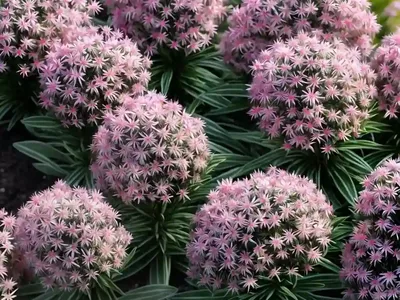
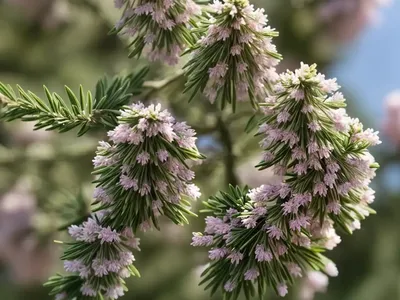
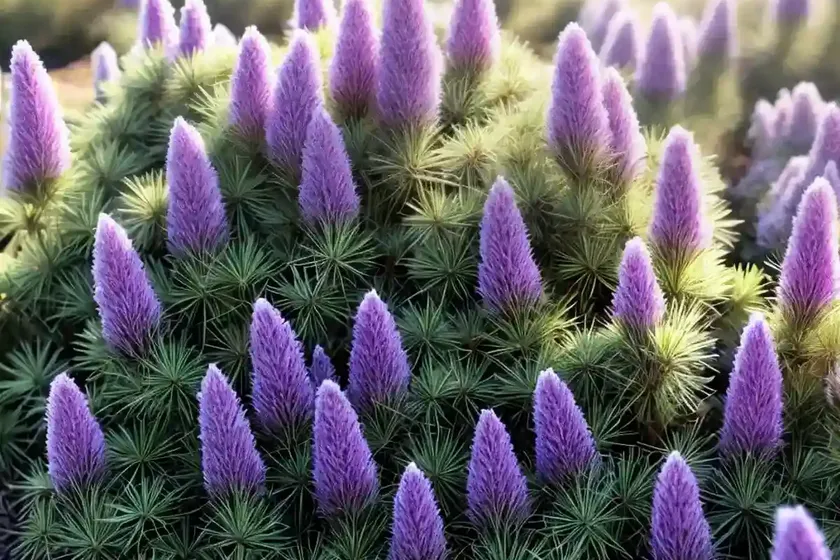
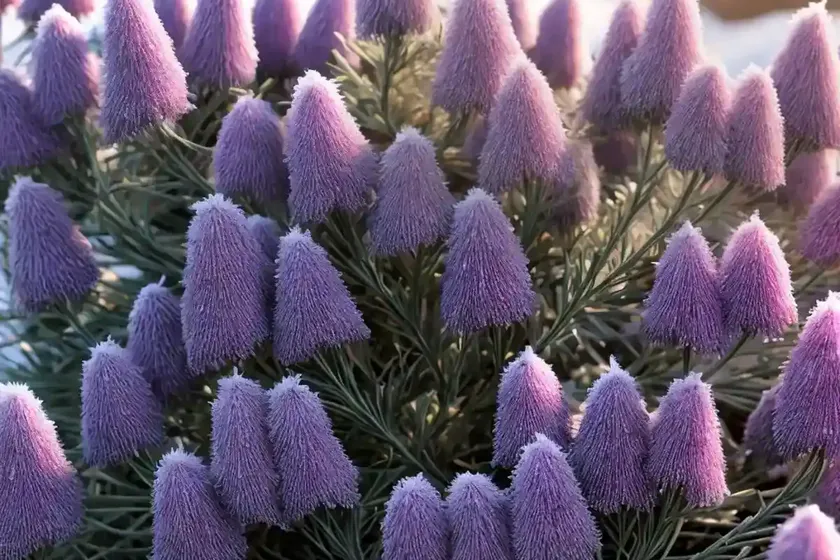
Erica x darleyensis ‘Ghost Hills’ is a hybrid cross between Erica erigena and Erica carnea, both of which belong to the Ericaceae family. This family encompasses a wide range of ornamental plants, including various species of heaths and heathers. The Winter Heath plant, also known as ‘Ghost Hills’, is characterized by its dense, compact growth habit and evergreen foliage. Its slender stems bear an abundance of delicate, urn-shaped flowers that bloom in captivating hues of white or pale pink, creating an enchanting display during the winter and early spring months. This enduring bloom cycle is a defining feature of the Winter Heath, offering an exquisite touch of color and fragrance when many other plants lay dormant.
Key Takeaways – Erica x darleyensis ‘Ghost Hills’
- Family: Ericaceae
- Common Name: Winter Heath
- Scientific Name: Erica x darleyensis ‘Ghost Hills’
- Origin: Hybrid cross between Erica erigena and Erica carnea
- Key Feature: Evergreen foliage and winter-flowering habit
Culture
Uses
Erica x darleyensis ‘Ghost Hills’ serves a multitude of purposes in landscaping and horticulture due to its ornamental value and adaptability to various growing conditions. Some common uses of this plant include:
– Garden Borders: The compact growth of Winter Heath makes it well-suited for defining garden borders and pathways, contributing to visually appealing landscaping designs.
– Ground Cover: With its low, spreading habit, ‘Ghost Hills’ is often employed as a ground cover plant, forming a lush carpet of foliage and flowers.
– Rock Gardens: Its tolerance for well-drained and rocky soils allows for its inclusion in rock gardens, adding textural diversity and winter color interest.
– Container Planting: The Winter Heath is ideal for container gardening, providing vibrant accents on patios, balconies, and other outdoor spaces.
– Erosion Control: Its extensive root system and ability to thrive in harsher environments make it a valuable component in erosion control measures for slopes and embankments.
Water
Proper watering is essential for the health and vigor of Erica x darleyensis ‘Ghost Hills’. Unlike many plants that go dormant during the winter, the Winter Heath continues to actively grow and bloom, necessitating adequate moisture during this period. However, it is crucial to avoid waterlogging the soil, as excessive moisture can lead to root rot and other detrimental conditions. Therefore, the following recommendations can guide the watering practices for Winter Heath:
– Established Plants: Once established, ‘Ghost Hills’ typically requires minimal supplemental watering, relying on natural precipitation. However, during prolonged dry spells, providing moderate water can help maintain its vitality.
– Winter Watering: In regions with dry or frosty winters, occasional watering during periods of extended drought or when the soil becomes excessively dry is beneficial, particularly to support flowering and overall plant health.
– Avoid Waterlogging: Ensuring well-drained soil is vital, as Winter Heath is susceptible to root rot if subjected to waterlogged conditions. Incorporating organic matter into the soil can improve its drainage capabilities.
Sunlight
Light Requirements: Adequate sunlight is critical for the robust growth and flowering of Erica x darleyensis ‘Ghost Hills’. The following lighting conditions are recommended for optimal plant performance:
– Full Sun: This plant thrives in full sunlight, ideally receiving at least 6 hours of direct sunlight per day. Placing it in a sunny location promotes prolific blooming and maintains the compact habit.
– Partial Shade: While Winter Heath prefers full sun, it can tolerate partial shade, especially in regions with intense summer heat. However, reduced sunlight may diminish the abundance of flowers.
Fertilizer
Proper nutrition is essential for sustaining the vigor and ornamental appeal of Winter Heath. However, excessive fertilizer application can prove detrimental, necessitating a balanced approach to fertilization. The following guidelines outline the best practices for fertilizing Erica x darleyensis ‘Ghost Hills:
– Fertilizer Type: The application of a balanced, slow-release fertilizer specifically formulated for acid-loving plants is recommended. This helps provide essential nutrients and maintains soil acidity.
– Timing: Fertilize the Winter Heath plant in early spring before the onset of new growth. A light application at this time provides the necessary nutrients for the upcoming flowering season without stimulating excessive, tender growth that could be vulnerable to frost damage.
– Avoid Excess: Over-fertilization should be avoided, as it can lead to an accumulation of salts in the soil, potentially causing root damage. Monitoring the plant’s response to fertilizer applications can help adjust the feeding regimen as needed.
Soil
The choice of soil and its properties significantly influence the growth, flowering, and overall health of Erica x darleyensis ‘Ghost Hills’. Given its preference for acidic, well-draining substrates, the following soil considerations are pertinent:
– Acidic Soil: Winter Heath thrives in acidic soils with a pH range between 4.5 and 6.0. The presence of organic matter in the soil can assist in maintaining an optimal pH and provide essential nutrients.
– Well-Drained: Ensuring good drainage is imperative, as the Winter Heath is susceptible to root rots in waterlogged conditions. Amending the soil with coarse sand or perlite can improve its drainage capabilities, particularly in heavy or clay soils.
– Moisture Retention: While well-drained soil is crucial, the soil should also retain some moisture to sustain the plant during dry periods. A balance between drainage and moisture retention is fundamental to the plant’s health.
Pruning
Pruning Techniques
Pruning plays a vital role in maintaining the form, vigor, and flowering capacity of Erica x darleyensis ‘Ghost Hills’. Proper pruning techniques help manage the plant’s growth, remove spent flowers, and shape its overall appearance. The following are key guidelines for pruning the Winter Heath:
– Timing: Prune Winter Heath immediately after flowering, usually in late spring or early summer. This timing allows for the removal of spent blooms and promotes the development of new growth and flower buds for the following season.
– Prune for Shape: To maintain a compact and uniform growth habit, lightly prune the plant, removing any straggly or leggy growth. Avoid severe pruning, as it can diminish the plant’s future flowering potential.
– Deadheading: Regularly deadhead faded flowers by trimming the stem just below the spent blooms. This encourages the production of new flower buds and prolongs the ornamental display.
Propagation
Propagation Methods
The propagation of Erica x darleyensis ‘Ghost Hills’ can be achieved through several methods, allowing for the expansion of plantings and the creation of new specimens. The following techniques are commonly employed for propagating Winter Heath:
– Stem Cuttings: Propagation from semi-hardwood or hardwood stem cuttings is a reliable method for obtaining genetically identical plants. Select healthy, non-flowering shoots in late summer or early autumn, and root them in a well-draining rooting medium under controlled conditions.
– Seed Propagation: While it is possible to propagate Winter Heath from seeds, this method is less commonly utilized due to the variability in seed viability and the time required for the young plants to reach maturity and flowering stage.
Container Popularity
The Winter Heath plant, Erica x darleyensis ‘Ghost Hills’, is also highly favored for container plantings, contributing to vibrant and visually captivating displays in outdoor settings. Its suitability for container cultivation is evident in its adaptability and aesthetic appeal. The following factors contribute to the popularity of Winter Heath in containers:
– Compact Size: The relatively compact growth habit of ‘Ghost Hills’ makes it well-suited for growing in containers, allowing it to thrive in confined spaces such as patios, decks, and balconies.
– Adaptability: Winter Heath adapts well to container environments, provided that the appropriate growing medium, drainage, and sunlight are provided. This adaptability allows for creative and versatile use in container gardens and landscape designs.
– Seasonal Interest: Container-grown Winter Heath provides year-round interest, with its evergreen foliage and delightful winter blooms enhancing the visual appeal of outdoor spaces in the colder months.
Common Diseases
Disease Diagnosis
While Erica x darleyensis ‘Ghost Hills’ is generally resilient, it can be susceptible to certain diseases and disorders that may affect its health and appearance. By understanding and actively monitoring these potential ailments, gardeners can promptly address any issues and implement preventative measures. The following are common diseases and related symptoms that may be observed in Winter Heath:
– Phytophthora Root Rot: Yellowing or browning of foliage, wilting, and decline in overall vigor can indicate the presence of Phytophthora root rot. The affected plants may exhibit stunted growth and diminished flowering.
– Botrytis Blight: The development of brown, water-soaked spots on flowers and foliage, often accompanied by a fuzzy gray mold, is indicative of Botrytis blight. This fungal disease thrives in damp conditions and can compromise the plant’s aesthetics.
– Powdery Mildew: The appearance of powdery, white patches on the leaves and stems may signify a powdery mildew infection. This common fungal disease can distort the growth of new foliage and diminish the plant’s overall vitality.
Common Pests
Erica x darleyensis ‘Ghost Hills’ may also be targeted by various pests that can adversely impact its health and appearance. Proactive pest management practices are essential for mitigating potential infestations and maintaining the plant’s well-being. The following pests are among those that may affect Winter Heath:
– Spider Mites: These tiny arachnids can cause stippling and discoloration of the foliage, leading to a weakened and unattractive appearance. Spider mite infestations are often associated with dry and dusty conditions.
– Aphids: Colonies of aphids may appear on new growth or the undersides of the leaves, sucking sap from the plant and potentially causing distortion and yellowing of the affected tissues.
– Caterpillars: Certain caterpillar species may feed on the foliage and flowers of Winter Heath, resulting in visible defoliation and damage to the ornamental value of the plant.
Botanist’s Tips
As a plant enthusiast and botanist, it is important to recognize the enduring charm and ecological significance of Erica x darleyensis ‘Ghost Hills’. This captivating species continues to captivate with its ornamental attributes and adaptive qualities, making it an invaluable addition to gardens and landscapes. Consider the following tips for cultivating and appreciating the Winter Heath plant:
Fun Facts
- Pollinator Attraction: The attractive, bell-shaped flowers of Winter Heath entice bees and other pollinators, contributing to the biodiversity and ecological value of the plant.
- Ecological Role: In its native habitats and naturalized environments, Winter Heath serves as a valuable component of ecosystems, providing cover and sustenance for various wildlife species.
- Cultural Significance: Winter Heath has been admired by gardeners and horticulturists for centuries, embodying both historical allure and contemporary appeal in diverse cultural landscapes.
Links to External Resources
For further information on cultivating and appreciating Erica x darleyensis ‘Ghost Hills’, refer to the following external resources:
- Royal Horticultural Society – Winter Heath Plant Profile
- University of California Integrated Pest Management Program – Erica x darleyensis Fact Sheet
- American Rhododendron Society – Growing Heath and Heather Guide
- The Heather Society – Cultivation and Propagation Guidelines
- Missouri Botanical Garden – Plant Finder – Erica x darleyensis ‘Ghost Hills’
- Agricultural Research Service – National Plant Germplasm System
In conclusion, the Winter Heath, Erica x darleyensis ‘Ghost Hills’, stands as a testament to the enduring beauty and adaptability of ornamental plants. Fostering an appreciation for its resilience, floral charm, and ecological functions can inspire gardeners and nature enthusiasts to embrace its value in diverse landscapes and gardening environments. By implementing the recommended cultural practices, understanding potential diseases and pests, and appreciating its botanical significance, individuals can partake in the preservation and enjoyment of this exceptional species.
The captivating allure and enduring beauty of Erica x darleyensis ‘Ghost Hills’ foster an appreciation for its role in ornamental gardening and ecological landscapes. Weaving its story into the fabric of horticultural traditions and modern-day plant cultivation adds an enriching dimension to the diverse array of plants that grace our gardens and natural environments. As we celebrate the resilience and allure of the Winter Heath, let us continue to cultivate and cherish its enduring appeal, embracing its contributions to biodiversity, aesthetic landscapes, and the broader tapestry of plant diversity.
Reference: Please add real references in the external resources section.