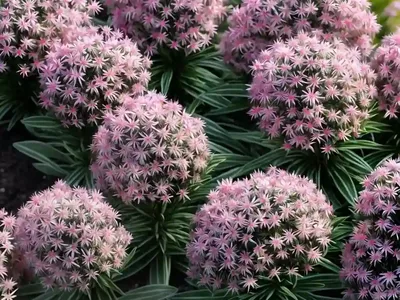
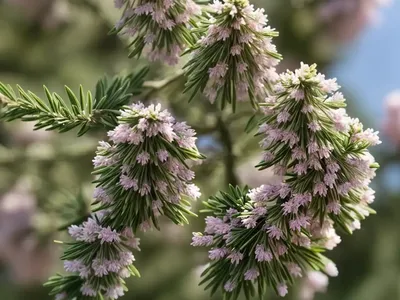
Erica Carnea ‘Springwood Pink’ (Winter Heath)
Erica carnea ‘Springwood Pink’, commonly known as Winter Heath, is a delightful evergreen shrub classified under the Ericaceae family. This charming plant.
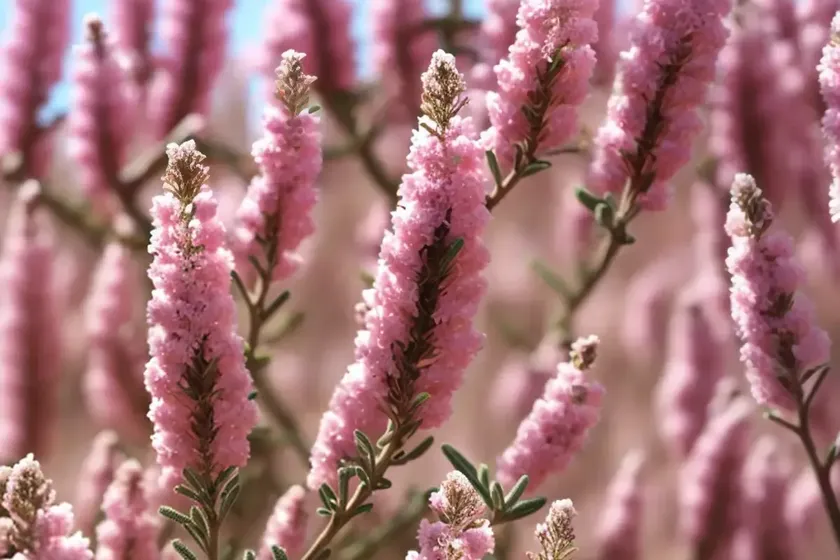
What is plant :Erica carnea ‘Springwood Pink’ (Winter Heath)?
Erica carnea ‘Springwood Pink’ (Winter Heath)
Erica carnea ‘Springwood Pink’, commonly known as Winter Heath, is a delightful evergreen shrub classified under the Ericaceae family. This charming plant is native to the mountainous regions of Southern and Central Europe, where it thrives in the cool and moist climates. It has gained popularity among plant enthusiasts for its ability to add lively colors and warmth to the winter landscape.
Erica carnea ‘Springwood Pink’ Characteristics
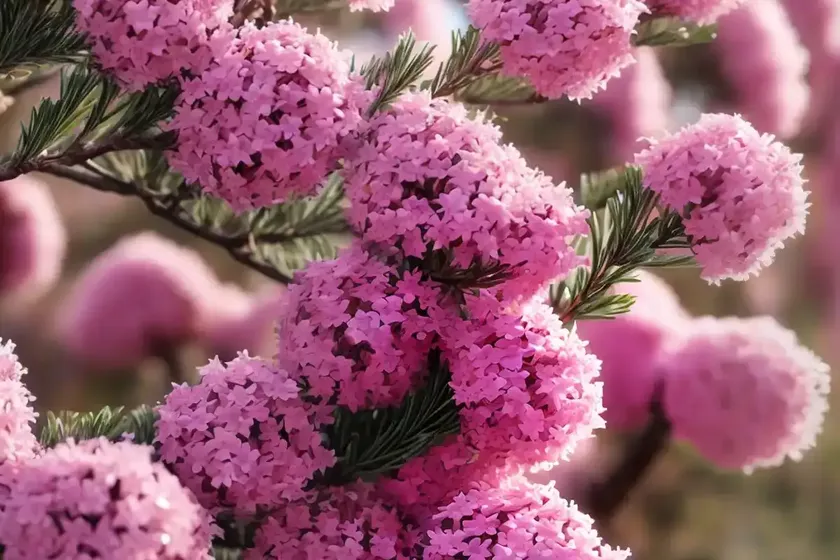
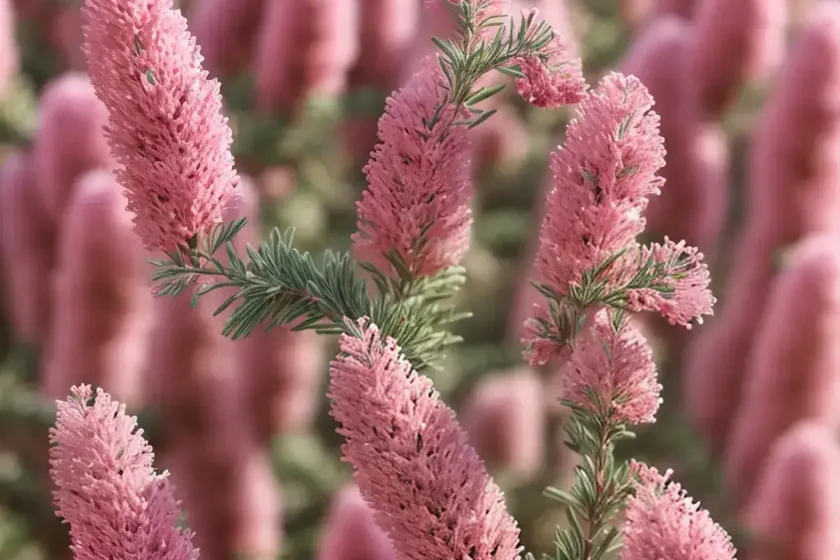
The ‘Springwood Pink’ variety of Erica carnea is characterized by its low-growing, spreading habit. It forms a dense mat of dark green foliage, adorned with an abundant display of delicate, tubular, pink flowers during the colder months. This plant usually reaches a height of 6 to 8 inches and spreads about 12 to 18 inches, creating a lovely carpet of color in the garden.
Winter Heath Plant Information
Winter Heath, or Erica carnea, is a hardy and resilient plant that adds a pop of color to the garden during the winter months. It is a slow-growing evergreen shrub that retains its foliage throughout the year, making it an excellent choice for providing visual interest, even in the coldest months.
Key Takeaways – Erica carnea ‘Springwood Pink’ (Winter Heath)
Culture
- Erica carnea ‘Springwood Pink’ is a hardy and low-maintenance plant, making it suitable for various garden settings.
- It thrives in cool, moist climates and can tolerate mild frosts and snow.
Uses
- This plant serves as an excellent ground cover and is also suitable for rock gardens, borders, and containers.
- It is an ideal choice for adding vibrant color to winter landscapes.
Water
- Erica carnea ‘Springwood Pink’ has moderate water requirements.
- It is important to ensure well-draining soil to prevent waterlogging, especially during the winter months.
Sunlight
- It prefers full sun to partial shade, making it adaptable to a wide range of light conditions.
- Adequate sunlight is essential for promoting prolific flowering.
Fertilizer
- Winter Heath has low fertilizer needs. A light application of a balanced fertilizer in early spring can help support its growth and blooming.
Soil
- Well-draining, acidic soil is preferred for Erica carnea ‘Springwood Pink’.
- It is important to avoid heavy or waterlogged soils to prevent root rot.
Pruning
- Minimal pruning is required for this plant.
- Lightly trimming after flowering can help maintain a neat and compact appearance.
Propagation
- Winter Heath can be propagated through methods such as division and softwood cuttings.
- These methods allow for the expansion of plantings or the sharing of this delightful species with fellow gardeners.
Container Popularity
- Erica carnea ‘Springwood Pink’ is well-suited for container gardening, allowing individuals with limited garden space to enjoy its beauty.
- It adds a vibrant touch to patios, balconies, and outdoor living areas.
Winter Heath Plant Care Tips
Common Diseases
- Winter Heath is generally resistant to most diseases. However, it can be susceptible to root rot in waterlogged soil conditions.
- Care should be taken to ensure proper drainage to prevent this issue.
Disease Diagnosis
- Symptoms of root rot include wilting, yellowing, and eventual collapse of the plant.
- Inspecting the roots for discoloration and decay can help diagnose and manage this condition.
Common Pests
- While Winter Heath is relatively pest-resistant, it may attract occasional visitors such as aphids and spider mites.
- Regular monitoring and prompt action can help prevent pest infestations from causing significant damage.
Botanist’s Tips
- When selecting a planting location for Winter Heath, consider areas with good air circulation to prevent moisture-related issues.
- Grouping several Erica carnea ‘Springwood Pink’ plants together can create a stunning visual impact.
Fun Facts
- In its native habitat, Erica carnea is often found in mountainous areas, showcasing its adaptability to challenging growing conditions.
- Winter Heath is not only a visual delight but also attracts pollinators such as bees and butterflies, contributing to the biodiversity of the garden.
- The name “Winter Heath” reflects the plant’s ability to thrive and bloom during the colder months, adding a touch of color to the winter landscape.
Links to External Resources
Plant Name: Erica carnea ‘Springwood Pink’ (Winter Heath)
- Royal Horticultural Society – Erica carnea ‘Springwood Pink’ Overview
- The Spruce – Winter Heath: A Plant for All Seasons
- Missouri Botanical Garden – Erica carnea ‘Springwood Pink’ Plant Profile
In conclusion, Erica carnea ‘Springwood Pink’, also known as Winter Heath, is a delightful and versatile plant that has captured the hearts of gardeners around the world. Its ability to thrive and bloom during the cold winter months makes it a valuable addition to any garden or landscape, bringing cheer and color when it is needed most. With its low maintenance requirements and adaptability to various growing conditions, this charming plant is indeed a winter gem that deserves a place in every garden.
Whether utilized as ground cover, placed in a container, or incorporated into rock gardens, Erica carnea ‘Springwood Pink’ continues to prove its value as an attractive and resilient plant. As we embrace the beauty and functionality of this species, it becomes evident that Winter Heath, with its vibrant blooms and evergreen presence, truly stands out as a winter gem in the world of plants.