Erica cinerea ‘C.D. Eason’ (Bell Heather): A Comprehensive Care Guide
Introduction
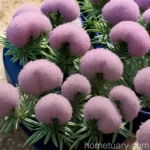
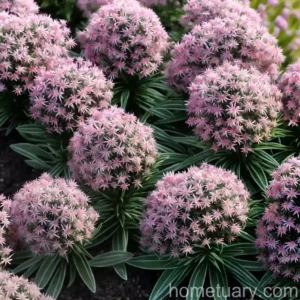
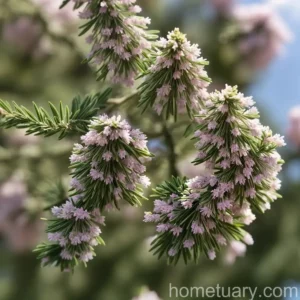
Erica cinerea ‘C.D. Eason’ is a delightful and resilient evergreen shrub that has gained popularity for its ornamental value and easy maintenance. Commonly known as Bell Heather, this plant is native to Western Europe and is a member of the Ericaceae family. Its beautiful pink bell-shaped blossoms and needle-like foliage make it a charming addition to any garden or landscape. If you’re considering adding Erica cinerea ‘C.D. Eason’ to your green space, this comprehensive care guide will provide you with all the essential information needed to ensure its optimal growth and longevity.
What is Erica cinerea ‘C.D. Eason’ (Bell Heather)?
Bell Heather, scientifically known as Erica cinerea ‘C.D. Eason’, is a compact, low-growing evergreen shrub that typically reaches a height of 6 to 12 inches and spreads about 12 to 18 inches wide. It features needle-like green leaves and produces an abundance of small, urn-shaped, pink flowers from mid-summer to early autumn. This visually appealing plant is a perfect choice for adding color and texture to rock gardens, borders, and containers.
Key Takeaways – Erica cinerea ‘C.D. Eason’ (Bell Heather)
Culture
- Botanical Name: Erica cinerea ‘C.D. Eason’
- Common Name: Bell Heather
- Plant Type: Evergreen shrub
- Mature Size: 6-12 inches in height, 12-18 inches in width
- Sun Exposure: Full sun to partial shade
- Soil Type: Well-drained, acidic soil
- Growth Rate: Moderate
Uses
- Landscape: Rock gardens, borders, groundcover, slope stabilization
- Container Planting: Suitable for pots and containers
- Wildlife: Attracts bees and butterflies
- Ornamental: Ideal for adding color and texture to the garden
Water
- Watering Needs: Low to moderate water requirements
- Watering Frequency: Allow soil to dry slightly between waterings
- Irrigation: Water deeply but infrequently
Sunlight
- Sun Requirements: Full sun to partial shade
- Optimal Light: Thrives in bright, filtered light
Fertilizer
- Fertilization: Minimal fertilization required
- Fertilizer Type: Acidic, ericaceous fertilizer
- Application Time: Once a year in spring
Soil
- Soil Preference: Well-drained, acidic soil
- Soil Amendments: Peat moss or pine bark can be added for improved drainage
- pH Level: Acidic soil with a pH of 4.5 to 6.0
Pruning
- Pruning Time: Prune after flowering to maintain shape and promote bushy growth
- Pruning Technique: Light shearing to remove spent blooms and control size
Propagation
- Propagation Method: Softwood cuttings in spring or early summer
- Rooting Hormone: Optional, but can aid in root development
- Propagation Success Rate: High
Container Popularity
- Container Suitability: Well-suited for container planting
- Container Type: Use a well-draining pot with good airflow
- Container Size: Choose a container slightly larger than the root ball for adequate growth
Common Diseases
Disease diagnosis:
– Common Diseases: Phytophthora root rot, powdery mildew
– Symptoms: Wilting, discoloration, powdery white patches on the foliage
– Preventive Measures: Ensure proper drainage, adequate air circulation, and regular inspection for signs of disease
Common Pests
Botanist’s tips:
– Common Pests: Spider mites, aphids
– Identification: Look for webbing or stippling on the leaves
– Control Measures: Use insecticidal soap or neem oil, and encourage natural predators like ladybugs and lacewings
Fun facts
- Erica cinerea ‘C.D. Eason’ is also known as Bell Heather due to the bell-shaped flowers it produces.
- In its natural habitat, Bell Heather is commonly found in heathland and moorland areas, contributing to its rugged and hardy nature.
- The plant has a strong cultural significance and has been widely used in traditional herbal medicine for various remedies.
Links to External Resources
- Royal Horticultural Society – Erica cinerea ‘C.D. Eason’ Care
- Bell Heather Planting Guide
- Erica cinerea ‘C.D. Eason’ Growing Conditions
By following these comprehensive care guidelines, you’ll be well-equipped to cultivate and maintain Erica cinerea ‘C.D. Eason’ (Bell Heather) successfully in your garden or landscape. This charming plant not only provides visual appeal but also contributes to the overall biodiversity and beauty of the outdoor environment. With its easy-going nature and minimal maintenance requirements, Bell Heather is an excellent choice for both novice and experienced gardeners seeking a versatile and resilient addition to their green spaces. Whether planted as a groundcover, in containers, or as part of a mixed border, Erica cinerea ‘C.D. Eason’ will undoubtedly enhance the aesthetics and ecological value of your outdoor setting.